
Septic Field Line Repair in Spring Branch, TX
Dillon Septic provides septic field line repair in Spring Branch, TX for residential and commercial properties. We start by evaluating the problem so we can better understand what is happening before recommending repair work.
Signs Your Septic Field Lines May Need Attention
Field line problems are not always obvious at first. Changes may appear gradually, or a property owner may notice something unusual after the septic system has been under heavier use. Persistent wet areas, wastewater surfacing near parts of the system, unusual odors, slow drainage, or recurring septic problems can indicate that further evaluation is needed. These symptoms do not automatically prove that a field line is damaged. Problems elsewhere in the septic system can produce similar warning signs. A proper evaluation helps determine whether the issue involves a field line, the tank, another component, or a different condition that needs attention.
Finding the Cause Before Starting a Repair
Repairing a septic line should begin with diagnosis. A restriction, physical damage, root intrusion, or another condition can affect how wastewater moves through parts of the system. The appropriate repair depends on what is actually happening and where the problem is located.
Dillon Septic evaluates the symptoms and relevant system components before determining the next step. This helps avoid treating every drainage issue as though it has the same cause.
When the condition of the broader septic system is uncertain, a more detailed septic inspection may also be useful before repair decisions are made.
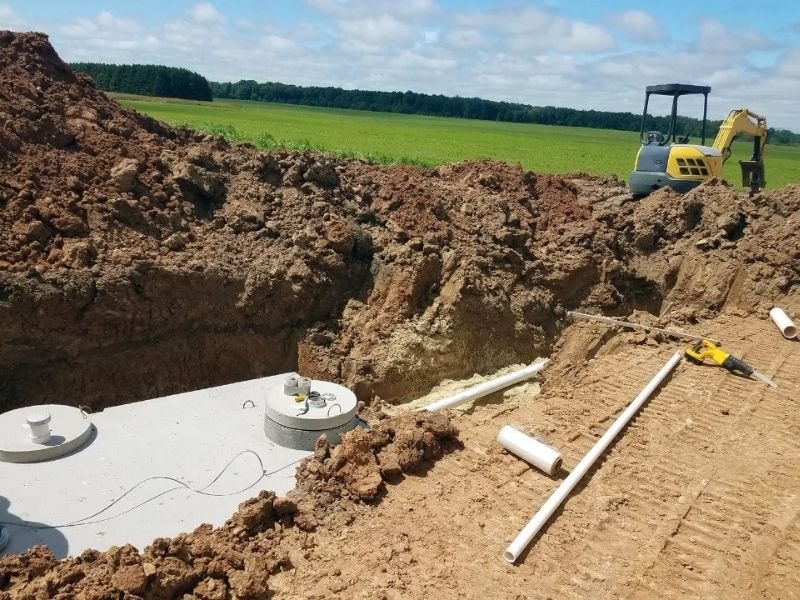
Repairing a Line Versus Replacing Part of the System
Not every field line problem requires the same solution.
A localized problem may sometimes be addressed with a targeted repair. More extensive deterioration or problems affecting a larger portion of the system may require a different approach.
The decision should be based on the condition that is actually found rather than assuming repair or replacement in advance.
If evaluation indicates that the problem extends beyond an individual line and involves the broader septic system, Dillon Septic can explain the findings and discuss whether additional repair or septic installation work should be considered.
What Field Line Repair May Involve
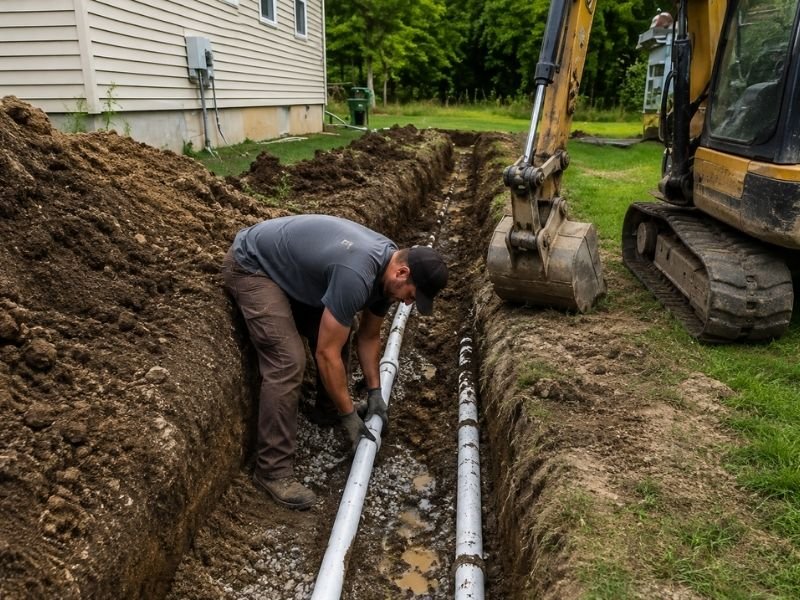
The repair process depends on the type, location, and extent of the problem identified.
Some situations may involve a specific section of line or connection that can be accessed and repaired. Other conditions may require more extensive work or further evaluation of the surrounding system.
Before beginning work, Dillon Septic focuses on determining what needs attention and discussing the repair with the property owner.
This approach is particularly important because unnecessary excavation or replacing components without first understanding the problem can add disruption without necessarily solving the underlying issue.
Why Choose Dillon Septic for Field Line Repair?
When wastewater is not moving through a septic system properly, finding the cause matters. Dillon Septic takes a practical approach to septic line problems. We focus on evaluating the situation, explaining what we observe, and recommending service based on the needs of the system.
Our team also provides septic inspections, pumping, maintenance, repairs, installation, tank locating, and other septic services. This broader experience is useful when symptoms initially blamed on a field line turn out to involve another part of the system.
Our goal is to provide a clear path from identifying the problem to determining an appropriate solution.
Caring for Your Septic System After a Line Repair
Repairing a damaged line addresses the identified problem, but routine septic care remains important afterward. Keep records of the work performed and continue appropriate pumping, inspection, and maintenance for your particular system. Service history can be helpful if another issue develops later. Property owners should also watch for recurring drainage problems, unusual odors, wastewater surfacing, or other changes after a repair. If symptoms return, have the system evaluated instead of automatically assuming that the repaired line has failed again. Understanding changes in system performance can make it easier to determine when additional service is appropriate.
Frequently Asked Questions
What are common signs of a septic field line problem?
Wet areas, wastewater surfacing, unusual odors, slow drainage, and recurring septic problems can indicate that part of the system needs attention. Because these symptoms can have several causes, the affected component should be identified before repair work begins.
Can a damaged septic field line be repaired?
Sometimes. Whether a line can be repaired depends on the type, location, and extent of the problem. An evaluation is needed to determine whether targeted repair or more extensive work is appropriate.
Will septic pumping fix a field line problem?
Not necessarily. Pumping removes accumulated material from the septic tank. It does not physically repair a damaged line. If the problem involves both tank capacity and another system component, different services may be required.
Do wet areas around my septic system mean the field lines have failed?
Not automatically. Wet or unusually saturated areas can be a warning sign, but they do not identify the cause by themselves. The system should be evaluated before concluding that a field line or drain field has failed.
How long does a field line repair take?
The timeframe depends on where the problem is located, accessibility, the extent of the damage, and the work required. Dillon Septic can provide a more useful expectation after evaluating the specific situation.
Get Help With Septic Drainage Problems
If you are noticing wet areas, drainage problems, unusual odors, or other changes around your septic system, Dillon Septic can help determine what may be causing them. Contact our team to discuss your Spring Branch property and determine whether field line repair or another septic service is appropriate.