The topic of septic system replacement cost is important for any homeowner with an aging or failing system. A septic system does not last forever and there will come a time when repairs are no longer enough. From my experience working with septic systems for many years, most homeowners are surprised by how many factors influence the final cost. A replacement is a major project that carries financial, technical, and regulatory considerations. This guide explains everything in simple terms so you know what to expect before the work begins.
A septic system replacement is often needed when the tank or drainfield is damaged beyond repair. Signs include frequent backups, slow drains throughout the home, sewage odors around the yard, or standing water near the drainfield. These issues usually indicate structural failure or soil saturation. When a system reaches this point, replacement becomes the only safe and long term solution.
In this article, you will find reliable cost information, real world examples from field work, and practical advice that helps you make informed decisions. I will also walk through the different system types, installation steps, and the cost ranges associated with each one.
Table of Contents
Understanding Septic System Replacement Cost
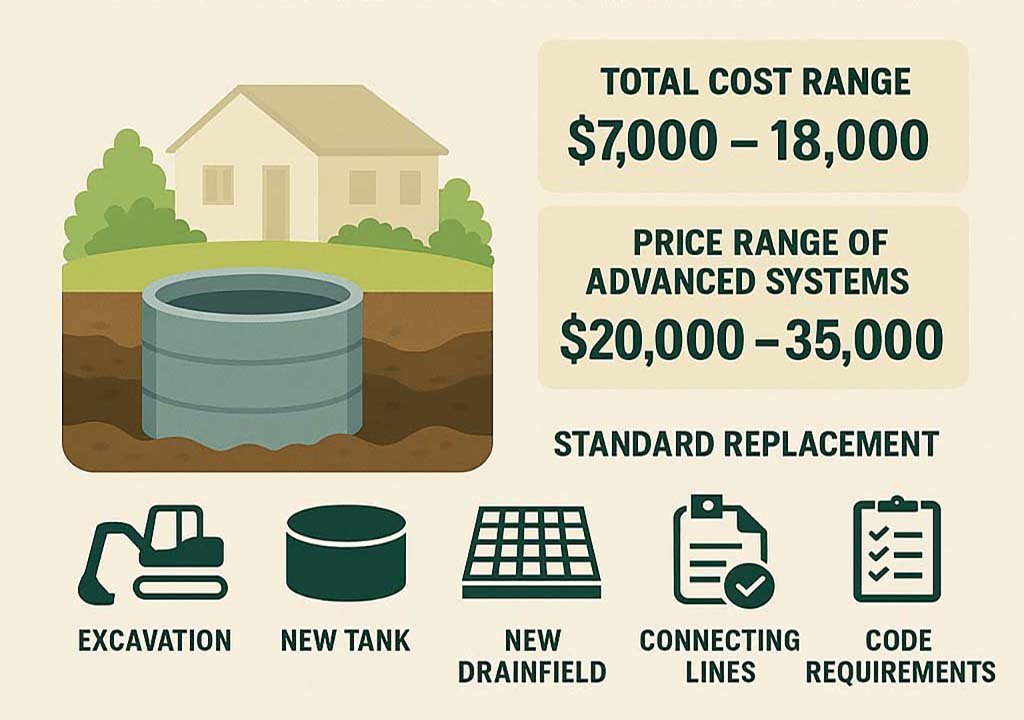
A complete septic system replacement can be a significant investment. Most homeowners spend between 7,000 and 18,000 dollars. Some advanced systems can reach 20,000 to 35,000 dollars. The exact cost depends on the size of the home, soil type, system design, and the work involved in removing the old system. The goal is to replace the system with something that performs reliably for decades.
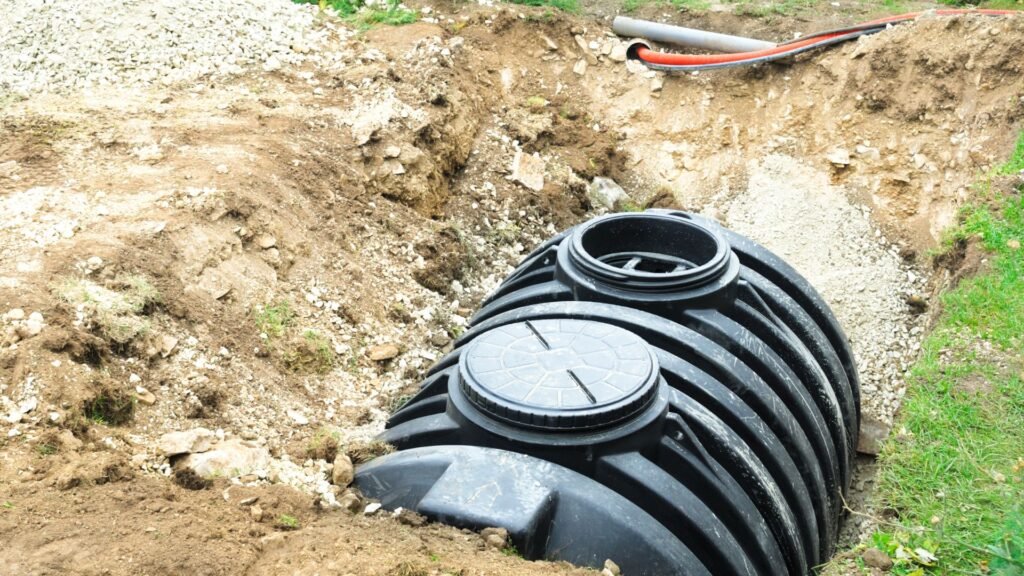
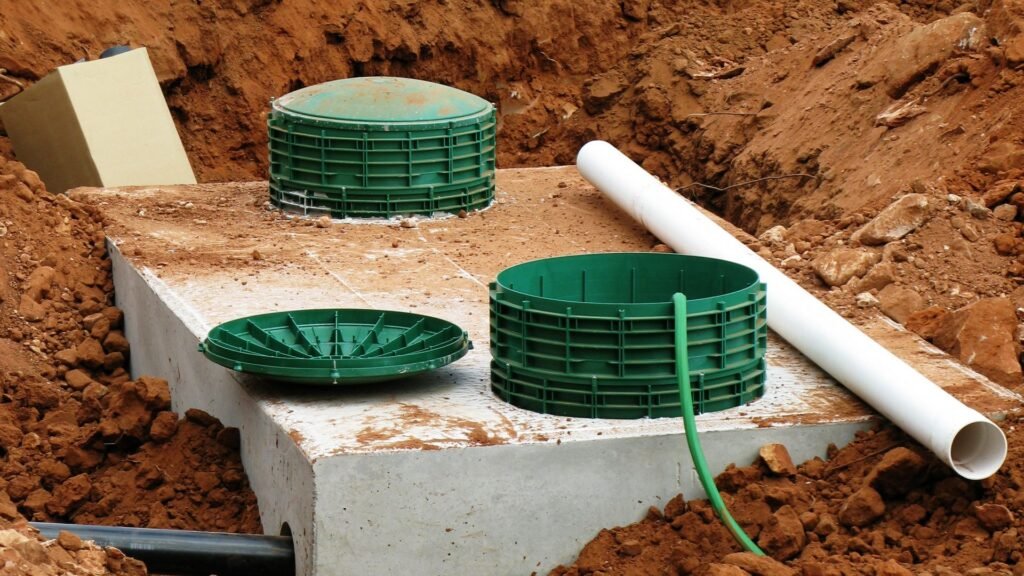
Before discussing each cost factor, it helps to understand what is included in a standard replacement. A full replacement usually involves removing or abandoning the old tank, excavating a new area, installing a new septic tank, building a new drainfield, connecting all lines, completing soil tests, and ensuring the system meets local code requirements. This level of work requires planning, equipment, and skilled labor. These elements create most of the cost.
Average Septic Replacement Cost Breakdown
The table below summarizes common cost ranges for standard and advanced septic system replacements.
| Component | Typical Cost Range | Notes |
|---|---|---|
| Soil testing and permits | 500 to 2,000 dollars | Required before design approval |
| Septic tank (concrete or plastic) | 1,200 to 3,500 dollars | Depends on size and material |
| Drainfield installation | 3,000 to 10,000 dollars | Soil type heavily influences cost |
| Excavation and labor | 2,000 to 6,000 dollars | Labor intensity varies by site |
| Advanced treatment units | 8,000 to 20,000 dollars | Required in some jurisdictions |
| Full system replacement | 7,000 to 18,000 dollars | Standard systems |
| Complex or engineered systems | 20,000 to 35,000 dollars | Used in poor soil or tight lots |
These numbers reflect typical residential jobs. Commercial or industrial systems can cost significantly more due to larger tank sizes and stricter requirements.
Factors That Influence Septic System Replacement Cost
Soil and Drainfield Conditions
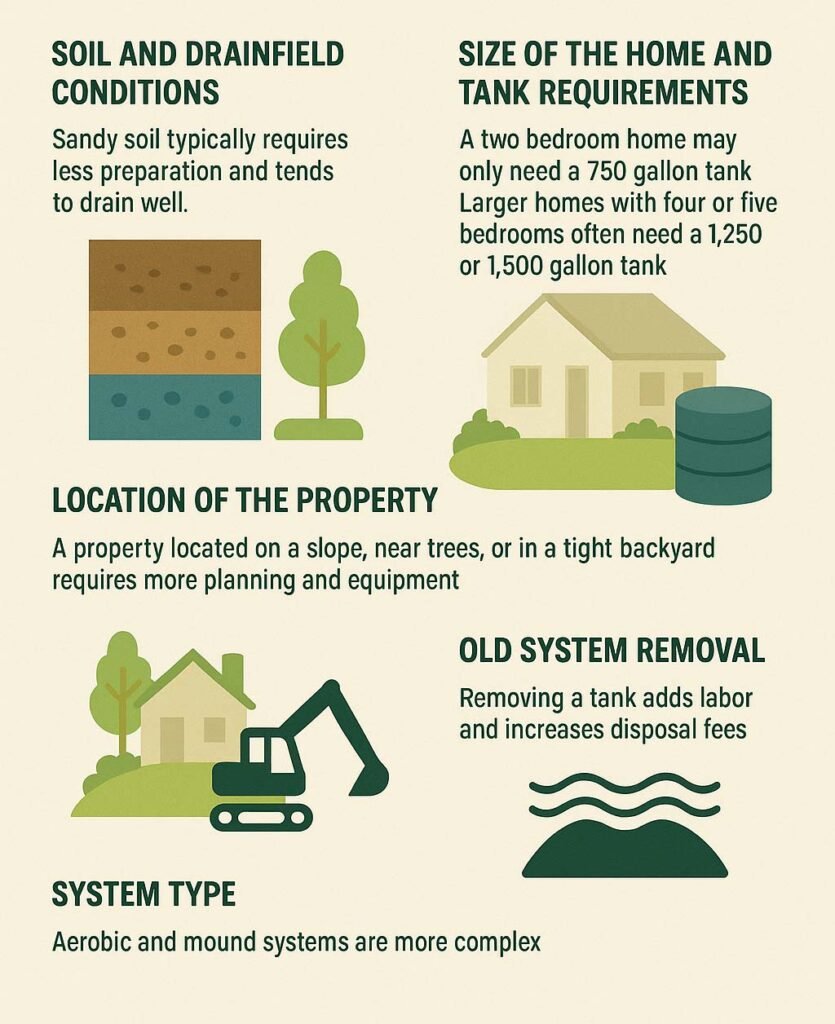
Soil quality influences the design and cost of your new septic system. Sandy soil typically requires less preparation and tends to drain well. Clay-based soils drain poorly and may require engineered solutions. If the soil percolation rate is low, the installer may need to design a mound system or an aerobic treatment unit.
I have installed systems in areas with dense clay where the drainfield had to be replaced with a raised bed. This type of project usually increases cost by several thousand dollars because it involves importing material and building a structured system above ground.
Size of the Home and Tank Requirements
The number of bedrooms determines the required tank size. A two bedroom home may only need a 750 gallon tank. Larger homes with four or five bedrooms often need a 1,250 or 1,500 gallon tank. Larger tanks cost more and require more excavation time.
Location of the Property
A property located on a slope, near trees, or in a tight backyard requires more planning and equipment. Accessibility affects cost because the installer may need to bring in smaller machines or hand dig certain areas. Homes located in areas with strict regulations may also pay more due to increased permitting or engineering requirements.
Old System Removal
Some municipalities require that the old tank be pumped, crushed, or filled before abandoning it. Others may require complete removal. Removing a tank adds labor and increases disposal fees. In many jobs I handle, removing an old concrete tank can add 1,000 to 2,500 dollars to the overall cost.
System Type
Standard gravity systems are the most affordable. Aerobic and mound systems are more complex and have higher price ranges. A replacement involving an advanced treatment system offers better environmental protection but costs more to install.
When a Septic System Replacement Is Necessary
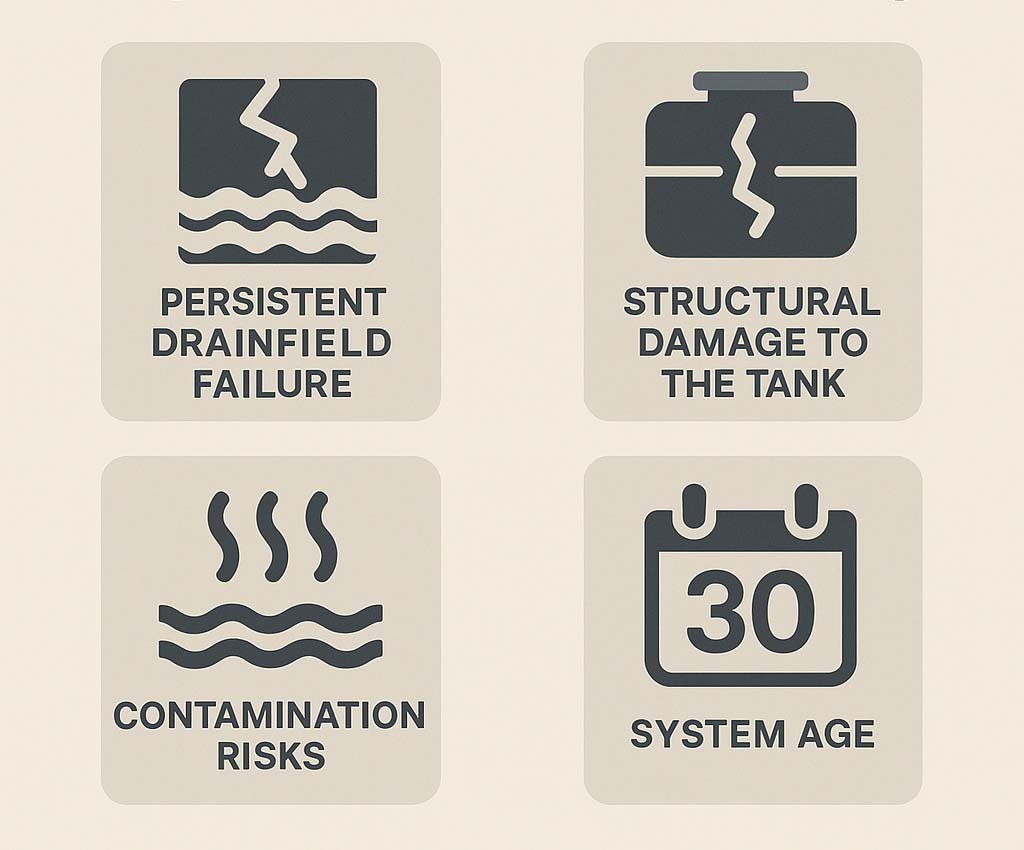
A system does not always need replacement at the first sign of issues. However, certain conditions almost always lead to replacement:
Persistent Drainfield Failure
If the drainfield becomes saturated or collapses, repairs are usually not effective. Drainfield failure often creates standing water, odors, and frequent backups.
Structural Damage to the Tank
Cracks in concrete tanks, collapsed baffles, or tank wall separation often require full tank replacement.
Contamination Risks
If wastewater is surfacing or running into nearby water sources, replacement becomes necessary due to health and safety risks.
System Age
Most septic systems last 20 to 30 years. Systems older than this often fail due to natural material breakdown.
I often explain to homeowners that replacement is not always a sign of poor maintenance. Many systems simply reach the end of their lifespan.
What to Expect During the Replacement Process
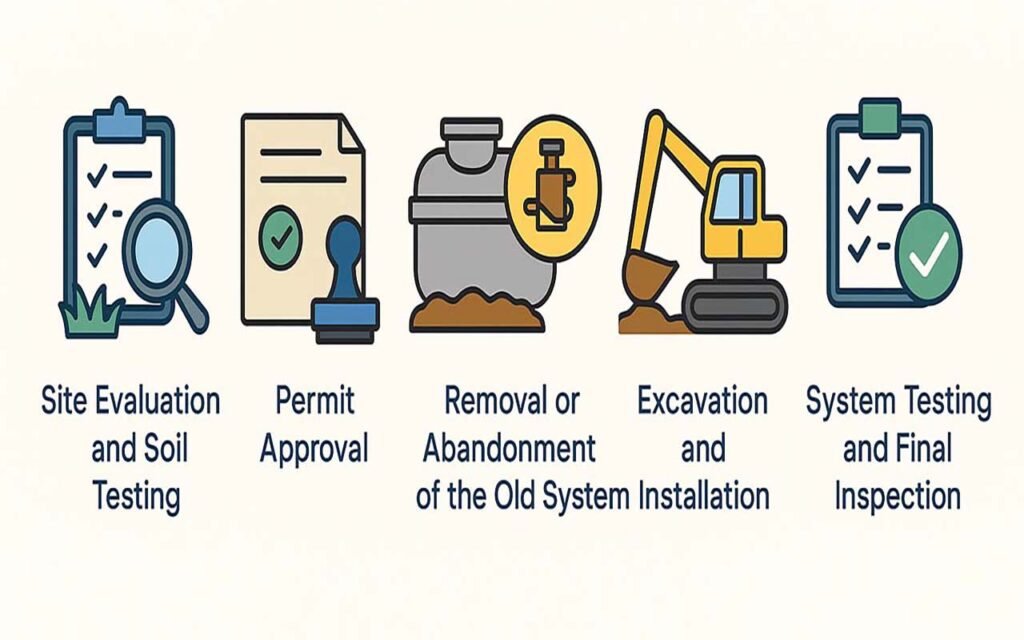
Replacing a septic system involves several steps. Understanding the process helps you plan your budget and timeline.
1. Site Evaluation and Soil Testing
A soil test determines how well wastewater can drain. This test guides the design of your new system. It usually takes one to two days depending on scheduling and soil conditions.
2. Permit Approval
Most counties require permits before work begins. Approval can take three to ten business days.
3. Removal or Abandonment of the Old System
The crew pumps the tank, crushes or removes it, and prepares the site for excavation.
4. Excavation and Installation
The contractor excavates the new location, installs the tank, lays the drainfield pipes or chambers, and backfills the area. This step usually takes two to four days.
5. System Testing and Final Inspection
Before covering the system, the installer completes performance checks. After that, the county inspector reviews the system and signs off on it.
Real World Example
A homeowner in a rural area recently contacted us about recurring sewage backups. The home had an older 900 gallon concrete tank and a failing drainfield. Soil tests showed that the clay in the area was too dense for a standard system. The project required installing a raised mound system.
The final cost reached about 22,000 dollars. The homeowner was surprised at first, but after reviewing the soil conditions and the design requirements, the cost made sense. The new system now functions well and meets local environmental standards.
Expert Insights
From years of septic installation work, I have seen how early intervention reduces long term expense. Homeowners who schedule routine inspections can usually repair small issues before they lead to system failure. Pumping the tank every three to five years helps extend the lifespan of the entire system.
In my professional opinion, one of the best investments homeowners can make is a detailed inspection before buying a home with a septic system. Many buyers inherit expensive problems because the system was never examined properly.
How to Lower Your Septic Replacement Cost
Here are a few ways homeowners can reduce costs without sacrificing quality.
Compare system types when soil conditions allow
Gravity systems are the most affordable. If your soil supports this design, you can save several thousand dollars.
Maintain your current system
Routine pumping can delay the need for replacement.
Choose an experienced installer
Experienced contractors reduce mistakes and prevent redesign fees.
Plan ahead
Emergency replacements often cost more because they require rapid scheduling.
Frequently Asked Questions
How long does a septic replacement take
Most replacements take three to five days once work begins. Permitting time may extend the total timeline.
How long does a new septic system last
Most systems last 20 to 30 years with proper maintenance.
Can I replace only the tank
In some cases, yes. However, if the drainfield fails, the entire system may need replacement.
Do advanced systems cost more
Yes. Aerobic systems, mound systems, and other engineered units cost more due to added components and monitoring requirements.
Conclusion
Understanding septic system replacement cost helps you plan for one of the largest expenses associated with septic ownership. Costs range widely based on soil conditions, home size, system design, and installation requirements. A well designed and properly installed system provides decades of dependable performance.
If you suspect your system is failing or want an expert opinion, we can assess your property and explain your options clearly. A timely inspection can protect your home, your budget, and your long term peace of mind.