Homeowners often ask, “How long does it take to install a septic system?” The answer depends on several key factors, including property conditions, local permitting, soil type, and the complexity of the design. In general, most standard septic system installations take from 3 to 10 days, but timelines can vary depending on your site and system type.
This guide is designed for homeowners planning a new septic installation or replacement. We’ll explain what affects installation time, how to prepare your property, and what to expect during each stage of the process. You’ll also learn valuable tips to avoid costly delays and ensure your project runs smoothly from start to finish.
Average Timeline: How Long Does It Take to Install a Septic System

For most residential properties, septic system installation follows a four-step process: design, permitting, excavation, and system setup. Each stage contributes to the total timeline.
| Installation Stage | Typical Duration | Description |
|---|---|---|
| Site Evaluation & Design | 1–3 days | A professional inspects your property, performs a soil test, and designs a system suited to your land and water table. |
| Permitting & Approval | 2–10 days | Local county or municipal authorities review your system design and issue necessary permits. |
| Excavation & Tank Installation | 1–3 days | Heavy equipment is used to excavate the tank pit and trenches for pipes and drain field lines. |
| Final Connections & Inspection | 1–2 days | Technicians connect the house plumbing, test flow, and complete final inspections before covering the system. |
Most installations can be completed within a week, provided permits and inspections proceed without delay. However, weather, soil conditions, and scheduling with your installer can extend the timeline. Our team specializes in durable septic risers installations that improve access for pumping and inspections while enhancing safety.
Key Factors That Affect How Long It Takes to Install a Septic System
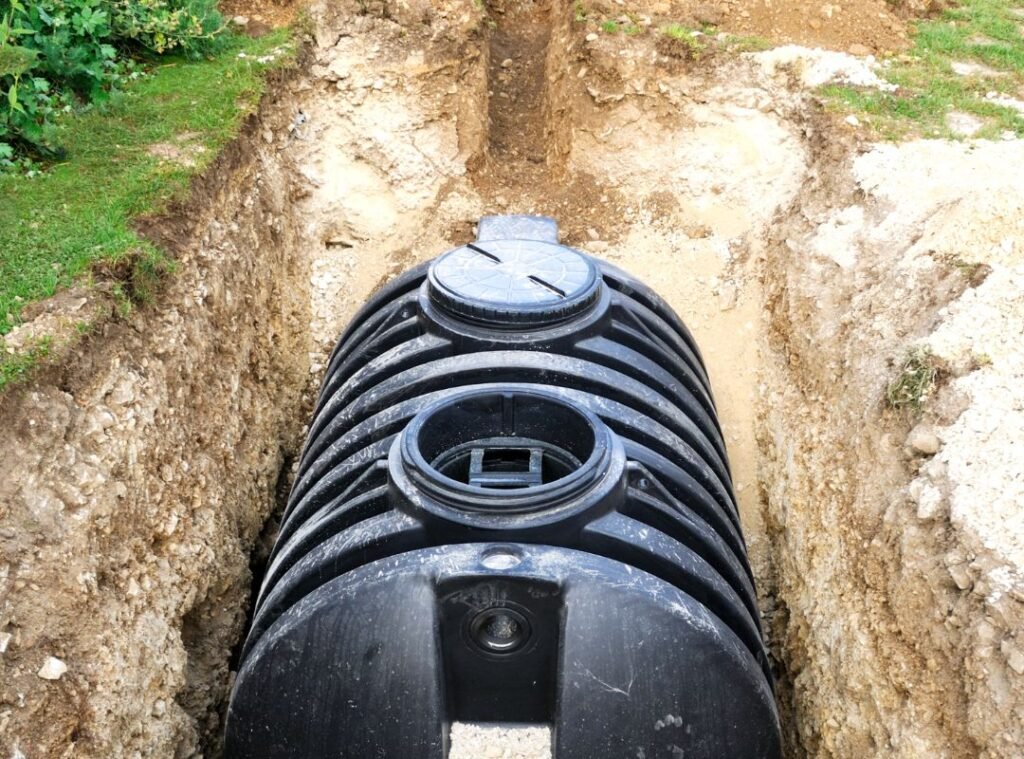
Every property is different, and several elements influence the total installation time.
1. Soil and Site Conditions
The type of soil on your property plays a huge role in determining installation difficulty and speed. Sandy or loamy soils drain well and are easier to excavate, while clay or rocky soils require more time, specialized equipment, and reinforcement.
If the soil fails a percolation test (meaning it doesn’t absorb water properly), you may need an engineered or aerobic system which can add several days to your project timeline.
2. Weather and Season
Heavy rain can delay excavation and backfilling, as saturated soil increases the risk of trench collapse and makes it unsafe to operate machinery. Ideal installation conditions occur during dry, moderate weather, which allows faster progress and ensures better system stability.
3. Permitting and Local Regulations
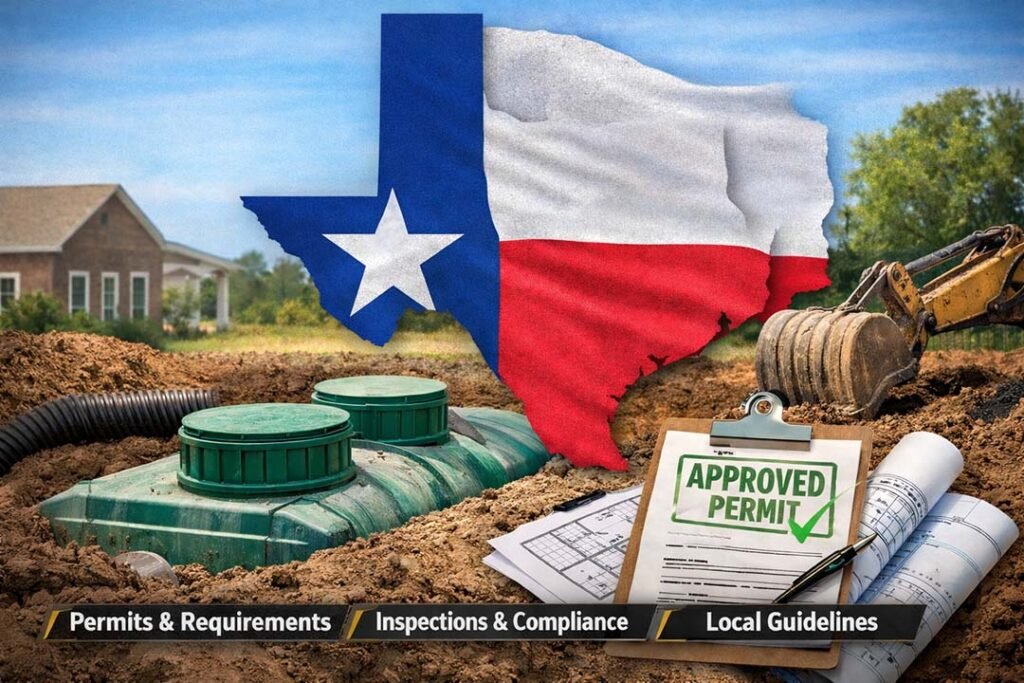
Before work begins, you’ll need approval from your local health department or environmental agency. In some counties, permits are processed within 2–3 days, while others can take a week or more. Working with a professional installer like Dillon Septic, who understands local regulations in Spring Branch and surrounding Texas areas, can prevent unnecessary holdups.
4. System Type and Design Complexity
Traditional gravity-fed systems are generally quicker to install than advanced aerobic or mound systems. A complex design requiring multiple tanks, pumps, or elevation adjustments can add a few days to the timeline.
5. Accessibility and Property Layout
If your property has steep terrain, dense vegetation, or limited equipment access, excavation and placement will take longer. Clearing the work area before installation can speed things up significantly.
Step-by-Step Process of Septic System Installation
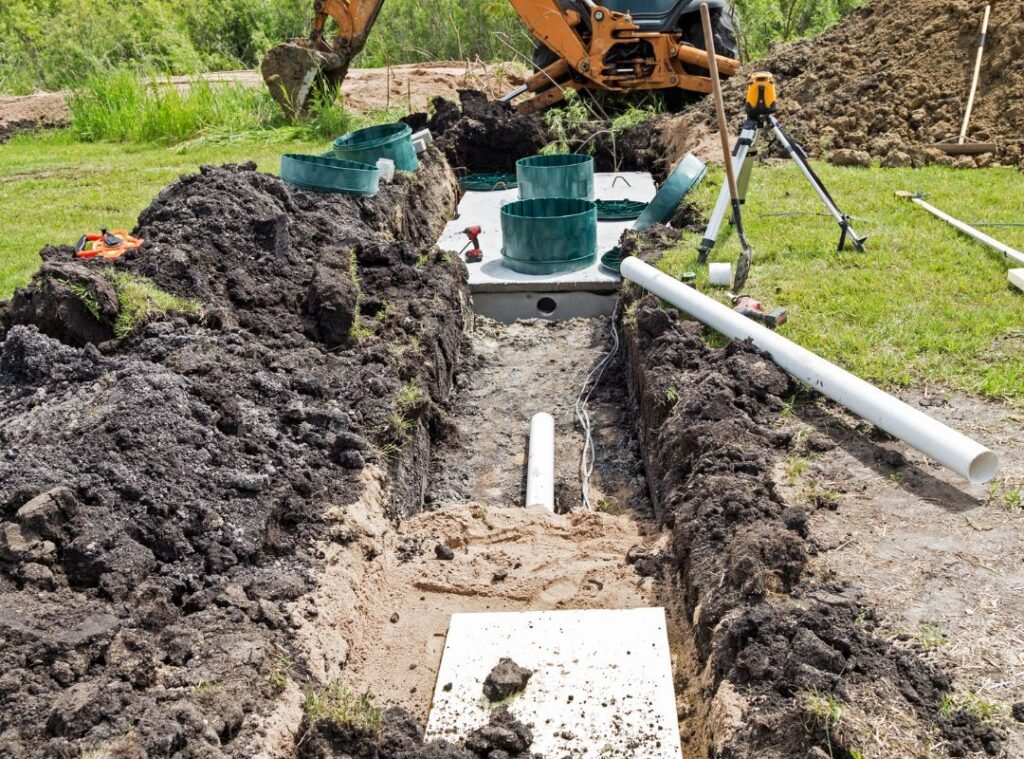
1. Site Evaluation and Soil Testing
The first step in determining how long does it take to install a septic system is the site evaluation. Professionals will perform soil tests to assess percolation rate and groundwater depth. This phase ensures your system is designed to handle your household’s wastewater safely and efficiently.
2. System Design and Permitting
After testing, a system layout is drafted according to local regulations and soil data. Your installer submits it for approval, and once the permit is issued, installation can begin. Delays at this stage are usually administrative hiring an experienced contractor helps navigate this quickly.
3. Excavation and Tank Installation
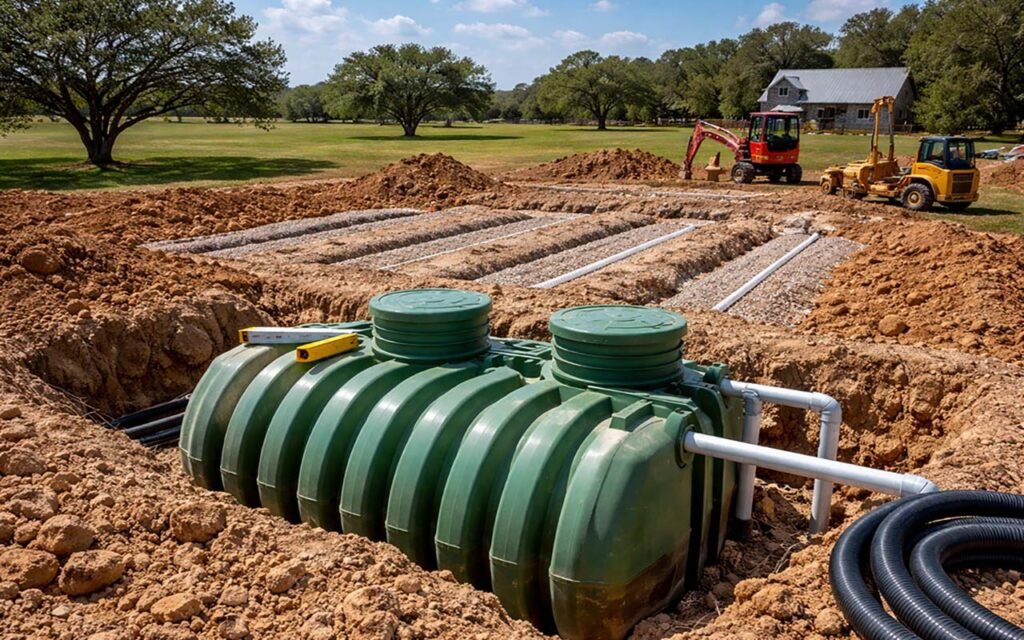
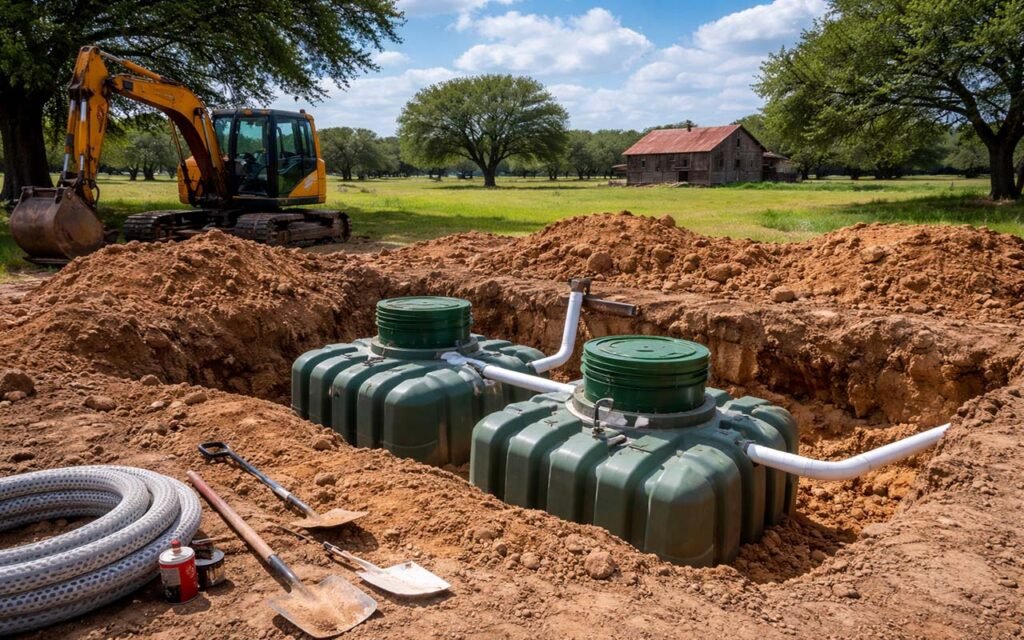
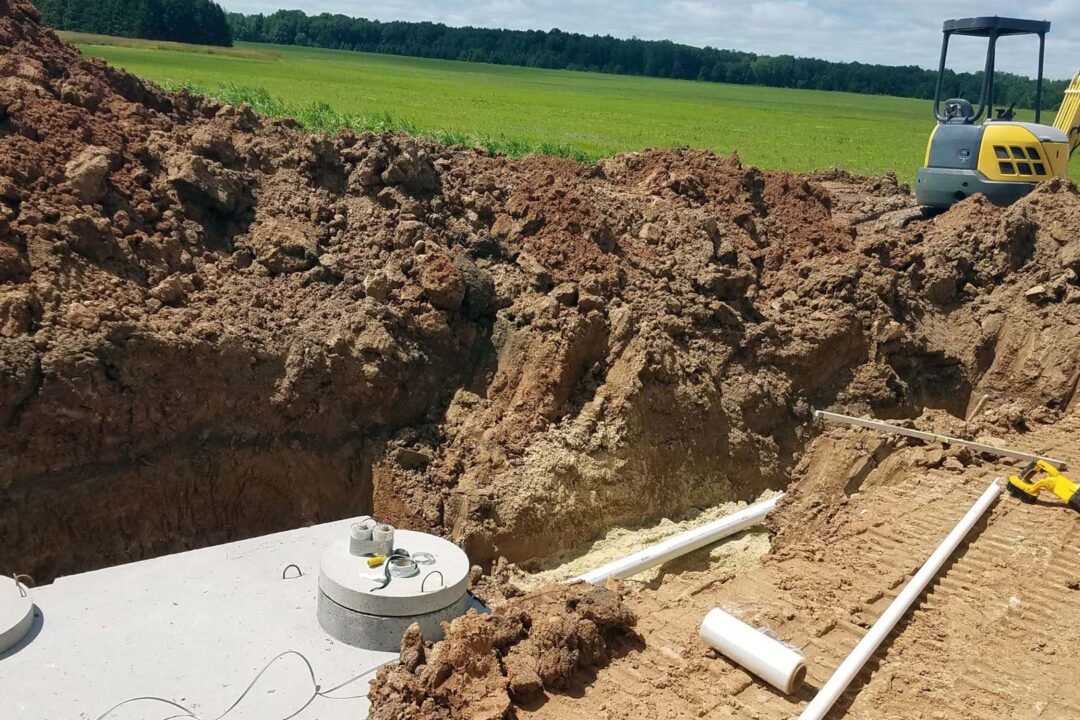
Excavation begins once permits are approved. The tank pit, distribution box, and drain field trenches are dug. The septic tank (concrete, fiberglass, or plastic) is then carefully placed, leveled, and connected to inlet and outlet pipes. This stage generally takes 1 to 3 days.
4. Drain Field Construction
Drain field lines are installed using perforated pipes and gravel or chamber systems that allow wastewater to filter into the soil. The area is then covered with soil and graded for proper drainage.
5. Final Inspection and Backfilling
Once everything is connected, your installer schedules a final inspection with local authorities to verify compliance. After approval, the trenches are backfilled and the system is ready for use.
Common Delays That Extend Installation Time
While most installations go smoothly, certain factors can cause unexpected delays:
- Permit processing backlogs at local offices
- Unfavorable soil test results requiring redesign
- Unexpected underground obstructions like rock or old foundations
- Weather-related interruptions (rain or flooding)
- Inspection scheduling delays due to local availability
Partnering with an experienced local company like Dillon Septic ensures these issues are handled quickly, keeping your project on track.
How to Prepare Your Property for Septic Installation
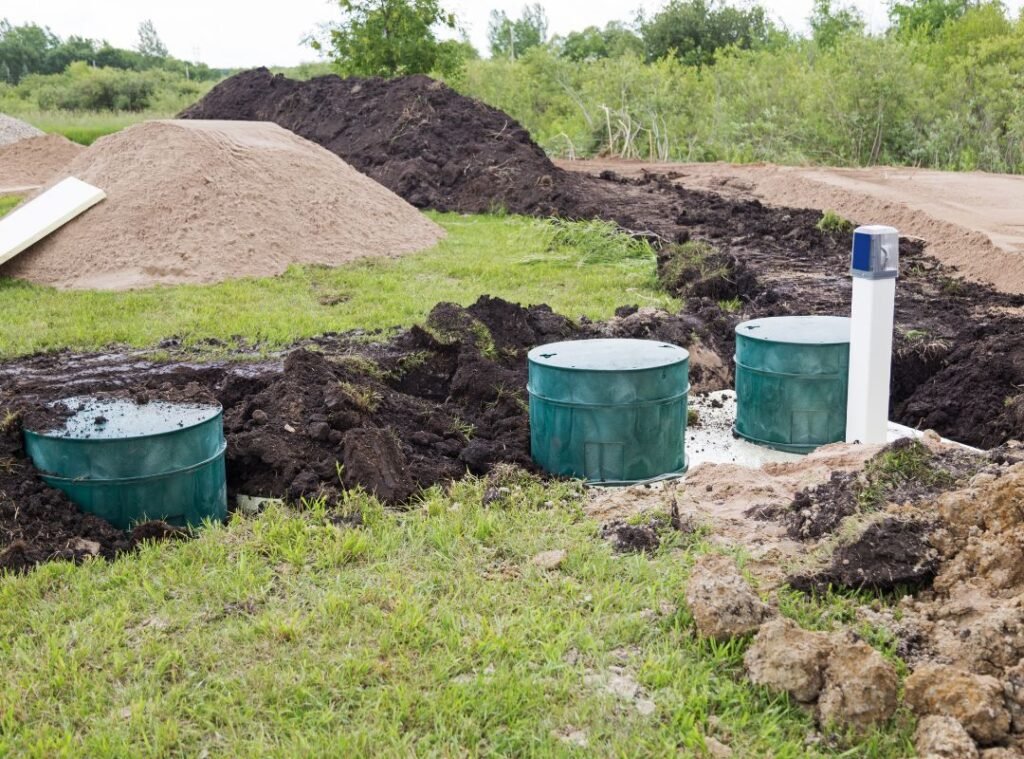
You can help speed up the process with a few simple steps before your installation date:
- Clear the installation area of trees, stumps, or debris.
- Mark underground utilities such as water, gas, or electric lines.
- Provide access for heavy equipment, ensuring driveways or paths can support machinery.
- Plan ahead for inspections by coordinating with your installer.
These preparations save valuable time and reduce the risk of damage or unexpected project costs.
Cost and Time Relationship in Septic Installation
While homeowners often focus on cost, time and money are directly related. Rushed installations can lead to costly repairs down the line, while professional, well-planned projects last decades. On average:
| System Type | Installation Time | Average Cost Range |
|---|---|---|
| Conventional Gravity System | 3–5 days | $3,000–$7,000 |
| Aerobic Treatment Unit | 5–8 days | $7,000–$12,000 |
| Mound System | 7–10 days | $10,000–$15,000 |
| Engineered System | 8–12 days | $12,000–$20,000 |
Investing the right time and budget upfront ensures your septic system performs efficiently and safely for decades.
Tips for a Smooth Septic Installation Experience
- Hire a licensed, insured installer with local experience.
- Confirm your installer handles permits and soil testing.
- Schedule installation during a dry weather window.
- Keep communication open with your contractor for updates.
- Ask about warranties and maintenance plans post-installation.
With Dillon Septic, you get professional service from start to finish from design to final inspection ensuring your new system meets all regulations and performs flawlessly.
Conclusion
So, how long does it take to install a septic system? For most homeowners, expect about one week from excavation to final inspection assuming permits, weather, and soil conditions cooperate. However, each property is unique, and working with a skilled local contractor can make all the difference.
At Dillon Septic, we handle everything design, permitting, septic installation, and inspection ensuring your system is built to last and compliant with local codes. Whether you’re installing a new system or replacing an old one, we’ll get the job done efficiently, safely, and to the highest professional standards.