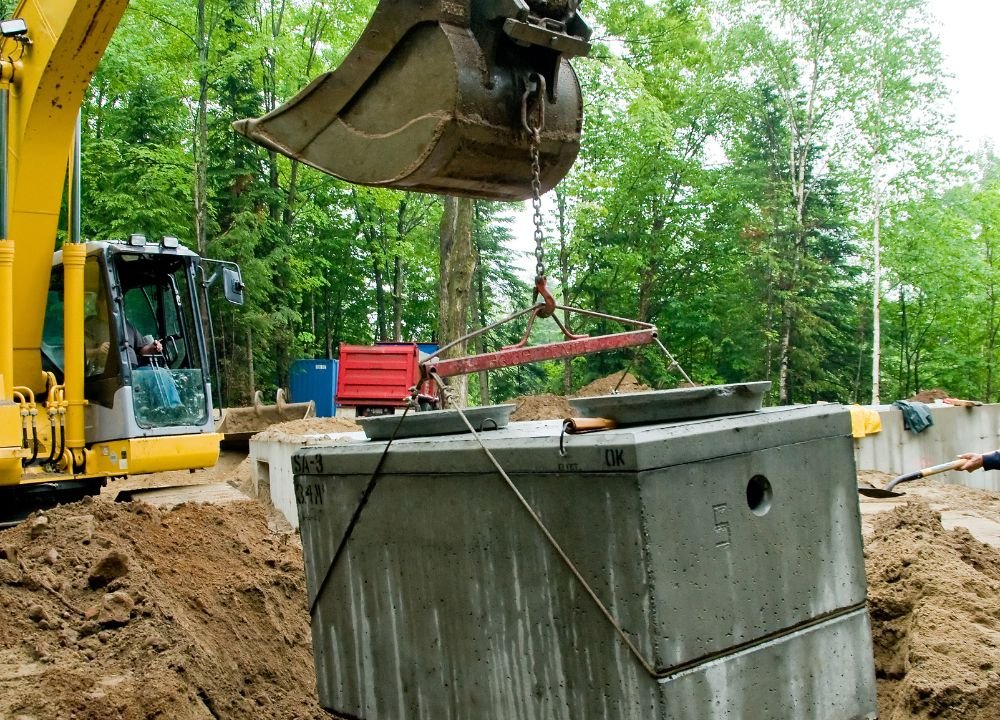
Homeowners planning a new septic system often ask how much does it cost to install a septic tank before moving forward with construction or replacement. Septic installation is a major investment, and costs can vary widely depending on site conditions, system type, and local regulations. Understanding what goes into the total price helps homeowners plan their budget and avoid surprises during the installation process.
The cost of installing a septic tank includes more than just the tank itself. Excavation, soil conditions, permits, labor, and system design all play a role. This guide breaks down average costs, explains what affects pricing, and provides practical insight based on real world septic installation experience.
Table of Contents
Average Cost to Install a Septic Tank
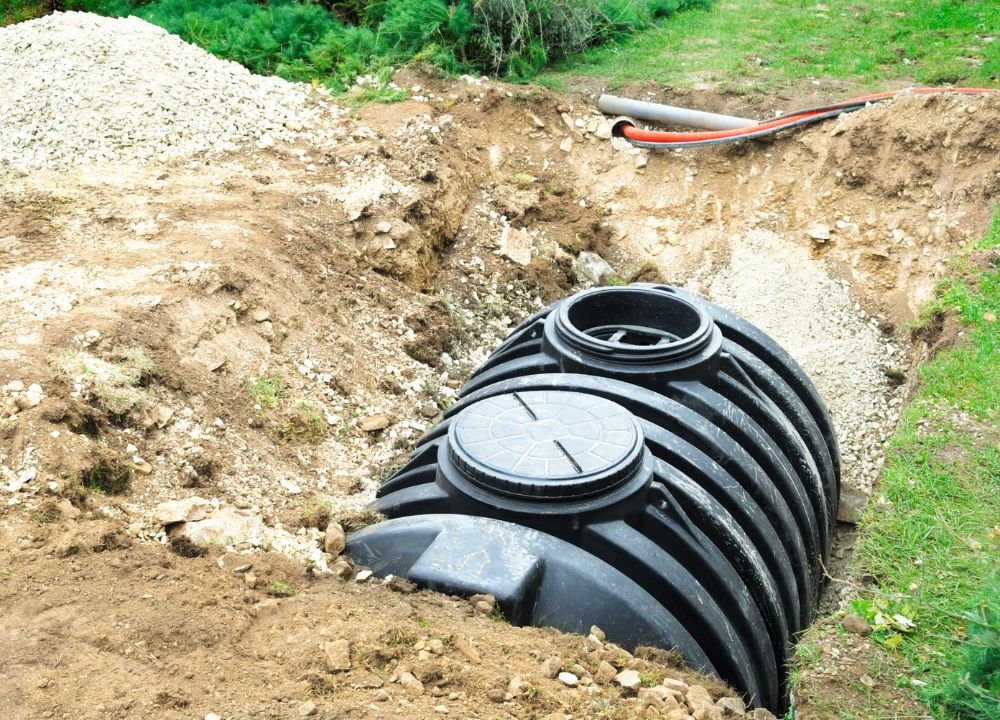
In most areas, the average cost to install a septic tank ranges between $6,000 and $15,000 for a complete system. Smaller, straightforward installations fall at the lower end, while complex or engineered systems cost more.
Typical national cost ranges include
- Basic gravity system: $6,000 to $9,000
- Standard residential system: $8,000 to $12,000
- Aerobic or advanced system: $12,000 to $15,000 or more
These figures reflect full installation including excavation, tank placement, drainfield, and inspections.
Septic installation prices vary significantly by state and local ground conditions. Texas homeowners can read our dedicated guide to the average cost to install a septic system in Texas for pricing based on Central Texas properties.
Table Showing Septic Installation Cost Breakdown
| Cost Component | Typical Range | What It Covers |
|---|---|---|
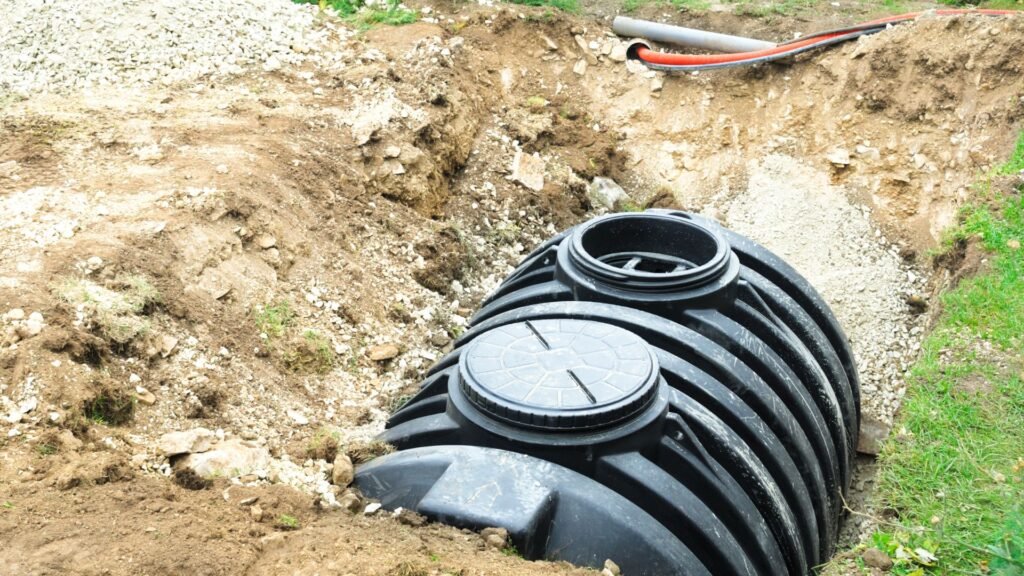
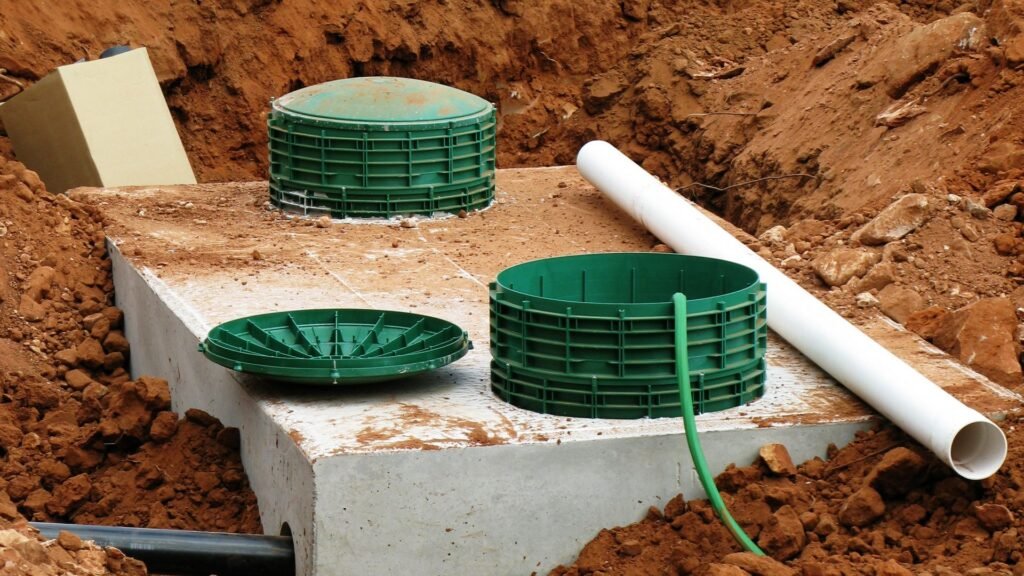
| Septic tank | $1,200 to $3,000 | Concrete, plastic, or fiberglass tank |
| Excavation and labor | $2,000 to $5,000 | Digging, grading, backfill |
| Drainfield installation | $2,000 to $6,000 | Trenches, pipe, gravel |
| Permits and inspections | $300 to $1,000 | Local approvals and testing |
| Soil testing and design | $500 to $2,000 | Perc test and system planning |
This table shows why pricing varies so much from property to property.
What Affects Septic Tank Installation Cost
Several factors influence how much a septic system costs to install. Every property presents unique challenges that impact labor time and materials.
The main cost factors include soil type, tank size, system design, location, and regulatory requirements.
Soil Type and Perc Test Results
Soil conditions have one of the biggest impacts on cost. Sandy soil drains well and allows for simpler drainfield designs. Clay soil drains slowly and often requires larger or engineered systems.
Rocky soil or shallow bedrock increases excavation time and equipment use. This raises labor costs and may require alternative system designs.
Perc testing determines how well soil absorbs water. Poor perc results often lead to higher installation costs.
Septic Tank Size and Household Needs
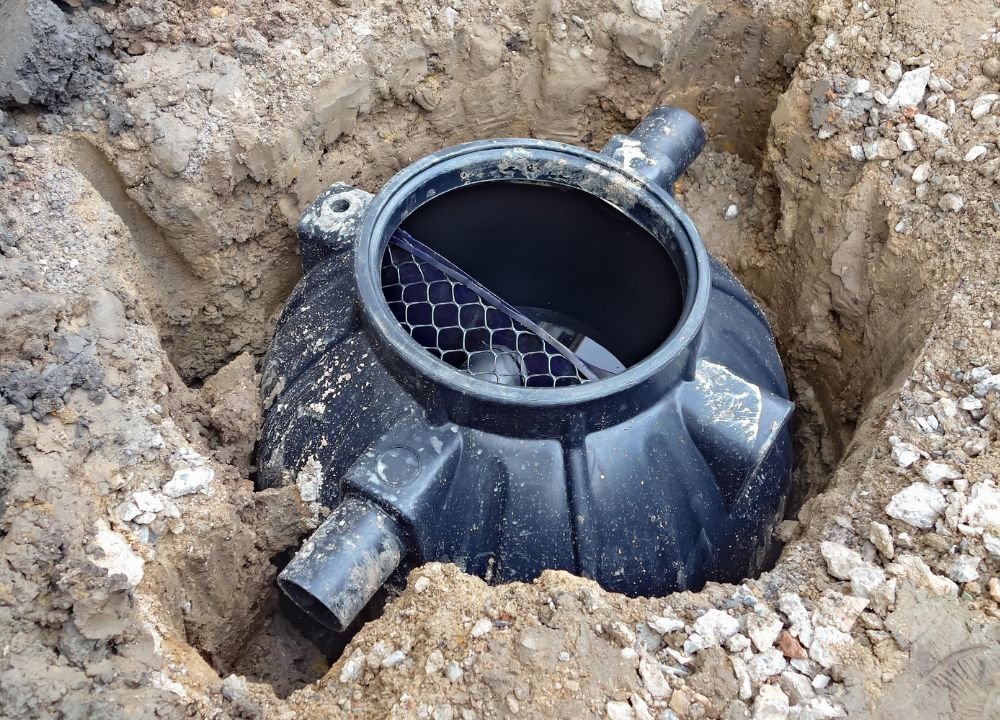
Tank size depends on the number of bedrooms and expected water usage. Larger homes require larger tanks and drainfields.
Common residential tank sizes include
- 1,000 gallon tank for small to medium homes
- 1,250 gallon tank for three to four bedrooms
- 1,500 gallon tank for larger households
Larger tanks cost more to purchase and install due to size and excavation requirements.
Septic System Type
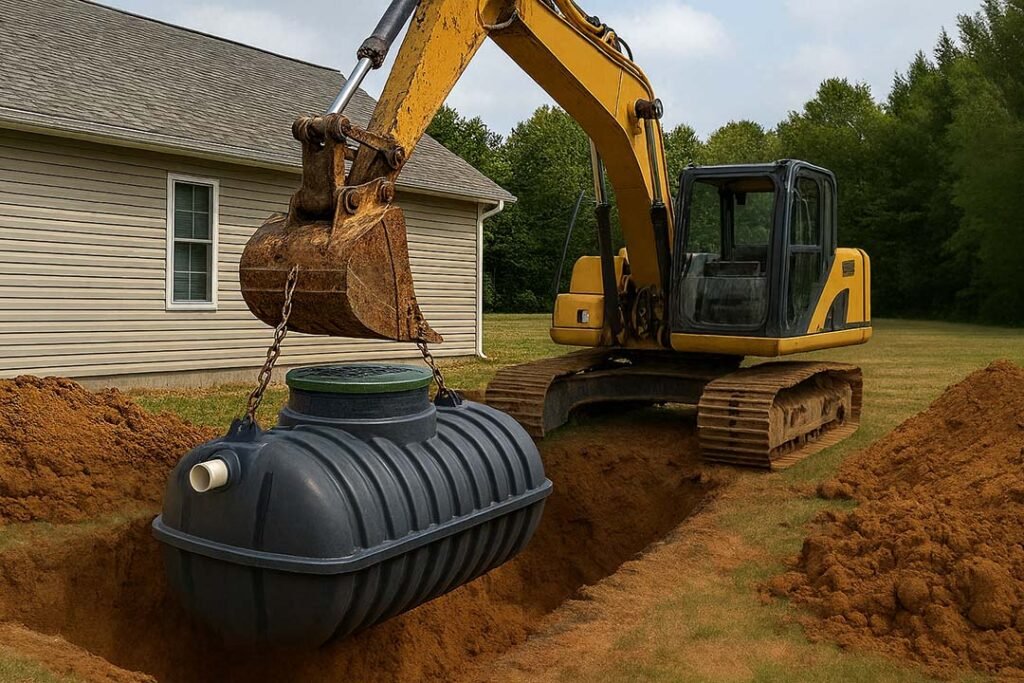
The type of system installed has a major impact on total cost.
Conventional Gravity Systems
These are the most affordable and common systems. They rely on gravity and suitable soil conditions.
Aerobic Treatment Systems
Aerobic systems use oxygen to break down waste and are common in areas with poor soil. They cost more due to added components and electrical requirements.
Alternative or Engineered Systems
Mound systems and drip irrigation systems are used when soil conditions are poor. These are among the most expensive options.
Location and Property Layout
Accessibility affects labor costs. Properties with steep slopes, limited access, or long distances from the home to the tank require more time and equipment.
Rural properties may cost less for permits but more for excavation. Urban or regulated areas may have higher permit and inspection fees.
Permit and Regulatory Costs
Local health departments require permits for septic installation. These permits ensure systems meet safety and environmental standards.
Permit costs vary by county and state. Some areas require multiple inspections throughout the installation process.
Failing to budget for permits can delay projects and increase total cost.
Real World Installation Examples
From field experience, a standard three bedroom home with good soil often falls near $8,500 for a complete installation. Homes with clay soil or high groundwater frequently exceed $12,000 due to additional design requirements.
In rocky areas, excavation costs alone can add several thousand dollars. These examples show why accurate site evaluation matters before pricing is finalized.
How Much Does It Cost to Install a Septic Tank in Rural Areas
Rural installations sometimes cost less due to fewer regulatory requirements. However, long driveways, uneven terrain, and lack of access can increase excavation time.
Rural systems may also require larger drainfields, which raises material and labor costs.
How Much Does It Cost to Install a Septic Tank in New Construction
Installing a septic system during new home construction is often more affordable than replacing an existing system. Equipment is already on site, and landscaping has not yet been completed.
New construction installations typically range from $6,000 to $10,000 depending on soil and system type.
Replacement Versus New Installation Cost
Replacing an old septic system often costs more than installing one on undeveloped land. Removal of old tanks, soil remediation, and system upgrades increase labor and material costs.
Replacement projects frequently range from $9,000 to $15,000 or more.
Long Term Costs to Consider
Installation cost is only part of the overall expense of owning a septic system.
Ongoing costs include
- Pumping every three to five years at $300 to $600
- Electrical use for aerobic systems
- Occasional repairs or component replacement
Proper installation reduces long term maintenance expenses.
Cost Saving Tips for Homeowners
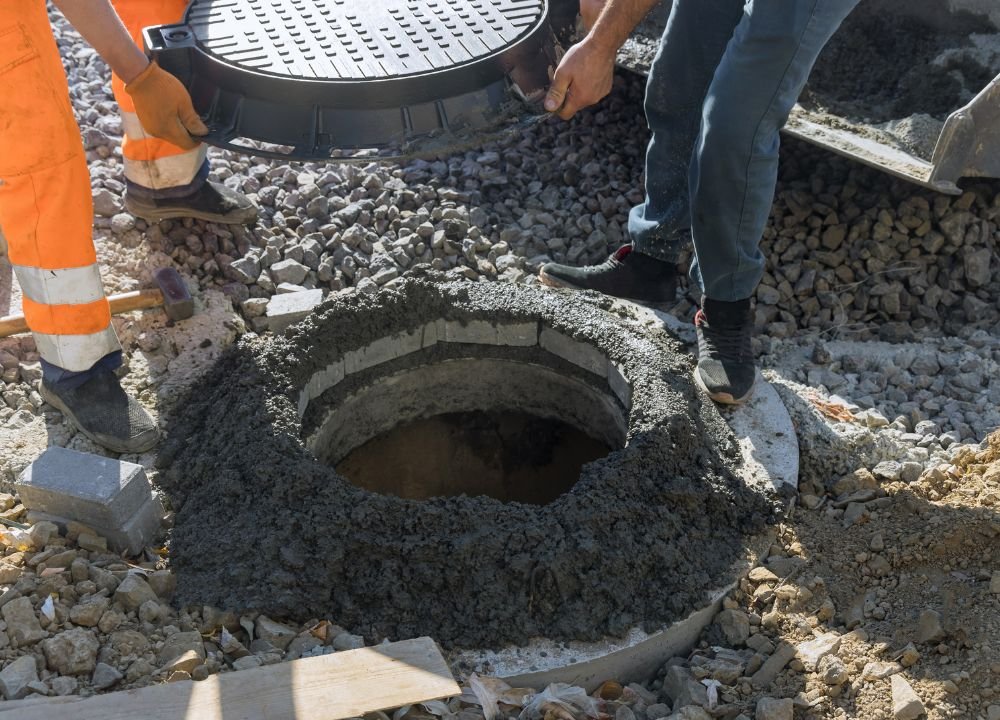
There are ways to manage septic installation costs without cutting corners.
Helpful strategies include
- Completing soil tests early
- Choosing the simplest system allowed by code
- Installing during dry seasons
- Avoiding unnecessary landscaping before installation
Working with an experienced installer prevents costly mistakes.
Expert Insight on Septic Installation Pricing
Experienced installers focus on long term performance rather than short term savings. A system installed correctly the first time prevents drainfield failure, backups, and expensive repairs.
From field observation, the cheapest quote often leads to higher costs later due to poor design or shortcuts.
Frequently Asked Questions
How much does it cost to install a septic tank on average
Most homeowners spend between six thousand and fifteen thousand dollars to install a septic tank. The final cost depends on soil conditions, system type, tank size, and local permit requirements.
What factors increase septic tank installation cost
Costs increase when soil drains poorly, bedrock is shallow, or an aerobic or engineered system is required. Long excavation distances, steep slopes, and high groundwater levels also raise installation costs.
Is septic installation cheaper for new construction
Yes. Septic installation during new home construction is often less expensive because equipment is already on site and there is no need to remove an old system. New construction installations usually cost less than replacements.
Does soil testing affect septic installation cost
Soil testing directly affects cost because it determines what type of system is allowed. Poor soil conditions often require larger or alternative systems, which increases total installation cost.
Can septic installation cost be reduced
Costs can be managed by completing soil tests early, choosing the simplest system allowed by code, and working with an experienced installer who avoids design mistakes.
Conclusion
Understanding how much does it cost to install a septic tank helps homeowners plan accurately and avoid unexpected expenses. Most installations fall between $6,000 and $15,000 depending on soil conditions, system type, and property layout. Proper site evaluation, permitting, and professional installation ensure long term system performance and protect your investment.