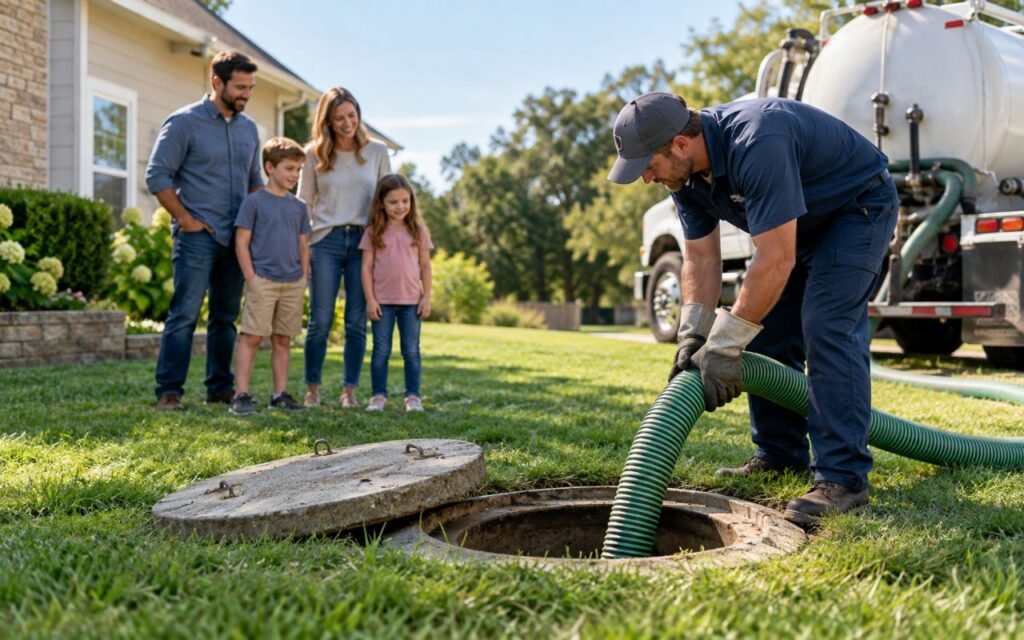
If your home is not connected to a municipal sewer system, wastewater treatment happens on your property. Many homeowners ask what is a septic tank and how it manages household waste safely. A septic tank is a critical part of an onsite wastewater system designed to collect, separate, and treat waste before it returns to the soil.
From years of field experience, we see that homeowners who understand their septic system make better maintenance decisions and avoid costly emergencies. This guide explains septic tanks clearly, using real-world insight and practical details.
What Is a Septic Tank
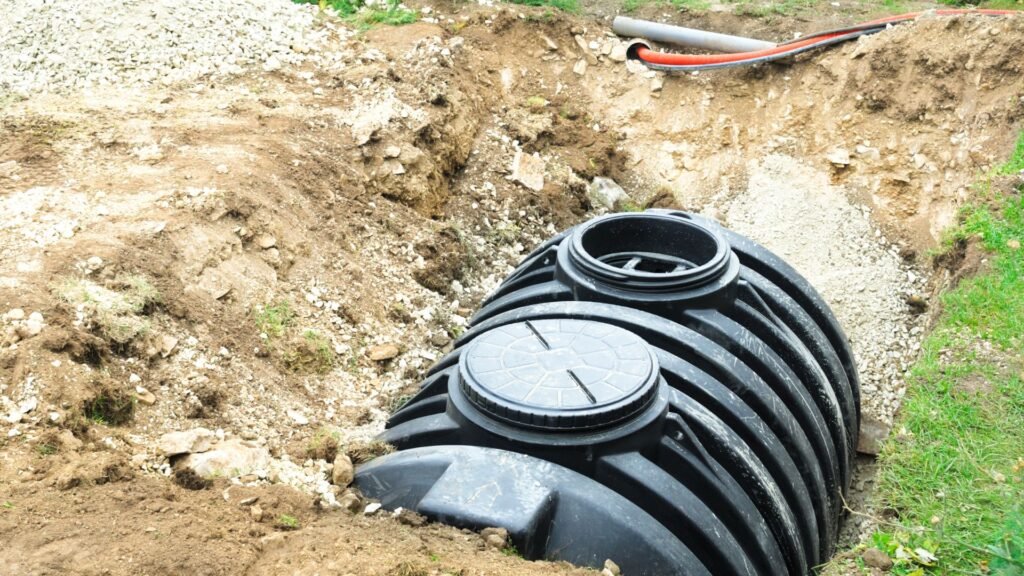
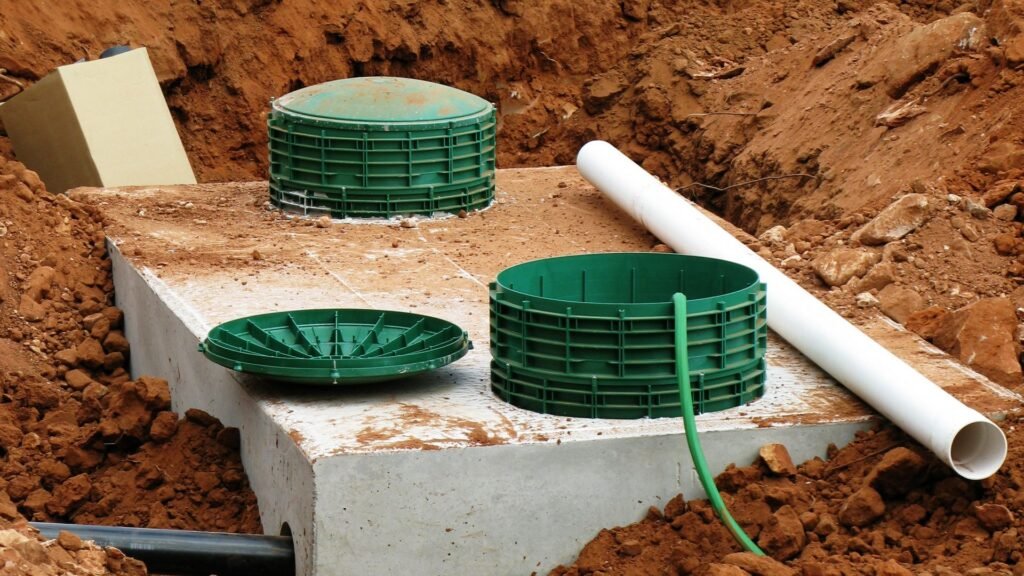
A septic tank is an underground, watertight container that receives wastewater from a home. It is usually made of concrete, fiberglass, or polyethylene and is designed to hold waste long enough for solids and liquids to separate.
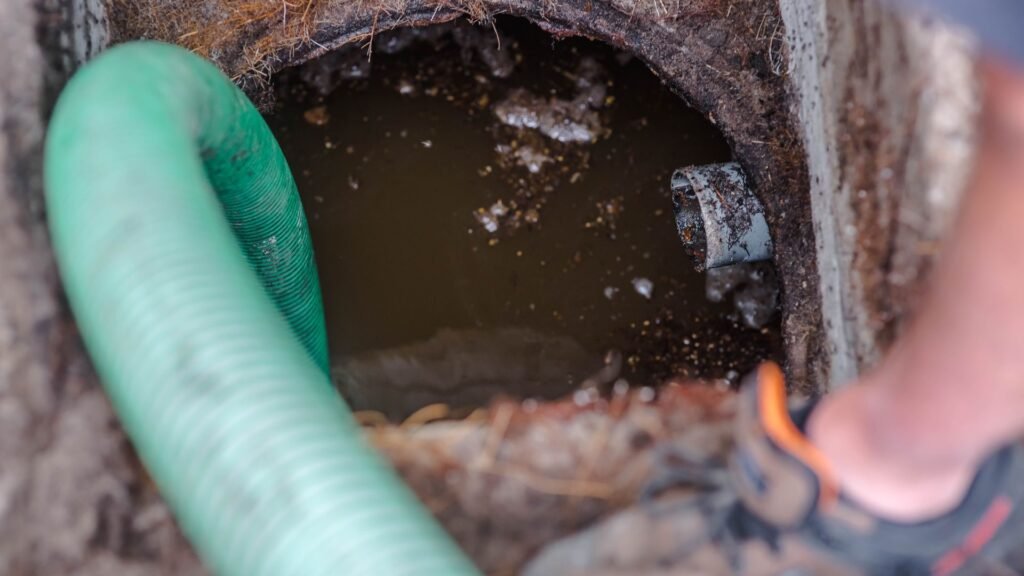
Inside the tank, heavier solids settle at the bottom to form sludge. Oils and grease float to the top, creating a scum layer. The liquid between these layers flows out to the drain field for further treatment by the soil.
This simple process protects groundwater and prevents raw sewage from reaching the surface.
How a Septic Tank System Works
Understanding how a septic tank functions helps explain why proper use and maintenance matter.
The process typically follows these steps:
- Wastewater flows from the home into the septic tank
- Solids settle while lighter materials float
- Bacteria begin breaking down organic matter
- Clarified liquid exits the tank into the drain field
- Soil filters and treats the remaining contaminants
In real-world conditions, this process depends heavily on water usage habits and regular pumping. Excess water or neglect can disrupt separation and cause system failure.
Main Components of a Septic System
A septic tank is only one part of a larger system. Each component plays a specific role.
Septic tank
Holds and separates wastewater solids and liquids.
Inlet and outlet pipes
Control the flow of wastewater into and out of the tank.
Baffles or tees
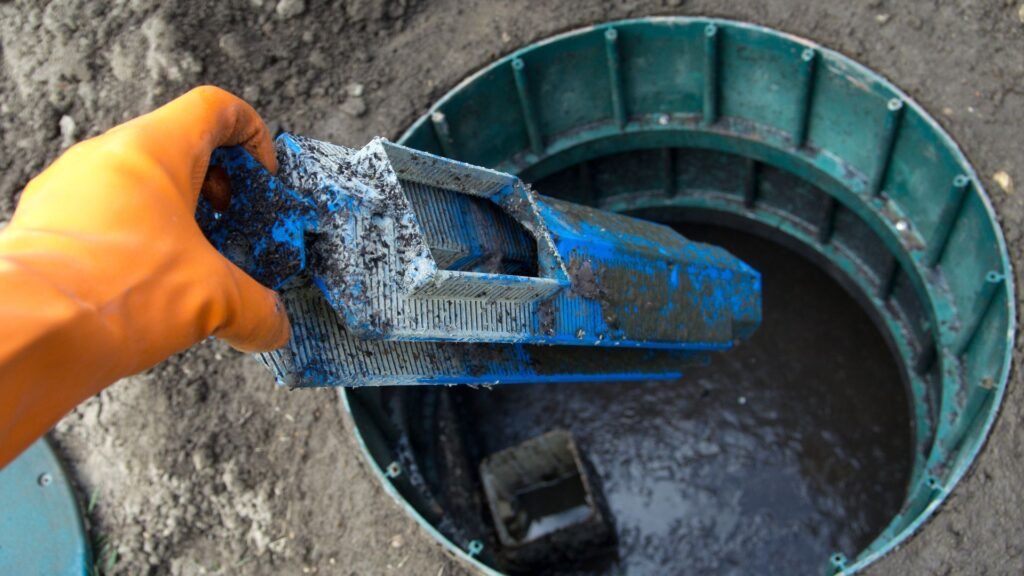
Prevent solids and scum from leaving the tank prematurely.
Drain field
Distributes treated liquid into the soil for final filtration.
Soil
Acts as a natural filter that removes bacteria and nutrients.
When one component fails, the entire system can be affected.
Types of Septic Tanks
Septic tanks come in several materials, each with advantages and limitations.
| Tank Material | Average Lifespan | Key Benefits | Common Concerns |
|---|---|---|---|
| Concrete | 30 to 40 years | Durable and heavy | Can crack if not maintained |
| Fiberglass | 25 to 30 years | Lightweight and corrosion-resistant | Can shift in saturated soil |
| Plastic | 20 to 25 years | Affordable and easy to install | Less structural strength |
From field experience, concrete tanks remain the most common due to durability, especially in Texas soil conditions.
Why Septic Tanks Are Used Instead of Sewer Systems
Septic tanks are common in rural and semi-rural areas where sewer infrastructure is unavailable or impractical.
Key reasons include:
- Lower installation cost compared to extending sewer lines
- Independence from municipal systems
- Effective treatment when properly designed
- Long service life with regular maintenance
According to the United States Environmental Protection Agency, about 20 percent of U.S. homes rely on septic systems for wastewater treatment.
Septic Tank Sizes and Capacity
Tank size depends on the number of bedrooms and expected water usage.
Typical residential tank sizes include:
- 750 gallons for small homes
- 1,000 gallons for average households
- 1,250 to 1,500 gallons for larger families
Installing a tank that is too small often leads to frequent pumping and early drain field failure. In practice, upsizing slightly often improves long-term performance.
How Often a Septic Tank Needs Pumping
One of the most common homeowner questions involves maintenance frequency.
General pumping guidelines:
- Every 3 to 5 years for average households
- More often for large families or heavy water use
- Sooner if garbage disposals are used frequently
During inspections, we often find tanks that have not been pumped in over seven years. These systems usually show signs of stress or drain field damage.
Signs Your Septic Tank Needs Attention
Early warning signs should never be ignored.
Common indicators include:
- Slow drains throughout the home
- Gurgling sounds in plumbing
- Sewage odors indoors or outdoors
- Pooling water near the drain field
- Lush grass over the drain area
Addressing these issues early can prevent costly repairs or system replacement.
Common Septic Tank Problems
Even well-designed systems can develop issues over time.
Frequent problems include:
- Sludge buildup due to missed pumping
- Broken baffles allowing solids to escape
- Tree root intrusion into pipes
- Hydraulic overload from excessive water use
From hands-on service work, most failures stem from neglect rather than design flaws.
Septic Tank Maintenance Best Practices
Proper care extends system life and improves performance.
Recommended practices include:
- Schedule regular pumping and inspections
- Conserve water and fix leaks promptly
- Avoid flushing non-biodegradable items
- Keep vehicles and heavy equipment off the drain field
- Direct roof and surface water away from the system
These steps reduce strain on both the tank and drain field.
If you are unsure whether your septic tank is working properly, professional evaluation can prevent long-term damage. Our septic service team provides inspections, pumping, repairs, and maintenance designed to keep systems operating efficiently and safely.
Cost of Installing and Maintaining a Septic Tank
Costs vary based on soil conditions, system type, and location.
Average cost ranges:
- Installation: $4,000 to $12,000
- Pumping: $300 to $600 per service
- Inspections: $150 to $400
Investing in maintenance is far less expensive than replacing a failed system.
Regulations and Inspections
Most states require septic systems to meet health and environmental standards. In Texas, systems must comply with Texas Commission on Environmental Quality rules.
Key regulatory points include:
- Site evaluations before installation
- Licensed installers and service providers
- Maintenance contracts for aerobic systems
- Inspections during some property transfers
Official guidance is available from TCEQ and EPA resources.
Frequently Asked Questions About Septic Tanks
What is a septic tank used for in residential homes
A septic tank is used to collect and treat household wastewater when a home is not connected to a public sewer system. It separates solids and liquids so wastewater can be safely absorbed by the soil.
How long does a septic tank last
Most septic tanks last between 20 and 40 years depending on material, installation quality, and maintenance practices.
Can a septic tank overflow
Yes. Lack of pumping, excessive water use, or drain field failure can cause a tank to overflow or back up into the home.
Final Thoughts
Understanding what is a septic tank helps homeowners protect their property, avoid unnecessary repairs, and make informed maintenance decisions. A septic tank is a simple but highly effective system when properly designed and cared for.
If you want to learn more about inspections, pumping schedules, or professional septic care, explore our related septic service resources and guides. Staying informed is the most reliable way to keep your system functioning safely for decades.