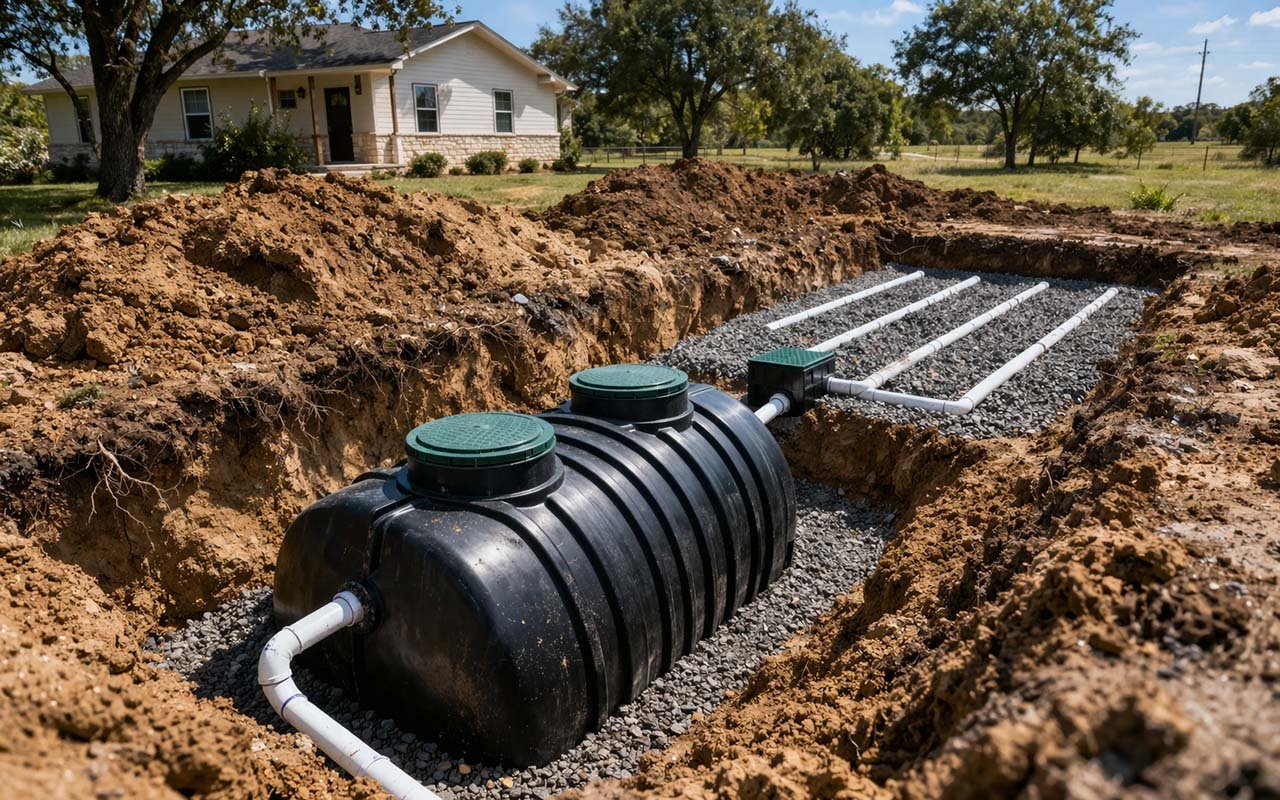
Understanding the septic tank installation cost Texas homeowners can expect is essential before starting any new system project. Costs can vary widely depending on soil conditions, system type, and property size, which often surprises many property owners.
From my experience working with septic systems in the field, one of the biggest mistakes people make is assuming a flat price. In reality, installation costs in Texas typically range between $3,500 and $15,000, with some complex systems exceeding that range.
This guide breaks down real pricing, key cost factors, and practical insights so you can make informed decisions and avoid unexpected expenses.
Average Septic Tank Installation Cost in Texas
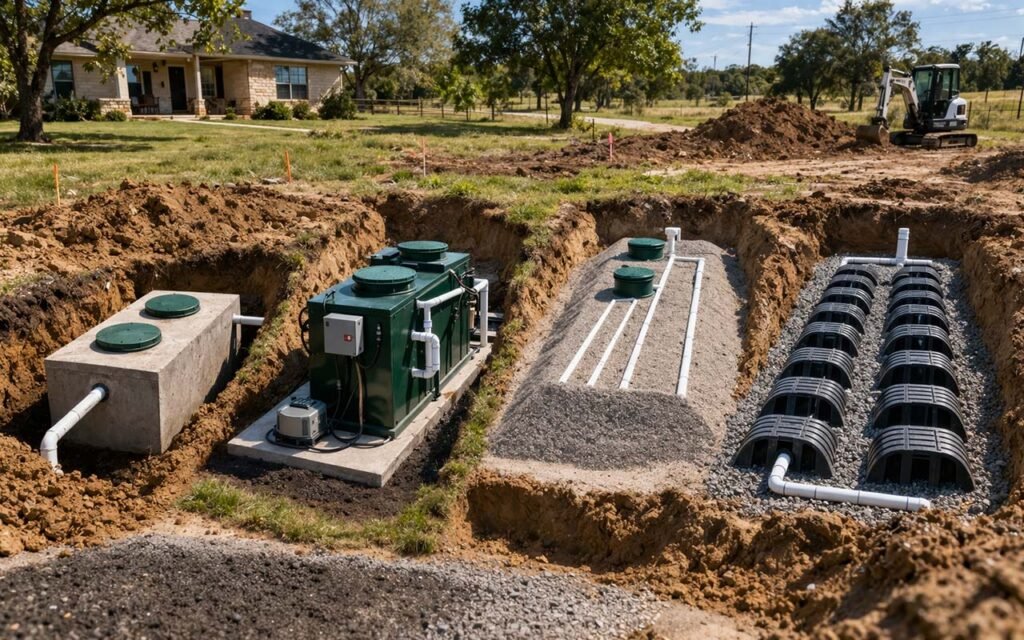
The septic tank installation cost Texas homeowners can expect varies based on several technical and environmental factors. While every property has unique requirements, general pricing ranges provide a helpful starting point when planning your budget.
Conventional septic systems are typically the most affordable option, with costs ranging from $3,500 to $7,500. These systems usually last between 20 and 30 years and require moderate maintenance. They are best suited for properties with good soil drainage.
Aerobic systems are more expensive, generally costing between $10,000 and $15,000. They offer a longer lifespan of 25 to 40 years but require higher maintenance. These systems are commonly used in Texas where soil conditions are poor or regulations are stricter.
Mound systems are among the most expensive options, with installation costs ranging from $12,000 to $20,000. They are designed for areas with high groundwater levels or unsuitable soil and typically last 20 to 30 years with higher maintenance needs.
Chamber systems provide a mid-range option, usually costing between $6,000 and $12,000. They offer a lifespan of 20 to 25 years and require moderate maintenance.
These estimates reflect real-world installations across Texas. Final costs can vary depending on soil conditions, property layout, and local regulatory requirements.
Key Factors That Affect Installation Cost
Understanding what drives pricing is essential when estimating any septic project. The septic tank installation cost Texas homeowners pay is not fixed. It changes based on site conditions, system requirements, and regulatory factors. Below are the most important elements that influence overall cost.
1. Soil Type and Site Conditions
Soil conditions are one of the most critical factors in septic system design and pricing. The way soil absorbs and filters wastewater directly affects which system can be installed.
Sandy soil allows for proper drainage, which often keeps installation costs lower. In contrast, clay-heavy soil, which is common across many regions in Texas, does not drain well. This usually requires more advanced systems and additional engineering.
From field experience, soil limitations can significantly increase costs. In one Central Texas project, dense clay soil raised the total installation cost by nearly 40 percent because a standard system could not meet inspection requirements. Additional components and design adjustments were necessary to ensure compliance.
2. System Type Selection
The type of septic system selected has a direct impact on both upfront and long-term costs. Each system is designed for specific environmental conditions.
- Conventional systems are typically the most affordable and work well in areas with good soil drainage
- Aerobic systems are required in locations where soil conditions are poor or regulations are stricter
- Mound systems are used when groundwater levels are high or soil absorption is limited
Aerobic systems are widely used throughout Texas due to environmental standards. Although they come with higher installation costs, they provide reliable performance in challenging conditions and reduce the risk of system failure over time.
3. Property Size and Layout
The size and layout of your property play a major role in determining installation complexity. Larger properties require more excavation, longer trenching, and additional materials.
A typical residential drain field may require between 500 and 1,000 square feet. However, factors such as slope, soil stability, and existing landscaping can increase preparation work.
For example, properties with uneven terrain or dense vegetation often require clearing and grading before installation can begin. These additional steps increase both labor time and equipment usage, which raises the overall project cost.
4. Permits and Local Regulations
Septic system installations in Texas must follow strict state and local regulations. Permits are required before any work begins, and costs vary depending on the county.
Permit fees generally range from $300 to $1,000 and typically include:
- Soil evaluation and testing
- System design approval
- Final inspection after installation
For official guidelines, refer to the Texas Commission on Environmental Quality.
Failing to secure proper permits can result in fines, project delays, or even full system replacement. Following regulations from the start ensures compliance and protects your investment.
5. Labor and Equipment Costs
Labor and equipment make up a significant portion of the total installation cost. In most cases, labor accounts for 30 to 50 percent of the total project budget.
Septic installation requires specialized machinery such as excavators, trenchers, and hauling equipment. The cost of using this equipment depends on site accessibility and terrain conditions.
Projects in areas with limited access, rocky ground, or steep slopes often require more time and specialized handling. This can increase equipment costs by several thousand dollars compared to standard installations.
From a practical standpoint, investing in experienced professionals ensures the job is done correctly the first time, which helps avoid costly repairs or system failures in the future.
Real-World Cost Example
To better understand how pricing works in real situations, it is helpful to look at an actual project. The septic tank installation cost Texas homeowners pay often depends on site-specific factors such as soil condition and system requirements.
A homeowner in Johnson City required a new septic system after their existing one failed. The property had dense clay soil and limited natural drainage, which made a conventional system unsuitable. Based on these conditions, an aerobic system was selected to meet both performance needs and local regulations.
Project Overview
The system installed was an aerobic septic system designed to handle poor soil drainage conditions. The property size was approximately 1 acre, which required adequate space for proper system layout and drainage. Due to the complexity of the site, the full installation was completed over a period of 4 days, including excavation, setup, and final inspection.
Cost Breakdown
| Cost Component | Amount |
|---|---|
| Equipment and Excavation | $4,200 |
| Tank and Components | $6,500 |
| Labor | $3,000 |
| Permits and Testing | $850 |
| Total Cost | $14,550 |
This example reflects a common scenario across Texas where soil limitations require more advanced systems. Clay-heavy soil often increases both material and labor costs due to stricter design requirements.
From a field perspective, installations like this are typical in areas with poor drainage. While the upfront cost is higher, the selected system provides better long-term reliability and ensures compliance with local standards.
Additional Costs to Consider
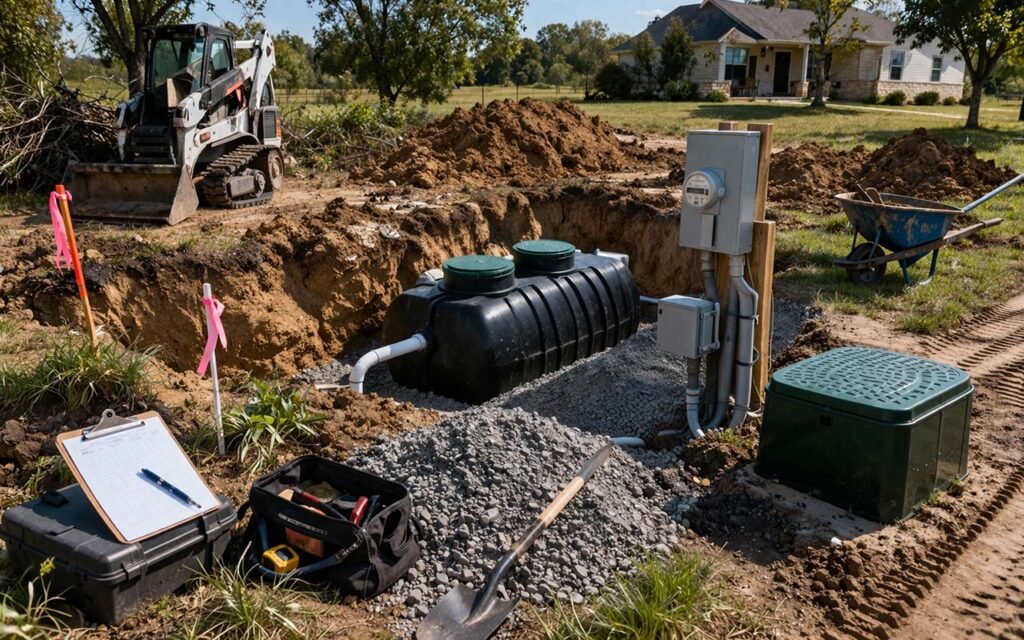
Many homeowners focus only on the base installation price, but several additional expenses can significantly impact the total project cost. When evaluating the septic tank installation cost Texas property owners should expect, it is important to account for these essential items early in the planning process.
Soil testing is often required before installation begins. This evaluation determines whether the ground can properly absorb wastewater and helps guide system design. Costs typically range from $300 to $800, depending on site complexity and testing requirements.
Land clearing is another common expense, especially for properties with dense vegetation or uneven terrain. Preparing the site for installation can add between $1,000 and $5,000, depending on the amount of work needed.
For aerobic systems, electrical connections are necessary to power pumps and aeration components. These installations usually cost between $500 and $2,000 based on distance and setup complexity.
Ongoing maintenance contracts are also important. Aerobic systems often require annual service plans, averaging around $300 per year, to remain compliant and operate efficiently.
These additional costs are essential for meeting regulatory standards and ensuring long-term system performance. Planning for them upfront helps prevent delays and unexpected financial strain.
How to Reduce Septic Installation Costs
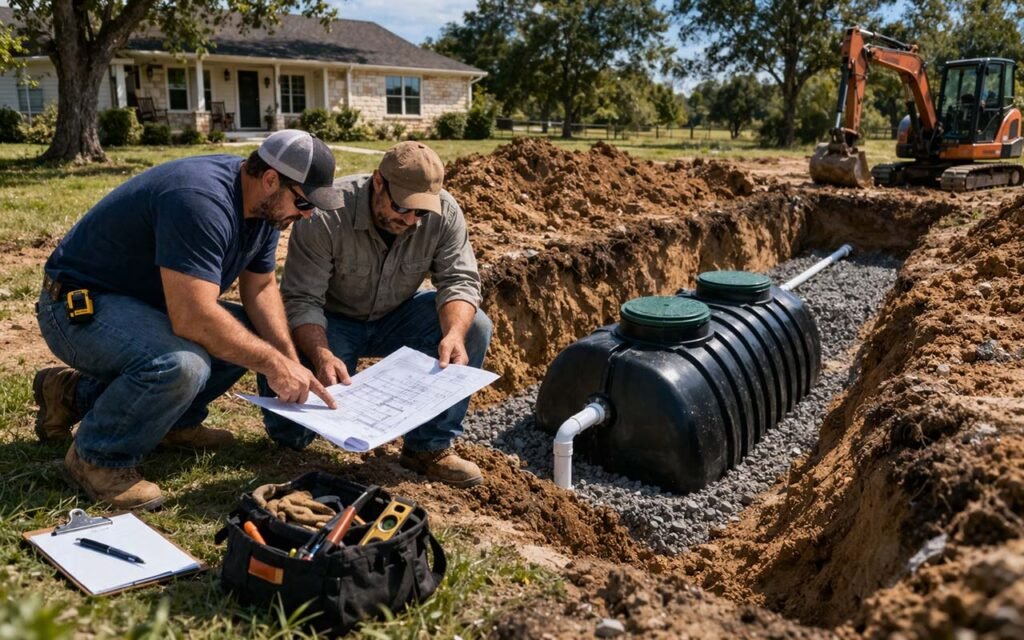
Septic system installation is a significant investment, but there are effective ways to manage costs without compromising quality or long-term reliability. The septic tank installation cost Texas homeowners encounter can often be reduced through smart planning and informed decision-making.
One of the most important steps is choosing the right system based on soil conditions rather than focusing only on the lowest upfront price. A system that does not match the site requirements can lead to failed inspections, costly modifications, or early replacement. Selecting the correct design from the beginning helps avoid unnecessary expenses.
Timing can also influence overall costs. Scheduling installation during dry seasons allows for faster excavation and more efficient labor. Wet or unstable ground conditions often increase labor time and equipment usage, which raises total costs.
Working with experienced local contractors is essential. Professionals familiar with Texas regulations and soil conditions can complete the job more efficiently and ensure compliance, reducing the risk of delays or rework.
Planning for long-term maintenance is equally important. Regular upkeep helps prevent early system failure and avoids expensive repairs. In practice, cutting corners during installation often leads to higher costs over time.
Maintenance Costs After Installation
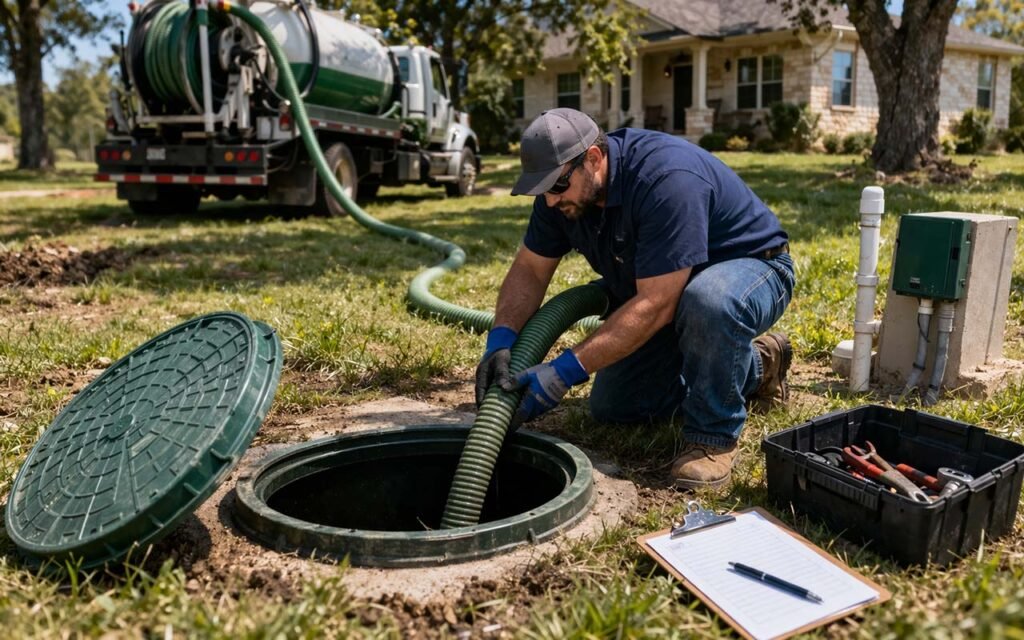
Installing a septic system is only the first step. Long-term performance depends heavily on regular maintenance, which plays a key role in protecting your investment and avoiding costly system failures. The septic tank installation cost Texas homeowners pay should always be considered alongside ongoing maintenance expenses.
Routine pumping is one of the most important maintenance tasks. Most systems require pumping every 3 to 5 years, with costs typically ranging from $300 to $600. This process removes solid waste buildup and helps prevent blockages and overflow issues.
Aerobic systems, which are common in Texas, require more frequent attention. These systems typically need professional inspections two to three times per year to ensure all components are functioning properly and meeting regulatory standards.
Minor repairs are also part of long-term system care. These can range from $200 to $1,500 depending on the issue, such as replacing pumps, filters, or damaged components.
According to the Environmental Protection Agency, proper maintenance can extend the lifespan of a septic system by up to 30 percent.
Neglecting routine maintenance is one of the leading causes of premature system failure. Consistent care not only improves system efficiency but also helps avoid expensive repairs or full system replacement over time.
Signs You May Need a New Septic System
If you already have a system, it is important to recognize early warning signs before a full replacement becomes necessary.
Common Warning Signs
- Slow drains throughout the home
- Sewage odors near the drain field
- Pooling water in the yard
- Frequent backups or overflows
Addressing these issues early can sometimes reduce replacement costs or prevent total system failure.
Choosing the Right Septic Contractor in Texas
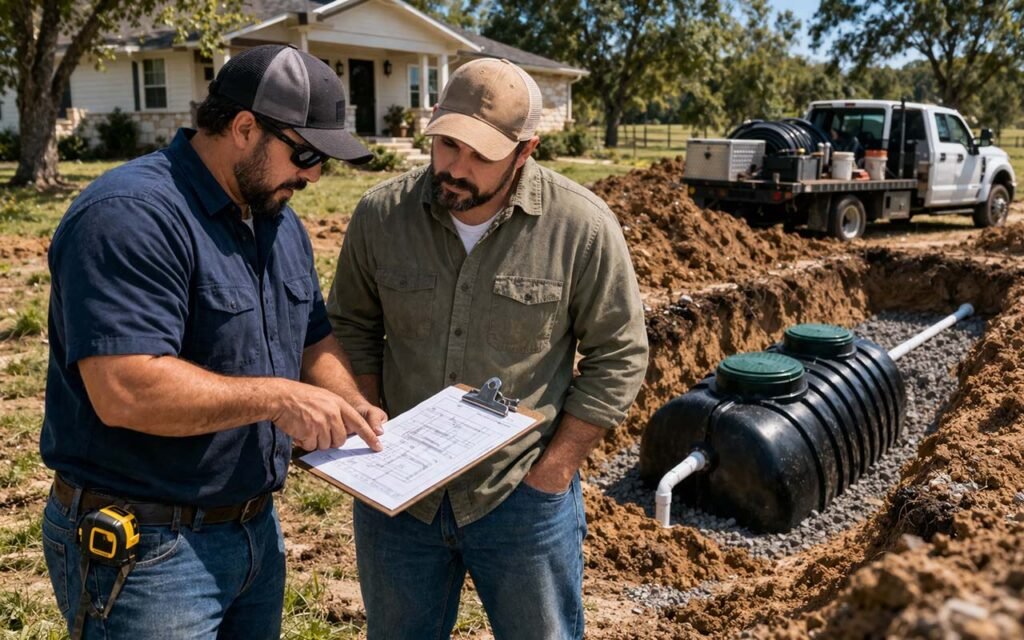
Selecting the right contractor is one of the most important decisions in any septic project. The quality of installation directly affects system performance, lifespan, and long-term maintenance costs. The septic tank installation cost Texas homeowners pay is only worthwhile when the system is installed correctly from the start.
A reliable contractor should be fully licensed and insured, ensuring they meet state requirements and can handle the scope of the work safely. Experience with Texas soil conditions is equally important, as different regions present unique challenges that require proper system design and installation techniques.
Transparency in pricing is another key factor. A professional contractor will provide clear, written estimates that outline all costs involved, helping you avoid unexpected expenses during the project. Strong knowledge of local regulations is also essential to ensure the system passes inspections and complies with all legal requirements.
In practice, a properly installed septic system can last for decades with minimal issues. On the other hand, poor installation can lead to frequent repairs, system failure, and significantly higher costs over time.
Frequently Asked Questions
How long does it take to install a septic system?
Most residential septic systems can be installed within 2 to 5 days. The timeline depends on factors such as soil conditions, weather, property layout, and inspection scheduling. More complex installations may take longer.
What type of septic system is best for Texas soil?
Aerobic systems are commonly recommended in Texas, especially in areas with clay soil or poor drainage. These systems provide better treatment and meet stricter environmental regulations, making them suitable for challenging soil conditions.
Do I need a permit to install a septic system in Texas?
Yes, permits are required for septic system installation in Texas. The process usually includes soil testing, system design approval, and a final inspection. Local authorities enforce these regulations to ensure environmental safety and proper system performance.
How often should a septic tank be pumped?
A septic tank should typically be pumped every 3 to 5 years. However, the frequency can vary based on household size, water usage, and system type. Regular pumping helps prevent blockages and extends the lifespan of the system.
Can I reduce septic installation costs without affecting quality?
Yes, costs can be managed by selecting the right system for your soil, scheduling installation during dry seasons, and working with experienced contractors. Proper planning and maintenance also help avoid expensive repairs in the future.
Final Thoughts
The septic tank installation cost Texas property owners can expect varies based on soil conditions, system type, and property layout. While average price ranges offer a helpful starting point, every installation is different and requires a detailed site evaluation for accurate cost planning.
Choosing a system that matches your land conditions is essential for long-term performance. Professional design and proper installation play a major role in avoiding future issues and unexpected expenses.
Investing in a well-installed septic system ensures reliability, regulatory compliance, and lower maintenance costs over time, making it a smart long-term decision for any property owner.