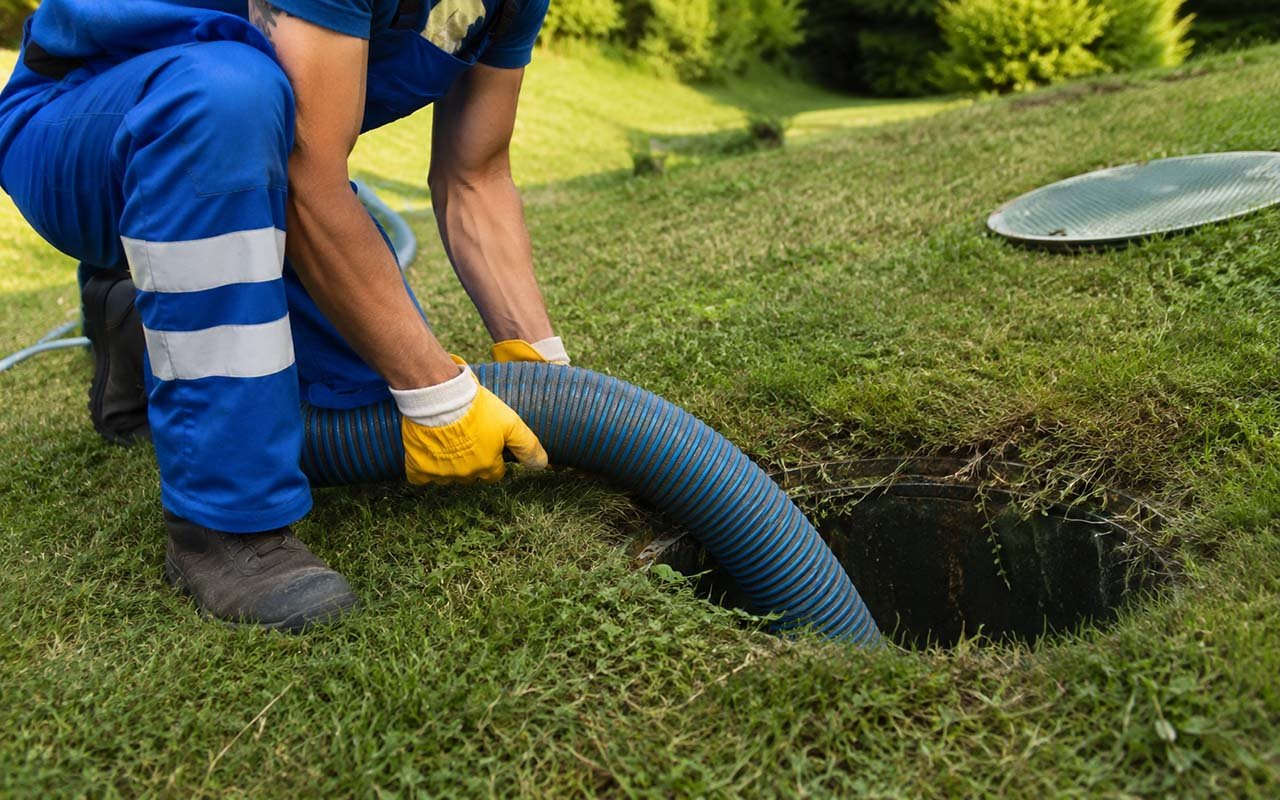
A septic system is one of the most important parts of any residential or commercial property that is not connected to a municipal sewer line. When it begins to fail, even minor problems can quickly become expensive if they are not addressed promptly. Understanding how septic systems work and recognizing the early signs of trouble can save property owners time, money, and unnecessary stress.
Septic systems repairs are often more straightforward and affordable when problems are identified early. In our experience, homeowners who schedule regular inspections and maintenance are much less likely to face major system failures or costly replacements.
Whether you own a home, rental property, or commercial building, knowing when repairs are needed can help protect your investment and keep your septic system functioning efficiently for years to come.
What Are Septic System Repairs?
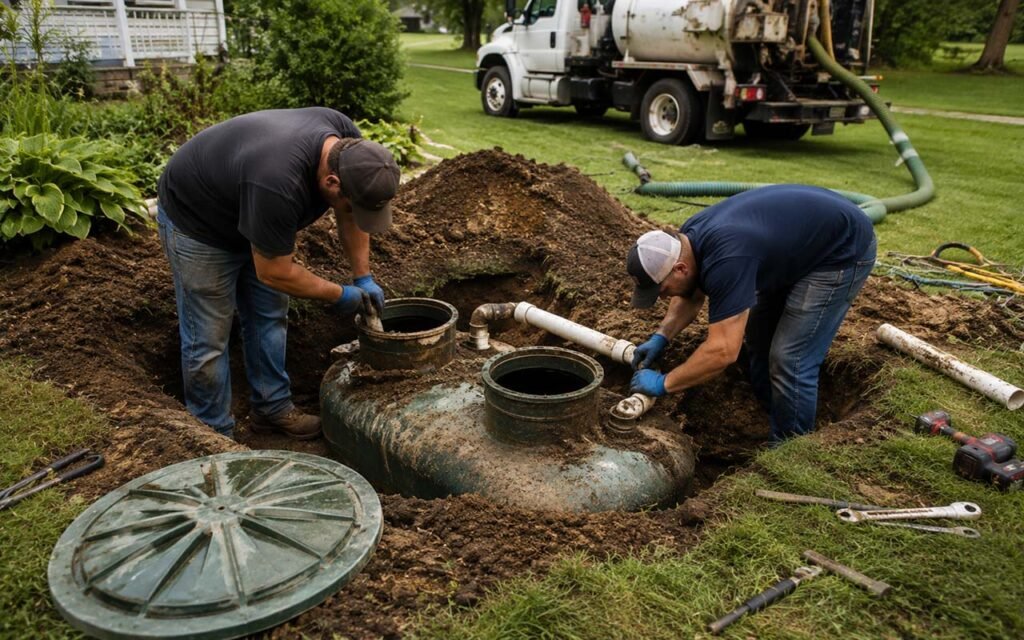
Septic system repairs are the services needed to fix problems that prevent your septic system from working properly. Over time, different parts of the system can wear out, become damaged, or develop issues that affect how wastewater is treated and disposed of on your property.
A well-maintained septic system can last for decades, but factors such as heavy water usage, aging components, poor maintenance, and soil conditions can lead to repairs sooner than expected. The good news is that many septic problems can be fixed without replacing the entire system.
Common repairs include fixing leaking septic tanks, replacing damaged pipes, repairing pumps and septic alarms, restoring drain field performance, and removing tree roots that have invaded underground lines. Regular inspections can help catch these issues early. Taking care of small problems before they become major ones can save money and help keep your septic system running efficiently for years to come.
Common Signs Your Septic System Needs Repair
Many septic problems provide warning signs long before they become emergencies. Paying attention to these symptoms can help prevent further damage.
Some of the most common indicators include:
- Slow draining sinks and bathtubs
- Toilets that frequently back up
- Sewage odors near the tank or drain field
- Standing water in the yard
- Unusually green grass above the drain field
- Gurgling sounds from plumbing fixtures
- Septic alarms activating unexpectedly
- Frequent plumbing backups
If multiple plumbing fixtures are experiencing problems simultaneously, the issue may be related to your septic system rather than an isolated plumbing concern.
Homeowners often mistake septic problems for routine plumbing issues. Professional inspections can determine whether repairs are necessary before significant damage occurs.
Causes of Septic System Damage
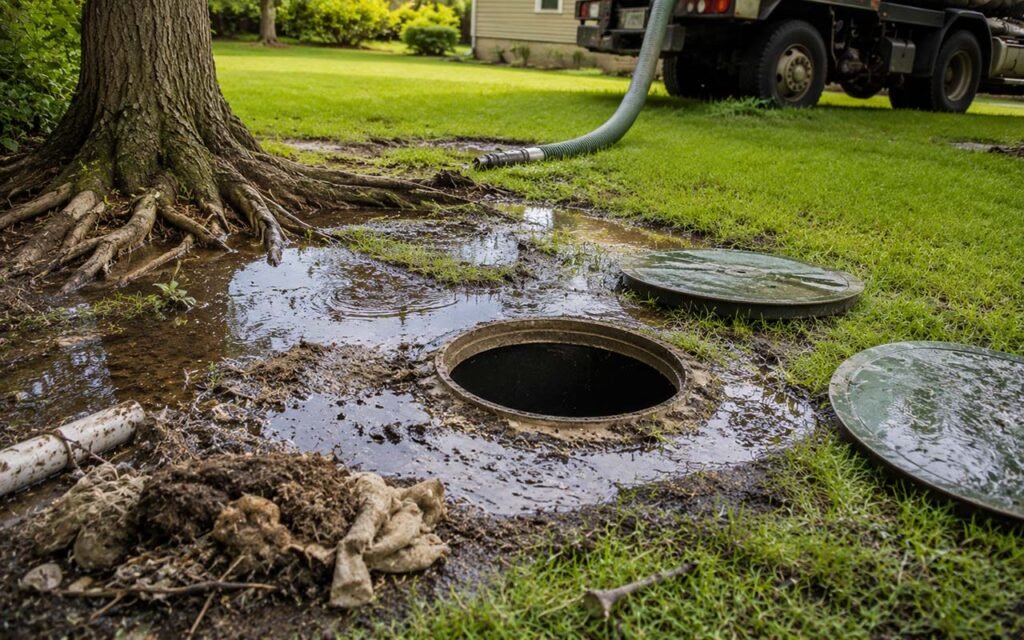
Several factors contribute to septic system failures. Understanding these causes can help property owners reduce the likelihood of expensive repairs.
Improper maintenance remains one of the leading causes of septic problems. Septic tanks that are not pumped regularly can become overloaded with solids, leading to blockages and drain field damage.
Other common causes include:
- Excessive water usage
- Tree root intrusion
- Driving heavy vehicles over septic components
- Flushing non-biodegradable items
- Aging septic system components
- Poor soil conditions
- Installation defects
- Lack of routine inspections
In Texas, changing soil conditions and seasonal rainfall can also impact septic system performance. Properties with clay-heavy soils may experience drainage issues that require professional evaluation.
Types of Septic Systems Repairs
The type of repair required will depend on which component of the system has failed.
| Septic Component | Common Repair | Estimated Repair Time |
|---|---|---|
| Septic Tank | Crack sealing or replacement parts | 2 to 6 hours |
| Pipes | Pipe replacement or cleaning | 1 to 4 hours |
| Effluent Pump | Pump repair or replacement | 1 to 3 hours |
| Drain Field | Restoration or partial replacement | 1 to 3 days |
| Baffles | Repair or replacement | 1 to 2 hours |
| Distribution Box | Leveling or replacement | 2 to 5 hours |
| Septic Alarm | Electrical repair | 1 to 2 hours |
Repair times will vary depending on the property’s location, accessibility, and system design.
How Much Do Septic Repairs Cost?
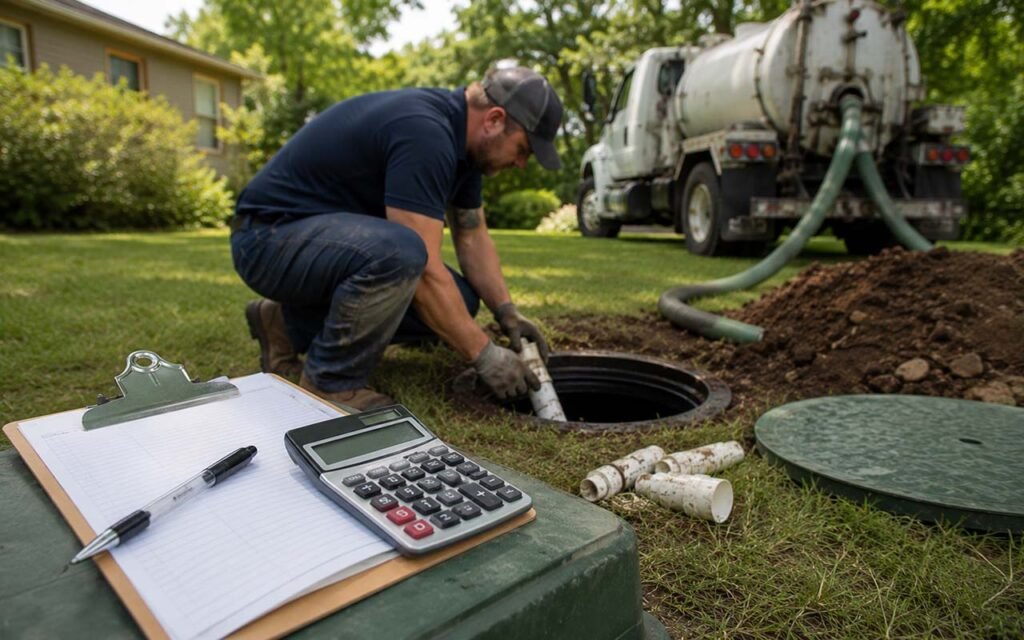
The cost of septic repairs can vary depending on the type of problem and the condition of your system. Minor repairs are usually much more affordable than major repairs or a full septic system replacement. Identifying and fixing issues early can help homeowners avoid unexpected expenses and prevent further damage.
Several factors can influence the overall cost of septic system repairs. These include the size of the system, how easily technicians can access its components, local permit requirements, labor costs, replacement parts, soil conditions, and whether emergency service is needed. Every septic system is different, which is why repair costs can vary from one property to another.
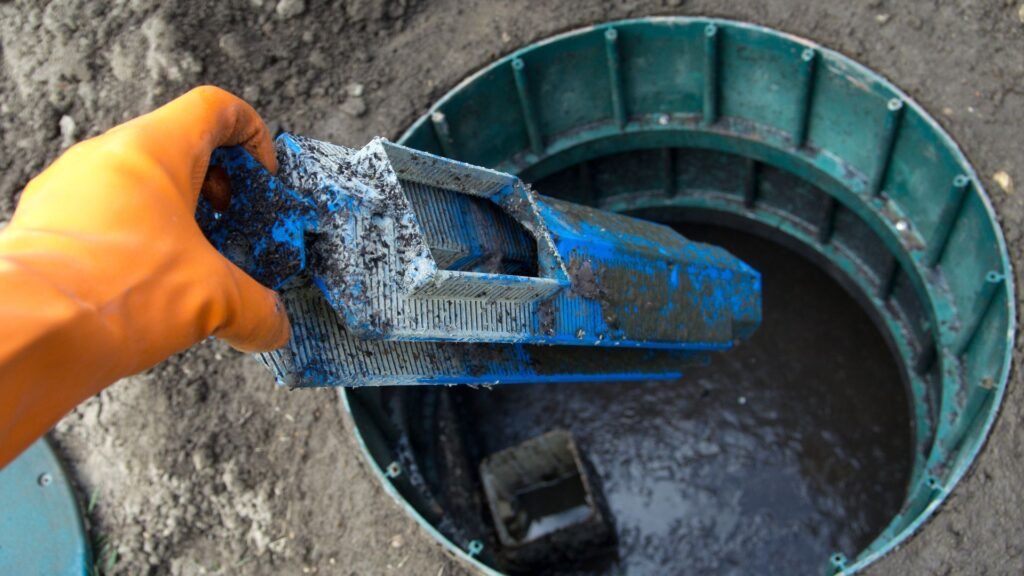
For example, replacing a clogged effluent filter is typically a simple and inexpensive repair, while restoring a damaged drain field may require more extensive work. Delaying repairs can often lead to larger problems, making timely maintenance one of the best ways to protect your septic system and your budget.
Why Regular Maintenance Reduces Repair Costs
Regular septic system maintenance is one of the best ways to prevent costly repairs and extend the life of your system. Many major septic problems can be avoided by addressing minor issues before they develop into expensive emergencies. A well-maintained septic system operates more efficiently and is less likely to experience unexpected failures.
Professional septic inspections play an important role in identifying early signs of wear or damage. Following a routine pumping schedule, typically every three to five years depending on household size and usage, helps prevent solid waste buildup that can damage the septic tank and drain field. Homeowners should also monitor water usage, avoid flushing harmful chemicals, and keep heavy vehicles away from septic system components.
Maintaining service records and scheduling regular maintenance visits can help ensure your system continues to perform properly. Investing in preventative maintenance today can save thousands of dollars in future repair or replacement costs while protecting your property for years to come.
Drain Field Problems and Repair Solutions
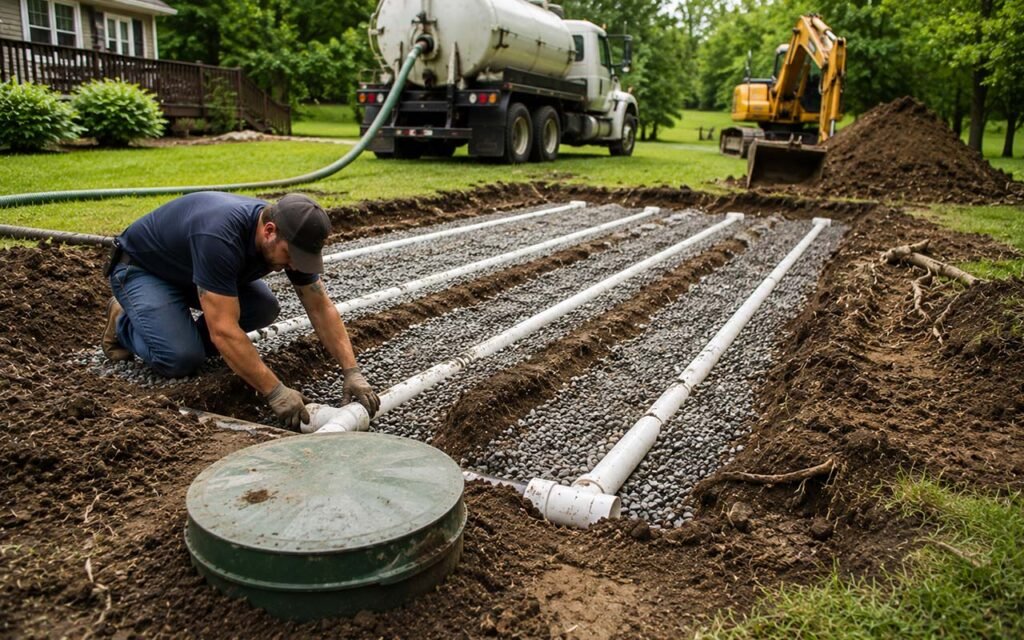
The drain field plays a critical role in wastewater treatment. When it becomes damaged or overloaded, the entire septic system can be affected.
Common drain field problems include:
- Soil saturation
- Root intrusion
- Hydraulic overloading
- Compacted soil
- Pipe failures
- Biological buildup
Drain field issues often develop gradually. Standing water, foul odors, or unusually lush grass growth can indicate that repairs are needed.
Repair solutions may include restoring drainage capacity, replacing damaged piping, or improving water management practices.
Many drain field problems are preventable when property owners practice responsible water usage and schedule routine septic maintenance.
Expert Tips to Prevent Septic Repairs
Preventing septic repairs does not have to be difficult. In many cases, small changes in everyday habits can make a significant difference in the performance and lifespan of your septic system. Regular maintenance and responsible water usage are two of the most effective ways to avoid costly problems in the future.
We often recommend spreading laundry loads throughout the week rather than washing everything in a single day. Repairing leaking toilets and faucets promptly can also help prevent excess water from overloading the system. Using septic-safe products, scheduling routine pumping services, and keeping trees and large shrubs away from septic components are equally important.
Water conservation plays a major role in maintaining a healthy septic system. Too much water entering the tank reduces the time needed for solids to separate properly, which can negatively affect drain field performance. Keeping maintenance records and scheduling periodic inspections can help identify potential issues early. Property owners who invest in preventative care typically experience fewer septic repairs and enjoy a longer-lasting system.
When Should You Call a Septic Professional?
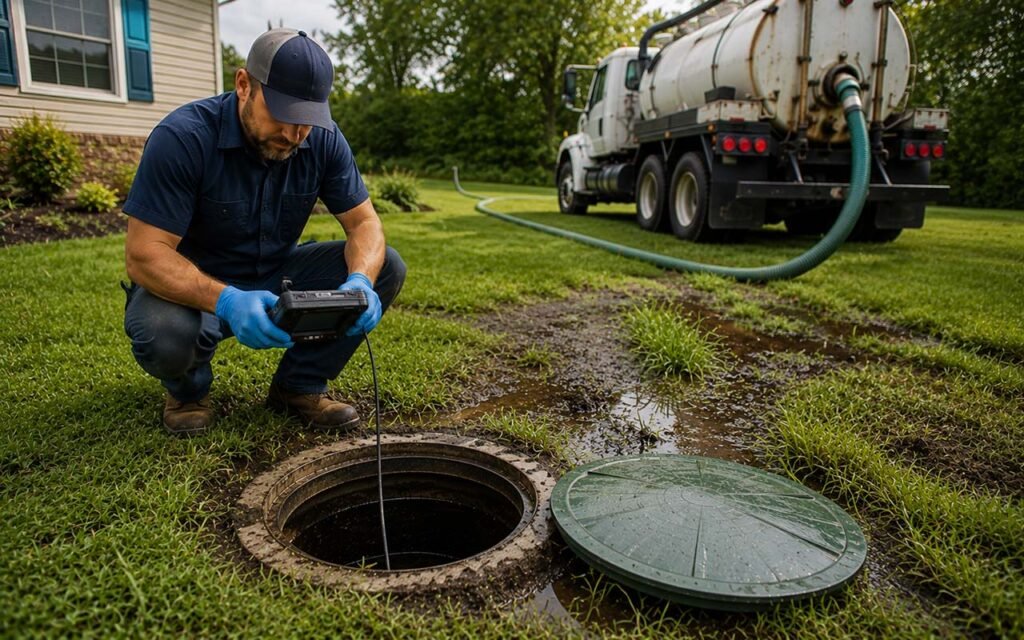
Some septic system problems should never be ignored. While minor plumbing issues may seem harmless at first, they can quickly develop into costly repairs if they are caused by an underlying septic system failure. Knowing when to call a septic professional can help protect both your property and your investment.
You should schedule a professional inspection if you notice sewage backups inside your home or business, standing wastewater in your yard, persistent septic odors, or septic alarms that continue to activate. Slow drainage from multiple plumbing fixtures and visible damage to septic tanks or pipes are also common signs that your system needs immediate attention.
Attempting to diagnose or repair septic problems without the proper training and equipment can create health hazards and lead to additional damage. Professional septic technicians use specialized tools and industry expertise to identify problems accurately. Addressing septic issues early can reduce repair costs, minimize downtime, and help keep your system operating safely and efficiently.
How Long Do Septic Systems Last?
A septic system is a long-term investment, and with proper care, it can serve your property for many years. The lifespan of a septic system depends largely on how well it is maintained and how responsibly it is used. Regular inspections, routine pumping, and timely repairs can make a significant difference in its overall performance and longevity.
Most septic tanks last between 20 and 40 years, while drain fields typically remain effective for 20 to 30 years. Other components, such as effluent pumps, generally last between 7 and 15 years. Distribution boxes can continue functioning for several decades, and properly installed septic pipes often last 20 years or more.
In our experience, septic systems that receive regular maintenance tend to perform more efficiently and require fewer major repairs. Simple habits like conserving water and addressing small issues early can help extend the life of your system. With proper care, many septic systems continue operating reliably for decades.
Frequently Asked Questions
What are the most common septic system repairs?
Some of the most common septic system repairs include fixing leaking septic tanks, replacing damaged pipes, repairing pumps, restoring drain fields, replacing effluent filters, and repairing septic alarms. The type of repair needed depends on the condition and age of your septic system.
How do I know if my septic system needs repairs?
Warning signs often include slow drains, sewage backups, unpleasant odors, standing water near the drain field, and septic alarms going off. If you notice any of these issues, it is best to schedule a professional septic inspection as soon as possible.
How often should a septic system be inspected?
Most homeowners should have their septic system inspected every three to five years. Regular inspections can help identify small problems early and reduce the risk of costly repairs or system failure.
Can a septic system be repaired without replacing it?
Yes. Many septic system problems can be repaired without replacing the entire system. Early diagnosis often allows technicians to repair individual components, which is usually more affordable than a full replacement.
How can I prevent costly septic repairs?
Routine maintenance is the best way to prevent expensive septic repairs. Scheduling regular pumping services, conserving water, using septic-safe products, and addressing minor issues promptly can significantly extend the life of your septic system.
Conclusion
Keeping your septic system in good condition is one of the best ways to protect your property and avoid costly repairs. Understanding the early warning signs of septic problems and taking a proactive approach to maintenance can make a significant difference in the long-term performance of your system.
Regular inspections, routine pumping, and timely repairs help prevent minor issues from turning into major expenses. A properly maintained septic system not only operates more efficiently but also helps protect your home’s plumbing, your property’s value, and the surrounding environment.
Whether you have noticed slow drains, unpleasant odors, or simply want to keep your system working properly, investing in professional septic care is always worthwhile. With the right maintenance plan, your septic system can continue providing reliable wastewater treatment for many years to come.