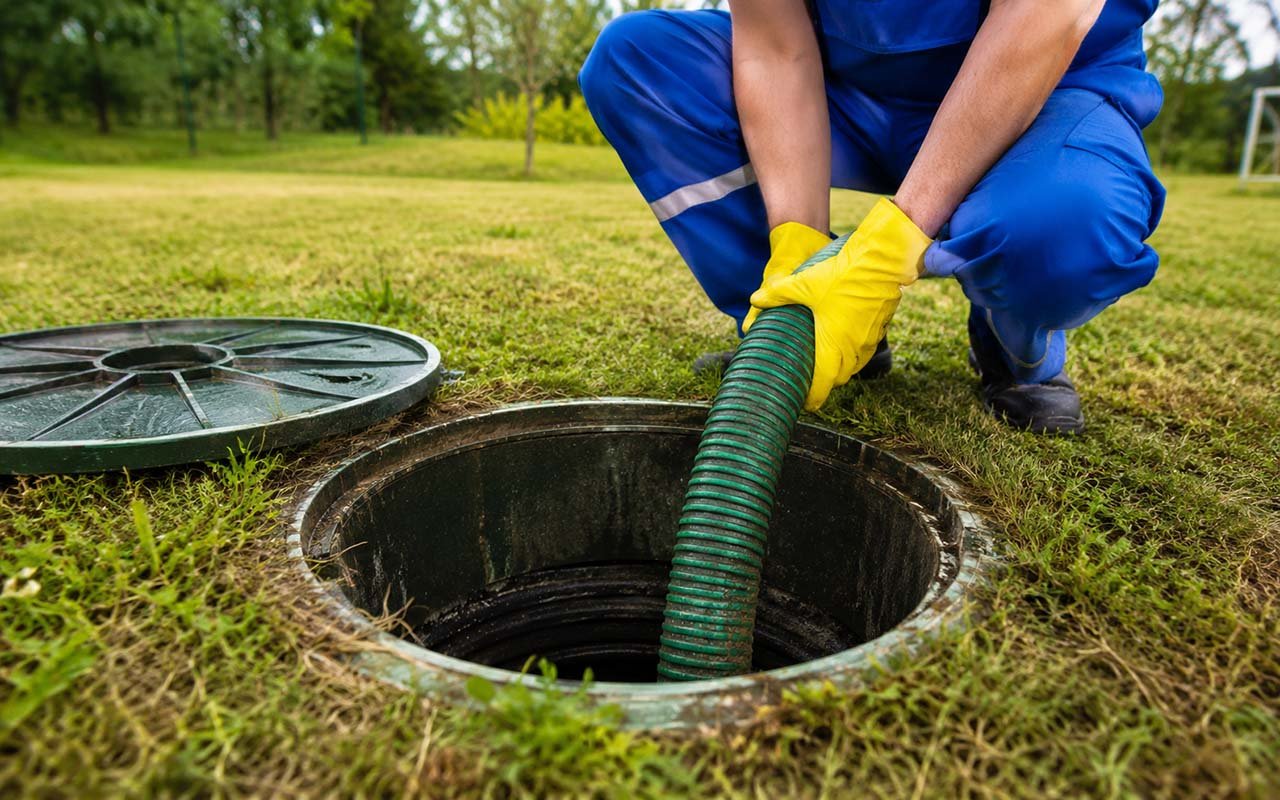
Choosing the best septic tank treatment can make a major difference in how well your septic system performs over time. Many homeowners wait until they notice odors, slow drains, or backups before thinking about septic maintenance. In reality, a healthy septic tank depends on consistent bacterial activity and proper waste breakdown long before problems appear.
At Dillon Septic, we have seen systems last decades with proper care, while neglected tanks often develop avoidable issues within a few years. The right treatment product helps maintain balance inside the tank, supports natural bacteria, and reduces buildup that can shorten system life.
Not every septic additive works the same way. Some products improve digestion of organic waste, while others may do little more than mask odors temporarily. Understanding what actually benefits your system helps homeowners avoid wasted money and unnecessary repairs.
Why Septic Tank Treatment Matters

A septic system works through natural biological processes. Waste enters the tank, solids settle at the bottom, and bacteria break down organic material before wastewater moves into the drain field. When bacterial activity becomes weak, solids accumulate faster and system efficiency declines.
One of the most common field observations we encounter involves homes using excessive bleach, antibacterial cleaners, or chemical drain products. These materials can disrupt bacterial balance inside the tank. Once that happens, sludge buildup increases and pumping intervals become shorter.
Proper septic treatment supports the growth of beneficial bacteria that digest waste naturally. This can help:
- Reduce unpleasant odors
- Improve waste breakdown
- Lower sludge accumulation
- Support drain field performance
- Maintain healthier tank conditions
According to the United States Environmental Protection Agency, regular septic maintenance significantly reduces the risk of groundwater contamination and costly system failures.
Signs Your Septic Tank May Need Treatment
Many homeowners overlook early warning signs because septic issues often develop slowly. A system may continue functioning while hidden buildup increases beneath the surface.
Several common indicators suggest your tank could benefit from professional attention or a quality septic treatment product.
Slow Drains Throughout the Home
One slow sink may indicate a plumbing blockage. Multiple slow drains usually point toward septic system inefficiency. When bacteria fail to break down waste properly, solids accumulate faster and restrict wastewater flow.
Recurring Odors Around the Property
Persistent septic odors near drains, the tank area, or the yard often indicate poor digestion inside the system. Healthy bacterial activity normally minimizes strong smells.
Frequent Pumping Requirements
A properly functioning tank generally requires pumping every three to five years depending on household size and usage. If your tank fills unusually fast, poor bacterial balance may contribute to excessive sludge buildup.
Wet Spots Near the Drain Field
Pooling water or soggy soil near the drain field can signal reduced wastewater absorption. In many cases, untreated solids moving through the system contribute to drain field stress.
Comparing Common Septic Tank Treatment Types
Different septic treatments work in different ways. Some contain live bacteria, while others use enzymes to assist waste breakdown. Choosing the right option depends on system condition, household usage, and maintenance habits.
| Treatment Type | Main Function | Best Use Case | Frequency |
|---|---|---|---|
| Bacterial Additives | Restore beneficial bacteria | Regular maintenance | Monthly |
| Enzyme Treatments | Break down organic waste | Slow-draining systems | Monthly |
| Oxygen-Based Treatments | Reduce odors and buildup | Mild odor problems | As needed |
| Chemical Treatments | Dissolve blockages | Emergency use only | Rarely recommended |
In our experience, bacterial and enzyme-based products usually provide the safest long-term support for residential systems. Harsh chemical solutions may temporarily clear buildup but can also disrupt the biological environment inside the tank.
What Makes the Best Septic Tank Treatment Effective
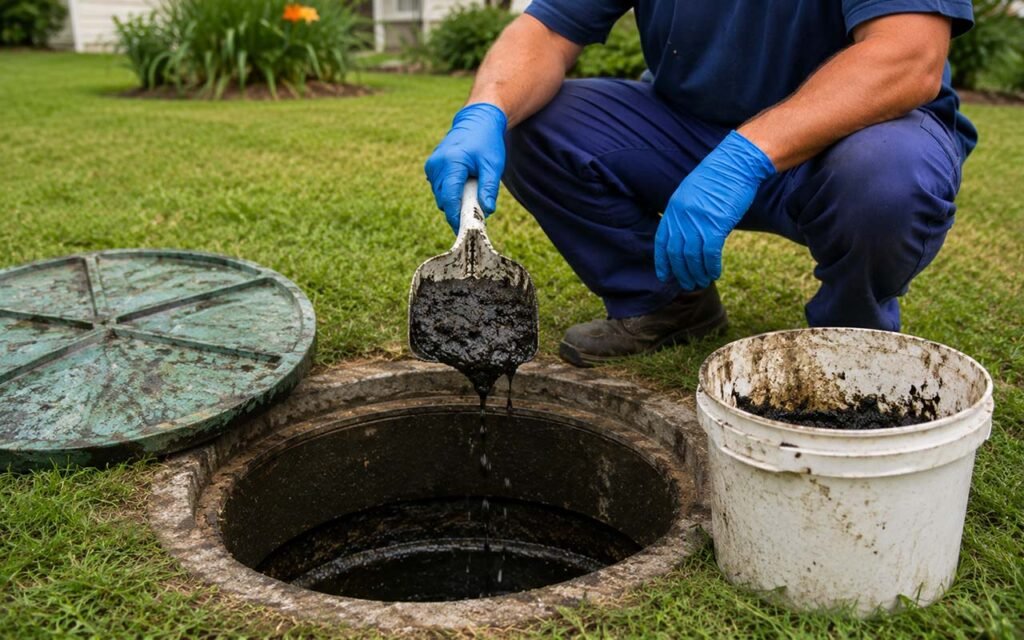
Not all products labeled as septic-safe deliver meaningful results. Some contain low bacterial counts or ingredients that provide minimal long-term support.
An effective septic treatment should help maintain biological balance rather than forcing rapid chemical reactions. Systems function best when natural bacteria remain healthy and active.
The best septic tank treatment products often include:
- Live bacteria strains
- Enzyme support
- Organic waste digestion
- Septic-safe ingredients
- Long-term maintenance benefits
Products designed for routine monthly use generally outperform aggressive short-term chemical cleaners. Consistency matters more than intensity when maintaining septic health.
From a service perspective, we often notice better tank conditions in homes using preventative maintenance instead of reactive chemical treatments after problems develop.
Household Habits That Affect Septic Performance
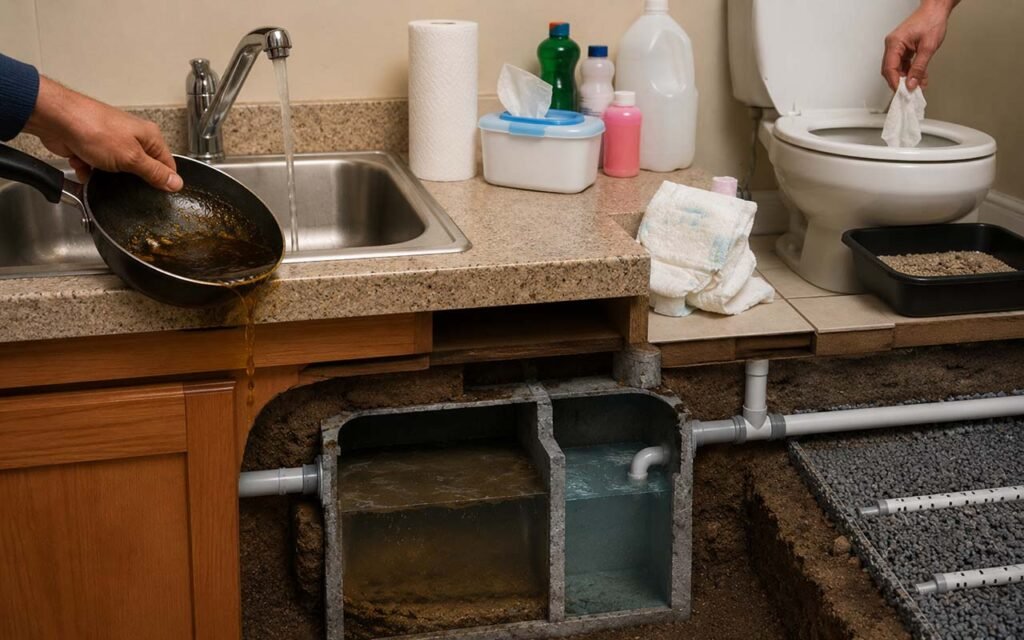
Even the best septic tank treatment cannot compensate for poor usage habits. Daily household behavior plays a major role in septic system lifespan.
Excessive water usage is one of the leading causes of premature drain field stress. Large volumes of water entering the tank too quickly can prevent solids from settling properly.
Several household materials should also stay out of septic systems completely:
- Grease and cooking oils
- Flushable wipes
- Paper towels
- Feminine hygiene products
- Cat litter
- Harsh chemical cleaners
Many homeowners assume products labeled “flushable” are safe for septic systems. In field inspections, we routinely discover wipes contributing to clogs and sludge accumulation despite their marketing claims.
If you are experiencing odors, slow drains, or frequent septic issues, the team at Dillon Septic can help evaluate your system and recommend the right maintenance approach before small problems turn into costly repairs.
Why You Should Choose a Professional for Septic Tank Treatment
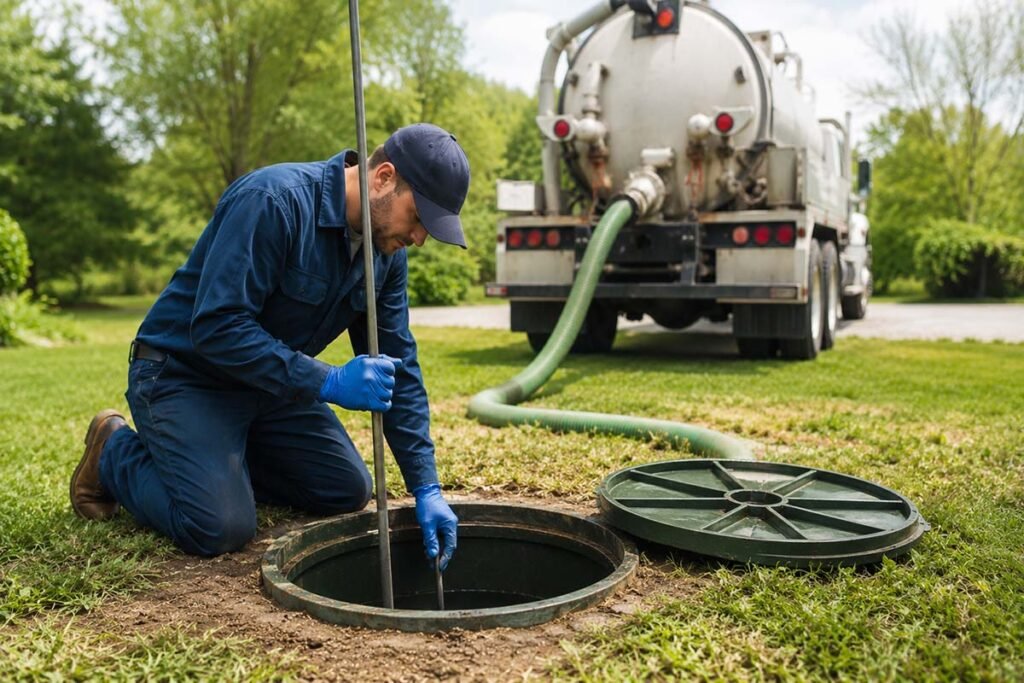
While many septic maintenance products are available to homeowners, professional septic service provides a level of inspection and system care that store-bought treatments alone cannot match. Septic systems are complex underground systems, and small issues often go unnoticed until they turn into expensive repairs.
A professional technician can evaluate the overall condition of the tank, inspect sludge levels, identify early warning signs, and recommend the right septic tank treatment based on your system’s specific needs. This helps homeowners avoid using ineffective or overly harsh products that may disrupt the natural bacterial balance inside the tank.
One of the biggest advantages of hiring a professional is early problem detection. During inspections, technicians often identify hidden concerns such as minor leaks, drain field stress, root intrusion, or excessive sludge buildup before major system failure occurs.
Professional septic maintenance can also help:
Extend septic system lifespan
Prevent costly backups and repairs
Improve drain field performance
Ensure proper bacterial activity
Reduce the risk of groundwater contamination
Maintain safe wastewater flow
From our field experience, homeowners who rely on routine professional septic care typically experience fewer emergencies and lower long-term repair costs. Preventative maintenance not only protects the septic tank itself but also helps preserve the efficiency of the entire wastewater system.
Choosing a professional for septic tank treatment gives homeowners peace of mind that their system is being maintained safely, properly, and in a way that supports long-term performance.
Frequently Asked Questions
How often should you use septic tank treatment?
Most bacterial treatments work best when used monthly alongside routine septic pumping and inspections.
Can too much septic treatment damage a system?
Overusing chemical-based additives may disrupt natural bacterial balance inside the tank.
Are septic tank additives really necessary?
Not every system requires additives, but bacterial treatments can support healthier waste digestion in homes with heavy usage or chemical exposure.
What should you avoid putting into a septic tank?
Avoid grease, wipes, feminine products, harsh cleaners, oils, and excessive bleach.
Conclusion
Finding the best septic tank treatment is not about choosing the strongest product on the shelf. It is about supporting the natural balance inside your septic system and maintaining it consistently over time. A quality treatment combined with regular pumping, water conservation, and responsible household habits can help extend the life of your system and reduce the risk of expensive repairs.
From our experience in the field, preventative care always costs less than emergency septic work. Homeowners who stay proactive usually experience fewer odors, backups, and drain field problems. If you want long-term septic performance, focus on routine maintenance, safe cleaning practices, and professional inspections before small issues become major system failures.