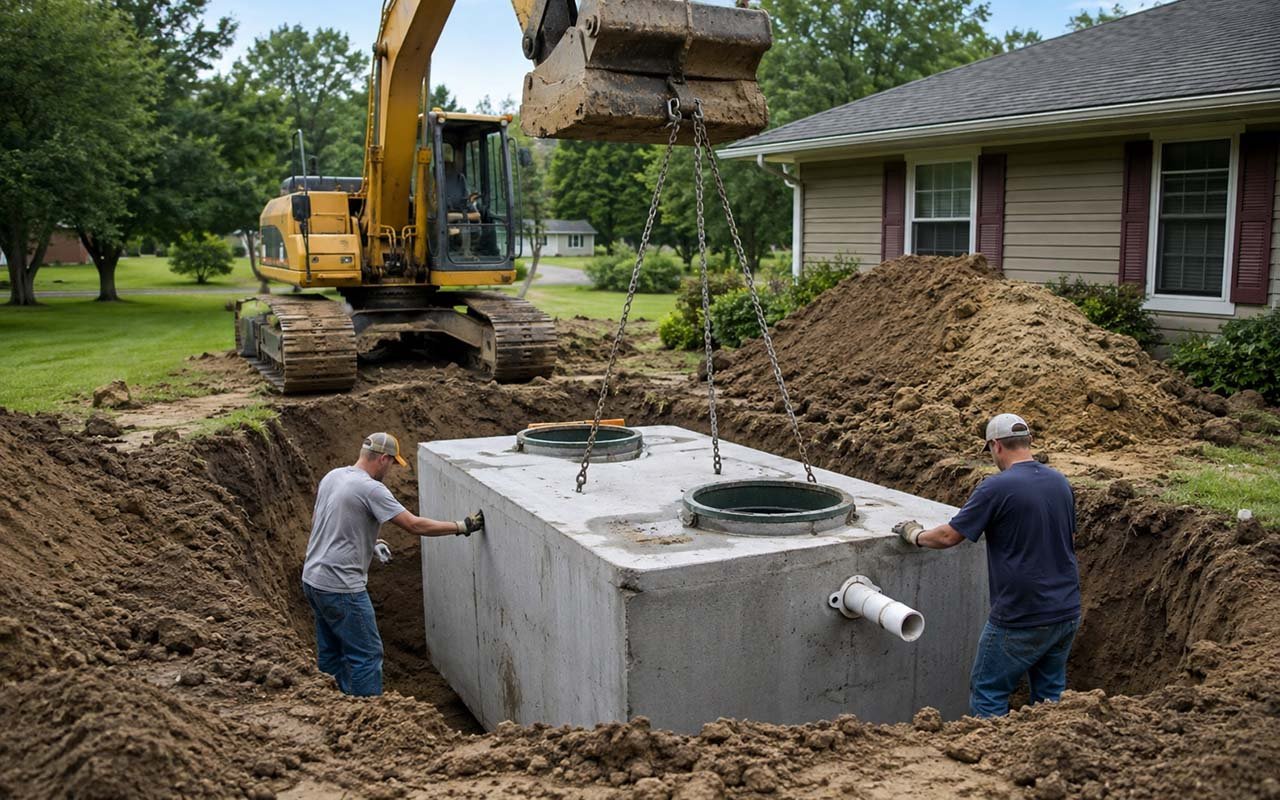
If you’re wondering how much does it cost to replace a septic tank, you’re not alone. Septic system replacement is one of the biggest investments many homeowners make, and understanding the costs before starting the project can help you budget wisely. Every property is different, which means replacement costs vary based on the size of the system, soil conditions, local regulations, and the type of septic system you choose.
At Dillon Septic, we’ve helped homeowners replace aging and failing septic systems throughout Texas. One thing we’ve learned is that there isn’t a one-size-fits-all answer. A properly designed septic system protects your property, supports your household’s wastewater needs, and can provide dependable service for decades when installed correctly. Knowing what influences the final price will help you make informed decisions and avoid unexpected expenses later.
What Is the Average Cost to Replace a Septic Tank?
The average septic tank replacement project in the United States typically ranges from $5,000 to $15,000, although larger or more complex installations can exceed $20,000. The final price depends on far more than the tank itself. Excavation, permits, soil testing, drain field work, and labor all contribute to the total investment.
Homeowners often expect only to pay for a new tank, but replacing an entire septic system usually involves additional components. If the drain field has failed or local health regulations require upgrades, the overall project cost increases.
Based on our field experience, properties with easy equipment access and favorable soil conditions generally cost less to replace than properties with rocky terrain, high groundwater, or limited access for excavation equipment.
Factors That Affect How Much It Costs to Replace a Septic Tank
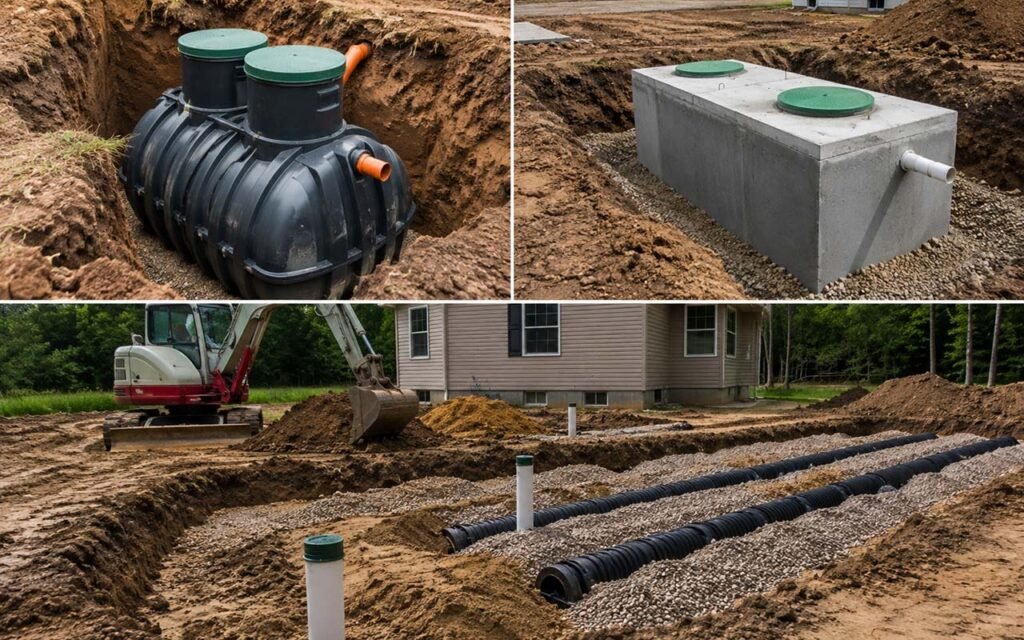
If you’re researching how much does it cost to replace a septic tank, it’s important to understand that several factors influence the final price. Every property is unique, so the cost of replacing a septic system can vary significantly from one home to another. The size of the tank, the type of septic system, soil conditions, site accessibility, and local regulations all play a role in determining the overall investment. Knowing what affects pricing can help you make informed decisions and better understand the estimates you receive from septic professionals.
Septic Tank Size
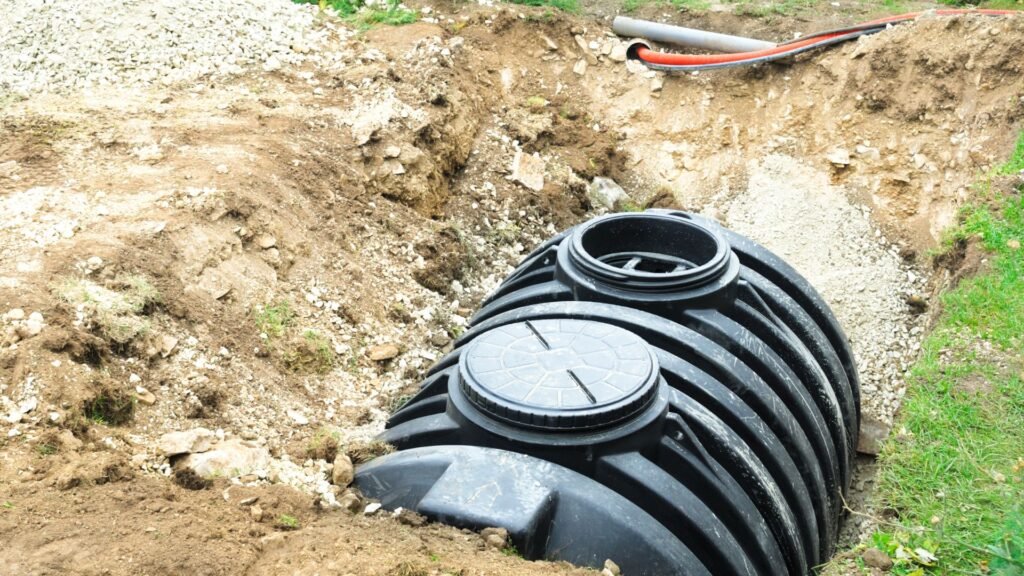
The size of the septic tank is one of the most important factors affecting replacement costs. Larger households produce more wastewater each day, which requires a septic tank with greater capacity. Most residential properties use tanks ranging from 750 to 1,500 gallons, while larger homes or properties with higher water usage may require larger systems.
A larger septic tank typically increases the total project cost because it requires more excavation, additional installation labor, and higher material expenses. Larger tanks also have greater wastewater storage capacity, making them better suited for households with multiple occupants. Selecting the correct tank size is essential for maintaining efficient system performance and preventing premature wear caused by an undersized system.
Type of Septic System
The type of septic system installed on your property also has a direct impact on replacement costs. Conventional gravity systems are generally the most affordable because they rely on natural gravity to move wastewater and contain fewer mechanical components. However, not every property is suitable for a conventional system.
Homes with challenging soil conditions or environmental restrictions may require advanced systems such as aerobic treatment systems, pressure distribution systems, mound systems, or sand filter systems. These systems provide enhanced wastewater treatment but usually involve additional equipment, electrical components, pumps, and ongoing maintenance. While the initial investment is often higher, advanced systems can offer reliable performance where standard septic systems cannot be installed.
Soil Conditions and Site Preparation
The condition of your property can significantly influence the overall cost of replacing a septic tank. Before installation begins, septic professionals evaluate the soil to determine how effectively it can absorb and treat wastewater. This assessment helps ensure the new system meets local regulations and functions properly for years to come.
Properties with rocky soil, heavy clay, high groundwater levels, steep slopes, or limited access for excavation equipment often require additional labor and specialized machinery. These site conditions increase installation time and can raise the overall project cost. In some situations, extra grading, excavation, or soil preparation may also be necessary before the new system can be installed.
From our experience at Dillon Septic, proper site preparation is one of the most valuable investments homeowners can make during a septic replacement project. Preparing the site correctly helps improve drainage, supports long-term system performance, and reduces the risk of future repairs. Although it may add to the upfront cost, quality site preparation often saves homeowners money over the life of their septic system.
Average Septic Tank Replacement Costs
| Replacement Item | Typical Cost Range |
|---|---|
| Septic tank only | $2,000 to $6,000 |
| Complete septic system replacement | $5,000 to $15,000 |
| Aerobic treatment system | $10,000 to $20,000+ |
| Drain field replacement | $3,000 to $10,000 |
| Soil testing and permits | $300 to $1,500 |
| Excavation | $1,000 to $5,000 |
These ranges are estimates. Actual costs depend on your location, property conditions, local regulations, and the complexity of the installation.
Signs Your Septic Tank May Need Replacement
Not every septic problem requires a full replacement, but some warning signs indicate that the system has reached the end of its service life. Recognizing these issues early can help prevent property damage, costly emergency repairs, and health hazards.
Watch for these common signs:
- Sewage backing up into sinks, tubs, or toilets
- Slow drains throughout the house
- Persistent foul odors near the septic tank or drain field
- Standing water or unusually green grass above the drain field
- Frequent need for pumping despite regular maintenance
- Cracks or structural damage to the tank
- Septic system over 30 to 40 years old
In our experience, homeowners often wait until the system completely fails before seeking professional help. Scheduling an inspection when you first notice these symptoms can help determine whether repairs are still possible or if replacement is the better long-term investment.
Should You Repair or Replace Your Septic Tank?
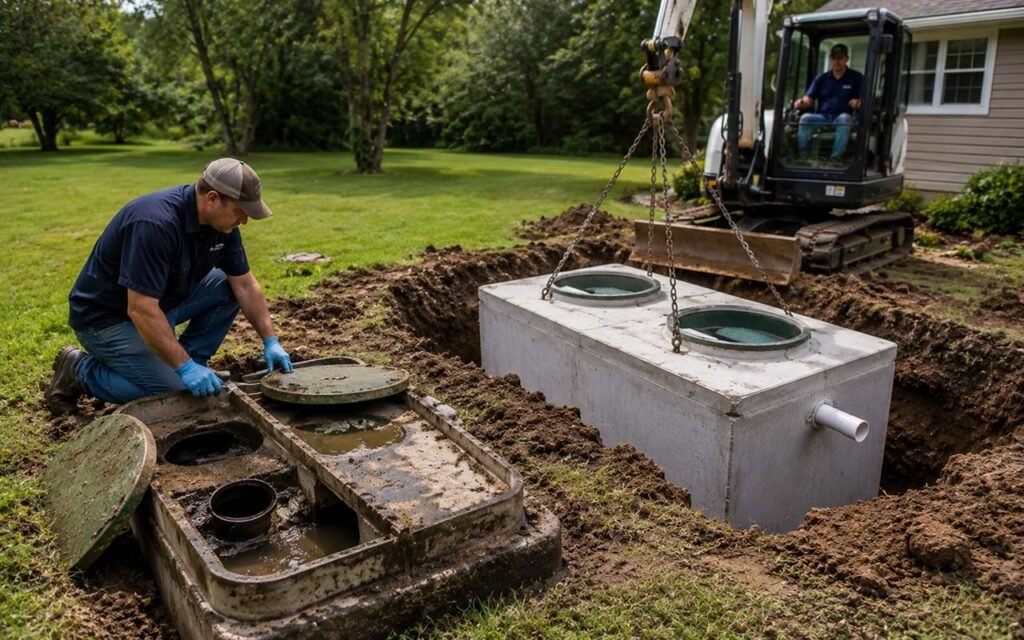
One of the most common questions homeowners ask after researching how much does it cost to replace a septic tank is whether a complete replacement is really necessary. The answer depends on the overall condition of the septic system rather than the tank alone. A professional inspection can identify whether the issue is limited to a single component or if the entire system has reached the point where replacement is the most practical and cost-effective solution.
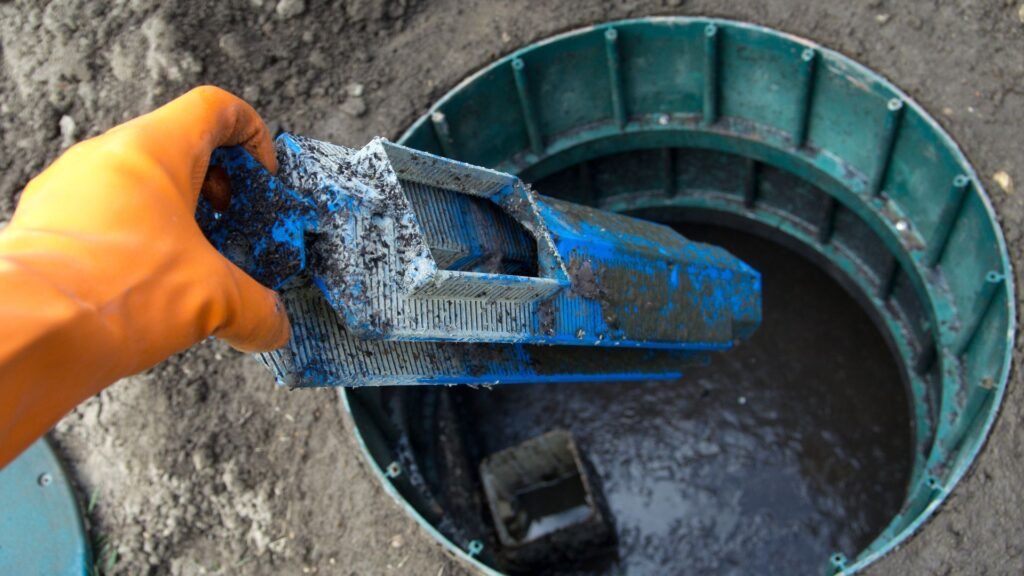
In many cases, minor septic problems can be repaired without replacing the entire system. Components such as damaged baffles, broken risers, worn lids, or clogged effluent filters can often be repaired or replaced for a relatively low cost. If the septic tank remains structurally sound and the drain field is operating properly, repairing the affected component can restore the system’s performance and extend its service life.
However, replacement becomes the better investment when the septic system has experienced significant structural damage or repeated failures. Large cracks in a concrete or fiberglass tank can allow wastewater to leak into the surrounding soil or groundwater, creating environmental and health concerns. Likewise, a failed drain field or an aging septic system that no longer meets local health regulations often requires a complete replacement rather than another temporary repair.
Frequent repair bills are another sign that replacement may be the smarter long-term decision. While repairing individual components may seem less expensive initially, repeated service calls can quickly add up. Installing a new septic system often provides greater reliability, improved efficiency, and lower maintenance costs over the coming decades.
From our experience at Dillon Septic, homeowners benefit most when they consider the long-term value instead of focusing only on the immediate repair cost. A thorough inspection performed by an experienced septic professional can help determine whether repairing the existing system is worthwhile or if replacing it will provide the safest, most dependable, and most economical solution for your property.
Hidden Costs Many Homeowners Overlook
When budgeting for a septic replacement, many people focus only on the price of the new tank. In reality, several additional expenses can affect the final project cost.
Some commonly overlooked costs include:
- Permit and inspection fees
- Soil evaluation and percolation testing
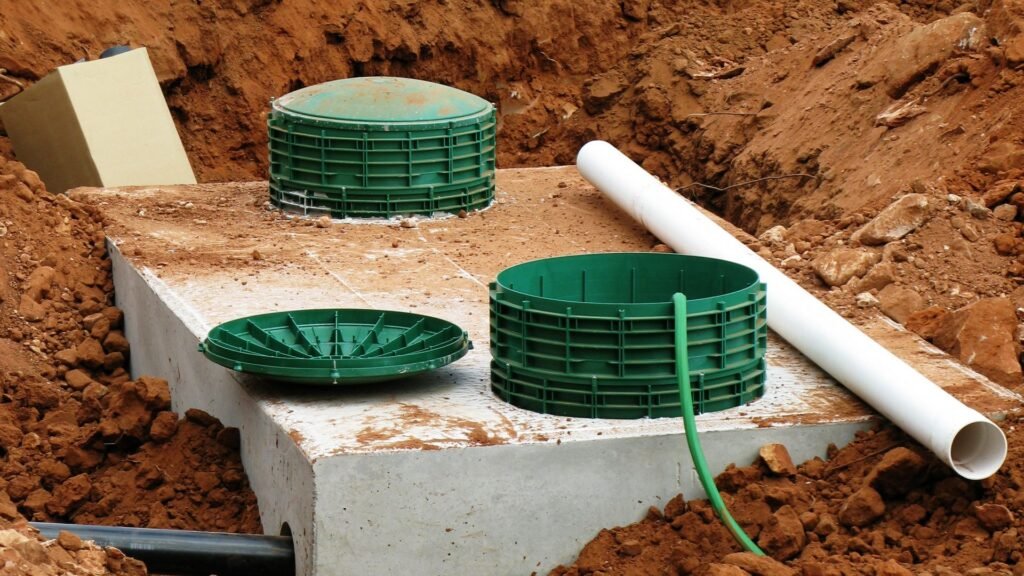
- Excavation and backfilling
- Removal and disposal of the old septic tank
- Drain field replacement or expansion
- Landscaping restoration
- Electrical work for aerobic systems
- Utility line relocation if required
These items can add several thousand dollars to a replacement project depending on the property’s layout and local regulations.
Before approving any estimate, ask your contractor whether these services are included. A detailed proposal helps eliminate unexpected costs later.
How Long Does It Take to Replace a Septic Tank?
Most residential septic tank replacements are completed within two to five days. Larger projects involving drain field replacement or challenging site conditions may require additional time.
Several factors influence the installation schedule, including:
| Project Factor | Typical Impact on Timeline |
|---|---|
| Permit approval | A few days to several weeks |
| Soil conditions | May extend excavation time |
| Weather | Heavy rain can delay installation |
| Drain field replacement | Adds one to three days |
| Property accessibility | May require additional equipment and labor |
While the installation itself is often completed quickly, permit approvals and inspections can extend the overall timeline. Planning ahead helps reduce delays and keeps the project moving efficiently.
Ways to Reduce Septic Tank Replacement Costs
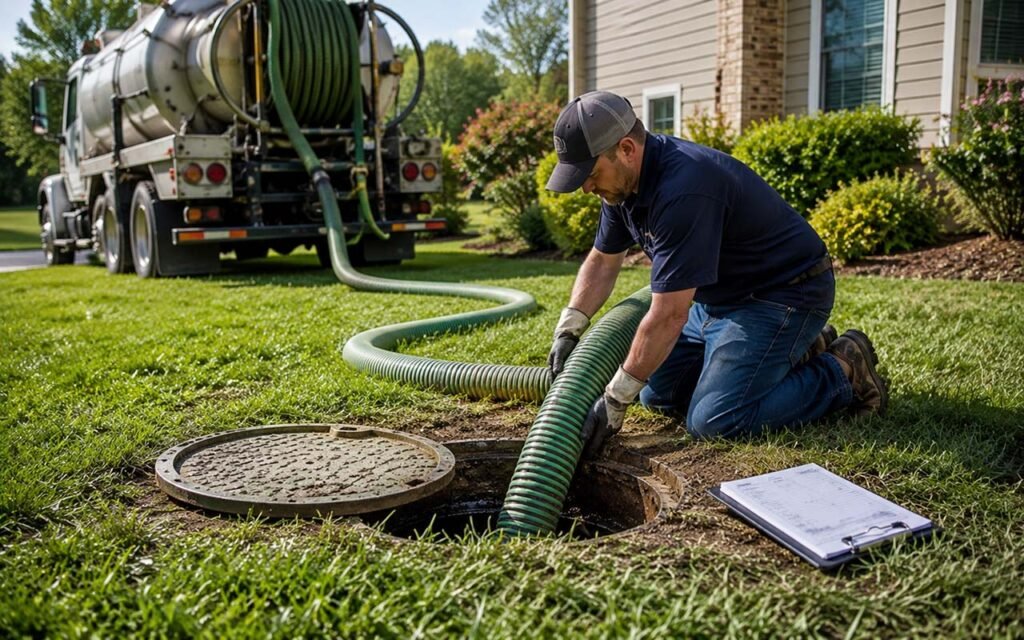
Although replacing a septic system is a significant investment, there are several ways homeowners can manage costs without sacrificing quality.
Consider these practical tips:
- Schedule regular septic inspections to identify problems early.
- Pump the tank according to the recommended maintenance schedule.
- Compare multiple estimates from experienced septic contractors.
- Replace failing components before they damage the entire system.
- Protect the drain field by keeping heavy vehicles off the area.
- Avoid flushing grease, wipes, and other materials that shorten system life.
Preventive maintenance remains one of the most effective ways to delay a full replacement. A well-maintained septic system can often last 30 years or longer, depending on usage and environmental conditions.
Septic Tank Replacement Costs in Texas
Texas homeowners may see different replacement costs than the national average because local regulations, soil conditions, and property sizes vary across the state.
For example, Central Texas often has rocky limestone soil, which can increase excavation time and equipment requirements. Rural properties may also require longer utility connections or larger drain fields depending on local county regulations.
At Dillon Septic, we’ve completed septic replacement projects in a wide range of Texas soil conditions. Every property presents unique challenges, which is why a professional site evaluation is essential before providing an accurate estimate.
A customized assessment allows homeowners to understand exactly what their project requires instead of relying on broad national averages that may not reflect local conditions.
Expert Tips Before Replacing Your Septic Tank
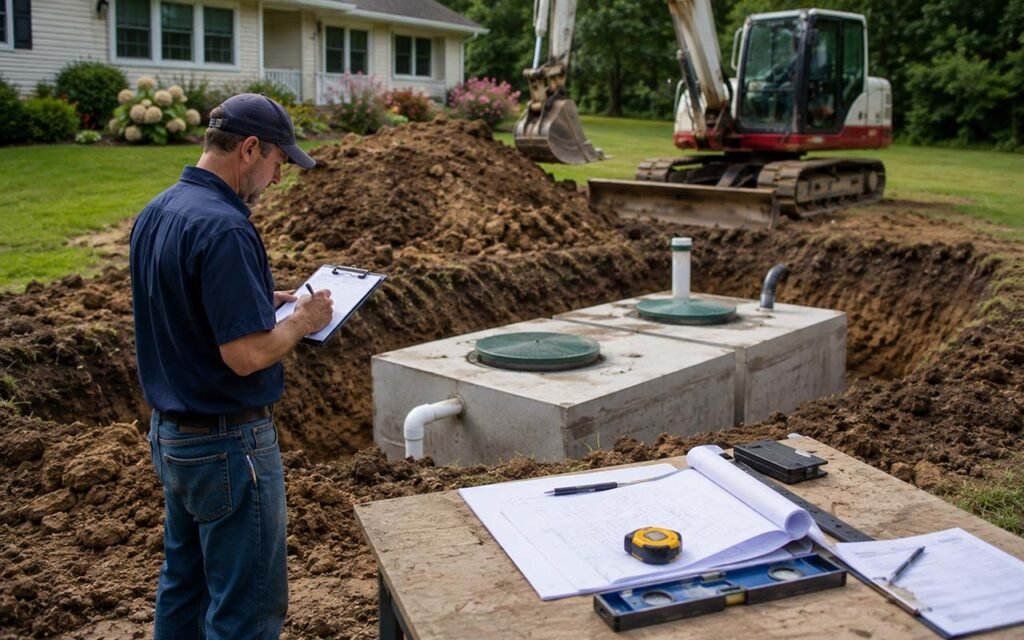
Replacing a septic tank is a major home improvement project, so taking the right steps beforehand can save both time and money. As septic professionals, we’ve found that homeowners who plan ahead often experience fewer delays and avoid unexpected expenses.
Here are a few recommendations we share with our customers:
- Schedule a professional septic inspection before deciding on replacement.
- Ask for a detailed written estimate that outlines labor, materials, permits, and disposal fees.
- Verify that the contractor is licensed and familiar with local health department requirements.
- Choose a tank size that matches your household’s wastewater usage.
- Protect your new system with regular inspections and routine pumping after installation.
A quality septic system is designed to last for decades. Investing in professional installation and ongoing maintenance helps maximize its lifespan and reduces the likelihood of costly repairs in the future.
Why Homeowners Trust Dillon Septic
At Dillon Septic, we understand that replacing a septic system can feel overwhelming. Our goal is to make the process as straightforward as possible by providing honest recommendations, quality workmanship, and dependable service.
Our experienced team works with homeowners to evaluate their property’s needs, explain available options, and install septic systems that meet local regulations and long-term performance expectations. Whether your existing system has reached the end of its lifespan or you’re dealing with an unexpected failure, we’re committed to delivering reliable solutions that fit your property and budget.
From the initial inspection to the final installation, we focus on clear communication, professional service, and lasting results.
Frequently Asked Questions
How much does it cost to replace a septic tank?
The cost typically ranges from $5,000 to $15,000 for a complete residential septic system replacement. The total depends on the tank size, property conditions, labor, permits, and whether the drain field also requires replacement.
How long does a septic tank usually last?
Most septic tanks last 20 to 40 years when they are properly installed, regularly inspected, and pumped according to the recommended maintenance schedule.
Can I replace only the septic tank without replacing the drain field?
Yes, if the drain field is still functioning properly and passes inspection. However, if the drain field has failed, replacing only the tank may not solve the underlying problem.
Does homeowners insurance cover septic tank replacement?
Most standard homeowners insurance policies do not cover normal wear and tear or aging septic systems. Coverage may be available if the damage results from a covered event, so it’s important to review your individual policy.
How can I extend the life of my septic system?
Regular pumping, professional inspections, conserving water, and avoiding grease, chemicals, and non-flushable materials are some of the best ways to keep your septic system operating efficiently for many years.
Conclusion
Understanding how much does it cost to replace a septic tank begins with recognizing that every property is unique. While many homeowners spend between $5,000 and $15,000 for a complete replacement, the final cost depends on factors such as the type of septic system, tank size, soil conditions, permits, labor, and whether the drain field also needs replacement.
The best way to avoid unexpected expenses is to have your septic system evaluated by experienced professionals. An inspection can determine whether repairs are still practical or if replacement is the most cost-effective long-term solution.
If your septic system is showing signs of failure or has reached the end of its expected lifespan, Dillon Septic is here to help. Our knowledgeable team provides professional inspections, honest recommendations, and dependable septic replacement services throughout Texas to keep your property operating safely and efficiently.