Installing an aerobic septic system is a major investment for Texas homeowners, especially in areas where traditional septic systems are not permitted. One of the most common questions we hear from property owners is how much is an aerobic septic system in Texas and what factors influence the final price.
The cost can vary widely depending on soil conditions, system size, local regulations, and long-term maintenance needs. Understanding these details upfront helps homeowners plan realistically and avoid unexpected expenses later. This guide breaks down real costs, explains what impacts pricing, and offers practical insight from field experience across Texas.
Average Cost of an Aerobic Septic System in Texas
In Texas, the average cost of an aerobic septic system typically ranges between $9,500 and $18,000 for a standard residential installation. In some cases, costs can exceed $20,000 for complex sites or larger homes.
This price generally includes system components, labor, permits, and initial setup. However, not every property is the same, and several variables can raise or lower the final cost.
Typical Price Breakdown
| Cost Component | Estimated Cost Range |
|---|---|
| Aerobic treatment unit | $4,000 – $7,000 |
| Installation labor | $3,000 – $6,000 |
| Electrical connections | $500 – $1,500 |
| Permits and inspections | $400 – $1,200 |
| Spray field or drip system | $1,500 – $4,000 |
| Total Estimated Cost | $9,500 – $18,000 |
These figures reflect common pricing across Texas counties, though rural or high-regulation areas may fall outside this range.
Why Aerobic Septic Systems Cost More Than Conventional Systems
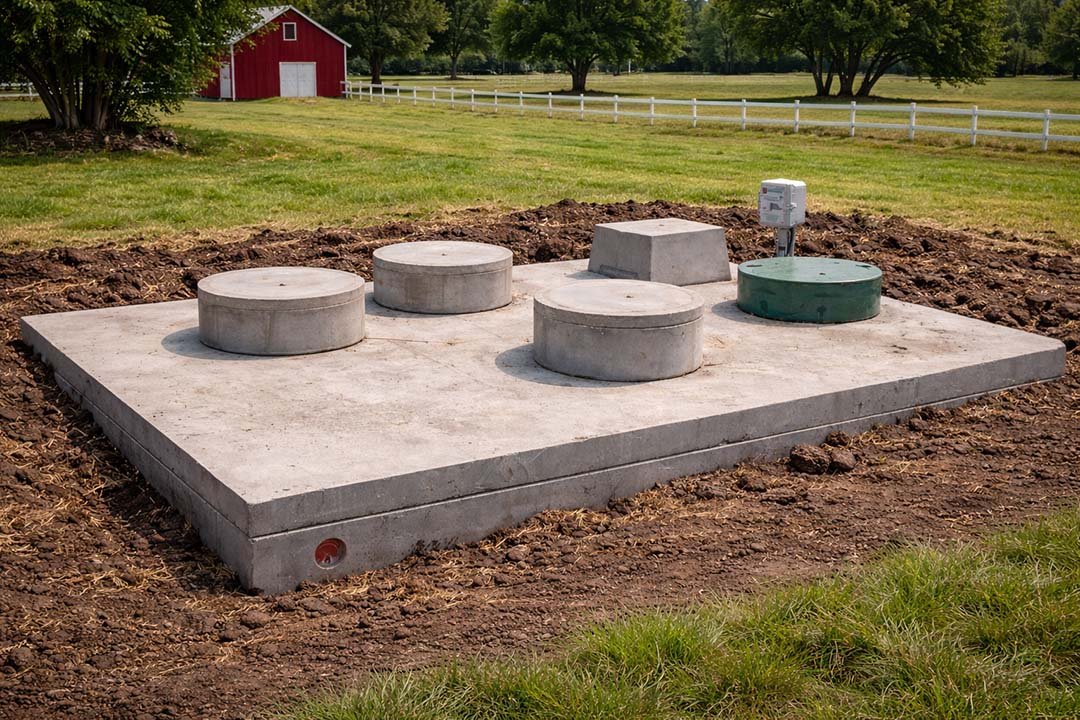
Aerobic systems are more advanced than traditional anaerobic septic systems. They treat wastewater using oxygen, which results in cleaner effluent but also higher installation and maintenance costs.
From hands-on experience in the field, most homeowners are surprised to learn how much additional equipment is involved.
Aerobic systems require:
- An aeration chamber with mechanical components
- Electrical power to operate continuously
- Disinfection units using chlorine or UV light
- Pressurized spray or drip irrigation systems
Because of this complexity, aerobic septic systems cost 30 to 50 percent more than conventional systems on average.
Key Factors That Affect Aerobic Septic System Cost in Texas
Property Size and Home Water Usage
Larger homes generate more wastewater, which requires a bigger aerobic treatment unit and expanded spray or drip fields. Homes with four or more bedrooms typically fall on the higher end of the pricing range.
As a general rule, higher daily water flow equals higher system cost.
Soil Conditions and Site Limitations
Texas soil types vary significantly, and soil plays a major role in system design. Clay-heavy soil, shallow bedrock, or high water tables often require engineered solutions that increase installation costs.
In areas like Central Texas, rocky terrain alone can add thousands of dollars due to excavation challenges.
County and Local Regulations
Texas counties enforce septic rules through the Texas Commission on Environmental Quality. Some counties require additional inspections, advanced treatment levels, or specific spray setbacks that increase system complexity.
Ongoing Maintenance Costs for Aerobic Septic Systems
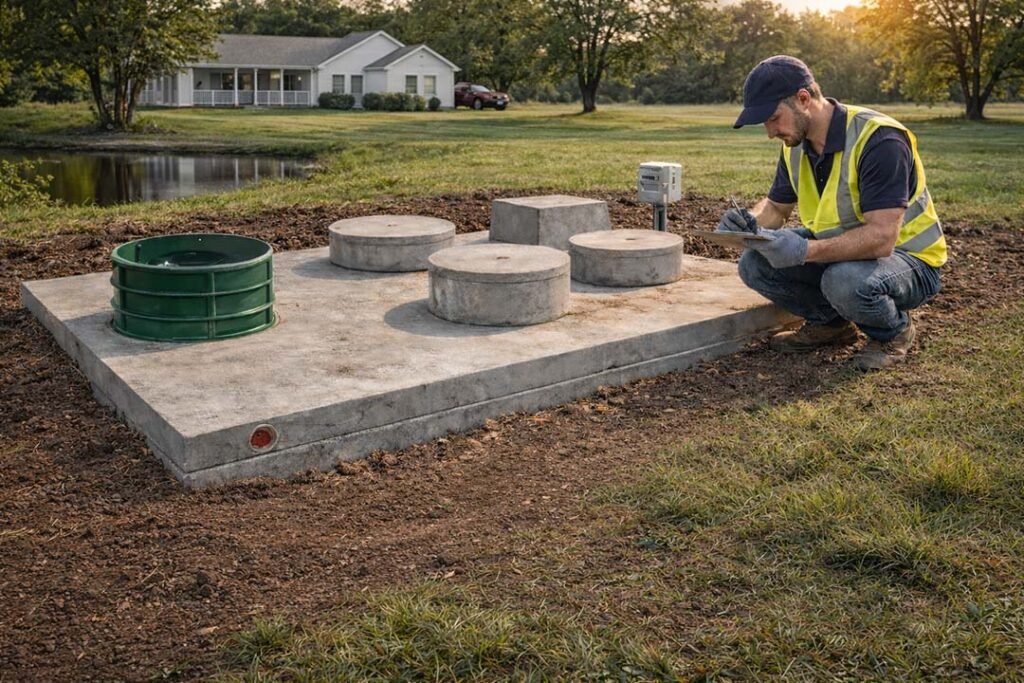
Aerobic septic systems require ongoing professional care to operate correctly and remain compliant with Texas regulations. Unlike conventional septic systems, these units rely on mechanical and electrical components that must function continuously. Regular maintenance is not optional and is often required by county authorities as part of the operating permit.
Most Texas homeowners should plan for annual maintenance costs between $250 and $600. The exact amount depends on the size of the system, household water usage, and how often service visits are required. Homes with higher daily water flow or spray distribution systems typically fall toward the higher end of this range.
Routine inspections account for a large portion of yearly costs. These inspections usually range from $150 to $300 per year and are designed to ensure that aerators, pumps, alarms, and treatment chambers are working properly. Many counties require documented inspection reports to keep the system legally approved.
Disinfection is another ongoing expense. Most aerobic systems use chlorine tablets or similar treatment methods to disinfect wastewater before it is released. Homeowners generally spend $50 to $150 annually on disinfection supplies, depending on usage and system design.
Because aerobic systems operate using electricity, power consumption also contributes to yearly costs. Electrical usage typically adds $100 to $200 per year to household utility bills. While this cost is modest, it is continuous and should be considered when budgeting long term.
Minor repairs can occur over time and vary in cost. Replacing floats, alarms, or small mechanical components is common as systems age. While these repairs are not always predictable, routine maintenance helps identify issues early and reduces the risk of major failures.
Neglecting regular maintenance can lead to system breakdowns, regulatory fines, or even suspension of operating permits in stricter Texas counties. Consistent servicing protects both system performance and long-term investment value.
Is an Aerobic Septic System Required in Texas?
Many Texas counties require aerobic septic systems when soil conditions or lot size prevent safe wastewater absorption. In practice, aerobic systems are commonly required for:
- Small residential lots
- Properties near lakes or waterways
- Areas with poor soil absorption
- Homes with shallow groundwater levels
Local authorities make the final determination during the permitting process.
According to the U.S. Environmental Protection Agency, aerobic systems are often used in areas where conventional septic systems cannot meet environmental protection standards. More information is available at EPA.
How Long Does an Aerobic Septic System Last?
With proper maintenance, an aerobic septic system in Texas can last 20 to 30 years. Mechanical components such as aerators and pumps may need replacement every 7 to 12 years, depending on usage and maintenance quality.
From field observations, systems that receive consistent professional service tend to last significantly longer and experience fewer costly failures.
How to Reduce Aerobic Septic System Costs
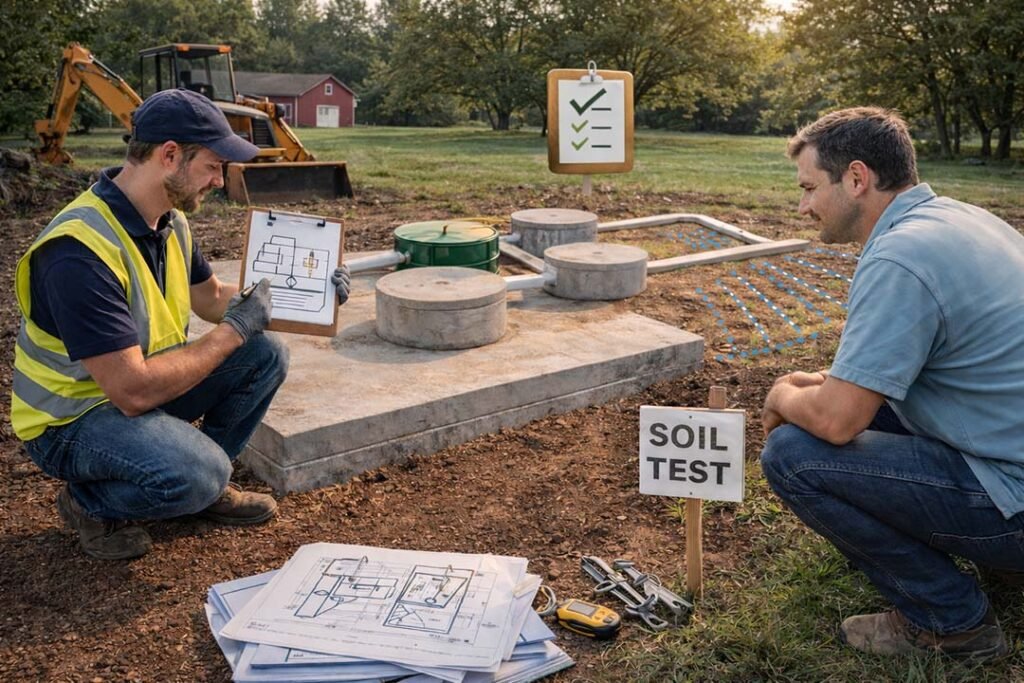
While certain requirements for aerobic septic systems in Texas cannot be avoided, homeowners can still reduce overall costs through careful planning and informed decision making. Taking the right steps early in the process often prevents unnecessary expenses and helps keep the project within budget.
Completing soil testing at the beginning of the planning stage is one of the most effective ways to control costs. Accurate soil analysis allows the system to be properly designed for the site, reducing the risk of redesigns or modifications later. In many cases, early testing helps avoid oversized systems that increase installation and material costs.
Choosing a system that matches the actual needs of the household is equally important. Larger systems are more expensive to install and maintain, and they are not always necessary. Selecting an appropriately sized aerobic system based on water usage and home size ensures efficiency without paying for excess capacity.
Avoiding unnecessary upgrades can also make a noticeable difference in total cost. Some features may sound appealing but offer little practical benefit for the property. Sticking to what is required by local regulations and site conditions helps prevent spending on additions that do not improve performance.
Regular maintenance plays a key role in long-term cost control. Consistent servicing helps identify small issues before they become major repairs, reducing the likelihood of costly component replacements or system failures over time.
Finally, working with an experienced septic contractor who understands Texas regulations can prevent expensive design and permitting mistakes. Contractors familiar with local requirements are better equipped to recommend compliant solutions that balance performance, cost, and long-term reliability.
Is an Aerobic Septic System Worth the Cost?
Although the upfront cost is higher, aerobic septic systems provide strong environmental protection and allow development on properties that would otherwise be unbuildable.
For many Texas homeowners, an aerobic system is not just an option but a requirement. When installed and maintained correctly, it offers long-term reliability and compliance with local health standards.
Frequently Asked Questions
What factors raise the total installation cost
Several site-specific factors can increase the overall cost. Rocky excavation, clay-heavy soil, drip irrigation disposal systems, long pipe runs, and stricter county permitting all add complexity. Electrical work and upgraded control panels may also increase the final price.
How often does an aerobic system need maintenance in Texas
Most aerobic systems require routine service and inspections on a scheduled basis, often every three to six months depending on local regulations. Regular maintenance helps prevent system failures and keeps the system compliant.
Do aerobic septic systems require electricity
Yes. Aerators, pumps, alarms, and control panels all rely on electrical power. Extended power outages can affect treatment performance and may trigger system alarms.
How long do aerobic septic systems usually last
With proper maintenance, an aerobic septic system can last between 20 and 30 years. Mechanical components such as pumps and aerators often need replacement sooner, typically every 7 to 12 years.
Can I install an aerobic septic system on a small lot
In many cases, yes. Aerobic systems are commonly approved for smaller lots or properties with poor soil conditions, though final approval depends on county regulations and site evaluation results.
Final Thoughts
So, how much is an aerobic septic system in Texas? For most homeowners, the total investment typically falls between $9,500 and $18,000, though final pricing depends on factors such as soil conditions, system size, property layout, and local regulatory requirements. While this represents a higher upfront cost compared to conventional systems, aerobic systems are often necessary to meet Texas health and environmental standards. Protecting that investment comes down to careful planning, choosing a qualified septic professional, and committing to routine maintenance. When properly designed, installed, and maintained, an aerobic septic system delivers dependable long-term performance, regulatory compliance, and peace of mind for Texas property owners.