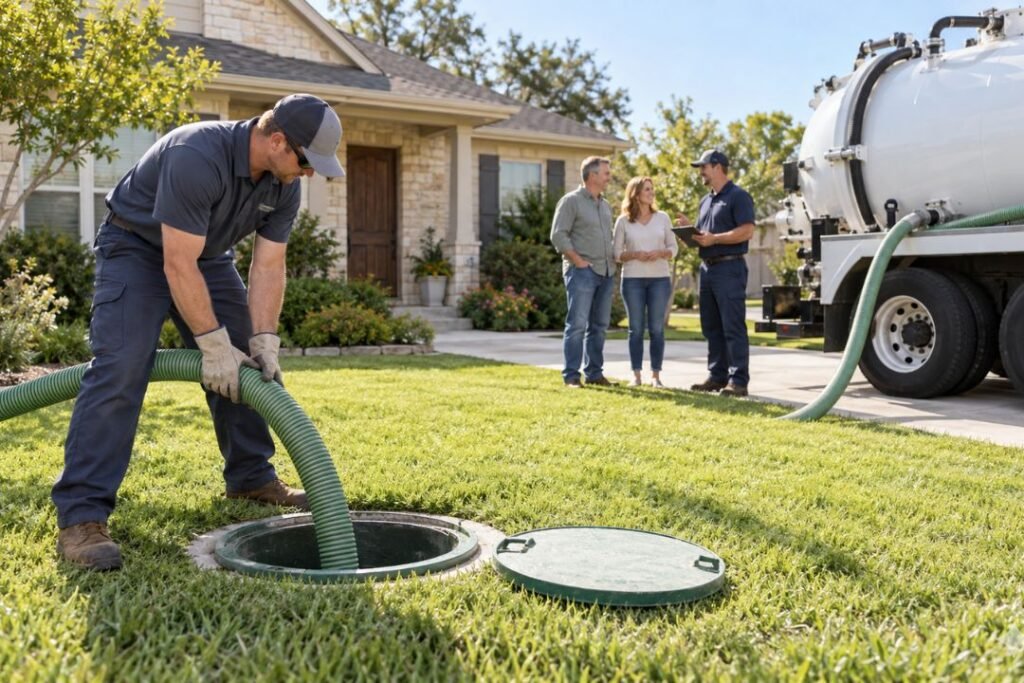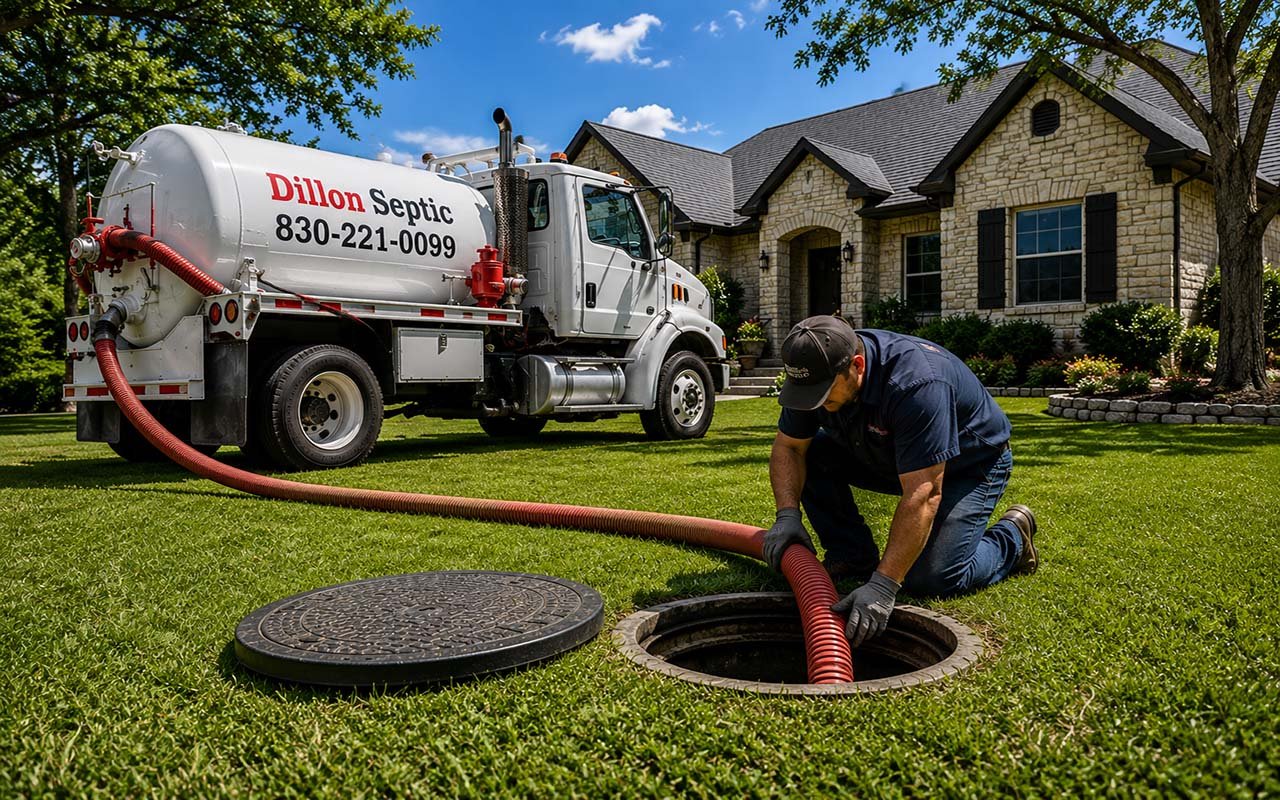
If you own a septic system, understanding the peak seasons for septic tank pumping Texas homeowners experience each year can help you avoid long wait times, unexpected problems, and costly repairs. Timing plays an important role in maintaining a healthy septic system, especially in a state like Texas, where weather conditions and seasonal activities significantly affect septic usage.
Many homeowners wait until they notice slow drains or unpleasant odors before scheduling service. In our experience, proactive maintenance is one of the best ways to extend the life of a septic system and reduce emergency service calls.
Texas experiences seasonal fluctuations in septic pumping demand. Spring and early summer are often the busiest periods for septic professionals because many homeowners schedule maintenance before family gatherings, property improvements, and increased household water usage.
Knowing when demand is highest can help you plan ahead and keep your septic system operating efficiently throughout the year.
Why Seasonal Timing Matters for Septic Tank Pumping
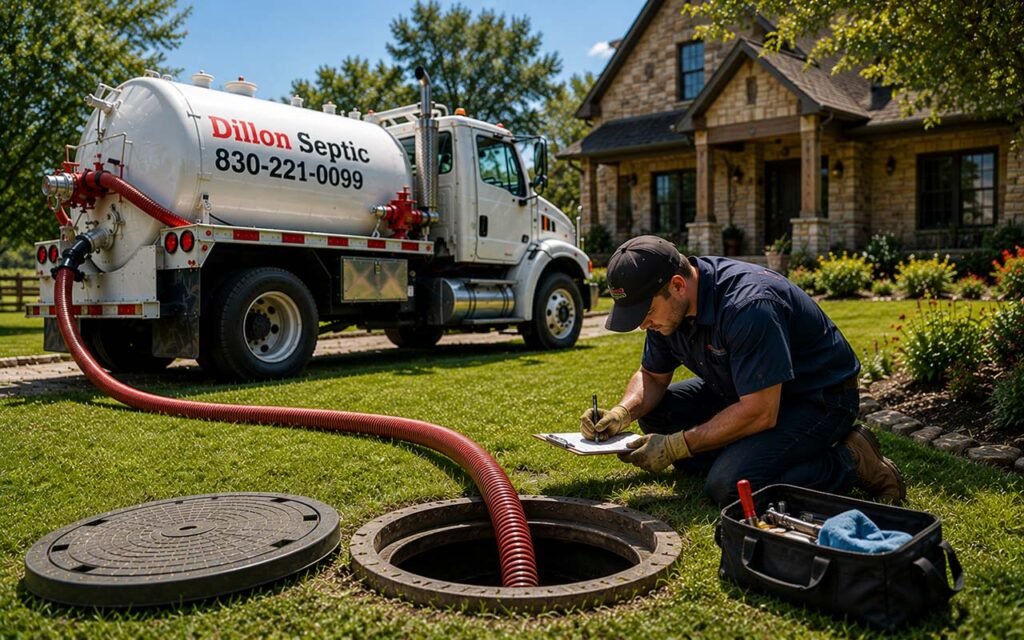
Your septic system works around the clock to manage wastewater and keep your home running smoothly. While it may not always be visible, it requires regular maintenance to perform efficiently. Seasonal changes can affect how much stress your septic system experiences, making the timing of maintenance more important than many homeowners realize.
In Texas, water usage often increases during the warmer months. Families host guests, spend more time at home, and use more water for everyday activities like laundry, cooking, and cleaning. These changes can place additional demand on your septic system and increase the likelihood of problems if maintenance has been delayed.
Scheduling septic tank pumping before peak demand periods offers several advantages. It can improve system performance, reduce the risk of unexpected backups, and make it easier to secure a convenient service appointment. In our experience, homeowners who plan routine septic maintenance are far less likely to face costly repairs or emergency septic issues later.
Peak Seasons for Septic Tank Pumping in Texas
The demand for septic tank pumping services varies throughout the year. Understanding these seasonal patterns can help homeowners schedule maintenance more effectively.
| Season | Septic Service Demand | Maintenance Recommendation |
|---|---|---|
| Spring | Very High | Schedule service early |
| Early Summer | High | Book appointments in advance |
| Late Summer | Moderate | Good time for maintenance |
| Fall | Moderate | Prepare for holiday gatherings |
| Winter | Lower | Flexible scheduling opportunities |
Spring is typically one of the busiest seasons for septic tank pumping in Texas. Homeowners often schedule maintenance after winter and before outdoor entertaining begins.
Early summer also experiences high demand. Increased water usage from family visits, children being home from school, and seasonal activities can place extra stress on septic systems.
Fall is another excellent time to schedule service, especially before the holiday season when household occupancy often increases.
Winter generally offers more flexible scheduling opportunities in many Texas communities, making it an ideal time for preventative maintenance if your system is due for service.
Spring Is the Busiest Season for Septic Maintenance
Spring is one of the busiest times of the year for septic tank maintenance in Texas. As the weather becomes more comfortable, many homeowners begin tackling seasonal property maintenance projects, including septic system inspections and pumping. This increase in demand often makes spring a peak season for septic service appointments.
Many property owners prefer to schedule septic maintenance in spring so their systems are ready before the hot summer months arrive. It is also a practical time to prepare for family gatherings, holiday weekends, and increased household water usage during summer. Taking care of maintenance early can help prevent inconvenient septic issues later in the year.
In our experience, homeowners who schedule septic tank pumping in early spring benefit from greater appointment availability and more flexibility if repairs or additional maintenance are needed. Planning ahead not only helps protect your septic system but also provides peace of mind throughout the busy months ahead.
How Texas Weather Impacts Septic System Performance
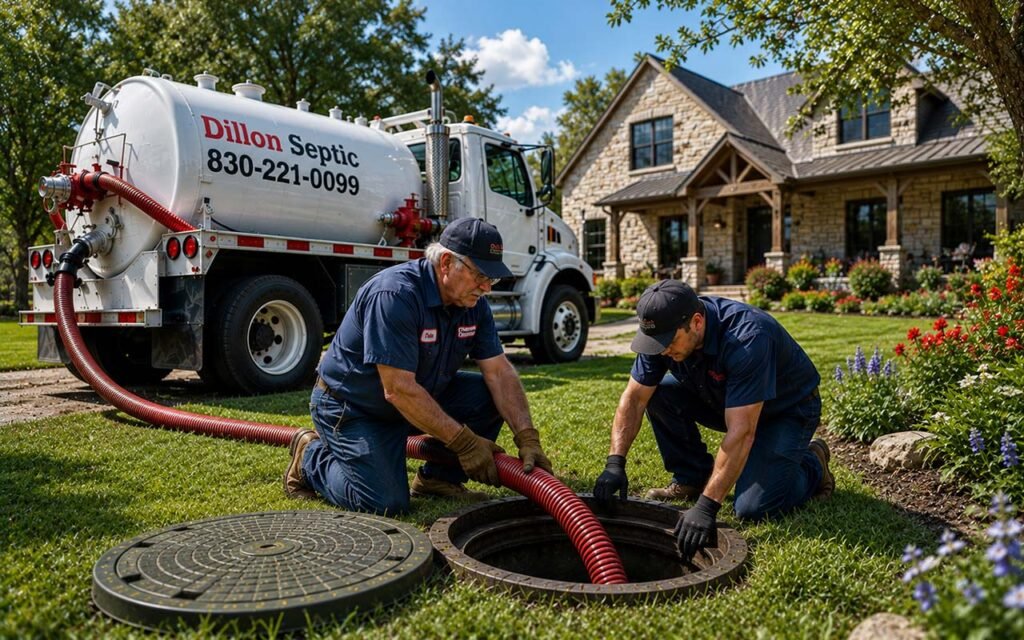
Texas weather can have a significant impact on how well your septic system performs throughout the year. From heavy rainfall and prolonged dry spells to extreme summer heat, changing weather conditions can place additional stress on both septic tanks and drain fields.
After periods of heavy rain, the soil around your drain field may become saturated, making it more difficult for wastewater to filter properly. During hot Texas summers, increased water usage inside the home can also put extra demand on your septic system. While septic systems are designed to operate year-round, environmental factors can affect their overall efficiency if they are not properly maintained.
Homeowners should watch for warning signs such as standing water near the drain field, slow drains, unpleasant odors, or unusually green patches of grass above septic components. In our experience, routine septic maintenance and timely pumping help prevent many weather-related issues and keep septic systems performing reliably in every season.
Signs Your Septic Tank Needs Pumping
Many homeowners ask whether they should wait for symptoms before scheduling service. The answer is usually no.
Septic tanks should be pumped based on usage, household size, and tank capacity rather than waiting for a problem to occur.
Some common warning signs include:
- Slow drains throughout the home.
- Gurgling sounds from plumbing fixtures.
- Sewage odors indoors or outdoors.
- Standing water near the septic system.
- Frequent plumbing backups.
- Overflow around septic access lids.
Even if your system appears to be functioning normally, regular inspections remain important.
Industry recommendations often suggest pumping every three to five years for many residential systems. However, larger households or heavy water users may require more frequent maintenance.
In our field experience, preventive pumping almost always costs less than repairing septic damage caused by neglect.
How Often Should Texas Homeowners Schedule Septic Pumping?
There is no universal septic pumping schedule that works for every home in Texas. The frequency of septic maintenance depends on several factors, including the size of your household, septic tank capacity, daily water usage, and how often the property is occupied. Even the age of your septic system and whether you use a garbage disposal can affect how quickly solids accumulate inside the tank.
A larger family will naturally produce more wastewater than a smaller household, which means the septic tank may need to be pumped more frequently. Likewise, vacation homes and short-term rental properties often experience fluctuating usage patterns that can impact maintenance needs.
As a general guideline, smaller households may only need septic pumping every 4 to 5 years, while average-sized families typically benefit from service every 3 to 5 years. Larger households may require pumping every 2 to 3 years. In our experience, routine septic inspections are the best way to determine the right maintenance schedule for your specific system and avoid unexpected issues.
Expert Tips for Avoiding Peak Season Delays
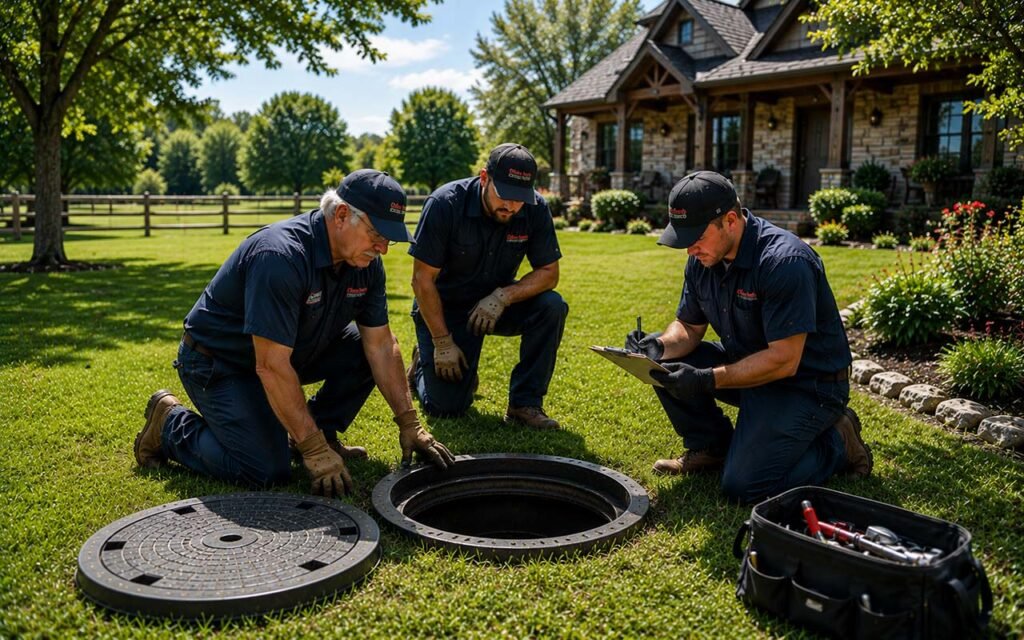
Peak septic maintenance seasons can result in limited appointment availability. Planning ahead is one of the easiest ways to avoid unnecessary delays.
We recommend scheduling routine service several weeks before you expect increased household activity.
Consider these practical tips:
- Schedule septic inspections annually.
- Pump your septic tank before major holidays.
- Avoid waiting until symptoms appear.
- Maintain service records for future planning.
- Ask your septic professional about recommended pumping intervals.
Homeowners who treat septic maintenance as part of their annual property upkeep tend to experience fewer emergency repairs over time.
Routine maintenance also protects the substantial investment represented by your septic system.
At Dillon Septic, we provide dependable septic pumping services across Texas. Our experienced team is committed to keeping your septic system running efficiently with timely maintenance and professional care you can trust.
Why Preventive Septic Maintenance Saves Money
Preventive septic maintenance is one of the smartest investments homeowners can make. Because septic systems operate underground and usually work without problems for years, it is easy to forget about routine maintenance. However, waiting until something goes wrong can lead to expensive and avoidable repairs.
Routine septic tank pumping costs significantly less than replacing damaged components or repairing a failed drain field. Small maintenance expenses today can help prevent major problems that may disrupt your daily life and result in costly service calls. Common issues caused by neglected maintenance include sewage backups, unpleasant odors, drain field damage, and wastewater problems that can affect your property.
Regular septic maintenance also improves system efficiency and helps extend its lifespan. Many well-maintained septic systems continue to perform reliably for decades. In our experience, homeowners who follow a routine maintenance schedule spend far less on emergency repairs and enjoy greater peace of mind knowing their septic system is operating as it should.
Frequently Asked Questions
What is the best season for septic tank pumping in Texas?
Spring and fall are often ideal seasons for septic maintenance. Scheduling service before peak demand periods can improve appointment availability and system preparedness.
How often should a septic tank be pumped in Texas?
Most residential septic tanks should be pumped every three to five years, depending on household size, water usage, and tank capacity.
Is winter a good time to schedule septic maintenance?
Yes. Winter often provides more scheduling flexibility and can be an excellent time for preventative septic tank pumping in Texas.
Does summer increase septic system usage?
Yes. Increased water usage from guests, vacations, and outdoor activities can place additional stress on septic systems during summer months.
Can heavy rain affect my septic system?
Heavy rainfall may temporarily reduce drain field absorption capacity and contribute to drainage issues if the system is already overloaded.
Conclusion
Understanding the peak seasons for septic tank pumping Texas homeowners experience each year allows you to plan maintenance more effectively and avoid unnecessary stress. Spring and early summer remain some of the busiest times for septic service providers, while fall and winter can offer excellent opportunities for preventative maintenance.
Regular septic pumping is one of the simplest and most cost-effective ways to protect your property and extend the life of your system. Scheduling service before seasonal demand increases can save time, reduce repair costs, and help your septic system perform efficiently throughout the year.
At Dillon Septic, we have seen how proactive maintenance prevents many of the most common septic issues. A properly maintained septic system provides reliable performance for years, making routine maintenance one of the smartest investments homeowners can make.