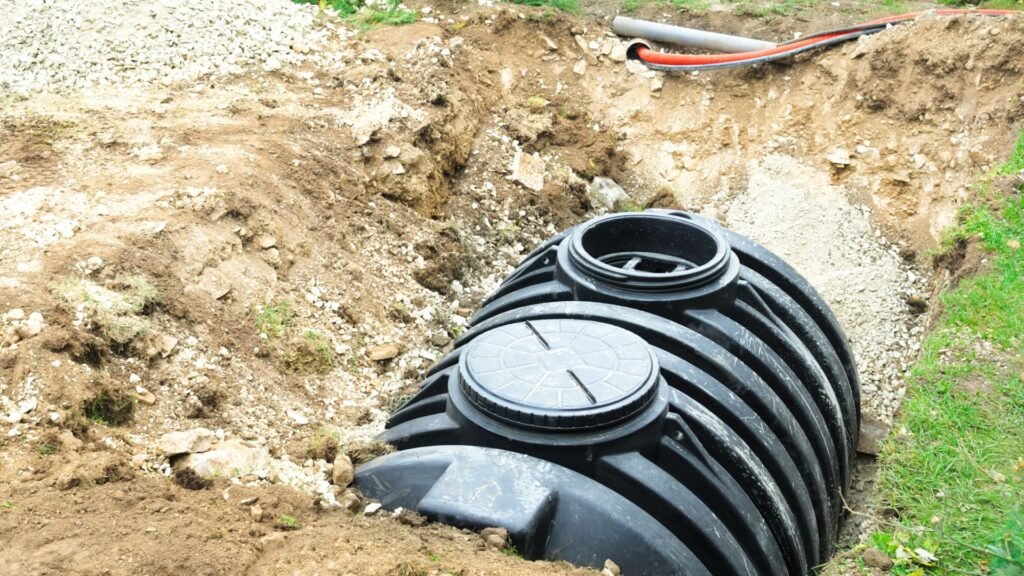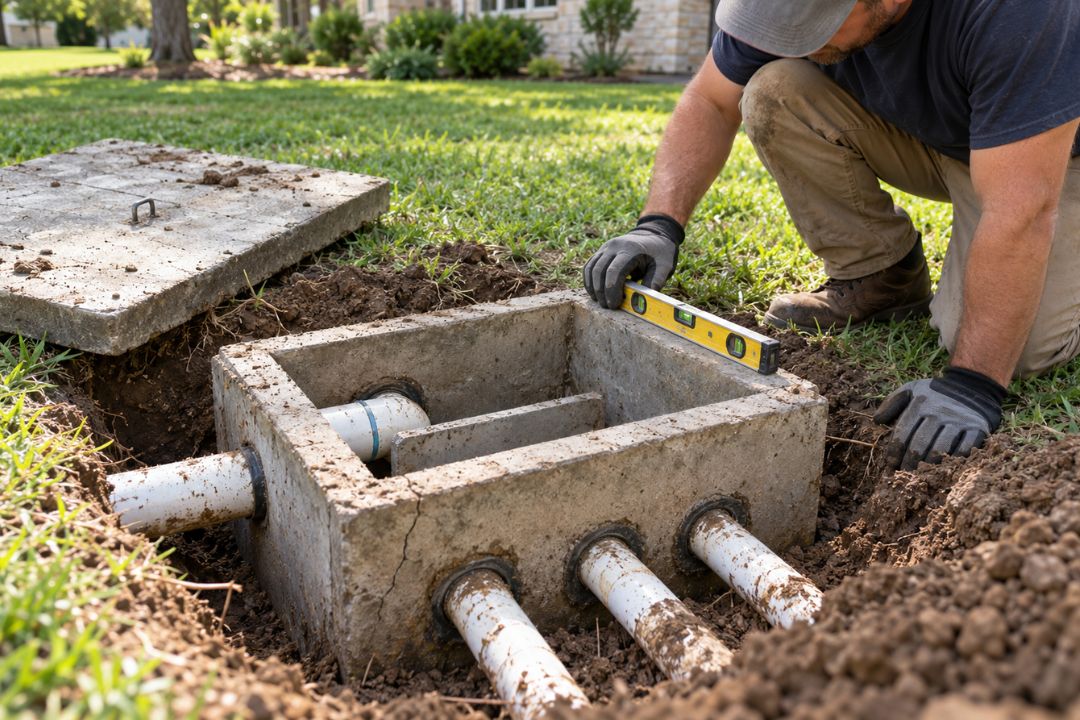
A septic tank distribution box helps spread wastewater from the tank to the drain field. When this small chamber shifts, cracks, or clogs, one part of the field may receive too much water. Other sections may receive very little. Over time, that imbalance can cause wet ground, odors, and drainage problems.
These symptoms do not always mean your whole septic system needs replacement. A damaged box or poor pipe connection may need a targeted repair. The key is finding the cause before choosing a fix.
At Dillon Septic, we focus on understanding the problem first. This guide explains how distribution boxes work, what can go wrong, and which repair options may help.
How a Septic Tank Distribution Box Works
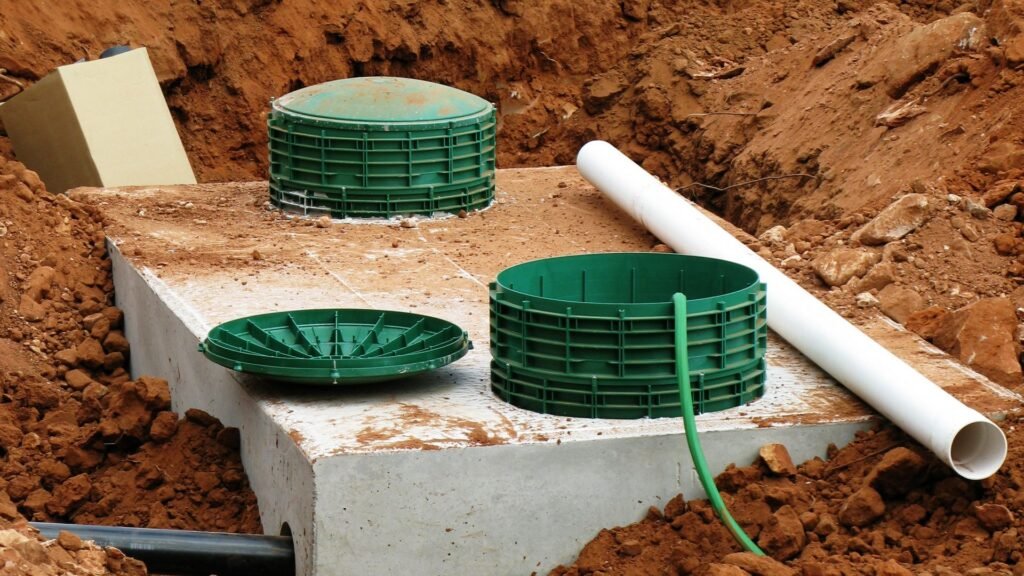
Often called a D-box, this chamber sits between the septic tank and the drain field in many gravity-fed systems. One pipe brings liquid from the tank. Several outlet pipes carry it toward separate drain field trenches.
The tank holds back most solids. The box directs the liquid that leaves it, while the drain field soil provides further treatment. It is a flow control point rather than a second storage tank.
Not every septic system uses this setup. Some use pumps, pressure pipes, or other ways to distribute wastewater. Checking the system plan helps confirm what is installed on your property.
Common Septic Tank Distribution Box Problems
Several faults can affect the chamber and its connections. Finding one issue should also prompt a check for related damage.
A box that has settled or tilted
A gravity distribution box needs the correct outlet elevations to divide flow as designed. If its base settles, one outlet may sit lower than the others.
That lower opening can receive more water, placing extra demand on one trench. New Mexico State University explains that uneven settlement and material caught at outlets can disrupt equal flow.
Cracked walls or damaged connections
Cracks can allow groundwater to enter or wastewater to escape. Loose pipe seals may create similar problems. A damaged lid can also let soil and debris fall inside.
The repair depends on the extent of the damage. A sound chamber with a faulty connection presents a different problem from a box with crumbling walls.
Solids and root blockages
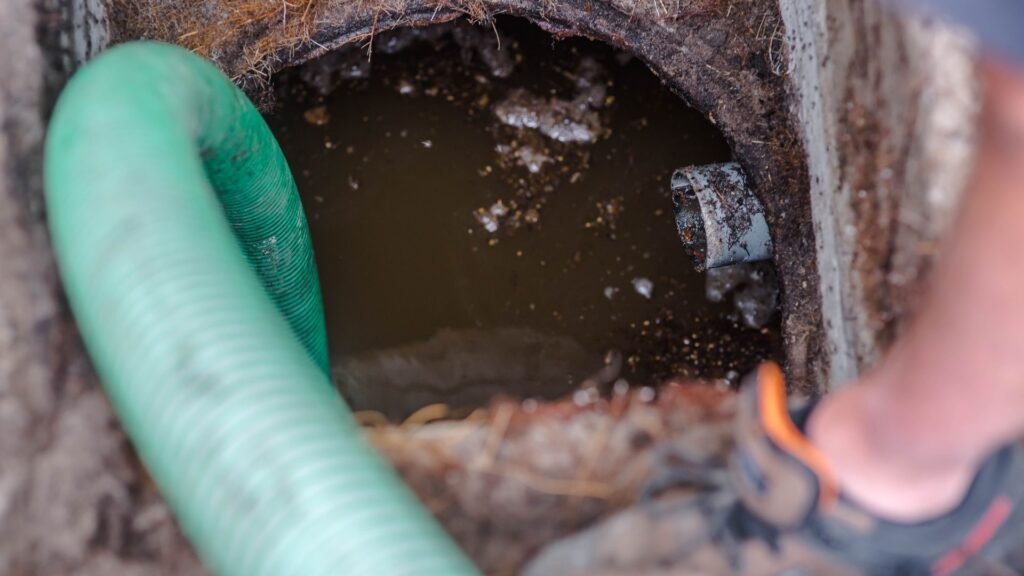
Sludge in the box can point to a problem upstream, such as poor tank maintenance or solids escaping the tank. Removing that sludge without checking its source may leave the cause unresolved.
Roots can enter through openings and interfere with flow. Inspection should include the surrounding pipes because clearing the visible roots alone may miss further damage.
Warning Signs Homeowners Should Notice
Distribution problems often show up in the yard before homeowners know which component is involved.
Look for these changes.
- A wet strip over one drain field trench
- Sewage odors near the field
- Unusually lush grass in a narrow area
- Slow drains throughout the home
- Gurgling sounds or recurring backups
- Problems that return soon after pumping
These signs overlap with clogged pipes, excess water use, and drain field trouble. A green patch alone does not confirm a failed box.
Record when symptoms occur. Note recent rain, heavy laundry use, or changes in household size. That history gives your service provider useful clues without requiring you to open any septic components.
What a Professional Inspection Should Check
A useful inspection looks beyond whether the chamber appears full. Liquid near the outlet level can be normal during operation. The important questions concern flow, condition, and what happens downstream.
An evaluation may include checking the box structure, pipe alignment, outlet elevations, roots, and signs of solids carryover. The service provider should also consider whether water is backing up from the field.
University of Georgia’s drain field troubleshooting guide describes these checks and explains how poor connections or uneven discharge can leave part of a field overloaded.
Ask what the findings show and what remains uncertain. For example, a tilted box may explain uneven flow, but it does not prove that an overloaded trench still absorbs water well.
Septic Distribution Box Repair Options
The best repair addresses both the damaged part and the reason it failed. Septic distribution box repair may involve one or several steps.
Cleaning the chamber and checking the tank
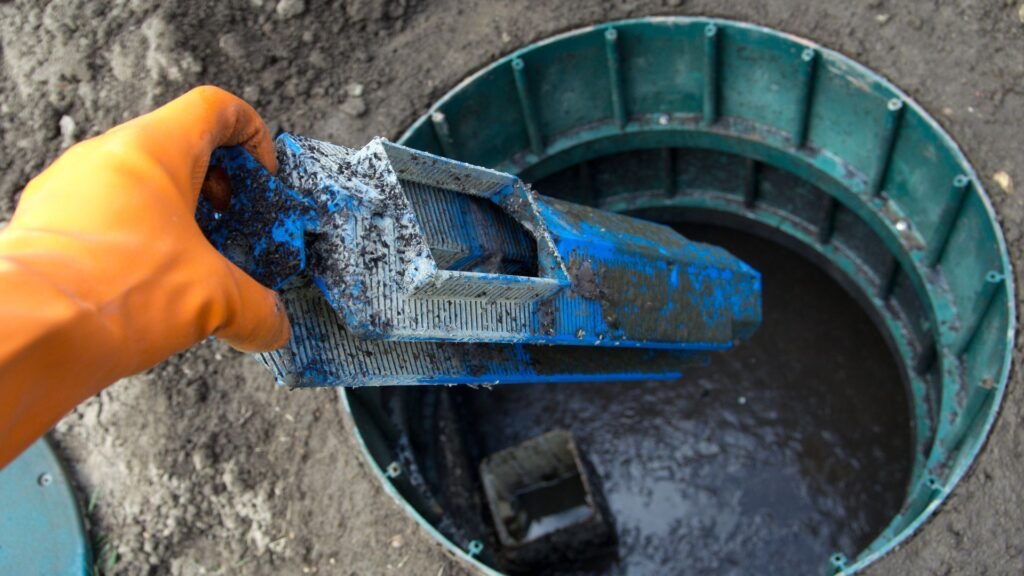
A professional may remove accumulated material and inspect the inlet and outlets. If solids have reached the box, the tank’s sludge level, outlet baffle, and filter deserve attention where fitted.
Cleaning can restore an open passage. It cannot repair broken walls or restore soil that no longer accepts wastewater.
Resetting and leveling the box
A sound box that has shifted may be suitable for resetting on a stable base. Connected pipes must retain the proper alignment and slope.
Some designs use adjustable outlet devices to balance flow. These should match the system design and manufacturer’s guidance. Adjusting flow should not conceal a blocked or failing trench.
Repairing pipes and seals
A damaged connection may require a new seal, fitting, or short pipe section. The surrounding support also matters. Otherwise, continued movement can strain the same connection again.
The repair should leave the chamber watertight where intended and allow wastewater to move through the designed route.
Replacing a damaged chamber
Distribution box replacement may make sense when walls have deteriorated, the base has failed, or several connections are damaged.
The new component must suit the existing layout and intended flow. After installation, the contractor should check connections and verify discharge before covering the work.
Investigating the drain field
If water continues backing up after a distribution fault is corrected, further field evaluation may be needed. Replacing the box alone will not fix every downstream problem.
Ask whether the proposed work restores distribution, repairs a line, or addresses soil treatment capacity. Those are separate goals.
What Affects Repair Costs?
A reliable estimate requires details about the site. The price of the box itself is only part of the job.
Cost factors can include burial depth, access for equipment, pipe condition, excavation, disposal, and yard restoration. Additional tank or drain field work can change the scope.
Request a written estimate that explains what is included. Ask whether the quote covers diagnosis, parts, labor, flow checks, and backfilling.
Also ask what would trigger extra work. Clear terms make it easier to compare options and avoid approving a small repair under the mistaken belief that it includes a full system restoration.
What to Do While Waiting for Service
If sewage is backing up or surfacing outside, reduce water use and arrange prompt service. Keep children and pets away from affected ground.
Avoid running several water-heavy appliances together. Postpone laundry when possible, and stop using fixtures that worsen a backup.
Leave lids, digging, and pipe adjustments to trained professionals. Septic components may contain harmful gases, contaminated water, and unstable covers. Never enter a tank or chamber.
Do not add drain cleaners or products that promise to repair the system. A chemical cannot level a tilted box, replace a broken pipe, or rebuild damaged walls.
How to Help Prevent Future Problems
Good maintenance starts at the tank. Keeping excess solids from leaving it helps protect downstream components.
The EPA’s septic system care guidance recommends regular inspections, pumping based on system needs, efficient water use, and protection of the drain field. It notes that household tanks are commonly pumped every three to five years, with actual needs varying by use and tank size.
Practical habits include spreading laundry across the week, repairing leaking toilets, and keeping grease and wipes out of drains. Keep vehicles off the field and direct roof runoff away from it.
Save inspection reports, repair photos, and a location sketch. These records help the next technician find components and understand past work.
Conclusion
A septic tank distribution box plays a key role in moving wastewater evenly through your drain field. Small problems, such as cracks, clogs, or uneven settling, can disrupt that flow and place extra strain on your system. However, these issues do not always require a complete septic system replacement.
A professional inspection helps identify the cause and determine whether cleaning, leveling, pipe repairs, or box replacement is the right solution. Taking action early may help limit damage and prevent recurring drainage problems.
If you notice sewage odors, wet patches, slow drains, or repeated backups, contact Dillon Septic for help. Our team can assess your system, explain the findings, and recommend practical next steps based on your property’s needs and overall condition.