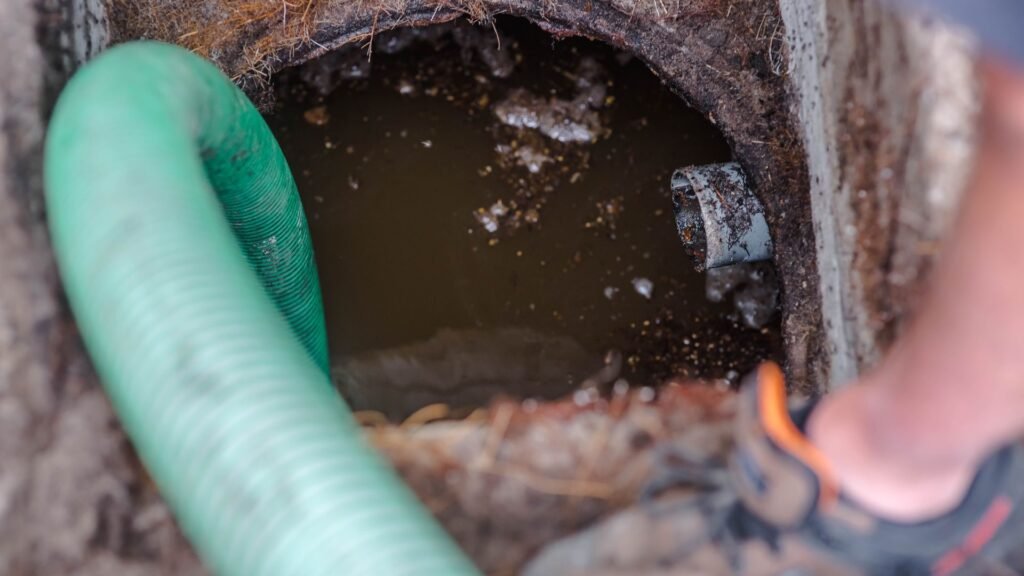
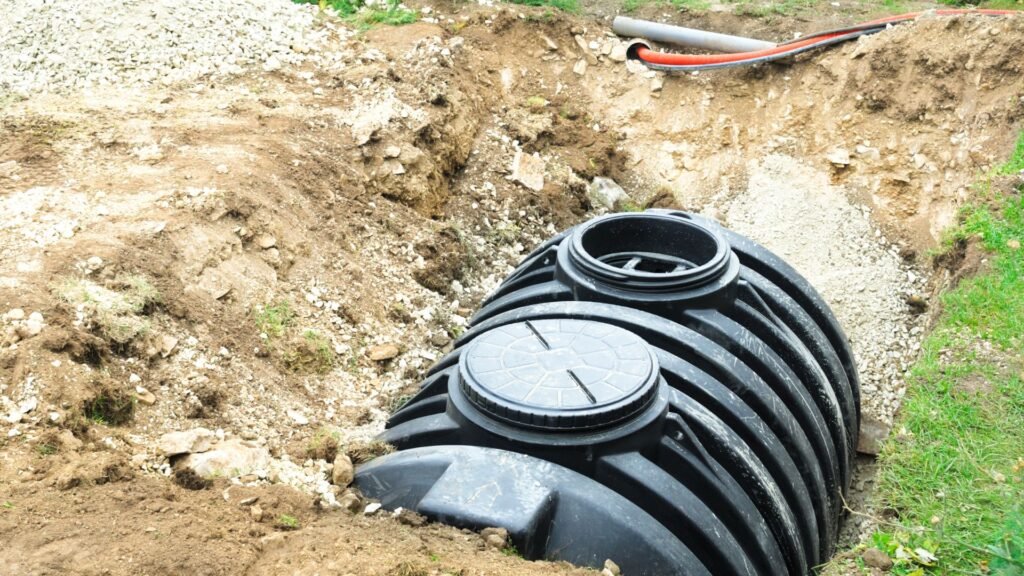
Septic tank laws in Texas establish who regulates on-site wastewater systems, when authorization may be needed, and what property owners and regulated professionals are expected to do. These laws are intended to protect public health, groundwater, neighboring properties, and the environment.
Legal responsibility does not end when a septic system is installed. Property owners may need to maintain required agreements, keep the system from creating a nuisance, provide access for authorized inspections, and obtain approval before making certain changes. Installers and other professionals must work within their licenses and follow the approved plans.
This article focuses on legal responsibility, authorization, complaints, and enforcement. For technical requirements covering permits, system components, inspections, and maintenance, read our guide to Texas septic system regulations. Homeowners looking for practical daily care guidance can review our Texas septic tank rules.
This article provides general educational information and is not legal advice. Requirements may vary by jurisdiction and property. Contact the local authorized agent or the Texas Commission on Environmental Quality for guidance about a specific system or project.
What Is an OSSF Under Texas Law

Texas regulatory materials commonly use the term on-site sewage facility, usually shortened to OSSF. An OSSF is a wastewater system that collects, treats, and disposes of sewage on or near the property where it is produced rather than sending it to a centralized municipal sewer system.
The term covers more than the septic tank. Depending on the approved design, an OSSF may include tanks, piping, pumps, treatment equipment, distribution components, and a disposal area. Conventional septic systems, aerobic treatment units, low-pressure dosing systems, and other approved designs can fall within the OSSF framework.
This legal definition matters because permits, licenses, maintenance conditions, investigations, and enforcement documents may refer to an OSSF instead of using the everyday term septic system. A property owner who receives a notice about an OSSF should understand that the notice concerns the property’s on-site wastewater system.
Not every wastewater arrangement is lawful simply because it is located on private property. The system must be authorized when required and operated in a way that does not create an unlawful discharge, public-health concern, or nuisance.
The Role and Authority of TCEQ
The Texas Commission on Environmental Quality, commonly known as TCEQ, provides the statewide regulatory framework for OSSFs. Its role includes developing rules, overseeing aspects of the OSSF program, establishing licensing requirements for regulated professionals, and approving local governmental entities to administer OSSF programs.
TCEQ does not personally issue every residential septic permit or inspect every system in Texas. Many day-to-day responsibilities are administered locally. However, local programs operate within the state framework and cannot simply disregard applicable statewide requirements.
TCEQ also provides official rules, guidance, forms, and educational resources. Property owners, designers, installers, and maintenance providers should use current official information because program requirements may change. Advice received years ago may no longer reflect the rules or local procedures that apply to a new project.
When a question involves licensing, statewide interpretation, or a jurisdiction without a local authorized agent, TCEQ may be an appropriate source of direction. For property-specific permitting, the first contact is often the local authority responsible for the area.
How Local Authorized Agents Enforce the Rules

A local authorized agent is a governmental entity approved to administer an OSSF program within a defined jurisdiction. Depending on the location, that role may be handled by a county, municipality, health district, river authority, or another qualifying entity.
The authorized agent may review applications, evaluate plans, issue authorizations, conduct required inspections, receive maintenance documentation, investigate complaints, and pursue corrective action when a system violates applicable requirements.
This local role explains why procedures can differ across Texas. Two counties may follow the same statewide framework but use different application forms, fees, scheduling processes, documentation requirements, or local orders. A contractor’s experience in one county does not guarantee that the same administrative process applies in another.
Property owners should identify the correct authority before submitting plans or beginning work. County boundaries, city limits, special districts, and delegated jurisdictions can affect which office has responsibility. Contacting the wrong office may delay a project even when the proposed design is otherwise acceptable.
When Authorization May Be Required
Authorization is generally associated with installing a new OSSF, but legal approval may also be relevant when an existing system is repaired, replaced, expanded, relocated, or altered. The exact requirement depends on the proposed work and the local program administering the property.
A new home or building that will rely on an OSSF normally requires an approved wastewater solution before the system is placed into service. The process may involve a site evaluation, design documents, an application, authorization to construct, inspections, and final approval.
Changes to an existing property can also affect the approved wastewater load. Adding bedrooms, converting a garage into living space, creating a guest house, or changing a building’s use may require the system capacity to be reviewed. Approval may be needed even when the tank and disposal area appear to be functioning.
Repairs should not automatically be treated as routine maintenance. Pumping a tank, cleaning a filter, or replacing a minor serviceable part may be handled differently from replacing a tank, moving piping, altering a disposal area, or changing the approved system design.
Before starting work, describe the proposed change to the local authorized agent. Written confirmation is especially valuable when the distinction between maintenance, repair, and alteration is unclear.
Installer and Property-Owner Responsibilities

Legal responsibility is shared among the people involved in designing, installing, operating, and maintaining an OSSF. Each party has a different role.
An installer is responsible for working within the applicable licensing requirements, following the approved plan, using suitable components, and completing the work in a manner that can pass required inspections. An installer should not make unauthorized field changes simply because they are convenient. When site conditions require a design change, the revised work may need review before installation continues.
Designers, site evaluators, maintenance providers, and other regulated professionals are responsible for performing services allowed by their credentials and documenting work as required. Their involvement does not remove the property owner’s responsibilities.
The property owner is generally responsible for operating the system properly, preventing prohibited discharge, arranging required service, preserving access to components, and addressing known problems. Where a maintenance agreement or reporting schedule applies, the owner should confirm that it remains current and retain copies of the reports.
Homeowners should also protect the approved system area from construction, vehicle traffic, drainage changes, and unauthorized modifications. Hiring a contractor does not guarantee that every legal requirement has been satisfied. The owner should verify that required approvals are in place before work begins.
Some situations may qualify for an owner-related exemption or a different installation procedure. These exceptions should not be assumed. Eligibility depends on the applicable law, property, type of work, and local administration. Confirm any claimed exemption with the responsible authority before relying on it.
Repairs, Replacements, and System Alterations
Texas septic law distinguishes ordinary operation and maintenance from work that changes an approved system. The boundary is not always obvious, which is why early communication with the local authorized agent is important.
Routine pumping removes accumulated solids without changing the system design. Cleaning a serviceable filter or completing scheduled maintenance may also leave the approved design unchanged. By comparison, replacing a tank, relocating components, adding treatment equipment, expanding the disposal area, or changing the wastewater flow can affect the authorization.
A repair prompted by system failure may require more than restoring a single damaged part. The authority may need to determine whether the proposed work is compatible with the existing approval and whether the system can continue operating safely.
Tank replacement should not begin solely because a contractor has identified damage. The tank capacity, location, connections, access, and compatibility with the remaining system may need to be reviewed. Likewise, replacing or extending a drain field may require a site evaluation or revised design.
For more information about tank sizing, placement, access openings, structural condition, and replacement requirements, read our guide to Texas septic tank regulations
Property owners should keep written records of approvals, inspections, repairs, and replacement components. Documentation helps show what work was completed and whether the current system matches the authorized configuration.
Complaints, Investigations, and Enforcement
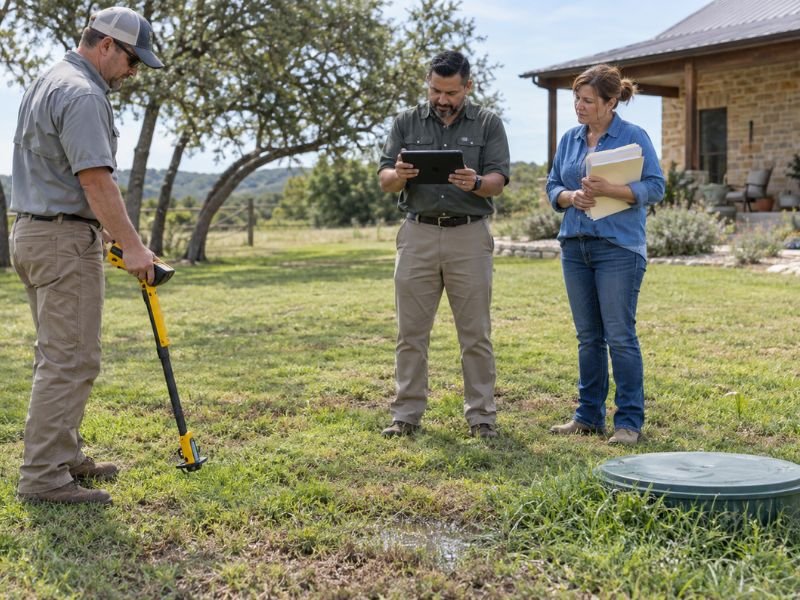
Local authorities may receive complaints about sewage odors, surfacing wastewater, illegal discharge, unpermitted installation, system failure, or work that appears to affect neighboring property or water sources.
A complaint does not automatically prove that a violation occurred. The responsible authority may review records, contact the property owner, inspect visible conditions, or request additional information. The investigation should determine whether the system is creating a problem and which requirements apply.
Property owners should take an official inquiry seriously. Ignoring correspondence or refusing to address an active discharge can allow a manageable issue to become more difficult. Responding promptly, locating the permit records, and arranging a qualified evaluation can help clarify the situation.
If sewage is surfacing, leaving the property, entering a water source, or creating an immediate health concern, reduce wastewater use and contact an appropriate septic professional. The local authority may also need to be notified. Do not cover the affected area with soil or attempt to hide the condition before an inspection.
Enforcement is normally focused on stopping unsafe conditions and bringing the property into compliance. The exact process and authority depend on the jurisdiction and the nature of the alleged violation.
Violations and Possible Corrective Action
Potential violations may include constructing or altering a system without required authorization, failing to follow an approved design, allowing untreated or improperly treated wastewater to discharge, ignoring required maintenance conditions, or refusing to correct a condition that threatens public health or the environment.
Corrective action is not identical in every case. The authority may provide notice of the problem, request records, require an inspection, establish a deadline, or direct the owner to obtain authorization for corrective work. Some situations may be resolved through repair or maintenance. Others may require redesign, component replacement, relocation, or full system replacement.
Administrative penalties, court action, permit restrictions, or other legal remedies may be possible depending on the governing authority and seriousness of the conduct. Because penalty amounts and enforcement options depend on the applicable law and case, homeowners should not rely on a generic online fine range.
Good-faith cooperation does not guarantee a particular outcome, but timely action usually gives the property owner more options than allowing a known problem to continue. Keep copies of notices, inspection findings, photographs, contractor evaluations, approvals, and completed repair documents.
If a dispute involves property rights, liability, enforcement orders, or significant financial consequences, seek advice from a qualified Texas attorney. A septic contractor can evaluate the physical system but should not be treated as a substitute for legal counsel.
How the Law Applies to Older or Existing Systems

An older septic system is not automatically illegal simply because current standards differ from the requirements that existed when it was installed. The system’s approval history, condition, use, and local rules all matter.
An existing system may receive additional scrutiny when it fails, creates an unsafe discharge, is expanded, is relocated, or serves a property whose wastewater load is increasing. Major repairs or alterations can trigger review under requirements that apply at the time of the new work.
Homeowners should avoid stating that an old system is grandfathered without confirming its legal status. That word is often used informally and may hide important questions. Was the system legally installed? Is there a permit or other record? Has the property use changed? Is the system creating a nuisance? Is the proposed work a repair or an alteration?
Missing records do not necessarily prove that a system was illegally installed, particularly on an older property. However, the absence of documentation can make future approvals and repairs more complicated. Owners can ask the local authority whether historical permits, plans, or inspection records are available.
When purchasing or renovating a property with an older system, locate the components and review any available documentation before planning construction. The system may work today but still be affected by a bedroom addition, new structure, subdivision, or change in wastewater use.
Why Requirements Vary by County
Texas has a statewide OSSF framework, but administration often occurs at the county or local level. Authorized agents may adopt procedures and local requirements allowed within their authority. Site conditions also vary widely across the state.
A county with shallow rock, sensitive groundwater, dense development, flood-prone land, or small lots may face different practical concerns from a rural area with large parcels. Local programs may therefore require different supporting documents, inspection scheduling, fees, or review steps.
City limits and special jurisdictions can add another layer. A mailing address may not identify the office responsible for OSSF authorization. Before relying on a county website or an installer’s previous experience, verify the actual jurisdiction for the property.
The safest approach is to ask the local authorized agent three direct questions before beginning a project. Confirm whether the proposed work needs approval, what documents must be submitted, and which inspections must occur before the work is covered or used.
Frequently Asked Questions
Is a septic system called an OSSF in Texas law?
Yes. Texas regulatory materials commonly use the term on-site sewage facility, or OSSF, for systems that treat and dispose of wastewater on or near the property where it is generated.
Does TCEQ issue every septic permit in Texas?
No. TCEQ establishes and oversees the statewide framework, but many permits and inspections are administered by local authorized agents. The correct contact depends on the property’s jurisdiction.
Do all septic repairs require a permit?
Not every maintenance or repair activity is treated the same way. Routine pumping or service may differ from replacing a tank, relocating components, altering a disposal area, or changing the approved design. Confirm the requirement with the local authorized agent before beginning significant work.
Can a homeowner be responsible for work completed by a contractor?
Property owners retain responsibilities for the system and property even when they hire professionals. Owners should verify that the contractor is qualified for the work and that required approvals and inspections are completed.
What can happen after a septic complaint is filed?
The responsible authority may review records, contact the owner, inspect the property, or request an evaluation. A complaint is not automatic proof of a violation, but confirmed unsafe conditions may require corrective action.
Is an older septic system automatically illegal?
No. Its status depends on its installation history, condition, use, and local requirements. Failure, expansion, alteration, increased wastewater flow, or unsafe discharge may trigger review or corrective work.
Are Texas septic laws identical in every county?
The statewide framework applies across Texas, but local authorized agents may use different procedures and may adopt requirements allowed within their authority. Always verify the rules for the specific jurisdiction.
Final Thoughts
Septic tank laws in Texas establish a shared framework for state oversight, local administration, professional work, and property-owner responsibility. Understanding who has authority and when approval may be required can prevent unapproved work and reduce confusion when a repair or property change is planned.
Property owners should keep permits and service records, respond promptly to official notices, and verify local requirements before modifying the home or septic system. Older systems deserve particular care because missing records and later property changes can complicate their legal status.
For help evaluating the physical condition of a septic system or planning permitted work, contact Dillon Septic. For a legal interpretation, enforcement dispute, or property-rights question, consult the local authorized agent, TCEQ, or a qualified Texas attorney as appropriate.