A strong sewage smell around your home can be unpleasant and concerning. Whether the smell comes from a bathroom drain, backyard, or septic tank area, it often raises questions about the condition of your wastewater system.
A septic tank odor does not always mean your system is failing. Sometimes, the cause is as simple as a dry plumbing trap or a blocked vent. Other times, the smell may point to a full tank, damaged pipe, or drainage problem that needs professional attention.
Understanding where the smell comes from is the first step toward finding the right solution. This guide explains the common causes of septic odors, how to recognize warning signs, and what homeowners can do to prevent future problems.
What Causes Septic Tank Odor Around Your Property?
Septic systems collect and treat wastewater from toilets, sinks, showers, and other household drains. As waste breaks down inside the tank, bacteria produce gases that must escape through the plumbing ventilation system.
These gases are a normal part of wastewater treatment. However, strong odors inside living spaces or around the septic system may indicate that something is not working as intended.
Common causes include poor ventilation, blocked drains, leaking connections, and problems with wastewater treatment.
The location and timing of the smell can provide useful clues. For example, odors near a bathroom sink may have a different cause than smells coming from a wet area of the yard.
According to the U.S. Environmental Protection Agency, septic odors can occur for several reasons, including ventilation problems and drainfield issues. A smell alone does not confirm system failure.
Why Is There a Septic Smell Inside Your House?
A sewage smell indoors often starts with the plumbing system rather than the septic tank itself. Several household plumbing problems can allow wastewater gases to enter living spaces.
1. Dry or Damaged Plumbing Traps
Most sinks, showers, and floor drains have a curved pipe called a P-trap. This pipe holds a small amount of water that blocks sewer gases from entering the home.
When a fixture remains unused for several weeks, the water can evaporate. This leaves an open path for unpleasant smells.
Running water into an unused drain may restore the seal. If the smell continues, a plumber should check for leaks or damaged connections.
2. Blocked Plumbing Vent Pipes
Plumbing vents help regulate air pressure and direct sewer gases outside through the roof.
Leaves, debris, or other obstructions can affect airflow. This may lead to gurgling drains, slow drainage, or unusual smells near plumbing fixtures.
Vent repairs should be handled by a qualified professional. Climbing onto a roof or attempting to clear a vent without proper equipment can be dangerous.
3. Loose Toilet Seals
A damaged wax ring or loose toilet connection can allow sewer gases to escape around the toilet base.
You may notice the smell becoming stronger after flushing or when using nearby plumbing fixtures.
A plumber can inspect the toilet connection and replace damaged seals if necessary.
4. Problems With the Main Drain Line
A damaged or blocked drain line can also create unpleasant odors inside the house.
Watch for slow drains, repeated clogs, or wastewater backing up into fixtures. These symptoms may indicate a larger plumbing or septic problem.
Why Does Septic Tank Odor Occur Outside Your Home?
Outdoor septic smells can come from ventilation outlets, tank connections, or the drainfield. The source is not always obvious, especially when wind carries odors across the property.
Septic Tank Is Overdue for Pumping
Over time, solid waste collects at the bottom of the tank while grease and other materials form a floating layer.
Without proper maintenance, accumulated solids may reduce the tank’s treatment capacity and increase the risk of blockages.
An overdue tank does not always produce a noticeable smell. However, strong odors combined with slow drainage or backups may indicate that service is needed.
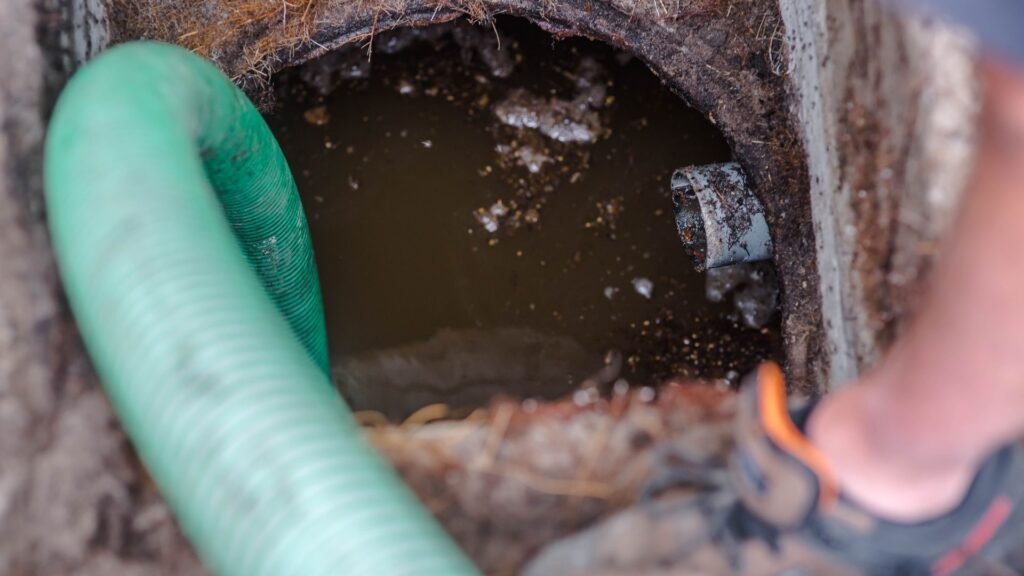
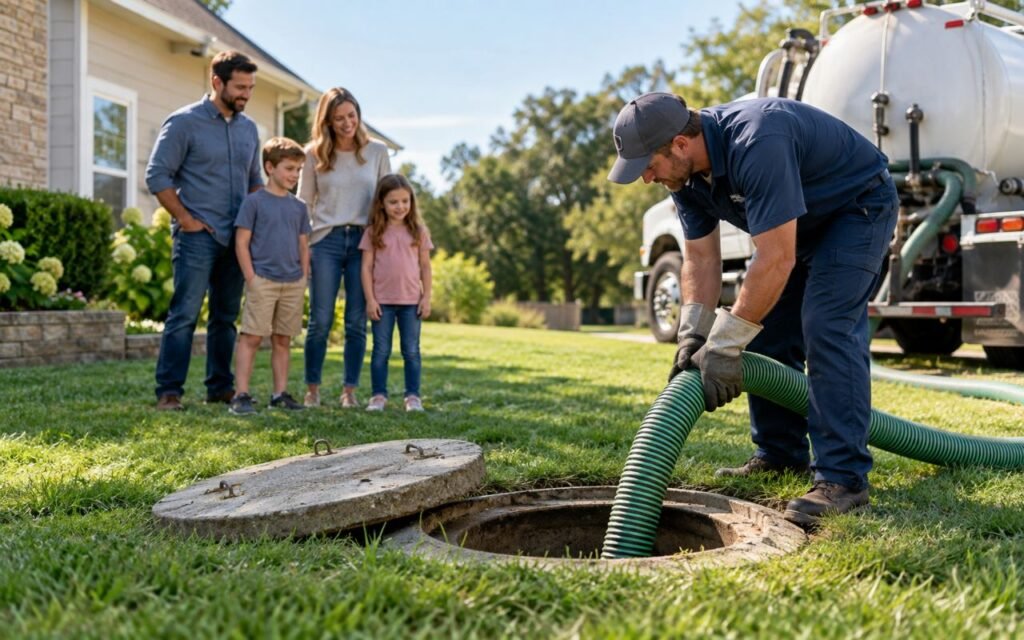
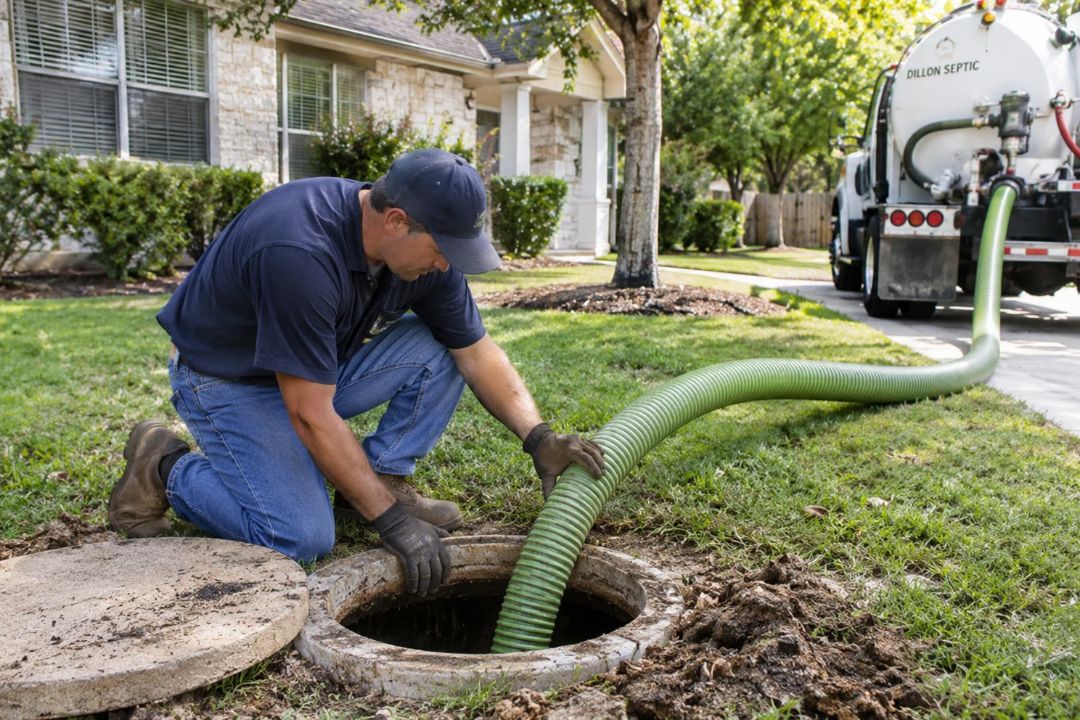
Professional septic tank pumping services can help remove accumulated waste and allow the tank’s condition to be assessed.
Damaged Tank Lids or Connections
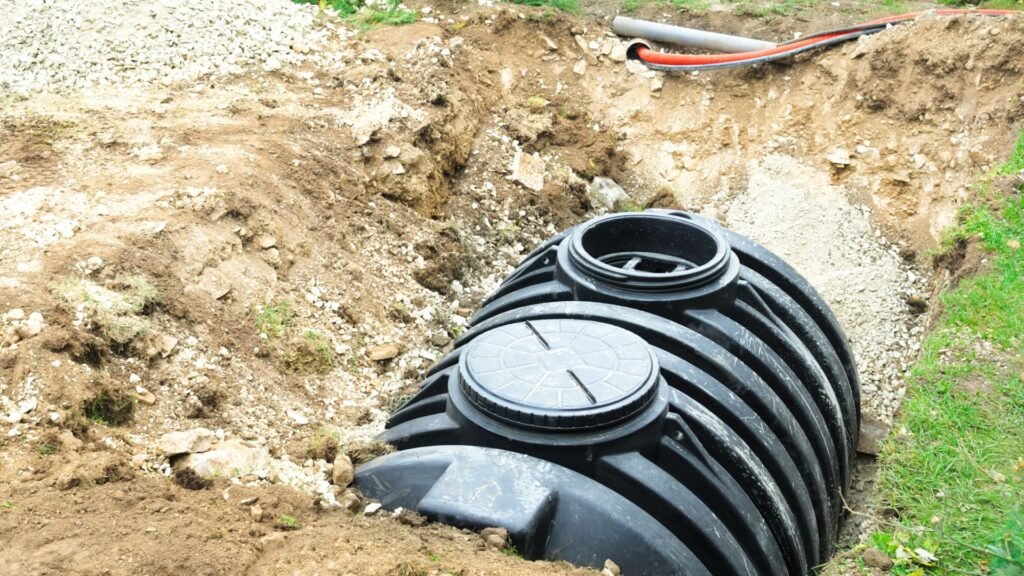
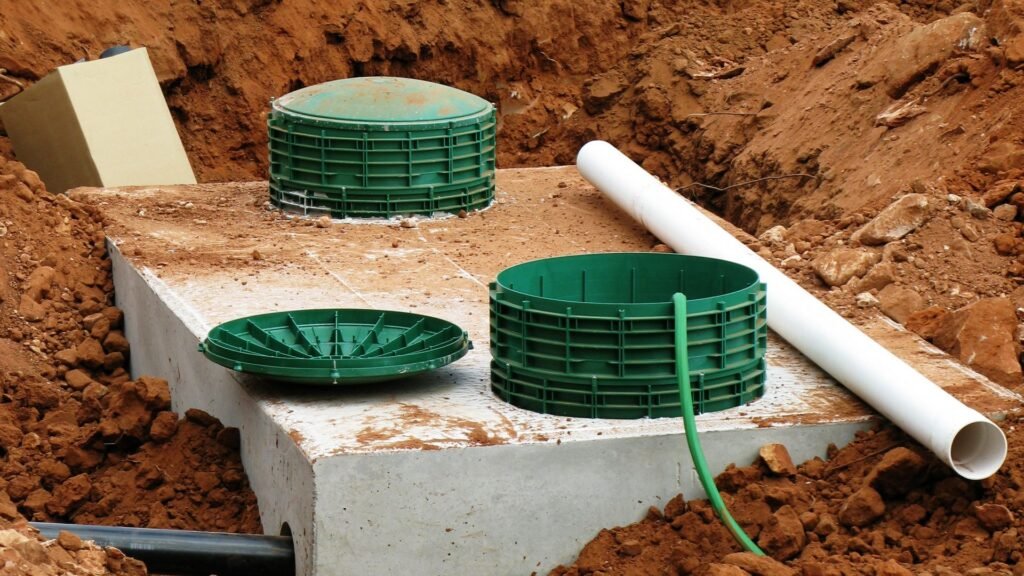
A septic tank should have secure access covers and properly sealed connections.
Cracked lids, damaged risers, or loose fittings may allow gases to escape near the tank.
These problems can develop through aging, soil movement, or physical damage.
Never open or enter a septic tank yourself. Septic gases can be hazardous, and an unsecured opening creates a serious safety risk.
Drainfield Problems
The drainfield receives wastewater after it passes through the septic tank.
If the soil cannot absorb wastewater properly, liquid may collect near the surface. This can cause wet ground, unpleasant smells, and unusually green grass.
These conditions deserve prompt attention because untreated wastewater may create health and environmental risks.
Can a Septic Tank Odor Mean Your System Is Failing?
An occasional outdoor smell does not necessarily indicate a major failure. However, persistent odors combined with other symptoms can suggest that wastewater is not moving or being treated correctly.
Watch for these warning signs.
- Toilets, sinks, or showers drain more slowly than usual.
- Gurgling sounds occur when water flows through household pipes.
- Wastewater backs up into toilets or floor drains.
- Wet or spongy areas appear near the tank or drainfield.
- Grass grows unusually green over the drainfield during dry weather.
- Strong sewage smells continue despite basic plumbing checks.
The Penn State Extension guide to septic system care identifies several of these conditions as possible signs of septic system trouble.
If you notice several symptoms together, schedule an inspection rather than waiting for a complete backup.
How to Get Rid of Septic Tank Odor Safely
The best solution depends on where the smell originates. Covering it with air fresheners or strong cleaning chemicals may hide the problem without correcting it.
Check Unused Household Drains
Start with sinks, showers, and floor drains that receive little use.
Run water into the drains to restore the water seal inside the plumbing traps.
If the smell disappears and does not return, a dry trap may have been responsible.
Reduce Excess Water Use
Too much wastewater entering the system within a short period can place extra pressure on the tank and drainfield.
Spread laundry loads throughout the week, repair leaking faucets, and avoid running several water-heavy appliances at once.
These steps help the system manage wastewater more effectively.
Schedule a Professional Inspection
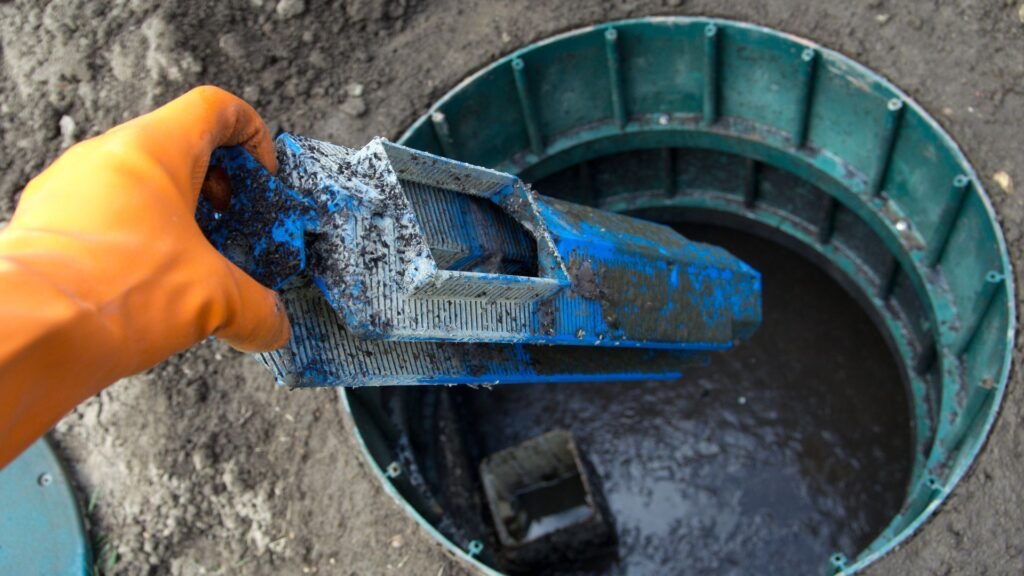
If odors persist, a septic professional can evaluate the tank, accessible pipes, filters, and drainfield.
The inspection may reveal blockages, damaged components, or signs of poor wastewater movement.
Finding the actual cause helps avoid unnecessary pumping or repairs.
Avoid Harsh Chemical Treatments
Chemical drain cleaners and septic additives are not reliable solutions for persistent sewage odors.
Some products may damage plumbing components or interfere with the biological treatment process.
Use septic-safe household practices and seek professional advice before adding specialized treatments.
How Often Should You Pump Your Septic Tank?
Regular pumping is an important part of septic maintenance, but the correct schedule varies from one property to another.
For many conventional household systems, pumping is needed approximately every three to five years. The actual interval depends on tank size, household occupancy, water use, and the amount of accumulated solids.
Homes with larger families or heavy wastewater use may require more frequent service.
Routine inspections help determine when pumping is necessary instead of relying only on a fixed schedule.
Homeowners in Central Texas can contact Dillon Septic to discuss septic pumping, maintenance, and inspection needs.
Can Weather Cause Septic Odors Outside the House?
Weather conditions can influence how wastewater odors move around a property.
Heavy Rainfall
Heavy rain can saturate the soil and reduce the drainfield’s ability to absorb wastewater.
If the system already has drainage problems, wet weather may make odors and surface pooling more noticeable.
Hot Weather
Warm conditions may make existing wastewater smells more noticeable, especially near exposed waste or poorly sealed components.
However, hot weather alone does not mean a septic system is malfunctioning.
Wind Direction
Wind can carry gases from roof vents toward windows, patios, or outdoor living areas.
Changes in airflow may explain why an odor appears only at certain times of day.
If the smell continues, a professional can determine whether the ventilation system needs adjustment.
How to Prevent Septic System Smells
Preventing odors begins with proper maintenance and responsible water use.
A few simple habits can reduce the risk of avoidable problems.
- Arrange routine septic inspections and pumping when needed.
- Keep grease, cooking oil, wipes, and hygiene products out of drains.
- Repair leaking toilets and faucets promptly.
- Avoid driving or parking vehicles over the drainfield.
- Keep roof runoff and other excess water away from the septic area.
- Protect access covers and report visible damage.
- Pay attention to changes in drainage speed or unusual smells.
These practices help protect the tank, pipes, and soil treatment area.
They also make it easier to identify new problems before they become expensive repairs.
When Should You Call a Septic Professional?
Not every unpleasant smell requires major septic repairs. However, persistent odors should never be ignored, especially when they occur with drainage problems.
Contact a professional when the smell remains after checking household drains, returns frequently, or becomes stronger near the septic tank.
Seek prompt help if sewage appears on the ground, wastewater backs up indoors, or several plumbing fixtures stop draining properly.
If you suspect sewage gas is building up indoors, leave the affected area and contact a qualified professional. Do not enter tanks, pits, or other confined spaces.
A professional assessment can determine whether the issue involves household plumbing, septic ventilation, tank maintenance, or wastewater disposal.
Frequently Asked Questions About Septic Odors
Is it normal to smell a septic tank outside?
Occasional odors near a roof vent can occur because of wind conditions. However, persistent sewage smells near the tank or drainfield should be investigated.
Why does my house smell like sewage when it rains?
Heavy rainfall may expose existing drainfield problems by saturating the soil. Plumbing vent conditions can also affect where odors travel. An inspection can help identify the cause.
Will pumping a septic tank remove the smell?
Pumping may help when excess solids or a related blockage contributes to the problem. It will not fix broken vent pipes, dry plumbing traps, or a failing drainfield.
Can septic odors make you sick?
Sewer gases may contain hydrogen sulfide and other hazardous substances. High concentrations can be dangerous. Strong indoor gas odors should be treated as a safety concern.
Why does my bathroom smell like sewage but the drains work?
Possible causes include a dry P-trap, damaged toilet seal, or plumbing ventilation issue. A plumber can inspect these components if the smell persists.
Final Thoughts
A septic tank odor inside or outside your home can have several causes, from simple plumbing issues to more serious wastewater problems. The key is to identify where the smell begins and whether other warning signs are present.
Dry drains and minor ventilation issues may have straightforward solutions. Persistent odors, sewage backups, and wet drainfield areas require professional attention.
Regular inspections, responsible water use, and timely maintenance can help keep your septic system working properly.
If you notice ongoing septic smells around your Central Texas property, contact Dillon Septic to discuss an inspection or appropriate service. Addressing the cause early can help protect your home, property, and wastewater system.