Owning a septic system comes with a few everyday responsibilities. Most problems do not begin with a dramatic failure. They develop slowly because of what goes down the drains, how much water the household uses, or how the area around the system is treated.
Texas septic tank rules include state and local requirements, but homeowners also need practical habits that protect the tank and the rest of the system. Good care can reduce backups, prevent avoidable damage, and make inspections and maintenance easier.
This guide focuses on what homeowners should do after a septic system is installed. For permitting, inspections, and broader compliance information, read our guide to Texas septic system regulations. For tank sizing, approved materials, placement, lids, and structural requirements, see our guide to Texas septic tank regulations.
What You Should and Should Not Flush
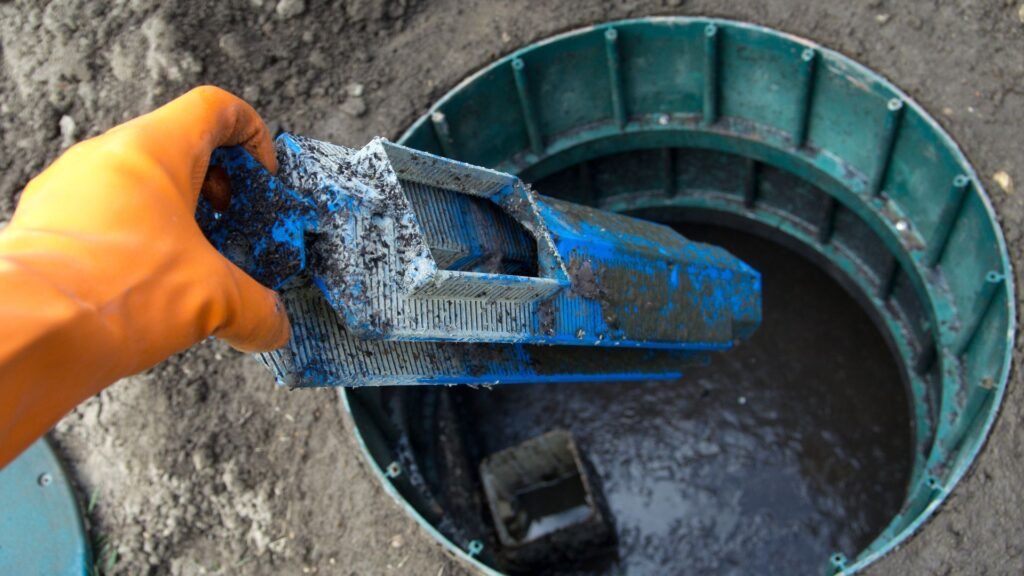
The simplest rule is that toilets should receive human waste and toilet paper. Products marketed as flushable may not break down quickly enough inside a septic system. Wipes can collect around baffles, filters, pumps, and pipes, leading to blockages and expensive service calls.
Do not flush the following items.
- Baby wipes or cleaning wipes
- Paper towels and facial tissues
- Feminine hygiene products
- Cotton swabs or cotton balls
- Dental floss
- Diapers
- Cat litter
- Cigarette waste
- Condoms
- Hair
- Cooking grease or oil
- Paint, solvents, fuel, or pesticides
- Prescription medications
Kitchen habits matter too. Grease may enter a drain as a liquid, but it can cool and harden inside plumbing or the tank. Food scraps also increase the amount of solids the system must hold. Scrape plates into the trash and use a sink strainer to keep larger particles out of the drain.
Normal household use of cleaning products is different from pouring concentrated chemicals down the drain. Avoid sending large amounts of bleach, disinfectant, drain cleaner, paint, solvents, or other harsh substances into the system. These products can interfere with treatment and may create safety or environmental concerns.
Garbage disposals can increase the amount of solids reaching the tank. If your home uses one regularly, the tank may need to be evaluated and pumped more often than a similar household without a disposal.
Pump Based on Sludge Levels and Household Use
There is no single pumping interval that works for every Texas home. A three-to-five-year schedule is often used as a general planning range, but the correct timing depends on how quickly sludge and scum accumulate in your tank.
Pumping frequency is affected by several factors.
- Tank capacity
- Number of people in the home
- Household water use
- Garbage-disposal use
- Amount of solids entering the system
- Whether the home is occupied full time
- Previous pumping and inspection findings
A household with several residents may fill a tank with solids faster than a lightly occupied home. Tank size also matters. Two homes with similar water use can have different service needs if their tanks have different capacities.
Waiting for sewage to back up is not a maintenance plan. By the time wastewater appears in a shower, toilet, or yard, solids may already have moved beyond the tank or the system may have another serious problem.
A septic professional can evaluate sludge and scum levels and recommend a pumping schedule based on the condition of the tank. Keep the pumping receipt and note the condition reported during service. These records provide a more useful history than relying on memory.
Protect the Drain Field

The drain field receives wastewater after it leaves the septic tank. It needs suitable soil and open space to distribute and treat that water. Damage to this area can reduce the system’s ability to work even when the tank itself is in good condition.
Homeowners should keep the drain field covered with grass or other shallow-rooted vegetation. Avoid planting trees and large shrubs near the system because roots can interfere with pipes and distribution components.
Do not build patios, sheds, pools, additions, or other permanent structures over the drain field. Construction can compact the soil, block access, and interfere with wastewater treatment. Always locate the septic components and review the approved plan before starting a property-improvement project.
Surface water should move away from the disposal area. Downspouts, sump-pump discharge, irrigation runoff, and landscape drainage should not be directed toward the drain field. Extra water can saturate the soil and make it harder for the system to accept wastewater from the home.
Watch for wet ground, unusually green grass, sewage odors, or standing water over the field. These conditions can indicate overloading, a damaged component, or a developing failure. Reduce water use and arrange an evaluation rather than covering the area with more soil.
Keep Vehicles and Heavy Equipment Off the System
Cars, trucks, trailers, tractors, and construction equipment should be kept away from the septic tank, lids, pipes, and drain field unless those components were specifically designed and approved for traffic loads.
Vehicle weight can crack a tank, damage a lid, crush shallow piping, or compact the soil in the drain field. Damage may not be visible from the surface, and symptoms may appear weeks or months later.
Mark the system location before contractors, landscapers, or delivery crews enter the property. Temporary flags or a simple property sketch can help prevent accidental traffic over sensitive areas.
If a vehicle has already crossed the system, do not assume damage occurred, but pay attention to settlement, cracked lids, slow drainage, or unusual odors. A professional inspection may be appropriate if the vehicle was heavy or the exact component locations are uncertain.
Manage Household Water Use
A septic system can handle normal daily water use, but large volumes arriving within a short period may overload the tank or downstream components. Spreading water use throughout the day gives the system more time to process wastewater.
Helpful habits include the following steps.
- Repair leaking toilets and faucets promptly
- Spread laundry loads across the week
- Avoid running several high-water appliances at the same time
- Use washing machines and dishwashers with full loads
- Install water-efficient fixtures when replacements are needed
- Address plumbing leaks that continuously send water into the system
A running toilet can add a surprising amount of unnecessary water. Because the flow may be quiet, homeowners do not always notice it. Check toilets periodically and investigate unexplained increases in water use.
Water conservation does not mean avoiding normal household activities. The goal is to prevent waste and sudden hydraulic loading. A consistent pattern is generally easier on the system than several laundry loads, long showers, and heavy kitchen use occurring at once.
Keep Maintenance and Permit Records
Good records help homeowners understand what has been done and when the system may need attention again. They are also valuable when a technician needs to locate components or review earlier problems.
Keep copies of the following records.
- The original permit and approved design
- A drawing or map showing component locations
- Pumping receipts
- Inspection reports
- Maintenance-provider reports
- Repair invoices
- Alarm or equipment service records
- Documentation for replaced components
- Correspondence with the local authorized agent
Store digital copies in addition to paper records. Take clear photographs of tank lids, risers, control panels, and system locations before landscaping changes make them harder to identify.
Records can also prevent repeated diagnostic work. If a filter, pump, alarm, baffle, or lid was replaced recently, that information helps the next technician understand the system’s history.
What to Do When an Aerobic Alarm Activates

Aerobic treatment units contain mechanical and electrical components. Depending on the system, an alarm may indicate a high water level, pump problem, aerator problem, loss of pressure, electrical issue, or another condition requiring attention.
When an alarm activates, first reduce household water use. Avoid laundry, long showers, and other high-volume activities until the cause is understood. If it is safe to do so, check whether the property has lost electrical power or whether a clearly labeled system breaker has tripped. Do not repeatedly reset breakers or open treatment components.
Contact your maintenance provider if the alarm continues, returns, or is accompanied by odors, surfacing wastewater, slow drains, or a backup. Follow the instructions provided for your specific control panel and approved system.
Do not silence an alarm and ignore it. Silencing the sound does not correct the underlying problem. Never enter a tank or attempt internal electrical or mechanical repairs without proper training.
Aerobic maintenance schedules and agreement requirements vary according to the approved system, permit conditions, and local authorized agent. Keep service reports and follow the schedule established for your property.
Changes That May Require Local Approval
A septic system is approved for a particular property layout, wastewater load, and design. Changes to the home or system may require review before work begins.
Contact the local permitting authority before making any of these changes.
- Adding bedrooms or expanding living space
- Converting a garage, workshop, or other building into occupied space
- Adding a guest house or another wastewater source
- Moving or replacing the septic tank
- Altering the drain field or distribution system
- Changing the approved system type
- Installing a pool, driveway, building, or permanent structure near the system
- Increasing commercial or residential wastewater flow
- Dividing property in a way that affects the approved system area
Minor-looking projects can create major conflicts. A new driveway may cross a tank or pipe. A room addition may cover required access or increase the design flow. A pool may interfere with separation distances or the area reserved for wastewater disposal.
Do not rely on a contractor’s general opinion when approval may be required. Confirm the requirements with the authority responsible for OSSFs in the property’s jurisdiction.
Common Septic Compliance Mistakes

Many septic problems begin with preventable decisions rather than sudden equipment failure. A homeowner may cover an access lid, drive across the drain field, ignore an alarm, or modify the property without realizing that the change affects the approved system.
Avoiding the following mistakes can protect your septic system, reduce repair costs, and help you remain compliant with local requirements.
Ignoring the Approved System Plan
The approved plan shows the septic system type, tank capacity, component locations, and designated wastewater-disposal area. It may also identify reserve areas and required separation distances.
Keep a copy with your property records and review it before digging, planting trees, changing drainage, or beginning construction. If the original plan is unavailable, contact the local permitting authority to ask whether a copy is on file.
Covering or Damaging Access Lids
Septic tank lids and risers must remain secure and accessible for pumping, inspection, and repair. Covering them with concrete, permanent landscaping, or another structure can delay service and increase labor costs.
Do not place heavy objects over access points. Replace cracked, loose, or deteriorated lids promptly because an unsecured opening creates a serious safety risk for children, pets, and adults.
Waiting for a Backup Before Pumping
A sewage backup should never be used as a reminder that the tank needs service. By that point, accumulated solids may have reached the outlet or moved toward other system components.
Pumping should be based on sludge and scum levels, tank capacity, occupancy, water use, and previous service findings. Keeping a regular inspection and pumping history makes it easier to establish an appropriate schedule for the household.
Driving Over Septic Components
Residential septic tanks, lids, risers, pipes, and drain fields are not normally designed to support vehicles or heavy equipment. Excess weight can crack a tank, crush piping, damage access components, and compact the soil used for wastewater treatment.
Mark the system location before allowing contractors, delivery vehicles, or landscaping equipment onto the property. Use physical barriers when necessary to keep traffic away from sensitive areas.
Ignoring an Aerobic System Alarm
An aerobic alarm can indicate a high water level, pump problem, aerator failure, electrical interruption, or another condition that requires attention. Silencing the alarm does not correct the underlying problem.
Reduce household water use and check whether electrical power has been interrupted if it is safe to do so. Contact the maintenance provider when the alarm continues, returns, or appears with odors, slow drains, or surfacing wastewater.
Making Changes Without Checking Local Requirements
Adding a bedroom, building an addition, replacing a tank, moving components, or constructing near the system may affect the approved design. Even a new driveway, pool, shed, or guest house can create access, capacity, or separation problems.
Contact the local authorized agent before beginning work that could change wastewater flow or interfere with septic components. Confirming requirements early can prevent permit delays and expensive corrective work.
Sending Wipes, Grease, or Chemicals Down the Drain
Wipes, hygiene products, grease, paint, solvents, medications, and concentrated chemicals do not belong in a septic system. These materials can block pipes, increase solids, damage components, or interfere with wastewater treatment.
Dispose of wipes and hygiene products in the trash. Allow cooking grease to cool before placing it in a suitable container. Follow local disposal guidance for medications, paint, pesticides, and other household chemicals.
Failing to Maintain Required Agreements
Some aerobic systems require a maintenance agreement or scheduled service based on the approved system, permit conditions, and local authority. Missing required visits can allow mechanical or treatment problems to go unnoticed.
Keep the maintenance agreement current when required and save each service report. Contact the provider if a scheduled visit is missed or if the system develops an alarm between visits.
Failing to Keep Septic Records
Missing permits, pumping dates, inspection reports, and repair records make future maintenance more difficult. Without these documents, a technician may need additional time to locate components or understand previous work.
Create a septic-system file containing the approved plan, permit, pumping receipts, inspection reports, service visits, repairs, and a simple location sketch. Digital copies provide useful protection if the paper records are lost.
Frequently Asked Questions
Can I flush wipes if the package says they are flushable?
It is safer to place wipes in the trash. Many wipes do not break down like toilet paper and can collect in plumbing, filters, pumps, or the septic tank.
How often should a septic tank be pumped in Texas?
The correct schedule depends on tank capacity, household size, water use, garbage-disposal use, and measured sludge and scum levels. Three to five years may be a general planning range for some homes, but an inspection provides better guidance for a specific tank.
Can I drive over my septic tank or drain field?
Avoid driving or parking over septic components unless the system was specifically designed and approved for vehicle loads. Weight can damage tanks, lids, pipes, and soil in the drain field.
What should I do when my aerobic septic alarm sounds?
Reduce water use and follow the instructions for your system. Check for an obvious power interruption if it is safe to do so. Contact your maintenance provider if the alarm continues or returns. Do not silence and ignore it.
Can I plant trees over a drain field?
Trees and large shrubs should generally be kept away because their roots may interfere with pipes and distribution components. Shallow-rooted grass is usually a safer cover.
Do I need approval before adding a bedroom?
An additional bedroom may increase the expected wastewater load and could require a system-capacity review or local approval. Check with the local authorized agent before beginning the project.
Should I use septic additives?
Routine pumping and proper water-use habits remain the foundation of septic care. Do not use an additive as a substitute for pumping, inspection, or repair. Ask a qualified septic professional before introducing a product into the system.
Final Thoughts
The most useful Texas septic tank rules are the habits homeowners follow every day. Keep wipes, grease, and harmful chemicals out of the drains. Manage household water use, protect the tank and drain field from traffic, respond to alarms, and maintain clear service records.
Before changing the home, property layout, or septic system, confirm whether local approval is required. A short conversation before construction can prevent damage, failed inspections, and costly corrective work later.
If you need help evaluating your system, measuring tank conditions, responding to an alarm, or planning maintenance, contact Dillon Septic. Our team can inspect the system and recommend practical next steps based on its condition and approved design.