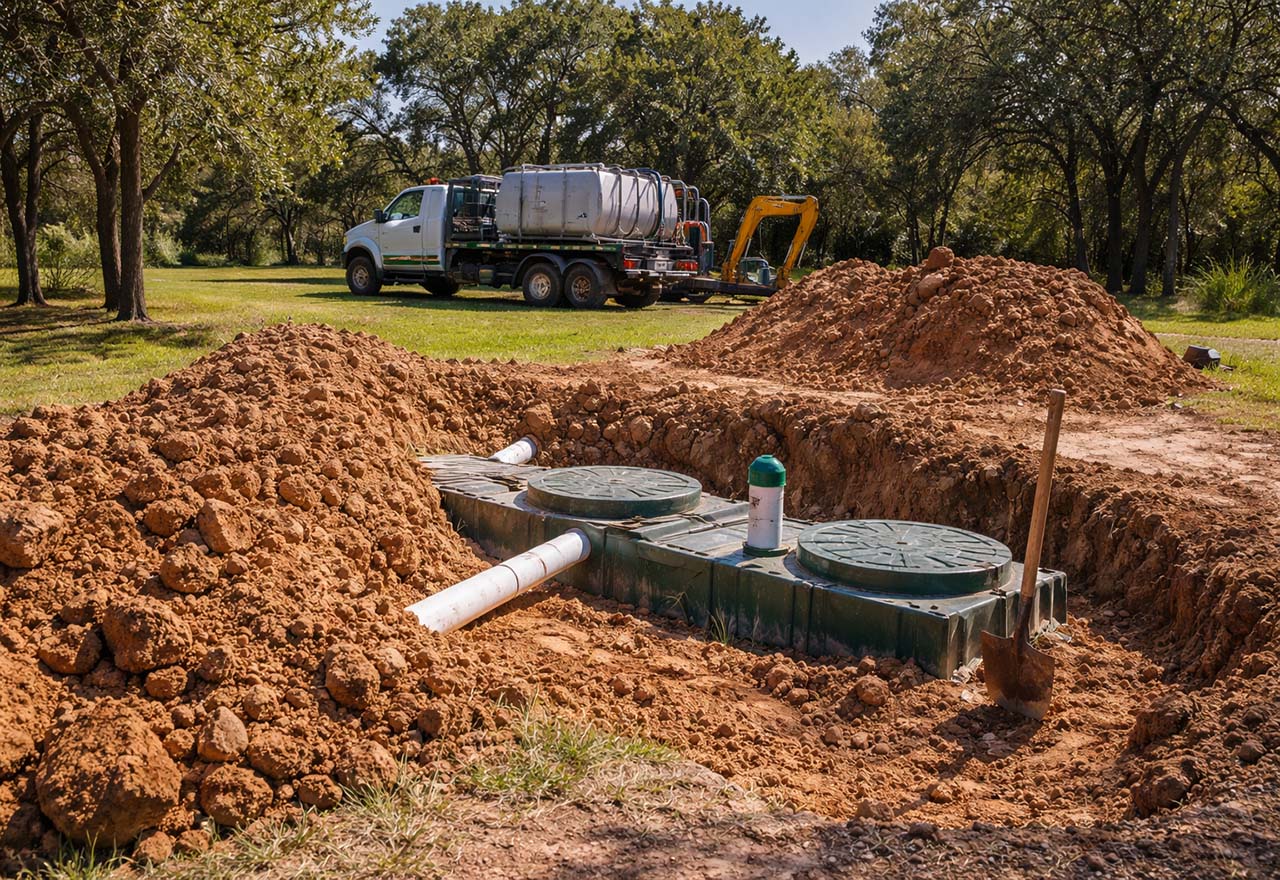
If you are planning to install, repair, or maintain a septic system, you may be asking what is the septic tank restrictions in Spring Branch. Local regulations are not just paperwork. They directly affect system design, placement, inspection requirements, and long term performance.
In Spring Branch, septic systems are regulated to protect groundwater, nearby wells, and surrounding properties. Comal County and state agencies oversee permitting, soil evaluation, installation standards, and ongoing maintenance. Understanding these rules helps you avoid costly mistakes and failed inspections.
As septic professionals working in this area, we see many homeowners run into issues because they were unaware of setback distances, soil testing requirements, or permit steps. This guide explains the key septic tank restrictions in Spring Branch in clear and practical terms.
Who Regulates Septic Systems in Spring Branch
Septic systems in Spring Branch fall under Texas On Site Sewage Facility regulations. Oversight typically includes:
- Texas Commission on Environmental Quality
- Comal County Environmental Health Department
- Authorized Designated Representatives for inspections
These agencies enforce minimum standards for design, installation, and maintenance. Local soil conditions and lot sizes often determine which type of system is allowed.
If your property is outside city sewer service, you must comply with county and state septic rules before construction begins.
For official state guidelines, you can review the Texas Commission on Environmental Quality On Site Sewage Facility program.
Permit Requirements for Septic Installation
Before installing a system, a permit is required. This applies to:
- New home construction
- Replacing an existing septic tank
- Expanding a drain field
- Major system repairs
The permit process typically includes:
- Site evaluation and soil analysis
- System design based on soil and household size
- Application submission with required fees
- Inspection during and after installation
Permit fees vary but often range between 300 and 800 dollars depending on the system type and complexity.
Attempting installation without a permit can lead to fines, required removal, and denial of occupancy approval.
Soil Testing and Site Evaluation Rules
Soil testing is one of the most important septic tank restrictions in Spring Branch. The region includes rocky limestone terrain and clay heavy soils. Both can affect absorption rates.
A licensed site evaluator must determine:
- Soil texture and structure
- Depth to rock layer
- Drainage capacity
- Seasonal water table levels
These factors decide whether you can install a conventional gravity system or if you need an aerobic treatment unit.
Typical Soil Absorption Rates
| Soil Type | Absorption Rate | Suitable System Type |
|---|---|---|
| Sandy Loam | High | Conventional |
| Clay | Low | Aerobic or Modified |
| Limestone Rocky | Variable | Engineered Design |
If soil does not meet minimum absorption standards, an aerobic system is usually required. These systems treat wastewater before dispersal and are common in Spring Branch subdivisions.
Minimum Setback Distance Requirements

Another key part of understanding what is the septic tank restrictions in Spring Branch involves setback rules. These regulations control how far a septic system must be placed from certain structures and features.
Common setback distances include:
- 50 to 100 feet from private water wells
- 10 feet from property lines
- 5 to 10 feet from structures
- 25 feet from surface water such as creeks
- 10 feet from water supply lines
These distances protect drinking water and prevent contamination.
Failure to meet setback requirements can delay permits or require redesign of your entire system layout.
For national guidance on septic system safety and groundwater protection, see the Environmental Protection Agency resource.
Aerobic System Requirements in Spring Branch
Due to soil and lot conditions, many properties require aerobic treatment units instead of traditional septic tanks.
Aerobic systems:
- Inject oxygen into wastewater
- Reduce harmful bacteria levels
- Provide higher quality effluent
- Allow spray irrigation dispersal
Local regulations often require:
- Maintenance contracts with licensed providers
- Quarterly inspections
- Ongoing monitoring reports
- Chlorine disinfection components
In our field experience, most newer developments in Spring Branch require aerobic systems because of shallow soils and rocky terrain.
Septic Tank Size and Capacity Restrictions
Tank size must match household demand. Undersized tanks are not approved and will fail inspection.
Here is a general sizing reference.
Recommended Tank Size by Bedrooms
| Bedrooms | Minimum Tank Size |
|---|---|
| 1 to 2 | 750 to 1000 gallons |
| 3 | 1000 gallons |
| 4 | 1200 gallons |
| 5 | 1500 gallons |
Most three bedroom homes in Spring Branch use at least a 1000 gallon tank. Larger households may require increased capacity to meet county approval.
Water usage also affects sizing. The average Texas household uses between 250 and 400 gallons per day.
Inspection and Approval Process
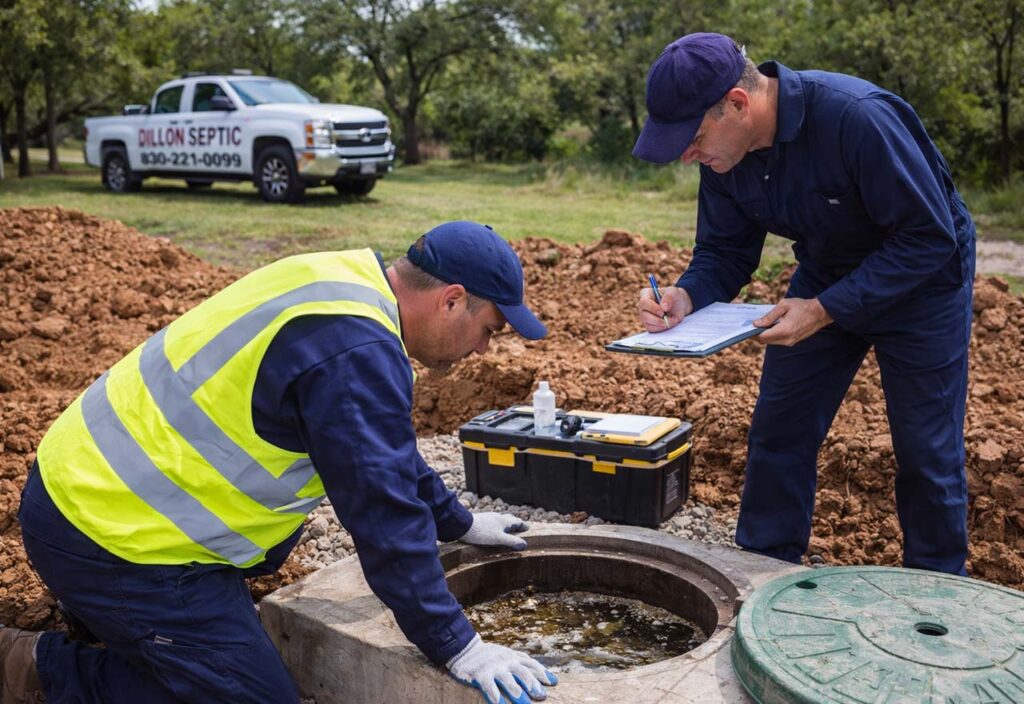
After installation, the septic system must pass a formal inspection before it can be covered or placed into service. This step is required by local authorities to ensure the system was built according to approved design plans and county regulations. Skipping this stage can result in fines, required corrections, and delays in occupancy approval.
During the inspection, officials verify that the tank is placed in the correct location and at the proper depth. They also check that the inlet and outlet pipes maintain the correct slope to allow wastewater to flow efficiently. Even small grading errors can affect long term performance and lead to backups.
Inspectors also measure the drain field to confirm it matches the permitted dimensions and layout. Setback distances from property lines, wells, and structures are carefully reviewed. In addition, all components such as pumps, alarms, and treatment units must function properly at the time of inspection.
In our field experience, the most common inspection failures involve improper site grading and insufficient drain field depth. These issues often require excavation and rework, which increases project costs. Only after final approval from the authorized inspector can the septic system legally operate and serve the property.
Maintenance and Ongoing Compliance Rules
Understanding what is the septic tank restrictions in Spring Branch also means knowing your maintenance responsibilities.
Homeowners must:
- Pump conventional tanks every 3 to 5 years
- Maintain aerobic service contracts
- Keep inspection records
- Prevent surface discharge
Neglecting maintenance can result in system failure and enforcement action.
Typical Maintenance Intervals
| System Type | Pumping Interval | Inspection Frequency |
|---|---|---|
| Conventional | 3 to 5 years | As needed |
| Aerobic | 3 to 5 years | Every 4 months |
Aerobic systems require more frequent monitoring but provide better treatment quality.
Real World Example from Spring Branch
We recently worked with a homeowner building on a two acre lot with shallow limestone beneath six inches of topsoil. The initial plan was for a conventional gravity system.
After soil evaluation, the absorption rate was too low to meet county standards. The design had to be upgraded to an aerobic treatment unit with surface spray dispersal.
This adjustment increased installation costs by roughly 3000 to 6000 dollars, but it ensured regulatory compliance and long term reliability.
Situations like this highlight why early evaluation is critical.
With years of field experience, Dillon Septic delivers reliable septic tank inspection and installation in Spring Branch, ensuring every system meets local requirements.
Common Violations to Avoid
Based on field observations, the most frequent septic violations in Spring Branch include:
- Installing without a permit
- Expanding homes without system upgrades
- Parking vehicles over drain fields
- Ignoring aerobic maintenance contracts
- Directing roof drainage into septic areas
These issues shorten system lifespan and can contaminate groundwater.
A properly installed septic system can last 20 to 30 years or more when maintained correctly.
Environmental and Health Considerations
Spring Branch relies heavily on groundwater wells. A failing septic system can introduce nitrates and bacteria into local aquifers.
The EPA reports that improperly maintained systems can contribute to groundwater contamination and increase risks of waterborne illness.
Protecting your septic system protects your family and neighbors.
Frequently Asked Questions
Do I need a permit to replace my septic tank in Spring Branch
Yes. Any major repair or replacement requires county approval and inspection.
Are aerobic systems mandatory in Spring Branch
Not always. It depends on soil conditions and lot size. Many properties do require them due to rocky terrain.
How long does the permit process take
Typically 2 to 4 weeks, depending on soil evaluation scheduling and county workload.
Can I install my own septic system
Texas law requires licensed professionals for design and installation. DIY installation is not permitted.
Final Thoughts on Septic Tank Restrictions in Spring Branch
Understanding what is the septic tank restrictions in Spring Branch helps you make informed decisions before construction or repairs begin. Regulations exist to protect groundwater, public health, and property values.
From soil testing and setback distances to tank sizing and aerobic requirements, each rule plays a critical role in system performance.
Working with experienced local professionals ensures your septic system meets county and state standards from the start.
If you need help with septic design, inspection preparation, pumping, or system upgrades in Spring Branch, our team at Dillon Septic is ready to assist. Contact us to schedule an evaluation and ensure your system meets all local requirements.