Texas septic tank regulations cover the sizing, construction, placement, accessibility, and structural condition of tanks used in on-site sewage facilities. These requirements help keep wastewater contained and allow the tank to be inspected, pumped, maintained, and replaced safely.
Texas properties vary widely in soil, terrain, groundwater conditions, and household wastewater use. For this reason, the correct tank and installation details must be based on an approved system design rather than a single specification that applies to every home.
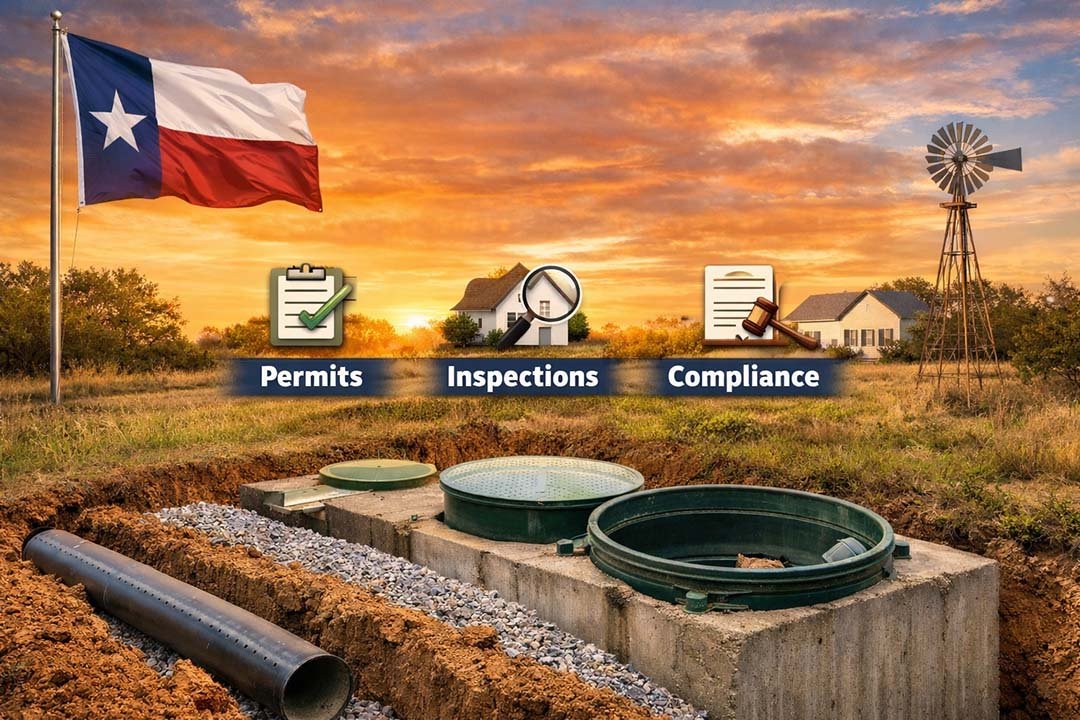
State standards are established by the Texas Commission on Environmental Quality, commonly known as TCEQ. Local counties, municipalities, and other authorized agents may administer permits and apply additional requirements. Always confirm the approved plans and local requirements before installing, moving, modifying, or replacing a septic tank.
Who Sets Septic Tank Requirements in Texas
Texas regulates septic tanks as components of on-site sewage facilities, or OSSFs. TCEQ establishes statewide standards, while local authorized agents commonly review applications, issue permits, and inspect work within their jurisdictions.
The requirements affecting a particular tank may depend on several factors, including:
- The type of septic system
- The estimated daily wastewater flow
- The approved system design
- The home or building served by the system
- Soil and groundwater conditions
- The location of wells, structures, utilities, and property boundaries
- Additional requirements established by the local authorized agent
This article focuses specifically on the septic tank. For permitting, drain fields, aerobic treatment units, inspections, and broader compliance topics, read our guide to Texas septic system regulations.
Septic Tank Sizing Requirements
A septic tank must provide enough capacity for the expected wastewater load and the approved system design. Selecting a tank based only on price or the size of an existing tank can lead to poor performance, frequent pumping, or permit problems.
Tank sizing may consider the number of bedrooms, the type of building, expected daily flow, system configuration, and whether multiple tanks or treatment compartments are required. Commercial properties and buildings with unusually high wastewater use require a different evaluation from a typical residence.
An older tank should not automatically be assumed to have adequate capacity for a remodeled or expanded home. Adding bedrooms, converting a building, or increasing wastewater flow may require a capacity review. The local permitting authority may require design changes before approving the project.
Homeowners should rely on the approved design and permit documentation for the required capacity. A licensed septic professional or qualified designer can help determine whether an existing tank is suitable for the intended use.
Approved Septic Tank Materials
Septic tanks must be designed for wastewater service and constructed from materials suitable for underground use. Common tank materials include precast concrete, fiberglass, and polyethylene. The material alone does not determine whether a tank is acceptable. Its design, construction, installation, and condition must also satisfy the applicable requirements.
An approved tank should be watertight and capable of resisting the loads and conditions expected at the installation site. Soil pressure, groundwater, installation depth, and possible vehicle traffic can affect which tank and installation method are appropriate.
Concrete tanks should be checked for cracks, exposed reinforcement, damaged seams, and deterioration. Fiberglass and polyethylene tanks should be inspected for deformation, punctures, damaged fittings, and signs that the tank has shifted or floated. Lightweight tanks may require specific installation or anchoring measures where groundwater conditions create buoyancy concerns.
A tank intended for another use should never be substituted for an approved septic tank. The installer should follow the manufacturer’s requirements and the approved system plan.
Tank Placement and Separation Requirements
Septic tank placement must follow the approved site plan and applicable separation requirements. The tank also needs to remain accessible for pumping, inspection, maintenance, and future repair.
Placement decisions commonly account for:
- Water wells and other water sources
- Buildings and foundations
- Property boundaries
- Easements and buried utilities
- Surface water and drainage patterns
- Slopes and areas vulnerable to flooding
- Driveways, parking areas, and vehicle loads
- Access for a septic pumping vehicle
Required separation distances are not identical for every component or property. The type of water source, approved system, site conditions, and local rules can change the required distance. Property owners should not rely on a general online setback table when planning the final tank location.
A tank should not be placed where construction, landscaping, or routine vehicle traffic could damage it. If a design places a tank beneath an area exposed to loads, the tank and installation must be specifically designed and approved for those conditions.
Access Openings, Lids, and Risers
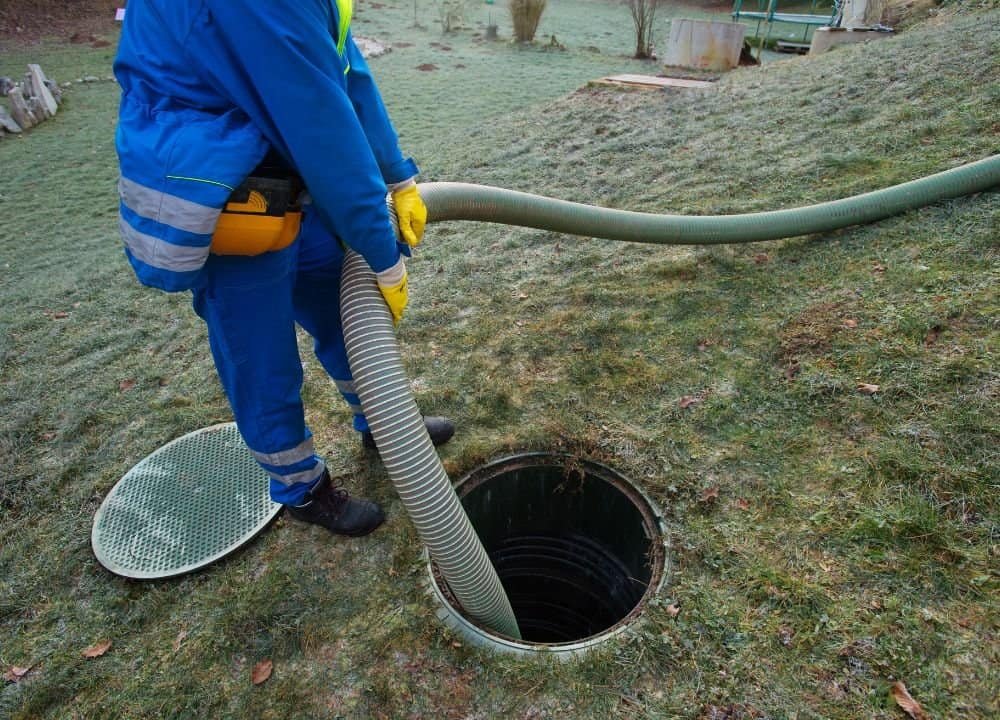
Safe access is an important part of septic tank compliance and maintenance. The tank must have suitable openings so a professional can inspect the interior, pump accumulated solids, and service components without unnecessary excavation or damage.
Access lids should be secure, structurally sound, and appropriate for the tank. A loose, broken, or improperly fitted lid creates a serious safety risk. Children, pets, and adults can be injured if an opening is not protected. Surface water and soil may also enter through a damaged lid or opening.
Risers extend access openings closer to or above the ground surface. When required or included in the approved installation, they make pumping and inspection easier. Risers and their connections should be durable, properly sealed, and protected from accidental movement.
Never enter a septic tank. Septic tanks are confined spaces that can contain toxic gases and dangerously low oxygen levels. Inspection, pumping, and internal repair should be handled by trained professionals using appropriate procedures and equipment.
Inlet, Outlet, and Internal Tank Components
The inlet carries wastewater from the building into the tank. The outlet allows clarified wastewater to leave the tank for the next treatment or disposal component. These connections must remain properly aligned, sealed, and free from damage.
Inlet and outlet tees or baffles help direct wastewater flow and prevent floating solids from leaving the tank. A damaged or missing outlet component can allow grease, scum, and suspended solids to move downstream, increasing the risk of system failure.
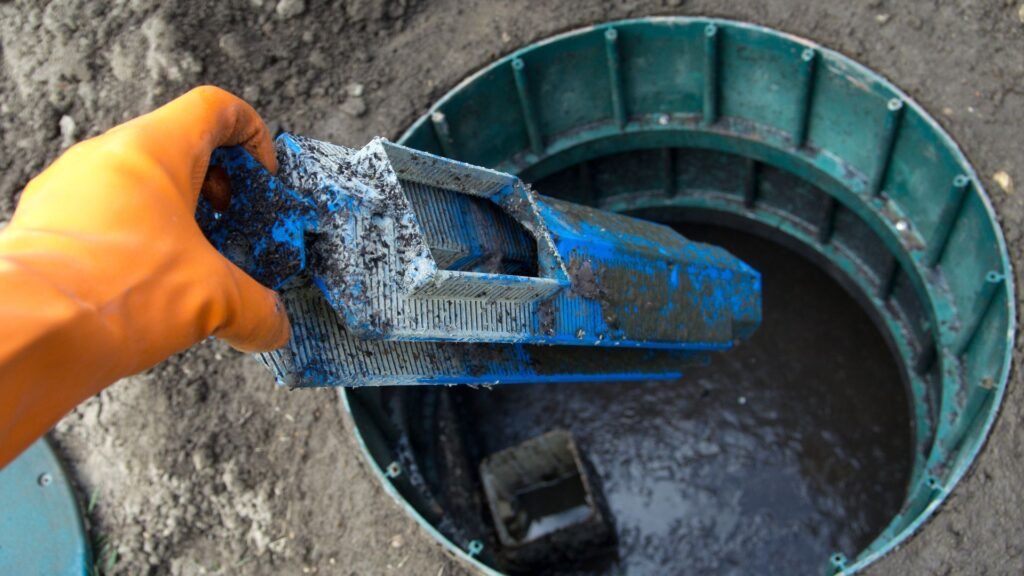
Some systems include an effluent filter at the outlet. The filter helps retain solids but requires accessible inspection and cleaning. A clogged filter may slow wastewater flow or contribute to a backup, while a missing or damaged filter may expose downstream components to excess solids.
During an inspection, a professional may evaluate:
- The condition of inlet and outlet connections
- The presence and condition of tees or baffles
- Signs of leakage around pipe penetrations
- Effluent-filter condition when one is installed
- Unusual liquid levels that may indicate a blockage or leak
- Corrosion, deterioration, or displaced internal components
Problems with these components should be addressed promptly. Replacing a damaged baffle or fitting can be far less disruptive than repairing a system after solids have moved beyond the tank.
Structural Condition and Watertightness
A septic tank should remain structurally sound and watertight throughout its service life. Wastewater escaping through cracks or damaged seams can contaminate the surrounding soil. Groundwater entering the tank can overload the system and increase pumping or treatment demands.
Warning signs of structural problems may include:
- Cracks or damaged seams
- Exposed or corroded reinforcement
- Deteriorated concrete
- Deformed fiberglass or plastic walls
- Settlement or movement around the tank
- Leaking pipe connections
- Damaged access openings or lids
- Roots entering through joints or openings
- Unexplained changes in the tank’s operating level
Not every defect means the entire tank must be replaced. Some components may be repairable, depending on the tank material, location, severity of damage, and local approval requirements. Major cracks, collapse, severe deterioration, leakage, or inadequate capacity may make replacement the safer and more practical option.
Inspection Access and Routine Tank Care
Inspection access should remain visible or easy to locate. Homeowners should avoid covering access points with permanent structures, heavy landscaping, concrete, or other features that prevent service.
The area around the tank should also be protected from unnecessary loads. Driving or parking over a tank that was not designed for traffic can damage the lid, risers, or tank structure. Tree and shrub roots may interfere with pipes, joints, and access points, so landscaping should be planned carefully.
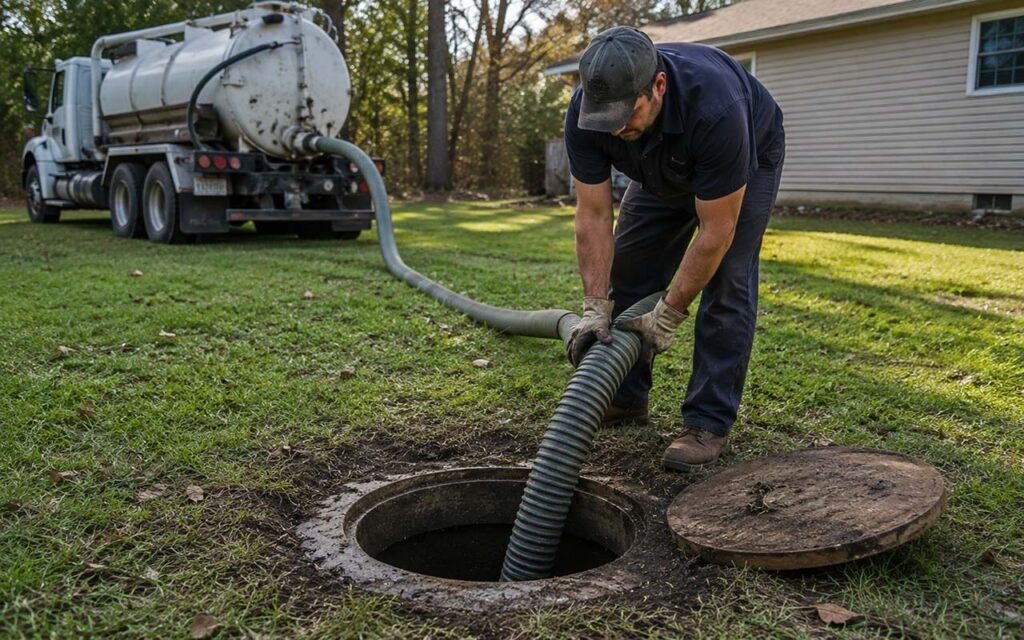
Pumping frequency is not fixed by one schedule for every household. It depends on tank capacity, occupancy, wastewater use, garbage-disposal use, and the amount of solids accumulating in the tank. Periodic evaluation helps determine when pumping is actually needed.
Keep permit records, approved plans, pumping records, and repair documentation together. These records can help a technician locate the tank, understand its design, and identify changes made over time.
When a Septic Tank May Need Replacement
Tank replacement may be necessary when the existing tank cannot safely contain wastewater, provide the required capacity, or support the approved system design. Replacement work may require a permit or authorization from the local agency, especially when it changes the approved OSSF.
Common reasons for considering replacement include:
- Severe cracking, collapse, or structural deterioration
- A tank that cannot be made watertight
- Unsafe or extensively damaged access openings
- Significant corrosion or deterioration of internal components
- Inadequate capacity for the building’s approved wastewater load
- Damage caused by soil movement, groundwater, or vehicle loads
- A tank material or configuration that cannot meet the approved design
- Major property changes that require a redesigned system
Before replacing a tank, the contractor or designer should determine whether the problem is limited to the tank. Slow drains, backups, and high liquid levels can also result from blocked piping, a clogged filter, a pump problem, or a failing disposal area. Accurate diagnosis prevents unnecessary work and ensures that the replacement addresses the actual problem.
After replacement, the tank location, elevations, pipe connections, access openings, and other required details should match the approved plan. Required inspections should be completed before the work is covered.
Planning Tank Work With Local Requirements in Mind
Online guidance can help homeowners understand the process, but it cannot replace an approved design or a site-specific evaluation. Texas regulations establish the framework, while local authorized agents administer many permitting and inspection responsibilities.
Before beginning tank work:
- Locate the existing permit and approved system plan when available.
- Confirm which local authority has jurisdiction over the property.
- Determine whether the proposed repair or replacement requires approval.
- Have the tank and connected components evaluated by a qualified professional.
- Obtain the required design, permit, and inspections before covering completed work.
This approach protects the property owner and reduces the likelihood of delays, failed inspections, or work that must be corrected later.
Frequently Asked Questions
What size septic tank is required in Texas?
The required capacity depends on the approved system design, expected wastewater flow, building use, and local requirements. Homeowners should use the capacity shown in the approved plans rather than choosing a universal size from an online chart.
What materials can septic tanks be made from?
Common materials include precast concrete, fiberglass, and polyethylene. The tank must be approved for wastewater use, suitable for the site conditions, properly installed, and maintained in a watertight and structurally sound condition.
Are septic tank risers required in Texas?
Riser and access requirements depend on the tank, system design, applicable state standards, and local authority. When risers are installed, they should be secure, properly sealed, and fitted with safe lids.
Can a septic tank be installed beneath a driveway?
A tank should not be exposed to vehicle loads unless the tank and installation are specifically designed and approved for that use. Driving over an ordinary residential septic tank can damage the tank, lid, or access components.
Does a damaged septic tank always need replacement?
No. The appropriate solution depends on the tank material, location, type of damage, structural condition, and local requirements. Minor component problems may be repairable, while severe cracks, leakage, collapse, or inadequate capacity may require replacement.
Can I replace only the septic tank?
It may be possible when the remaining system is functional, properly sized, and compatible with the approved design. The connected piping and downstream components should be evaluated before a tank-only replacement is approved.
Should septic tank lids remain accessible?
Yes. Professionals need access for inspection, pumping, filter service, and repairs. Lids and risers should remain secure and should not be permanently buried beneath structures or hardscaping that prevents service.
Final Thoughts
Texas septic tank regulations are intended to ensure that tanks are correctly sized, properly constructed, safely placed, accessible for service, and capable of containing wastewater. Compliance begins with the approved design and continues through careful installation, inspection, pumping, repair, and eventual replacement.
Because local requirements and property conditions vary, homeowners should confirm the applicable rules before making changes to a tank. A site-specific evaluation can identify capacity, placement, structural, and access concerns before they become expensive problems.
For assistance with septic tank inspections, pumping, repairs, or replacement planning, contact Dillon Septic. Our team can evaluate the tank, explain the available options, and help you coordinate the next steps based on the system and local requirements.