Many homeowners are surprised to learn that scheduling septic service is not always immediate. The average wait time septic tank pumping central texas homeowners experience can vary depending on location, season, weather conditions, and local service demand. While some properties can receive service within a day or two, others may wait a week or longer during peak periods.
Central Texas continues to experience steady residential growth, which has increased demand for septic maintenance services across rural and suburban communities. Areas that rely heavily on onsite wastewater systems often see seasonal spikes in pumping requests. This increased demand can create scheduling backlogs, especially during spring and summer months.
Understanding typical wait times helps homeowners plan maintenance proactively and avoid emergency situations that can disrupt daily life and lead to more expensive repairs.
What Is the Typical Wait Time for Septic Tank Pumping?
Under normal operating conditions, most septic companies in Central Texas can schedule pumping appointments within three to seven business days. However, this timeframe is not guaranteed throughout the year. During busy seasons, some companies may book appointments one to two weeks in advance.
Emergency situations often receive priority scheduling. If a septic tank is overflowing, backing up into the home, or creating health concerns, many providers attempt to respond more quickly. Availability depends on staffing, equipment schedules, and the volume of emergency calls received.
In our experience servicing septic systems throughout Central Texas, homeowners who schedule routine maintenance before problems develop generally have greater flexibility when choosing appointment dates. Waiting until a system begins showing warning signs often limits scheduling options and increases stress for property owners.
Factors That Influence Septic Pumping Wait Times
Several variables affect how quickly a septic service provider can respond. Demand is only one part of the equation. Geographic coverage areas, staffing levels, and weather conditions all play important roles.
Some of the most common factors include:
- Seasonal increases in service requests
- Heavy rainfall affecting site accessibility
- Rural properties located farther from service routes
- Emergency calls requiring schedule adjustments
- Equipment maintenance or vehicle availability
- Local population growth and construction activity
Central Texas weather can create additional challenges. Saturated soil conditions may limit access to tanks located in difficult terrain. Following significant storms, many companies experience a surge in service requests, which can extend scheduling timelines for non-emergency appointments.
Seasonal Trends That Affect Scheduling

Certain times of year consistently generate higher demand for septic pumping services. Spring and early summer often represent the busiest seasons for many providers. Increased rainfall, property sales, home inspections, and routine maintenance schedules contribute to higher call volumes.
During holiday periods and long weekends, homeowners frequently discover septic issues while hosting guests. Additional water usage places extra stress on tanks that may already be nearing capacity. As a result, service requests often increase before and after major holidays.
Based on field observations, late fall and winter generally provide more scheduling flexibility in many Central Texas communities. While emergencies can occur at any time, routine pumping appointments are often easier to arrange during slower periods when demand decreases.
Average Wait Times by Service Situation
The reason for service can significantly impact scheduling availability. Routine maintenance appointments are handled differently than emergency service requests.
| Service Type | Typical Wait Time |
|---|---|
| Routine Septic Pumping | 3 to 7 Days |
| Peak Season Maintenance | 7 to 14 Days |
| Real Estate Inspection Pumping | 2 to 5 Days |
| Emergency Backup Service | Same Day to 48 Hours |
| Holiday Weekend Requests | 5 to 10 Days |
| Rural Property Service | 4 to 8 Days |
These estimates represent general conditions across many Central Texas communities. Actual scheduling availability varies based on company workload, travel distance, and weather conditions.
What Factors Affect Septic Pumping Wait Times in Central Texas?
The time it takes to schedule septic pumping in Central Texas can vary from one property to another. While an average wait time can help homeowners plan ahead, several practical factors may affect how quickly a pumping appointment can be scheduled.
Seasonal Demand
Demand for septic pumping can change throughout the year. Periods with more service requests may result in longer scheduling times, particularly when many homeowners in the same area need pumping or other septic services.
Planning routine pumping before the system develops a problem can give you more flexibility when choosing an appointment.
Weather Conditions
Heavy rain and severe weather can affect septic service schedules. Saturated ground may make some properties harder to access, while storms can also increase the number of septic-related service calls in an area.
Weather does not affect every appointment, but it can influence scheduling and site accessibility.
Property and Tank Access
A septic tank that is easy to locate and access can make the service process more straightforward. Pumping may require additional preparation when the tank location is unknown, lids are buried, gates restrict access, or the pumping truck cannot easily reach the service area.
If you know where your septic tank and access lids are located, sharing that information when scheduling can help the septic company understand the property before arrival.
Location Within the Service Area
Travel distance can also influence appointment availability. Central Texas covers a large geographic area, and scheduling may depend on where technicians are already working and how service calls are grouped throughout the day.
Providing an accurate property location and information about the septic system when requesting service can make scheduling easier.
Urgent Septic Problems
Routine pumping appointments and urgent septic problems may need to be handled differently. Sewage backups, surfacing wastewater, or other signs of a possible system malfunction may require faster evaluation than routine maintenance.
It is also important not to assume that every septic problem can be corrected by pumping. Some symptoms may indicate an issue with the tank, piping, drainfield, or another part of the system.
Technician and Equipment Availability
Pumping requires appropriate equipment and an available service crew. Scheduling can therefore vary depending on existing appointments, travel routes, the type of service required, and equipment availability.
For routine maintenance, contacting a septic company before the tank becomes overdue can help reduce the pressure of needing an immediate appointment.
Plan Ahead for Routine Septic Pumping
The best way to manage septic pumping wait times is to avoid waiting for an emergency. Keep a record of previous pumping and inspection dates, monitor your system for changes, and schedule routine service with enough time to accommodate normal appointment availability.
For Central Texas homeowners, planning ahead can make septic maintenance easier while allowing enough time to address access or system concerns before the pumping appointment.
Why Waiting Too Long Can Create Problems
Many homeowners postpone pumping because their system appears to be functioning normally. Unfortunately, septic systems often provide only subtle warning signs before serious issues develop. By the time backups occur, immediate service may be required.
Excess sludge accumulation reduces the tank’s ability to separate solids from wastewater. Over time, solids can move into the drain field and cause long-term damage. Repairing a failed drain field is significantly more expensive than routine pumping maintenance.
One issue we frequently encounter involves homeowners who attempt to schedule service after noticing slow drains throughout the house. During peak seasons, available appointments may already be limited. Proactive maintenance helps prevent these situations and reduces the likelihood of unexpected disruptions.
How Often Should Septic Tanks Be Pumped in Central Texas?
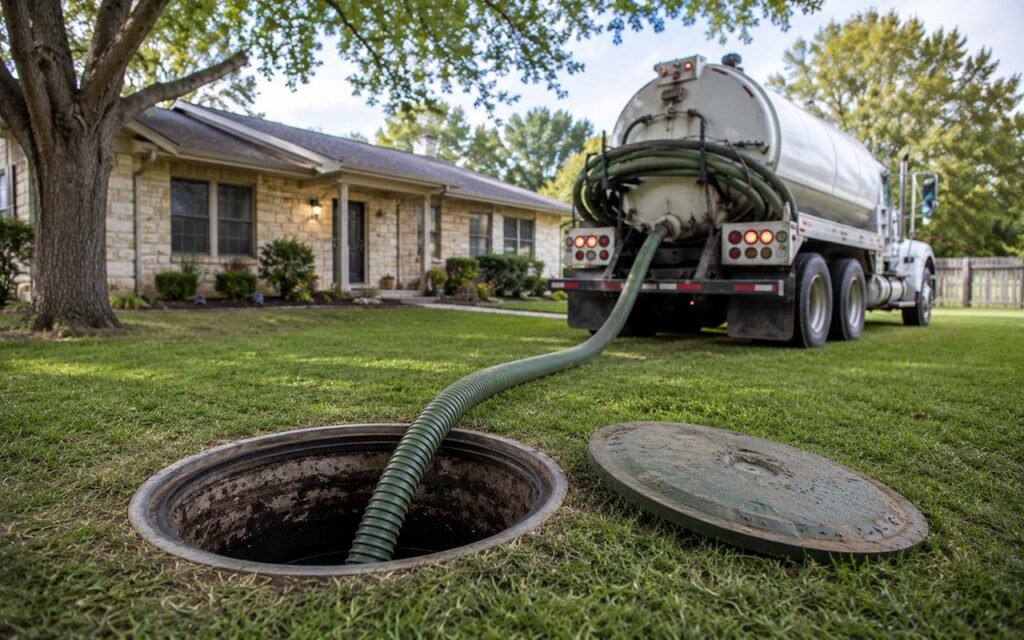
The ideal pumping schedule depends on tank size, household occupancy, water usage habits, and the type of septic system installed on the property. Most residential septic tanks in Central Texas require pumping every three to five years. However, larger households may need service more frequently.
According to wastewater industry recommendations, a typical 1,000-gallon septic tank serving a family of four often reaches recommended pumping levels within three to four years. Properties with garbage disposals, frequent laundry usage, or high water consumption may fill faster.
In our experience, many septic problems could be avoided if homeowners followed a regular maintenance schedule instead of waiting for symptoms to appear. Routine inspections combined with scheduled pumping help extend system lifespan and reduce the risk of unexpected failures.
Signs Your Septic Tank May Need Pumping Soon
Knowing the warning signs can help homeowners schedule service before a system becomes an emergency. While every property is different, several indicators commonly suggest that a tank is approaching capacity.
Some of the most common warning signs include:
- Slow-draining sinks, tubs, and showers
- Gurgling sounds in plumbing fixtures
- Sewage odors near the tank or drain field
- Standing water around the drain field area
- Unusually lush grass above septic components
- Frequent toilet backups
Many homeowners assume these symptoms indicate a plumbing problem inside the house. While plumbing issues can occur, septic systems are often the underlying cause. Prompt inspection helps identify the source before larger issues develop.
How Homeowners Can Reduce Septic Pumping Wait Times
Although scheduling delays cannot always be avoided, there are several ways property owners can improve their chances of securing a convenient appointment. Planning ahead remains the most effective strategy.
Scheduling maintenance before the system becomes overdue provides greater flexibility. Homeowners who contact a provider several weeks before their preferred service date often have more options available.
Maintaining accurate records is also helpful. Knowing the last pumping date, tank size, and system location can streamline scheduling and reduce service delays. If the tank lid is easily accessible when technicians arrive, the appointment can often be completed more efficiently.
We commonly advise homeowners to schedule routine maintenance during slower seasons when possible. This approach helps avoid peak-demand periods and allows for more convenient appointment selection.
What Research Says About Septic Maintenance
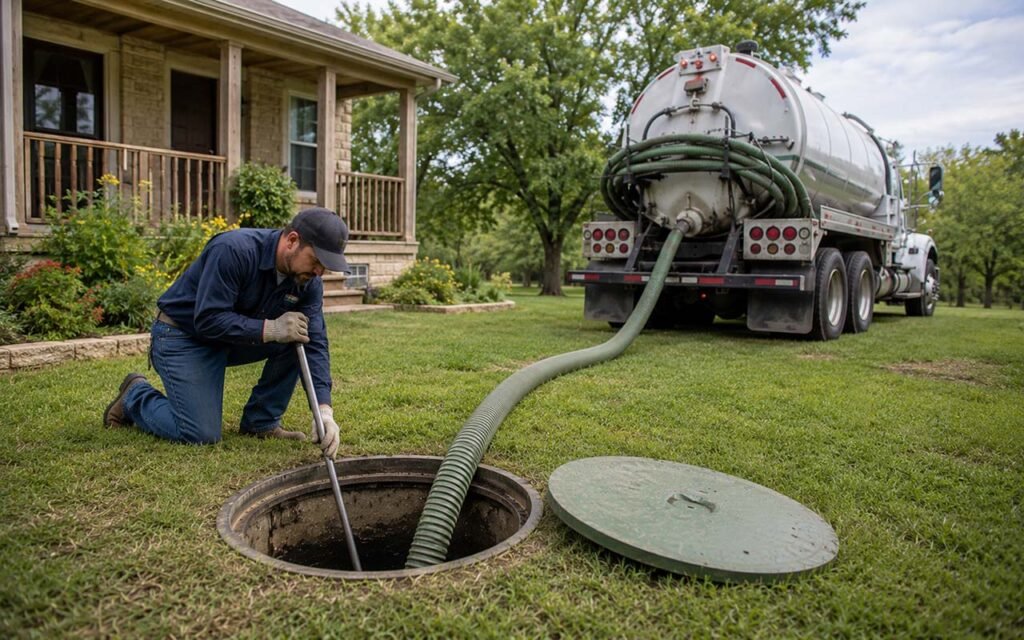
Research consistently shows that preventative maintenance costs significantly less than major septic repairs. The United States Environmental Protection Agency estimates that properly maintained septic systems can operate effectively for decades, while neglected systems often experience premature failure.
Industry studies indicate that replacing a failed drain field can cost several thousand dollars depending on property conditions, system design, and local regulations. Routine pumping, by comparison, represents a much smaller investment.
The EPA also reports that millions of homes across the United States rely on onsite wastewater treatment systems. Regular inspections and pumping remain among the most effective methods for protecting groundwater quality and preventing environmental contamination.
These findings reinforce the importance of proactive maintenance rather than waiting for obvious warning signs to develop.
Expert Insights From Dillon Septic
At Dillon Septic, we regularly serve homeowners throughout Central Texas who ask how long they should expect to wait for septic pumping service. While every situation differs, the most important factor is planning before a problem develops.
One pattern we frequently observe involves homeowners contacting us only after backups begin occurring inside the home. At that point, scheduling flexibility is often reduced because emergency service becomes the priority.
Our field experience has shown that properties maintained on a consistent pumping schedule typically experience fewer service interruptions and lower long-term repair costs. Preventative maintenance not only protects the septic system but also gives homeowners greater control over scheduling.
A properly maintained septic system is one of the most valuable investments a property owner can make in preserving the functionality and value of their home.
Frequently Asked Questions
What is the average wait time for septic tank pumping in Central Texas?
Most homeowners can expect a wait time of three to seven business days under normal conditions. During busy seasons, scheduling may extend to one or two weeks depending on local demand.
Can I get same-day septic pumping service?
Some companies offer same-day or emergency service for urgent situations such as sewage backups or overflowing tanks. Availability depends on technician schedules and current demand.
How often should a septic tank be pumped?
Most residential systems require pumping every three to five years. Larger households or systems with higher water usage may need more frequent service.
Does weather affect septic pumping schedules?
Yes. Heavy rainfall, flooding, and saturated ground conditions can limit site access and increase service requests, which may extend scheduling timelines.
What happens if I wait too long to pump my septic tank?
Delaying pumping can lead to backups, drain field damage, unpleasant odors, and costly repairs. Regular maintenance helps prevent these problems and extends system lifespan.
Conclusion
Understanding the average wait time septic tank pumping central texas homeowners may experience helps prevent unnecessary stress and costly emergencies. While most routine appointments can be scheduled within several days, seasonal demand, weather conditions, and emergency service requests can all affect availability.
The best approach is proactive maintenance. Scheduling septic pumping before problems develop gives homeowners more flexibility, helps protect the drain field, and reduces the likelihood of expensive repairs. Regular inspections and timely pumping remain the most effective ways to keep a septic system operating efficiently for years to come.
If your septic tank is due for maintenance or showing signs of trouble, the team at Dillon Septic is ready to help. Our experienced professionals provide reliable septic pumping, inspections, repairs, and maintenance services throughout Central Texas to keep your system functioning at its best.