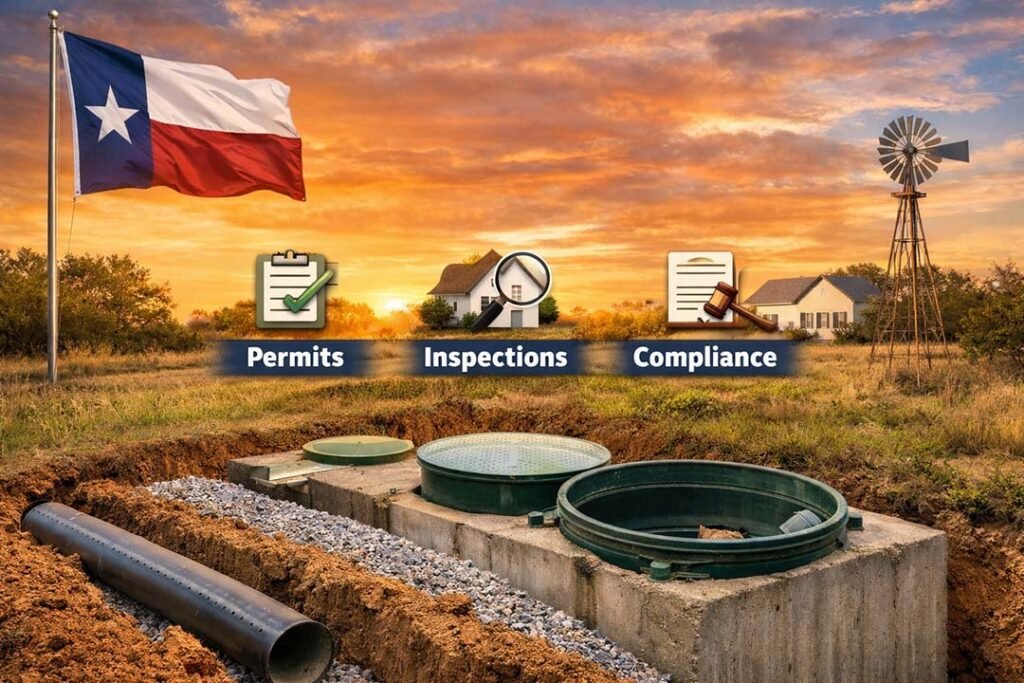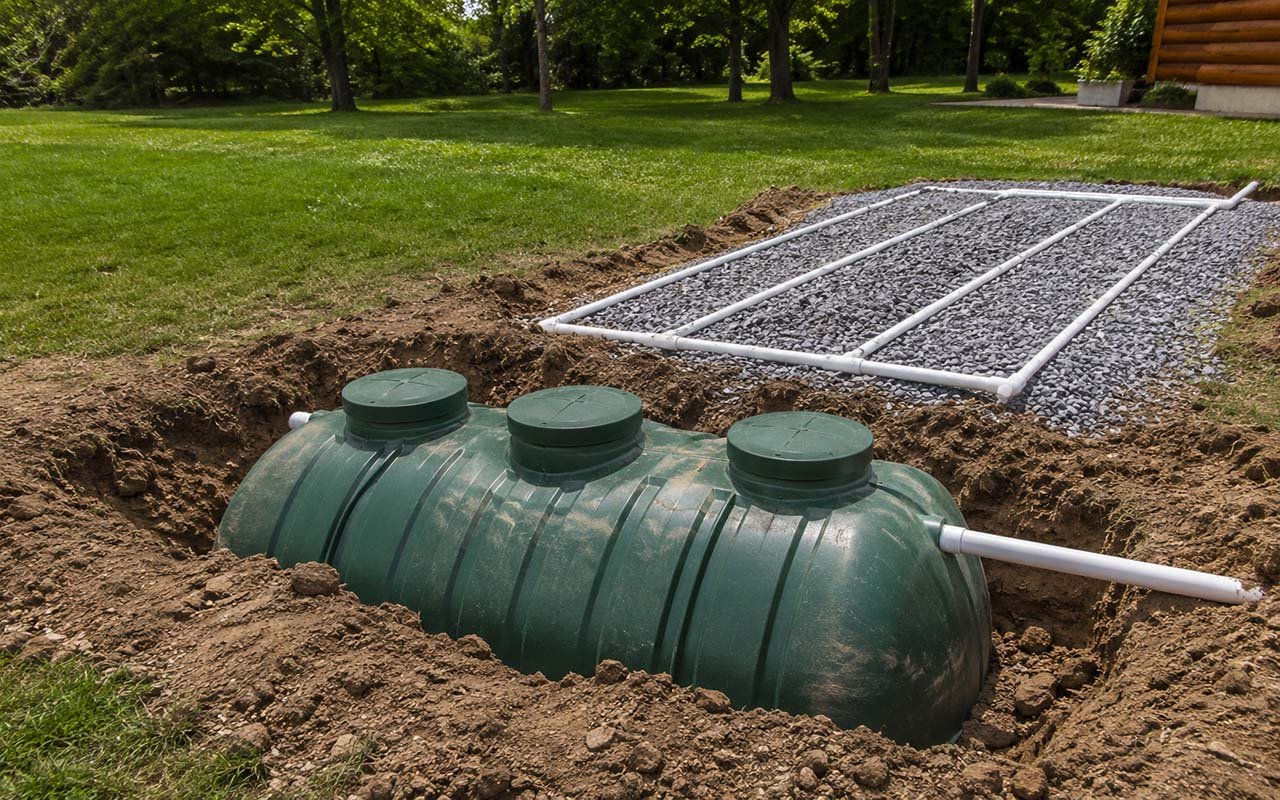
Installing a septic system is one of the most important investments a property owner can make. Whether you are building a new home, replacing a failing system, or developing land outside municipal sewer service areas, understanding the costs involved can help you budget effectively and avoid unexpected expenses.
Many property owners ask, how much does a new septic system cost, but the answer depends on several factors. The type of system, property conditions, soil characteristics, local regulations, and installation requirements all influence the final price. While some installations may cost several thousand dollars, others can require a significantly larger investment due to site challenges and permitting requirements.
In our experience working with residential and commercial septic systems, many homeowners focus only on the tank price. However, the complete system includes much more than the tank itself. Components such as drain fields, pumps, permits, inspections, excavation, and site preparation can substantially affect total costs.
This guide explains what influences septic installation pricing, typical cost ranges, and what property owners should consider before beginning a project.
Average Cost of a New Septic System
The average cost of a new septic system typically falls between $5,000 and $20,000 or more, depending on system design and site conditions. Conventional systems are often less expensive than advanced treatment systems, while challenging properties can increase installation costs.
The table below provides a general comparison of common septic system types and their typical installation ranges.
| Septic System Type | Typical Cost Range | Common Applications |
|---|---|---|
| Conventional Septic System | $5,000 – $12,000 | Suitable soils and larger lots |
| Chamber System | $6,000 – $15,000 | Areas requiring alternative drain field designs |
| Aerobic Treatment System | $10,000 – $20,000+ | Challenging soil conditions and smaller lots |
| Mound System | $12,000 – $25,000+ | Poor soil drainage or shallow bedrock |
| Drip Distribution System | $15,000 – $30,000+ | Sensitive environmental areas |
These ranges vary by location, permitting requirements, labor rates, and property-specific conditions.
Factors That Affect Septic System Costs
Several variables determine the final installation price. Understanding these factors helps property owners avoid surprises during the planning process.
Property Size and Layout
The size and layout of a property can significantly impact installation costs. Larger lots may provide more flexibility for drain field placement, but longer pipe runs and additional excavation may increase expenses.
Properties with steep slopes, dense vegetation, rocky terrain, or limited access often require additional labor and equipment. These challenges can add thousands of dollars to the project cost.
We frequently see situations where site accessibility becomes a major factor. Equipment must safely reach the installation area without causing damage to existing structures or landscaping.
Soil Conditions
Soil plays a critical role in septic system design. Before installation, most jurisdictions require soil evaluations or percolation testing to determine how wastewater will be treated and dispersed.
Certain soil types absorb wastewater efficiently, making them ideal for conventional systems. Other conditions may require more advanced treatment technologies.
Common soil-related challenges include:
- Heavy clay soils
- High groundwater levels
- Shallow bedrock
- Excessively sandy soils
- Poor drainage conditions
When unsuitable soils are present, alternative systems may be required, resulting in higher installation costs.
Conventional vs. Aerobic System Costs
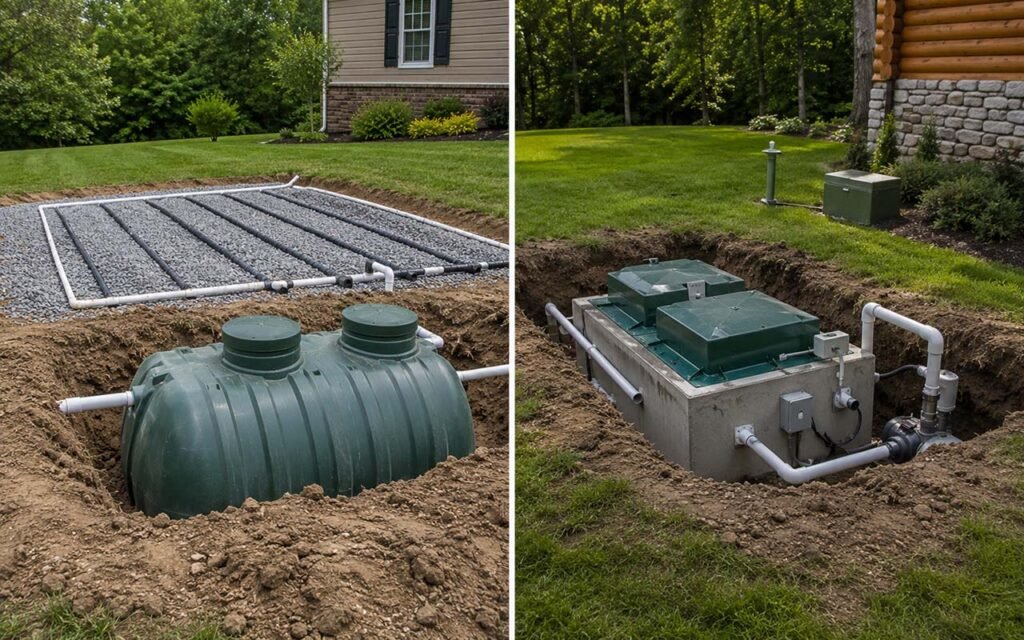
One of the biggest cost differences comes from the type of septic system selected.
Conventional Systems
Conventional septic systems remain the most common option for many residential properties. They rely on gravity flow and natural soil treatment processes.
Because these systems contain fewer mechanical components, installation and maintenance costs are generally lower. When site conditions are favorable, conventional systems provide reliable long-term performance.
Many homeowners choose conventional systems because they offer a balance between affordability and effectiveness.
Aerobic Treatment Systems
Aerobic treatment systems use oxygen and mechanical components to improve wastewater treatment. These systems are often required in areas where conventional drain fields may not perform adequately.
Although aerobic systems typically cost more upfront, they can provide solutions for properties with difficult soil conditions or limited space.
Homeowners should also consider ongoing maintenance requirements. Aerobic units often require regular inspections, monitoring, and component servicing to maintain performance.
Permit and Inspection Expenses
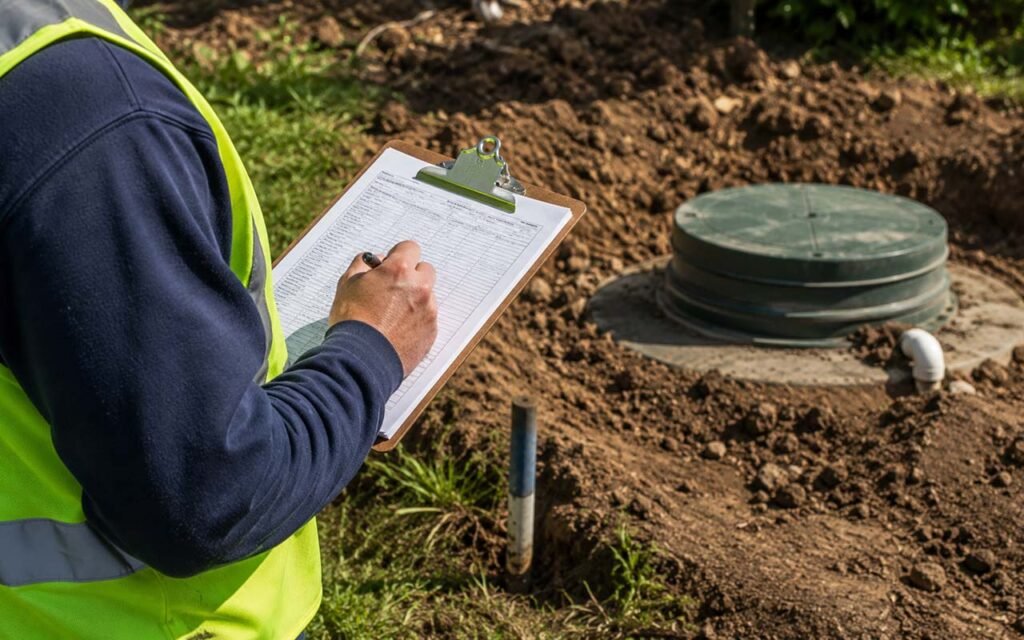
Permit and inspection costs are often overlooked when estimating the price of a new septic system. However, these requirements are a critical part of the installation process and can contribute significantly to the overall project budget. Most jurisdictions require septic systems to be reviewed and approved before any construction begins to ensure compliance with local health and environmental regulations.
The permitting process helps verify that the proposed system is suitable for the property’s soil conditions, wastewater capacity requirements, and site layout. While costs vary by location, permit fees can range from a few hundred dollars to several thousand dollars depending on the complexity of the project and local regulations.
Common permitting and inspection expenses may include:
- Site evaluations
- Soil testing and percolation tests
- Engineering or system design reviews
- Construction permits
- Final inspections and approval
In our experience, permit requirements are one of the most important factors homeowners should account for when planning a septic installation. Delays in approvals or additional site requirements can affect both project timelines and costs.
Attempting to install a septic system without the proper permits is never advisable. Unapproved systems can lead to legal complications, failed property transactions, fines, and expensive corrective work. Following the required permitting process helps protect your investment and ensures the septic system meets all applicable standards for long-term performance and safety.
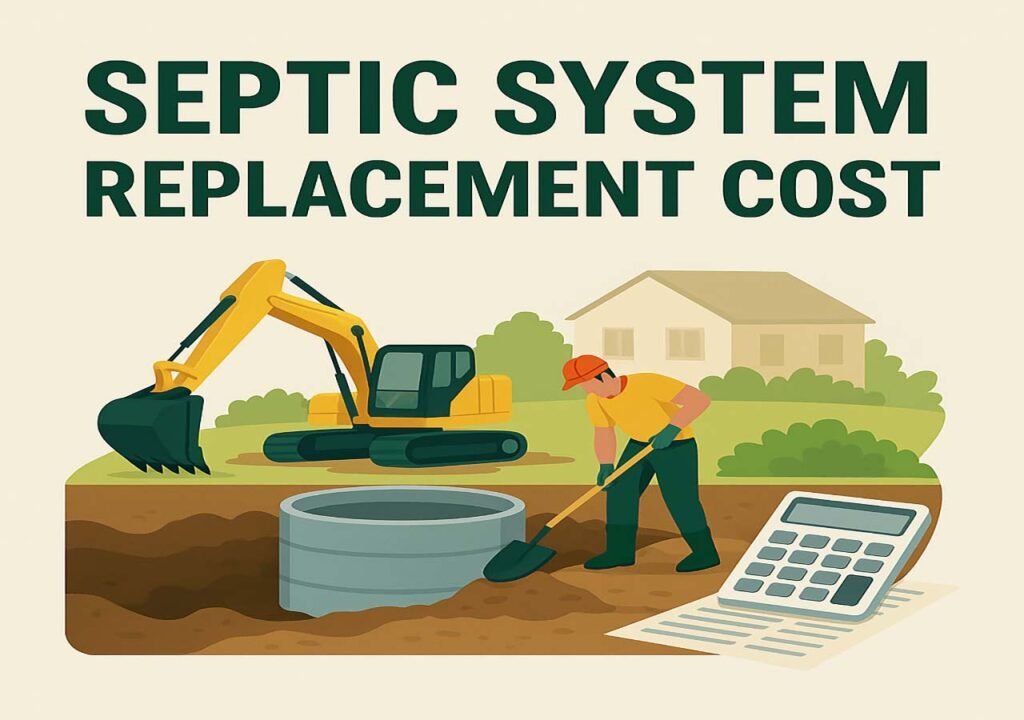
Excavation and Site Preparation Costs
Excavation represents a significant portion of many septic installation projects.
The amount of excavation required depends on:
- System size
- Soil conditions
- Property grading
- Existing obstacles
- Drain field requirements
Rocky soils often require specialized equipment and additional labor. Tree removal, grading, and drainage improvements can further increase project costs.
In our field experience, site preparation is frequently underestimated during early budgeting discussions. A property that appears straightforward may reveal hidden challenges once excavation begins.
Septic Tank Size and Its Impact on Cost
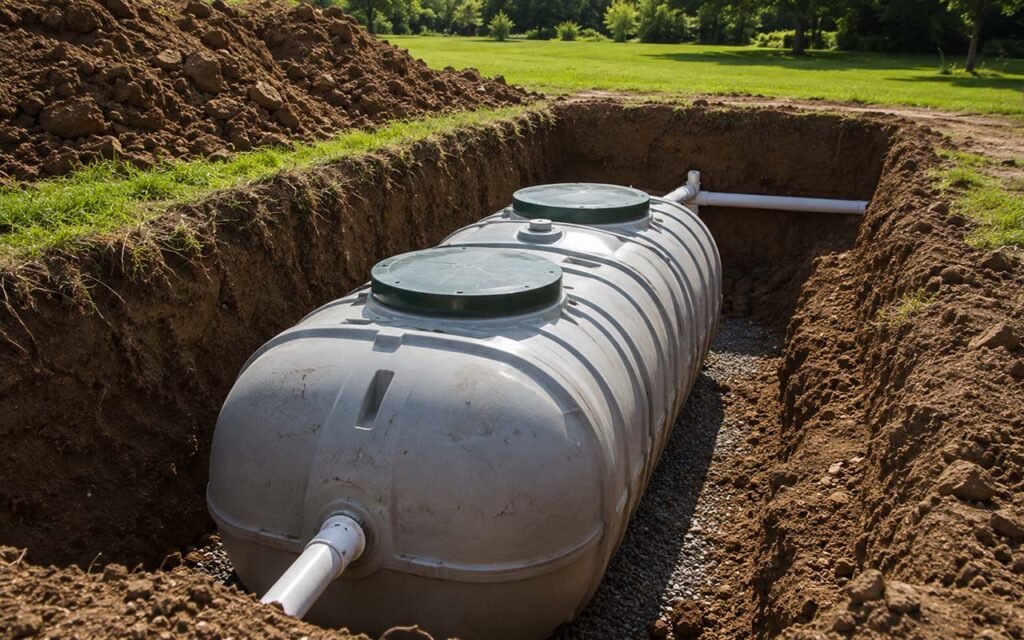
The size of the septic tank directly affects installation pricing. Larger homes generate more wastewater and typically require larger tanks to handle daily usage efficiently.
Most residential septic tanks range from 750 to 1,500 gallons. A small two-bedroom home may only require a 1,000-gallon tank, while larger homes with four or more bedrooms often require 1,250-gallon or 1,500-gallon tanks.
Larger tanks generally cost more to purchase and install. However, selecting an undersized tank can create long-term performance issues and may not meet local code requirements.
As septic professionals, we always recommend sizing the system based on future needs rather than current occupancy alone. A properly sized system helps support property value and reduces the likelihood of premature wear.
Drain Field Costs and Considerations
The drain field is one of the most critical components of any septic system. While many homeowners focus on the tank itself, the drain field often represents a significant portion of the overall installation budget.
A properly functioning drain field disperses and treats wastewater after it leaves the septic tank. The size and design depend on several factors, including soil conditions, property size, and daily wastewater flow.
Drain field costs may increase when:
- Soil absorption rates are poor
- Additional treatment is required
- The installation area is difficult to access
- Larger systems are necessary
- Alternative designs are mandated by local regulations
In many cases, replacing a failed drain field can cost nearly as much as installing an entirely new septic system. This is one reason routine maintenance remains so important.
New Installation vs. Septic System Replacement
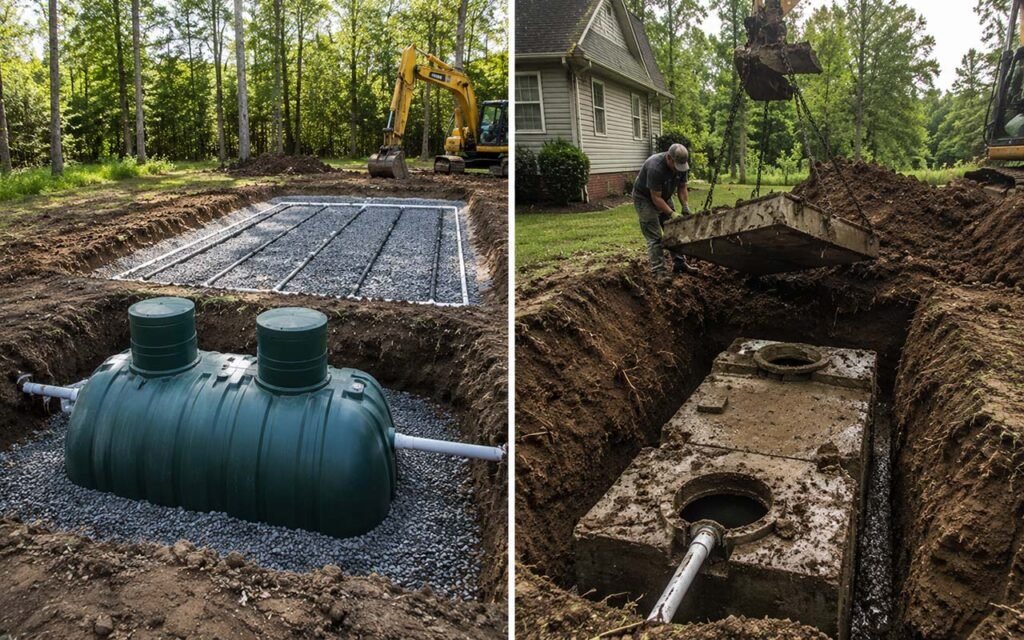
Many homeowners and property developers wonder whether installing a brand-new septic system costs less than replacing an existing one. The answer depends on several factors, including the condition of the property, local regulations, site accessibility, and the existing septic infrastructure. While both projects involve wastewater system planning and installation, the scope of work can vary significantly from one property to another.
New Installation
A new septic system installation is typically performed on undeveloped land where no previous wastewater treatment system exists. These projects usually require soil testing, engineering design, permit approvals, excavation, and complete system construction. Because everything is built from the ground up, contractors can often design the system around the property’s natural layout, which may help streamline the installation process and reduce unexpected complications.
Septic System Replacement
Replacing an existing septic system can be more complex than a new installation. Older systems may need to be removed, abandoned according to local regulations, or relocated to meet current setback requirements. Additional work may include repairing damaged soil, replacing outdated components, and addressing environmental concerns. In many cases, replacement projects involve more labor and planning than property owners initially expect.
In our experience, older properties frequently present challenges that are not visible during the initial evaluation. Outdated septic systems may no longer comply with current health and environmental standards, requiring design modifications and additional permitting. As a result, septic system replacement can sometimes cost as much as, or even more than, installing a new system on undeveloped land.
Long-Term Ownership Costs
When evaluating how much does a new septic system cost, it is important to consider more than installation expenses alone.
A septic system is a long-term investment that requires periodic maintenance to operate efficiently.
Typical ongoing costs may include:
| Maintenance Item | Typical Frequency | Estimated Cost Range |
|---|---|---|
| Septic Pumping | Every 3–5 Years | $300–$800 |
| Aerobic System Inspection | 1–3 Times Per Year | $150–$500 |
| Filter Cleaning | As Needed | Minimal Cost |
| Minor Repairs | Occasional | $200–$2,000 |
| Major Component Replacement | Long-Term | Varies Widely |
Proper maintenance often extends system life beyond 25 to 40 years. Neglecting maintenance can lead to premature failures that cost thousands of dollars to correct.
Real-World Cost Example
A real-world example helps illustrate why septic system costs can vary so widely from one property to another. Imagine a homeowner building a three-bedroom house on a rural Texas property with favorable soil conditions and adequate space for a conventional drain field. The project may require a soil evaluation, permit approvals, a conventional septic tank, drain field installation, excavation, backfilling, and a final inspection. Because the site conditions are ideal and no advanced treatment equipment is needed, the total installation cost may fall near the lower end of the average pricing range.
Now consider a different property with heavy clay soil, limited space for wastewater dispersal, and challenging drainage conditions. In this situation, a conventional system may not be suitable. The property owner could require an aerobic treatment system with additional components, electrical connections, and ongoing monitoring requirements. These added design and installation factors can significantly increase both upfront and long-term costs.
From our experience in the field, no two septic projects are exactly alike. Factors such as soil conditions, site layout, permitting requirements, and system design all influence the final investment. This is why obtaining a professional site evaluation is one of the most important steps when estimating the cost of a new septic system.
How to Reduce Septic Installation Costs
While septic systems represent a substantial investment, there are ways to manage costs without sacrificing quality.
Plan Early
Property owners who begin planning early often avoid delays and unexpected expenses. Early site evaluations can identify challenges before construction starts.
Protect Suitable Installation Areas
Avoid building structures, driveways, or landscaping features in potential septic locations before site evaluations are complete.
Work With Experienced Professionals
Experienced septic contractors can identify cost-effective solutions while ensuring compliance with local regulations.
Invest in Proper Design
Choosing the right system from the beginning often prevents costly modifications later.
In our experience, the cheapest option is not always the most economical long-term choice. A properly designed system typically provides better reliability and lower lifetime costs.
Common Mistakes That Increase Septic Costs
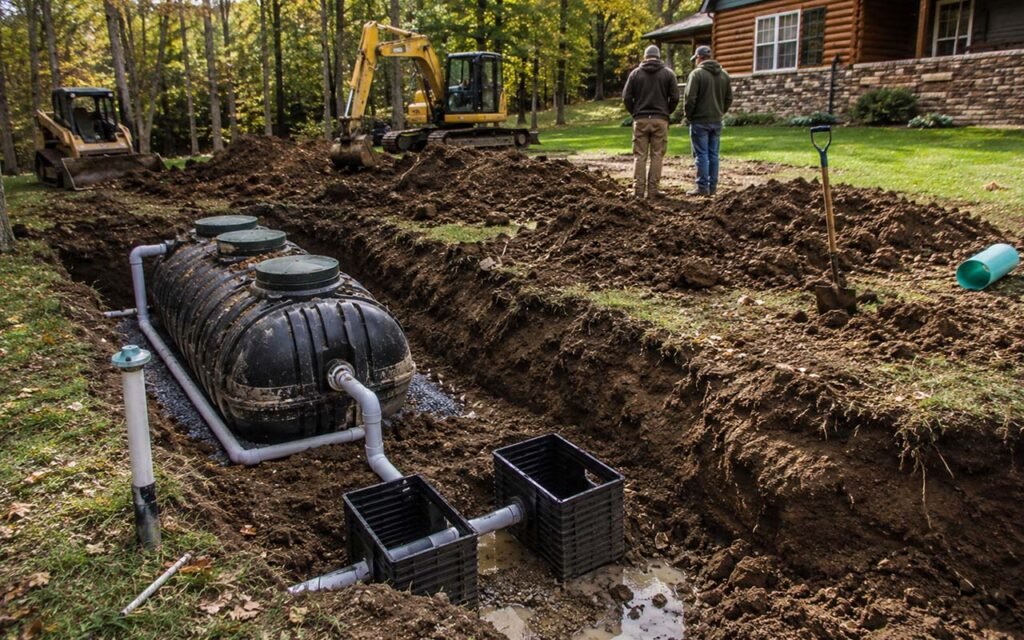
Several mistakes can increase installation expenses unnecessarily.
One common issue is purchasing land without understanding septic requirements. A property may appear suitable for development but have soil limitations that require expensive alternative systems.
Another mistake is delaying maintenance on existing systems. Minor issues often become major repairs when ignored.
Homeowners should also avoid making decisions based solely on upfront pricing. System performance, maintenance requirements, and long-term reliability should all be considered.
Working with qualified professionals helps reduce these risks and improves project outcomes.
Why Local Regulations Matter
Local health departments and environmental agencies establish septic regulations to protect public health and groundwater resources.
Requirements can vary significantly between jurisdictions. Regulations may affect:
- Minimum lot sizes
- Setback distances
- Soil testing procedures
- System designs
- Inspection requirements
These requirements influence overall project costs and should always be considered during planning.
Property owners should never assume neighboring properties follow the same standards. Regulations can change over time, and every site presents unique conditions.
Frequently Asked Questions
What is the average cost of a new septic system?
Most new septic systems cost between $5,000 and $20,000 or more. The final price depends on system type, soil conditions, permits, excavation, and local requirements.
Why are aerobic systems more expensive?
Aerobic systems use mechanical components and advanced treatment processes. These additional features increase both installation and maintenance costs.
Does soil testing affect installation costs?
Yes. Soil testing is typically required before design and permitting. Results help determine the most suitable system for the property.
How long does a septic system last?
A properly maintained septic system can often last 25 to 40 years or longer. Lifespan depends on usage patterns, maintenance practices, and system design.
Can I save money by installing a smaller system?
Installing a system that is too small may violate local codes and create performance issues. Proper sizing is essential for long-term reliability.
Final Thoughts
Understanding how much does a new septic system cost requires looking beyond the price of the tank alone. Site conditions, soil characteristics, system type, permitting requirements, excavation needs, and long-term maintenance all influence the total investment.
While installation costs vary widely, a properly designed septic system provides dependable wastewater treatment for decades when maintained correctly. Investing in quality design and professional installation often delivers better long-term value than focusing solely on the lowest upfront price.
At Dillon Septic, we help residential and commercial property owners navigate every stage of the septic process, from site evaluation and system design to installation, maintenance, and repairs. Our experienced team is committed to providing reliable solutions that meet regulatory requirements and support long-term system performance.
If you are planning a new septic installation or evaluating replacement options, contact Dillon Septic to discuss your property’s specific needs and receive expert guidance from experienced septic professionals.