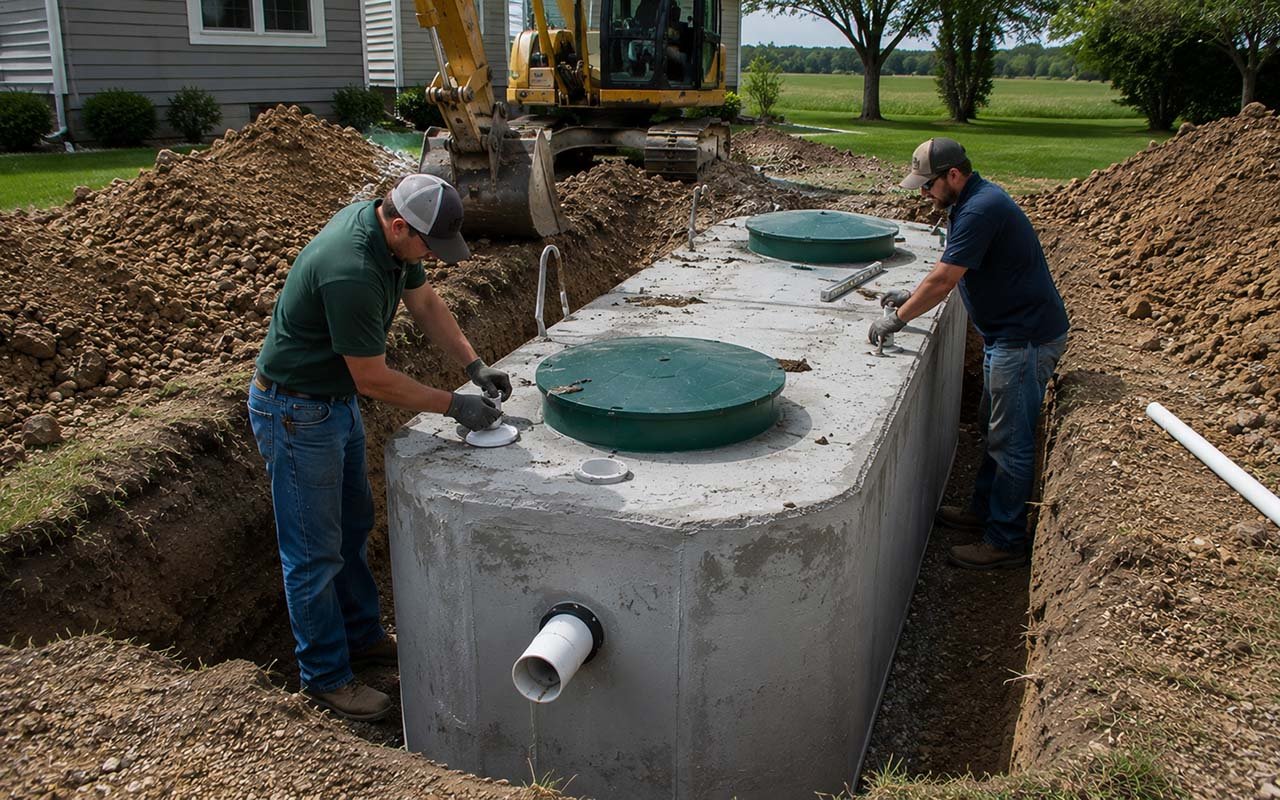
Finding qualified aerobic septic system installers in Texas is one of the most important steps in ensuring a reliable wastewater treatment solution for your property. Whether you are building a new home, replacing an aging septic system, or developing rural land, the quality of installation directly impacts system performance, longevity, and compliance with state regulations.
Texas has unique soil conditions, varying property sizes, and environmental requirements that often make aerobic treatment systems a preferred choice. Unlike conventional septic systems, aerobic units use oxygen to enhance the treatment process, producing cleaner effluent before it is dispersed into the environment.
As septic professionals, we have seen many situations where proper planning and expert installation significantly reduced long-term maintenance costs and system failures. Choosing experienced professionals helps ensure the system is designed correctly from the beginning.
Why Aerobic Septic Systems Are Popular Across Texas
Many regions throughout Texas face challenges that make conventional septic systems less effective. Shallow soils, high clay content, small lot sizes, and environmentally sensitive areas often require a more advanced wastewater treatment solution.
Aerobic systems introduce oxygen into the treatment process through an air pump or aerator. This additional oxygen supports beneficial bacteria that break down waste more efficiently than anaerobic systems.
Homeowners often choose aerobic systems because they offer:
- Improved wastewater treatment performance
- Better suitability for challenging soil conditions
- Reduced environmental impact
- Flexibility for smaller properties
- Compliance with local permitting requirements
In many Texas counties, aerobic systems are commonly required when soil testing indicates that a standard septic system may not function effectively.
How Aerobic Septic Systems Work
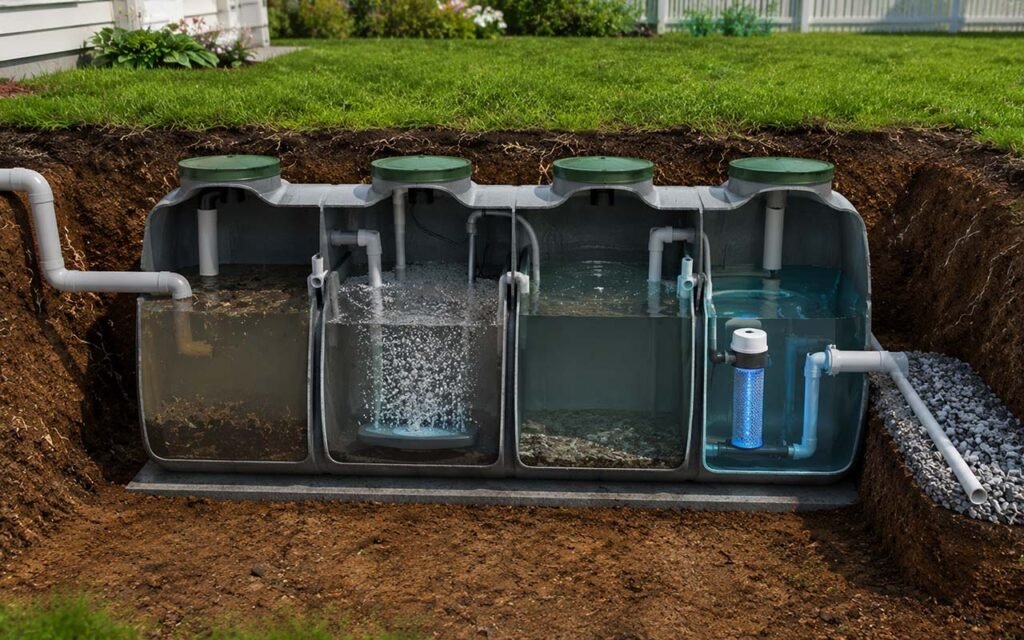
An aerobic septic system operates through multiple treatment stages designed to remove contaminants before wastewater reaches the spray field or disposal area.
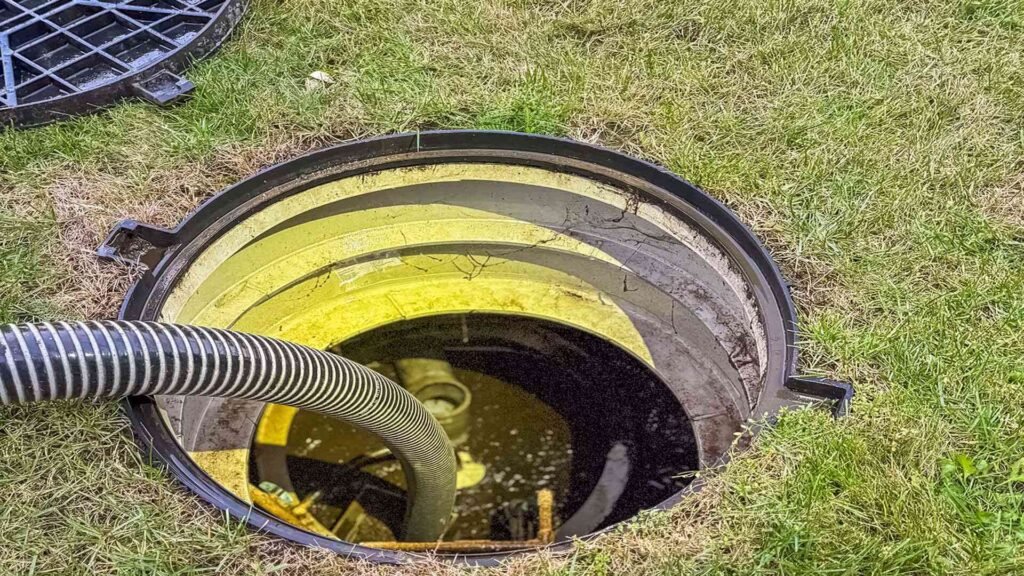
Wastewater first enters a trash tank where larger solids settle. The liquid then moves into the aerobic treatment chamber where oxygen is introduced continuously. Beneficial microorganisms consume and break down organic matter during this stage.
After treatment, the water enters a clarification chamber where additional solids settle out. Many systems then pass through a disinfection process using chlorine tablets or ultraviolet treatment before final dispersal.
The result is a higher-quality effluent that often achieves treatment levels comparable to small municipal wastewater facilities.
One reason these systems remain popular throughout Texas is their ability to provide effective treatment even on properties where conventional systems would struggle.
When Property Owners Need an Aerobic Septic System
Not every property requires an aerobic treatment unit, but many conditions make them the preferred option.
Several factors may influence system selection:
| Property Condition | Conventional System | Aerobic System |
|---|---|---|
| Heavy clay soil | Limited suitability | Excellent option |
| Small lot size | Often restricted | Frequently approved |
| Environmentally sensitive areas | May face limitations | Commonly accepted |
| High groundwater conditions | May require modifications | Often recommended |
| Advanced treatment needs | Limited treatment | Enhanced treatment |
In our experience, soil conditions are one of the most common reasons homeowners are directed toward aerobic systems during the permitting process.
A professional site evaluation and soil analysis help determine the most appropriate system for each property.
Licensing Requirements for Aerobic Septic System Installers in Texas
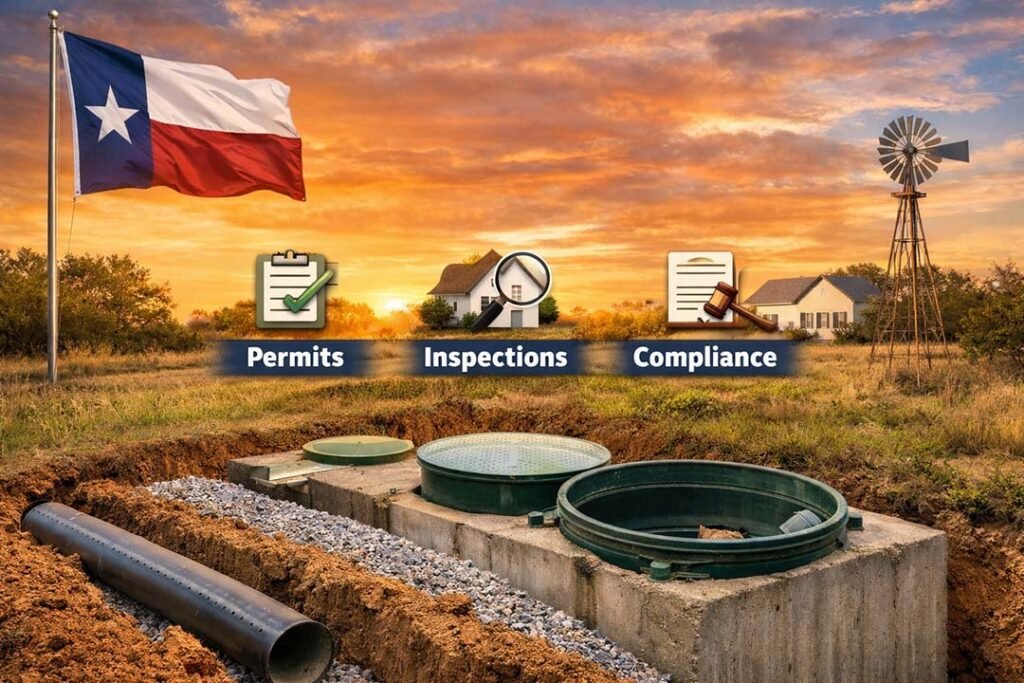
Texas regulates onsite sewage facilities through the Texas Commission on Environmental Quality. Installers must meet licensing requirements and follow established standards during installation.
Qualified professionals understand local permitting processes, soil testing requirements, system sizing calculations, and inspection procedures.
The installation process typically involves:
- Site evaluation
- Soil testing
- System design approval
- Permit acquisition
- Excavation and installation
- Component testing
- Final inspection
Working with licensed professionals helps reduce delays and ensures the project meets all applicable regulations.
Many homeowners are surprised to learn that even minor installation errors can lead to costly repairs later. Proper oversight during construction helps avoid these problems.
Factors That Influence Aerobic System Installation Costs
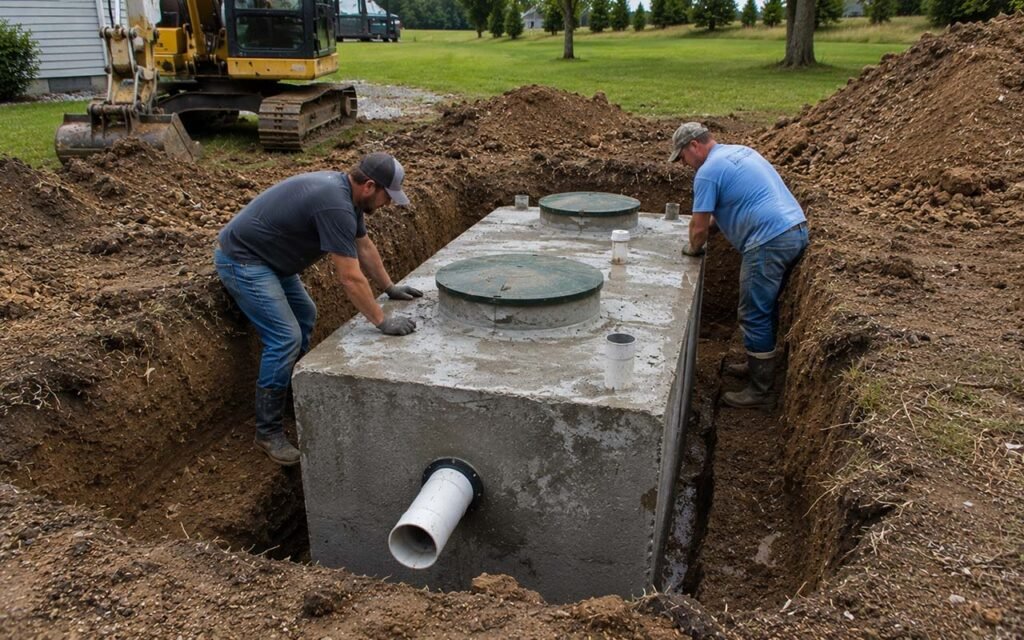
Installation costs vary considerably across Texas because every property presents unique challenges.
Several factors affect overall project pricing:
Property size plays a significant role. Larger systems require more materials and labor. Soil conditions can also influence excavation requirements and equipment needs.
Additional cost factors include treatment unit size, spray field design, electrical connections, permit fees, and site accessibility.
Industry data suggests that aerobic septic system installations in Texas commonly range between $10,000 and $25,000 or more depending on site conditions and system specifications.
While upfront costs are typically higher than conventional systems, the enhanced treatment capabilities often justify the investment for many properties.
Common Components Found in Modern Aerobic Systems
Modern aerobic treatment systems contain several specialized components working together to process wastewater efficiently.
These components generally include:
- Trash tank
- Aeration chamber
- Air compressor
- Clarification tank
- Disinfection system
- Spray distribution system
- Control panel and alarms
Each component serves an important purpose in maintaining treatment efficiency.
As septic professionals, we often remind property owners that routine maintenance of these components is essential for maximizing system lifespan and preventing unexpected breakdowns.
The Importance of Routine Maintenance
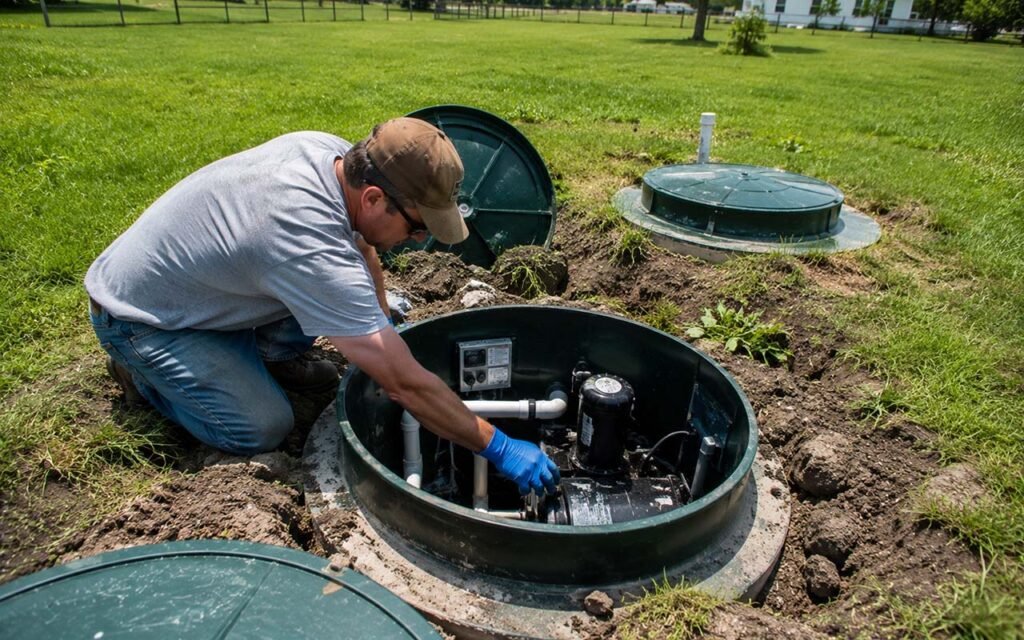
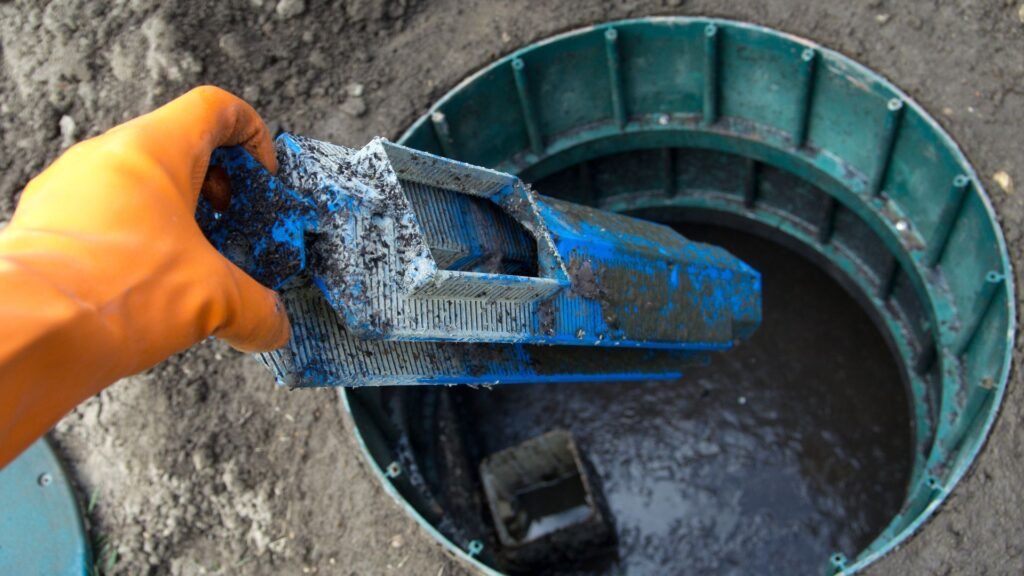
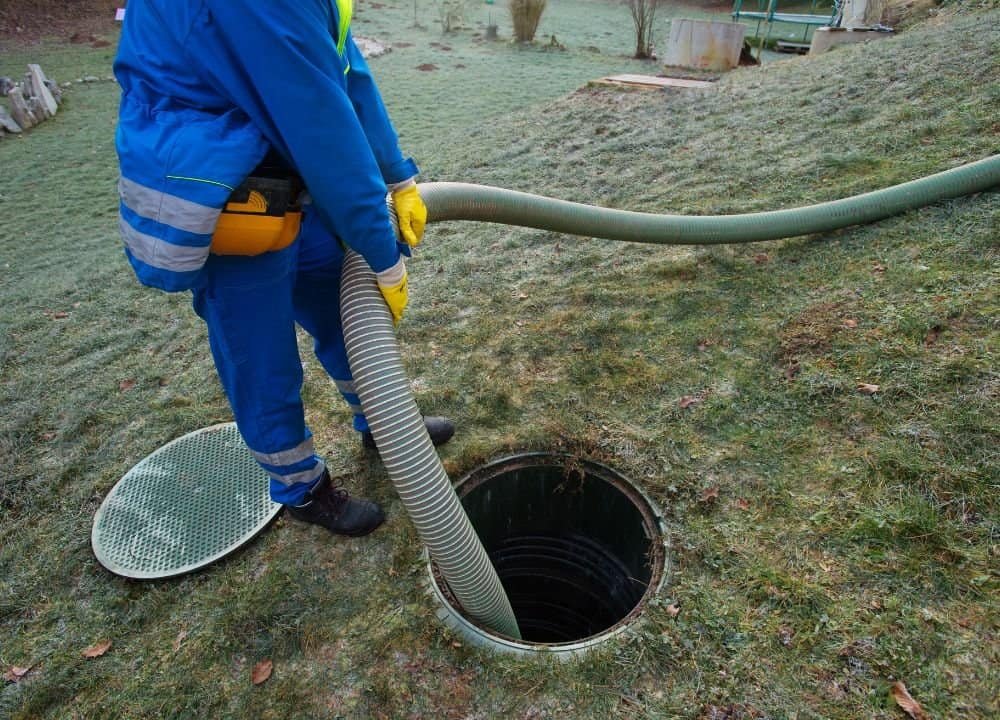
Unlike conventional septic systems, aerobic treatment units require ongoing maintenance and periodic inspections.
Most manufacturers recommend service inspections every four to six months depending on system design and local regulations.
Routine maintenance typically includes:
Checking aerator operation, inspecting pumps, testing alarms, evaluating spray heads, monitoring sludge levels, and verifying disinfection equipment performance.
Many Texas counties require maintenance contracts for aerobic systems to ensure continued compliance.
Proper maintenance not only protects system performance but also extends equipment life and helps avoid expensive emergency repairs.
Signs Your Aerobic System Needs Professional Attention
Even well-maintained systems occasionally develop problems.
Common warning signs include unusual odors, alarm activation, standing water near spray fields, slow drains, excessive vegetation growth, or visible wastewater surfacing.
One issue we commonly encounter during inspections is delayed response to warning alarms. Many homeowners assume the alarm indicates a minor issue, but prompt diagnosis often prevents more significant damage.
Addressing problems early typically results in lower repair costs and reduced system downtime.
Choosing the Right Aerobic Septic System Installer
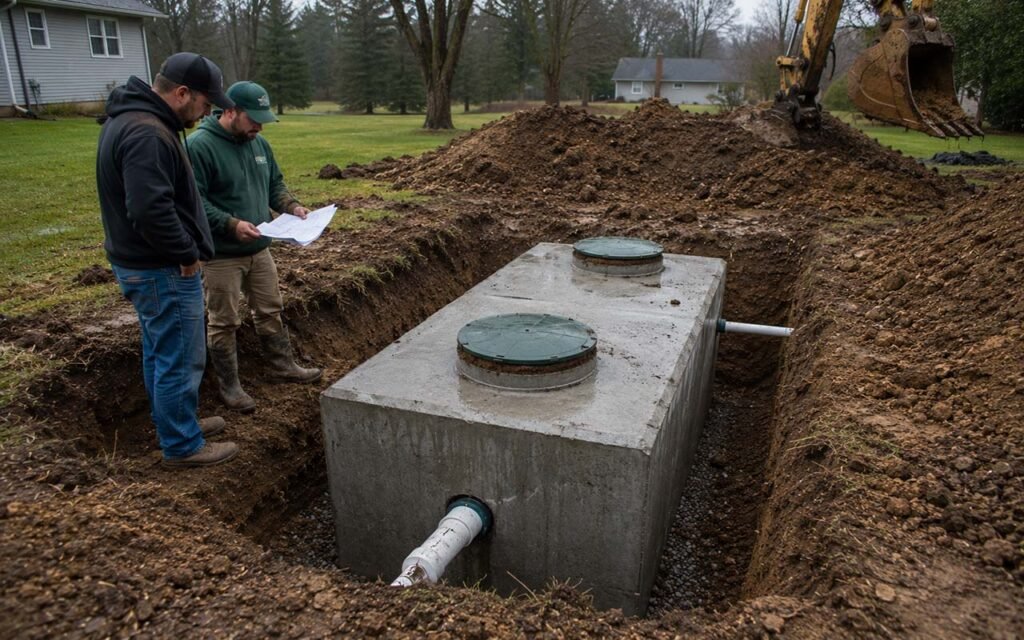
Selecting the right contractor can have a lasting impact on system performance.
Property owners should evaluate several factors before hiring an installer.
Look for experience with aerobic treatment systems, proper licensing, positive customer reviews, local knowledge, and familiarity with county regulations.
A reputable installer should also provide clear communication regarding permitting requirements, installation timelines, maintenance expectations, and long-term system care.
At Dillon Septic, we believe successful installations begin with a thorough understanding of the property’s unique conditions. Every site requires a customized approach to ensure reliable operation for years to come.
Dillon Septic provides professional aerobic septic system installation in Texas, delivering customized solutions, expert workmanship, and dependable service to ensure long-lasting performance for residential and commercial properties.
Conclusion
Aerobic septic systems have become an essential wastewater treatment solution throughout Texas. Their ability to provide advanced treatment in challenging soil conditions makes them a practical choice for many residential and commercial properties.
Choosing experienced aerobic septic system installers in Texas helps ensure proper design, regulatory compliance, and long-term reliability. From site evaluation and permitting to installation and maintenance, every phase plays a critical role in overall system performance.
Whether you are planning new construction or replacing an existing septic system, working with knowledgeable professionals can help protect your investment and ensure your property remains compliant with local requirements. Dillon Septic provides expert septic installation, maintenance, and repair services throughout Texas, helping property owners achieve dependable wastewater solutions tailored to their specific needs.