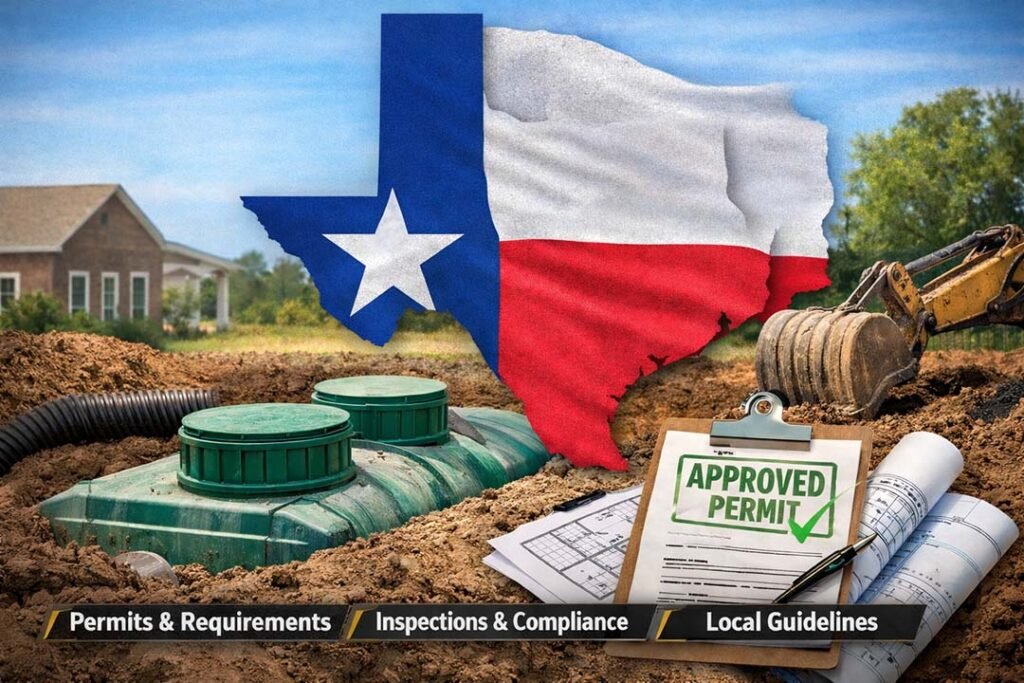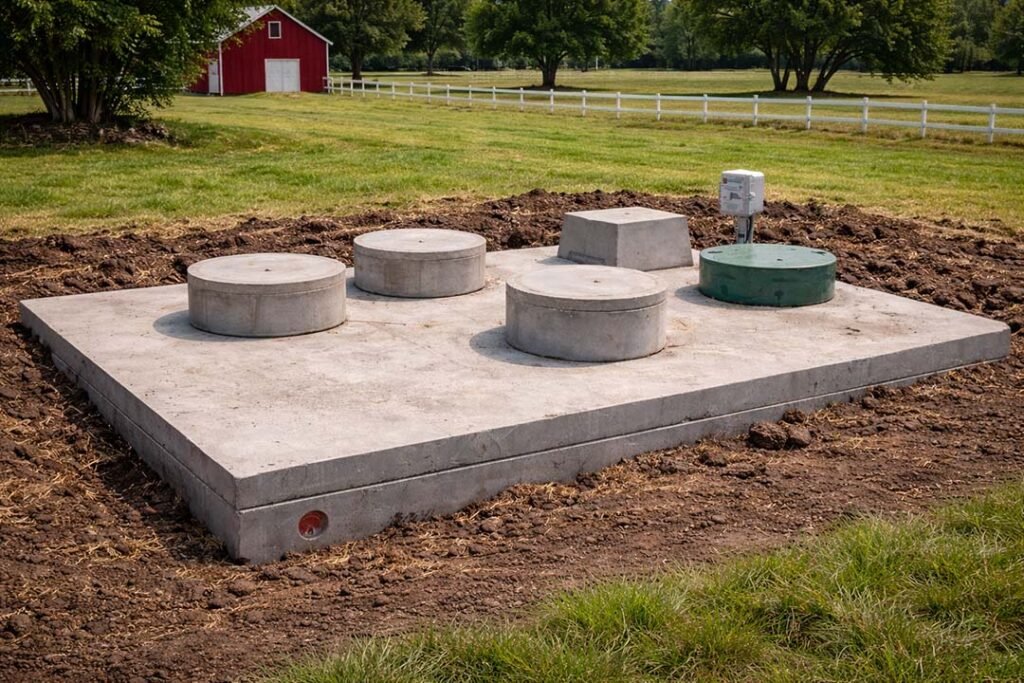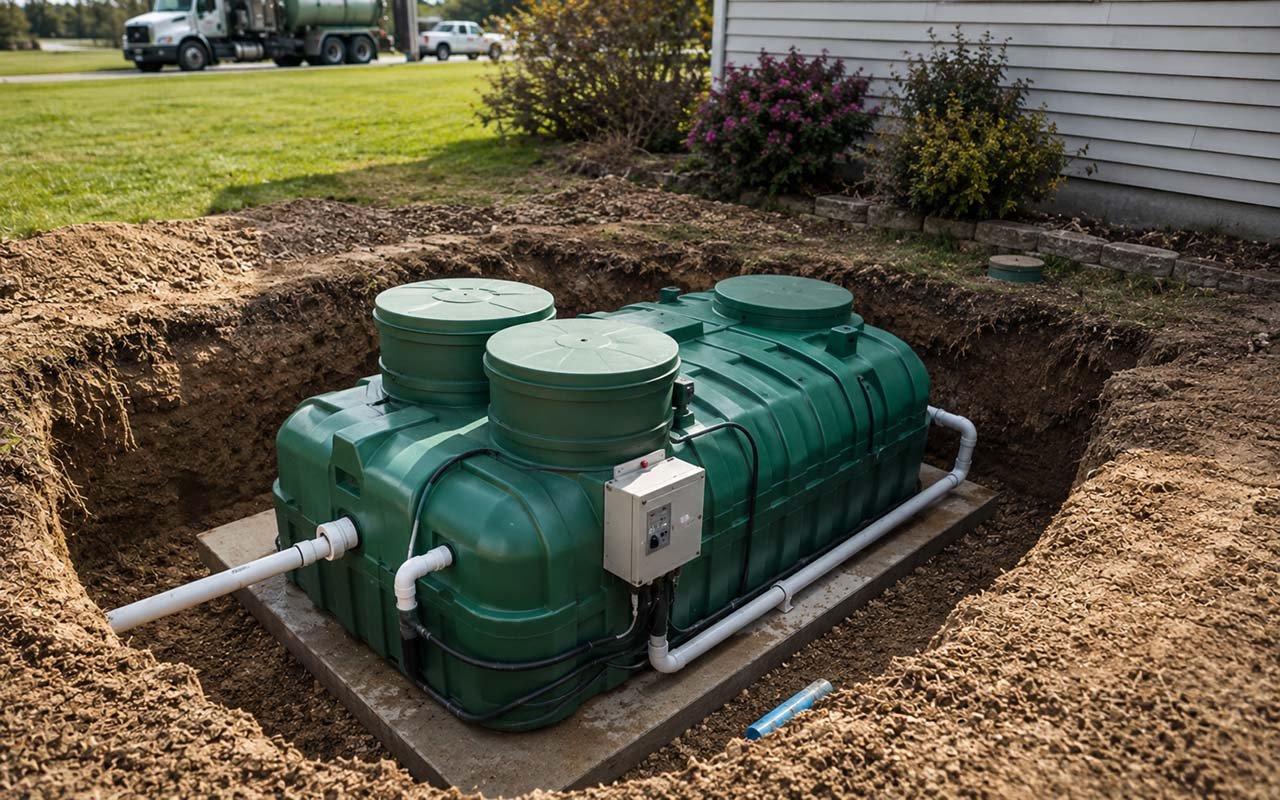
If you’re planning to build a home, replace an aging septic system, or purchase rural property, you may be wondering are aerobic septic systems common in central texas. The short answer is yes. Across much of Central Texas, aerobic systems have become a preferred solution because of local soil conditions, smaller lot sizes, and environmental regulations that often make conventional systems less practical.
After working with homeowners throughout Central Texas, we’ve seen firsthand that no two properties are exactly alike. Soil composition, available space, groundwater protection, and county requirements all influence which septic system is approved. Understanding why aerobic treatment units are so widely used can help you make a better long-term investment while avoiding expensive mistakes.
Why Aerobic Septic Systems Are Popular in Central Texas
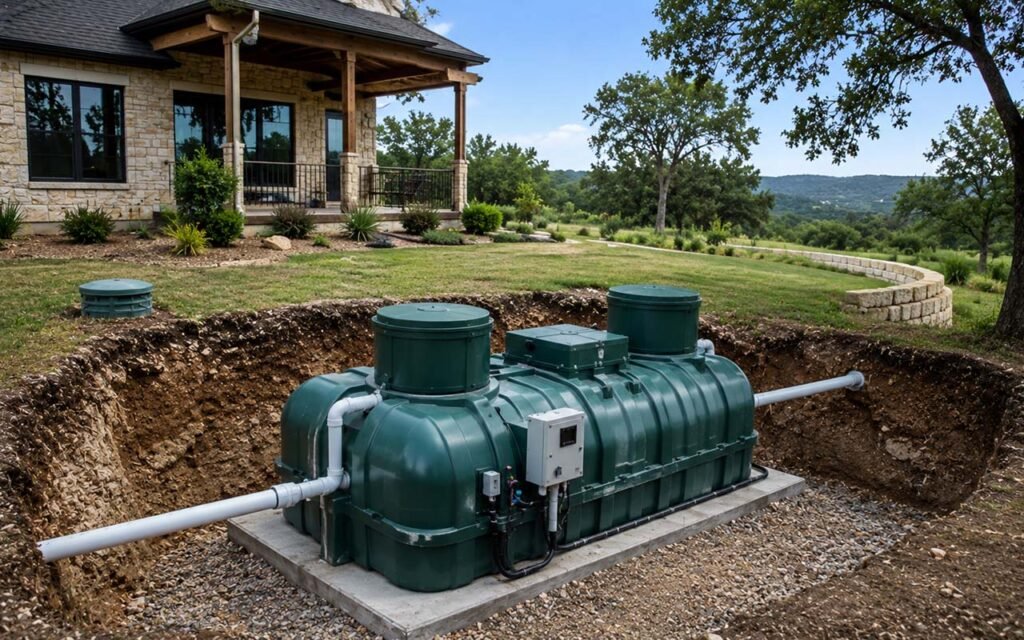
Central Texas presents several challenges for traditional septic systems. Much of the region contains shallow soils, limestone formations, clay soils, and environmentally sensitive watersheds. These conditions reduce the effectiveness of conventional drain fields.
Aerobic systems solve many of these challenges by treating wastewater to a much higher standard before it enters the soil.
Some of the biggest reasons homeowners choose aerobic systems include:
- Better wastewater treatment performance
- Improved environmental protection
- Greater flexibility on difficult lots
- Compliance with county regulations
- Suitable for properties with limited absorption areas
In many counties, an aerobic treatment unit is not simply an upgrade. It may be the only system approved for the property.
How an Aerobic Septic System Works
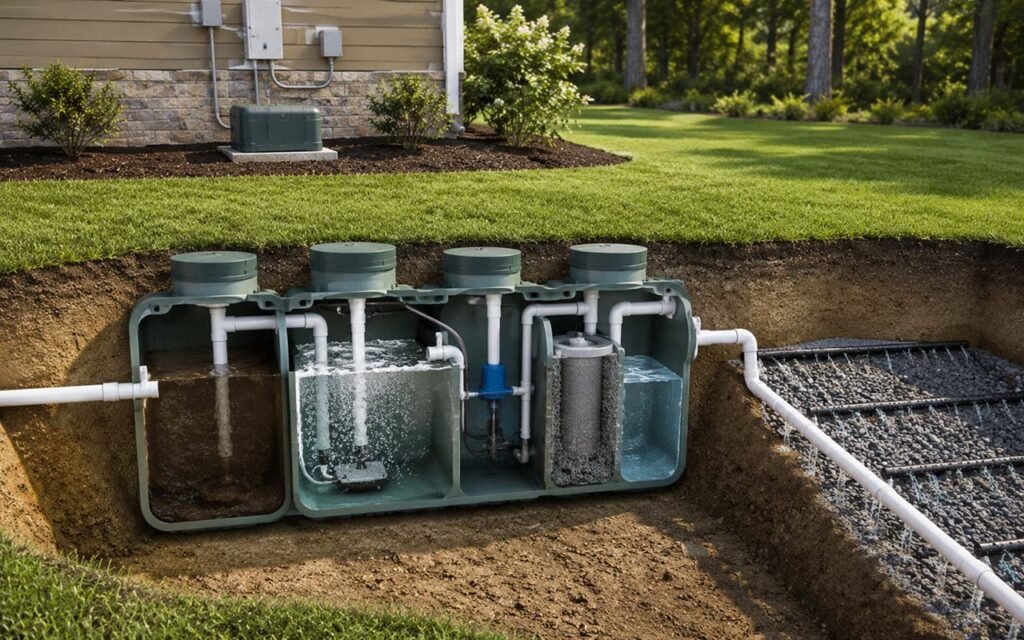
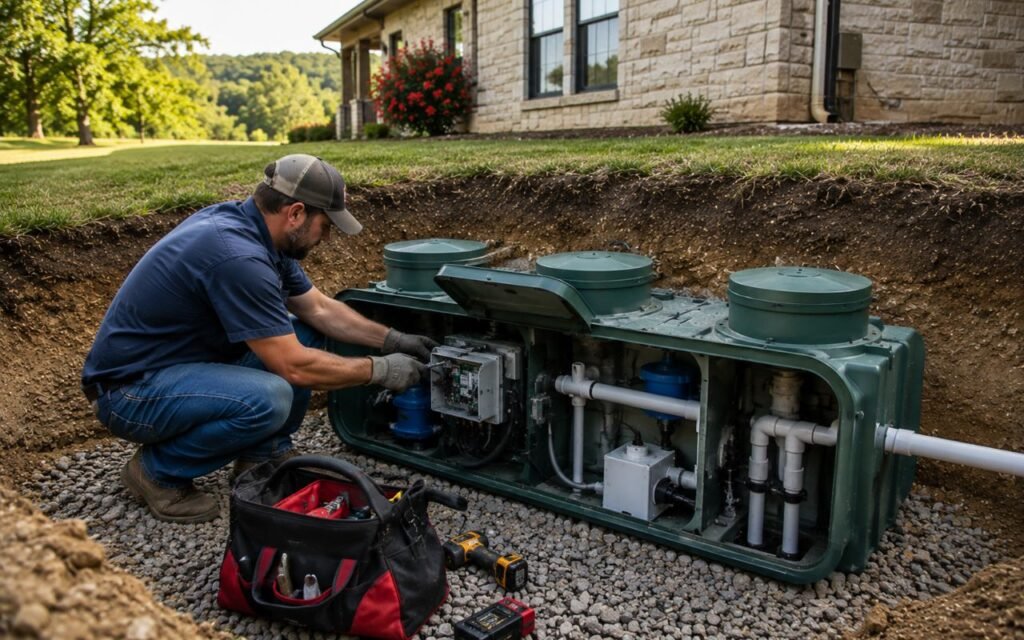
Unlike a conventional septic system that depends primarily on naturally occurring anaerobic bacteria, an aerobic system introduces oxygen into the treatment process.
An electric air compressor continuously supplies oxygen to beneficial bacteria that rapidly break down organic waste.
A typical aerobic system includes:
- Trash tank
- Aeration chamber
- Clarification chamber
- Disinfection unit
- Spray or drip dispersal field
The additional treatment removes significantly more organic matter before the treated water leaves the system.
From our experience installing and servicing these systems, homeowners are often surprised by how clean the treated water becomes compared to untreated septic effluent.
Why Conventional Systems Do Not Always Work Well
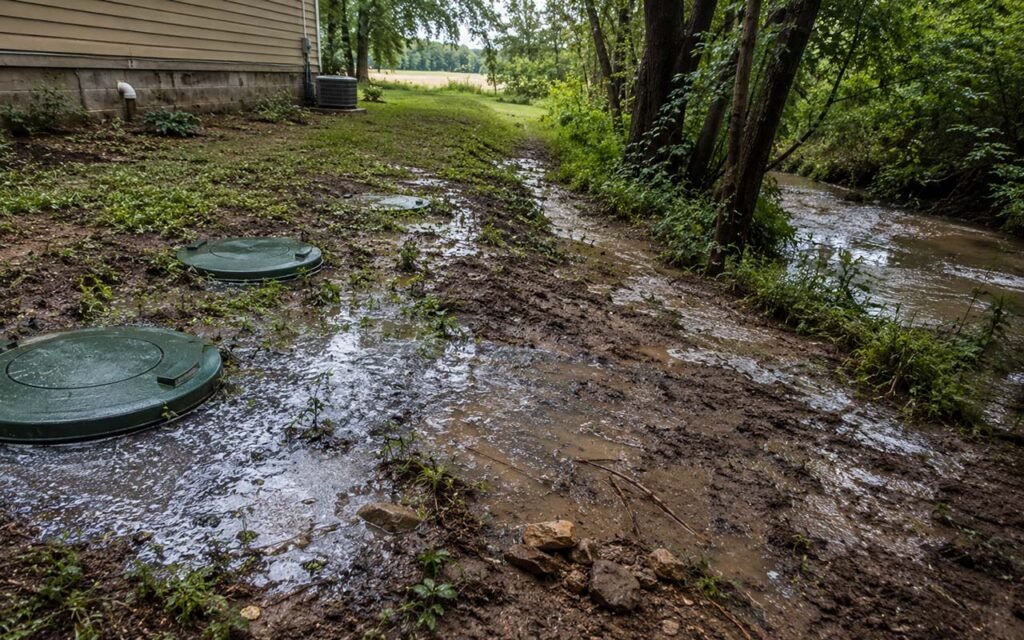
Many rural Texas properties have soils that drain either too slowly or too quickly.
Heavy clay soils limit absorption.
Rocky limestone reduces available treatment depth.
High groundwater creates additional concerns.
These conditions increase the risk of untreated wastewater reaching nearby streams or groundwater supplies.
Aerobic systems reduce this risk because wastewater receives advanced biological treatment before being dispersed.
That extra treatment provides greater protection for both homeowners and the surrounding environment.
Conventional vs Aerobic Septic Systems
| Feature | Conventional System | Aerobic System |
|---|---|---|
| Treatment method | Anaerobic bacteria | Oxygen-fed aerobic bacteria |
| Treatment quality | Standard | Advanced |
| Best soil conditions | Deep permeable soils | Challenging soils |
| Electricity required | No | Yes |
| Maintenance frequency | Lower | Higher |
| Suitable for small lots | Limited | Often better |
| Environmental protection | Good | Excellent |
Although aerobic systems cost more initially, they often provide the only practical solution for difficult building sites.
Counties Where Aerobic Systems Are Frequently Installed
While every property receives an individual site evaluation, aerobic systems are commonly found throughout much of Central Texas.
Examples include areas such as:
- Comal County
- Hays County
- Blanco County
- Burnet County
- Kendall County
- Gillespie County
- Travis County
- Williamson County
Many counties require professional soil evaluations before approving any onsite wastewater treatment system.
Requirements may vary depending on local regulations, watershed protection rules, and property characteristics.
Soil Conditions That Favor Aerobic Systems
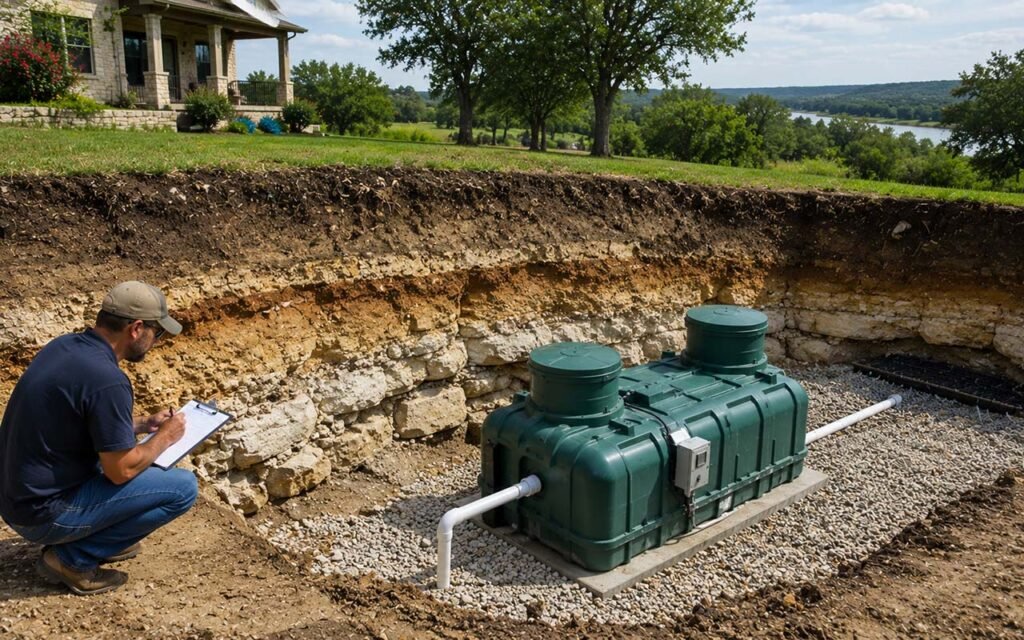
One of the main reasons aerobic septic systems are widely used throughout Central Texas is the region’s challenging soil and geological conditions. Unlike areas with deep, well-drained soil, much of Central Texas has characteristics that make conventional septic systems less effective. During a professional site evaluation, these conditions often influence whether an aerobic treatment system is recommended or required.
Shallow Soil Over Limestone
Many properties in Central Texas have only a limited layer of soil before reaching solid limestone or bedrock. Conventional septic systems depend on sufficient soil depth to naturally filter and treat wastewater before it reaches groundwater. When soil is too shallow, there is not enough space for proper treatment, increasing the risk of contamination.
Aerobic systems provide advanced treatment before wastewater is dispersed, making them a more suitable option for properties with limited soil depth.
Heavy Clay Soils
Clay soils are common throughout many parts of Central Texas and present another challenge for septic system performance. Because clay absorbs water very slowly, wastewater may remain in the drain field longer than intended. Over time, this can lead to saturated soil, poor drainage, unpleasant odors, and premature drain field failure.
By producing cleaner effluent, aerobic treatment units reduce the workload placed on the soil, helping improve long-term performance in areas with slow-draining clay.
Fractured Limestone and Karst Terrain
Large portions of Central Texas are underlain by fractured limestone, also known as karst geology. These natural cracks and underground channels can allow untreated wastewater to move quickly into aquifers, springs, and nearby water sources if it is not properly treated.
Since aerobic systems significantly reduce organic matter and harmful bacteria before discharge, they provide an added layer of environmental protection in these sensitive geological conditions.
Environmentally Sensitive Watersheds
Many Central Texas communities are located near rivers, lakes, and protected watersheds that supply drinking water and support local ecosystems. To protect these valuable natural resources, counties and local health authorities often enforce stricter onsite wastewater treatment requirements.
In these environmentally sensitive areas, aerobic septic systems are frequently approved because they produce higher-quality treated wastewater than conventional systems. Their advanced treatment process helps reduce pollutants entering the surrounding environment while supporting compliance with local regulations.
From our experience working on septic systems throughout Central Texas, every property is unique. A professional soil evaluation remains the most reliable way to determine whether a conventional or aerobic septic system is the best long-term solution for your land.
What Are the Advantages of an Aerobic Septic System?
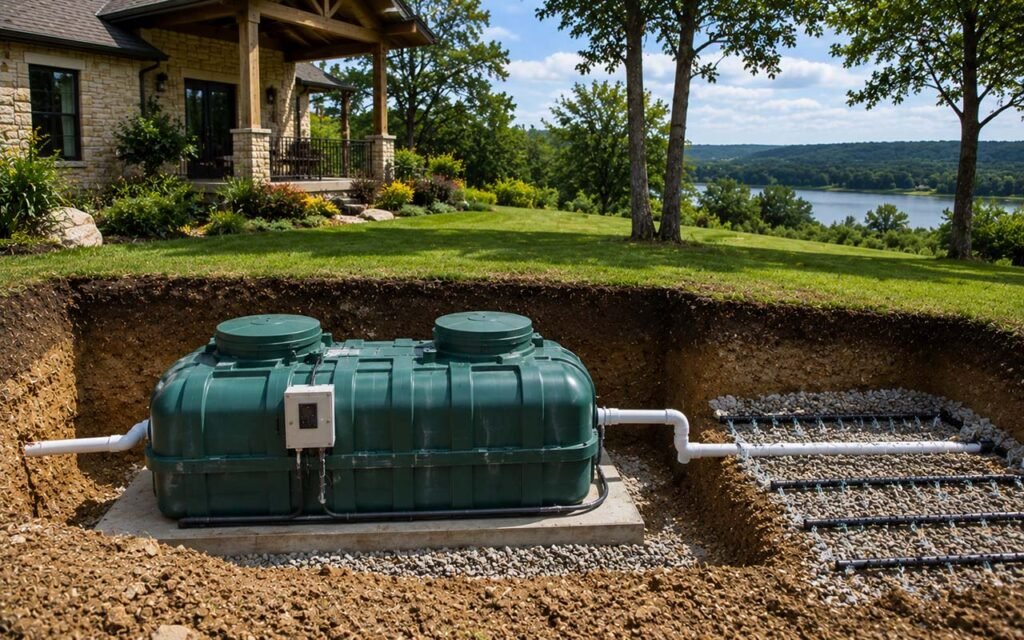
Aerobic septic systems have become a popular choice for many homeowners in Central Texas because they offer reliable wastewater treatment in locations where conventional systems may struggle. While every property has unique requirements, an aerobic treatment unit provides several practical advantages that improve system performance, environmental protection, and long-term reliability. Understanding these benefits can help you determine whether this type of system is the right fit for your property.
Better Wastewater Treatment
One of the biggest advantages of an aerobic septic system is its ability to produce a higher level of wastewater treatment. By introducing oxygen into the treatment process, aerobic bacteria break down organic waste much faster and more efficiently than the anaerobic bacteria found in conventional septic systems.
The result is cleaner effluent with lower concentrations of organic material and harmful bacteria before it reaches the disposal area. This improved treatment helps protect surrounding soil and reduces the environmental impact of wastewater disposal.
Smaller Drain Field Requirements
Because wastewater is treated more thoroughly before leaving the system, aerobic septic systems often require a smaller dispersal area than conventional systems. This makes them an excellent solution for properties with limited usable space or lots where installing a traditional drain field would be difficult.
For many homeowners in Central Texas, where rocky terrain and irregular lot layouts are common, this added flexibility can make the difference between receiving septic system approval and needing costly site modifications.
Enhanced Environmental Protection
Protecting groundwater and nearby waterways is one of the primary reasons aerobic systems are widely used throughout Central Texas. Advanced treatment significantly reduces nutrients, suspended solids, and harmful microorganisms before treated wastewater is released into the soil.
This higher treatment standard helps protect nearby creeks, lakes, wells, and environmentally sensitive watersheds. It also supports compliance with local wastewater regulations designed to preserve public health and natural resources.
Greater Flexibility for Challenging Properties
Not every property has the soil conditions needed for a conventional septic system. Shallow soil, heavy clay, limestone, high groundwater, or limited installation space can all make a traditional system impractical.
An aerobic treatment unit offers greater flexibility by providing advanced treatment that allows many challenging properties to qualify for onsite wastewater disposal. In our experience, homeowners are often able to build on lots that might otherwise require expensive engineering solutions or may not qualify for a conventional septic system at all.
Choosing the right septic system always begins with a professional site evaluation. When local conditions make conventional treatment less effective, an aerobic septic system can provide a dependable, environmentally responsible solution that delivers reliable performance for many years with proper maintenance.
What Maintenance Do Aerobic Systems Require?
One important difference between aerobic and conventional systems is maintenance.
Aerobic units contain mechanical components that require periodic inspection.
Typical maintenance includes:
- Inspecting pumps and air compressors
- Testing disinfectant levels
- Cleaning filters
- Checking spray heads
- Monitoring alarms
- Measuring sludge levels
Texas regulations often require maintenance agreements with licensed providers for aerobic treatment units.
From our field experience, routine maintenance is one of the biggest factors influencing long-term system performance.
Ignoring small service issues can eventually lead to expensive repairs.
How Long Does an Aerobic Septic System Last?
A properly installed aerobic system can often last 20 to 30 years or longer.
Individual components have different service lives.
Air compressors commonly last around 5 to 10 years.
Pumps may operate for 10 years or more depending on usage.
Control panels typically remain reliable for many years when protected from weather.
Regular maintenance greatly extends equipment life.
Many systems continue operating efficiently for decades when homeowners follow recommended service schedules.
Signs Your Aerobic System Needs Service
Most aerobic systems include alarms that notify homeowners when problems develop.
Never ignore these warning signs.
Watch for:
- Alarm activation
- Strong sewage odors
- Wet areas near spray fields
- Slow household drains
- Constant pump operation
- Unusual spray patterns
Early repairs usually cost far less than waiting until major damage occurs.
Is an Aerobic System Worth the Extra Cost?
Initial installation costs are generally higher than conventional systems because of additional equipment and electrical components.
However, many homeowners discover the added investment provides long-term value.
Benefits often include:
- Better environmental performance
- Higher treatment quality
- Greater approval flexibility
- Improved reliability on difficult properties
- Compliance with local regulations
For many Central Texas homes, an aerobic system is not simply an upgrade. It is the safest and most effective wastewater treatment solution available.
Expert Insight From the Field
One misconception we regularly hear is that aerobic systems are only necessary for luxury homes.
In reality, system selection depends far more on site conditions than home value.
We’ve worked on modest rural homes where aerobic treatment was required because of shallow limestone and limited soil depth. We’ve also seen larger properties that qualified for conventional systems because they had excellent soil conditions.
Every property should be evaluated individually. Choosing the right system always begins with a professional site evaluation rather than assumptions based on neighboring properties.
Dillon Septic provides expert aerobic septic system installation, inspections, maintenance, repairs, and pumping throughout Central Texas. Our experienced team delivers dependable solutions, quality workmanship, and reliable service to keep your septic system operating efficiently year-round.
Frequently Asked Questions
Are aerobic septic systems required in Central Texas?
Not always. Requirements depend on soil conditions, lot size, county regulations, groundwater protection, and site evaluations.
Do aerobic systems smell?
Properly maintained systems should produce very little odor. Strong smells often indicate maintenance issues that should be addressed promptly.
How often should an aerobic system be serviced?
Most systems benefit from professional inspections every four to six months, depending on local regulations and manufacturer recommendations.
Can aerobic systems work on small lots?
Yes. Their higher treatment efficiency often makes them a better option for properties with limited space.
Do aerobic systems use electricity?
Yes. They rely on an air compressor and other electrical components to support the treatment process.
Conclusion
Aerobic septic systems have become increasingly common across Central Texas because they provide reliable wastewater treatment in areas where conventional systems may not perform well. Challenging soil conditions, smaller lots, environmentally sensitive locations, and local regulations often make aerobic treatment units the preferred solution for many homeowners. While they require routine maintenance and periodic inspections, they also deliver long-term performance, protect groundwater quality, and help property owners meet local health requirements.
If you are wondering are aerobic septic systems common in Central Texas, the answer is yes in many communities. However, the right septic system always depends on your property’s soil, size, drainage, and county regulations. A professional site evaluation is the best way to determine which system will provide dependable performance for years to come.