Texas properties can use several types of septic systems, but choosing a system is not simply a matter of deciding which design you prefer.
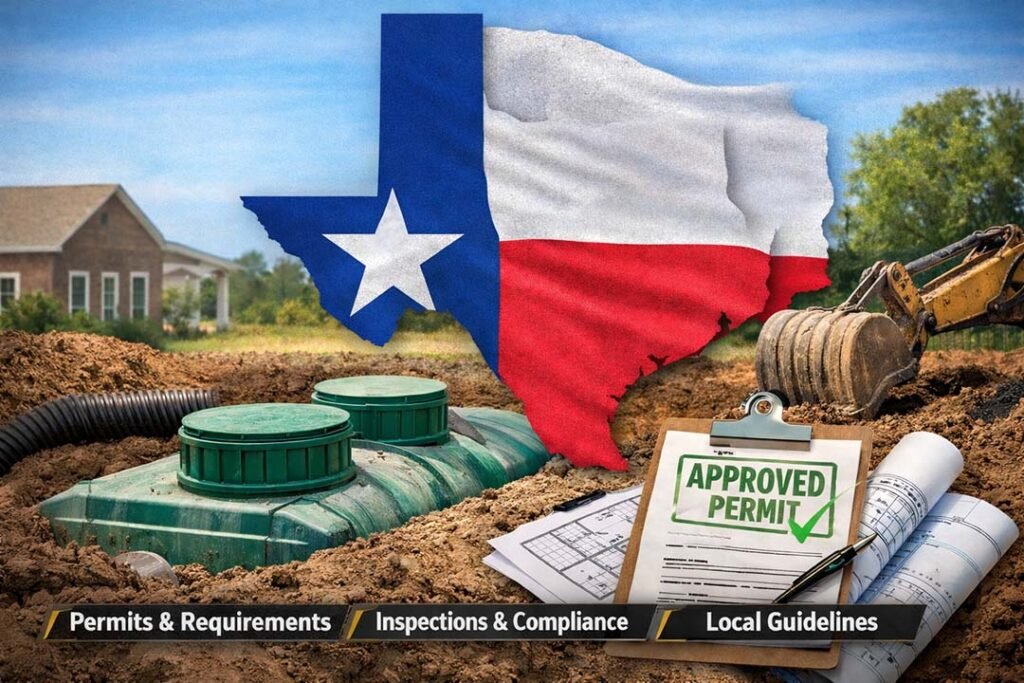
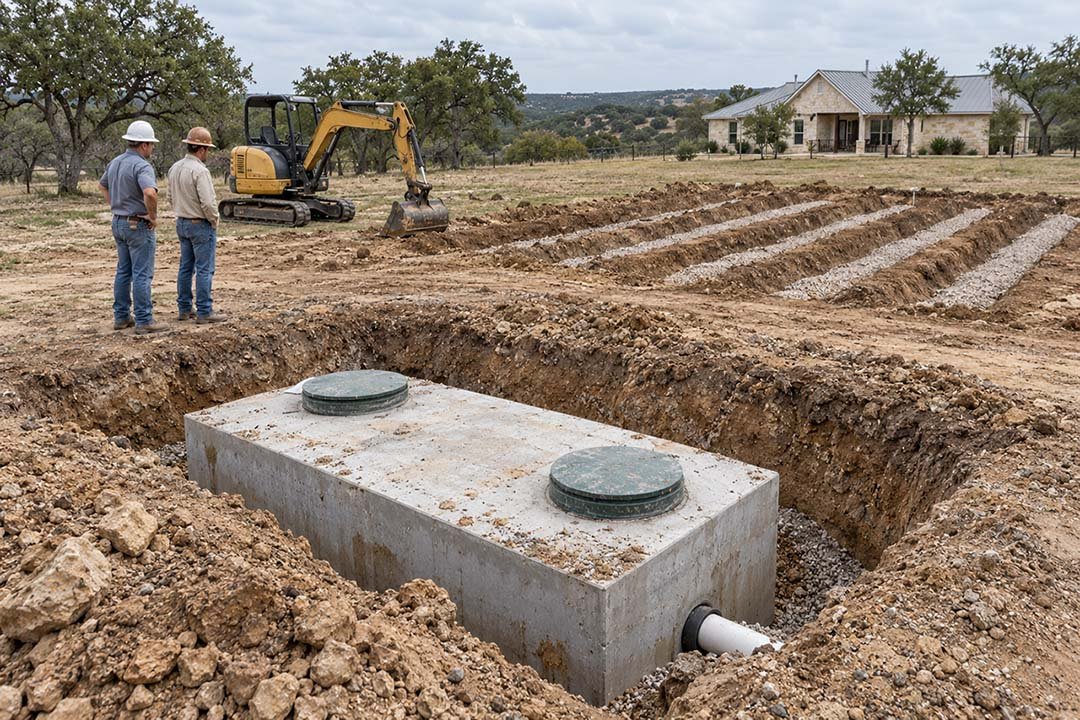
The appropriate system depends on the property, soil conditions, available disposal area, groundwater and restrictive conditions, wastewater requirements, and the results of a site evaluation. TCEQ requires a site evaluation by a licensed site evaluator or professional engineer before an OSSF is constructed, installed, altered, extended, or repaired.
It is also useful to understand how Texas classifies septic systems.
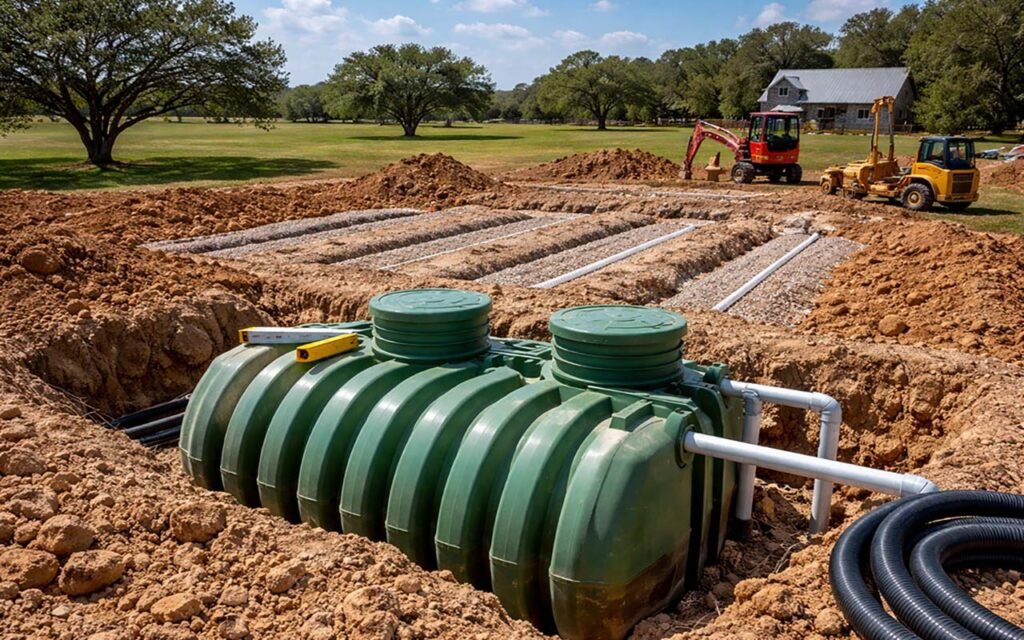
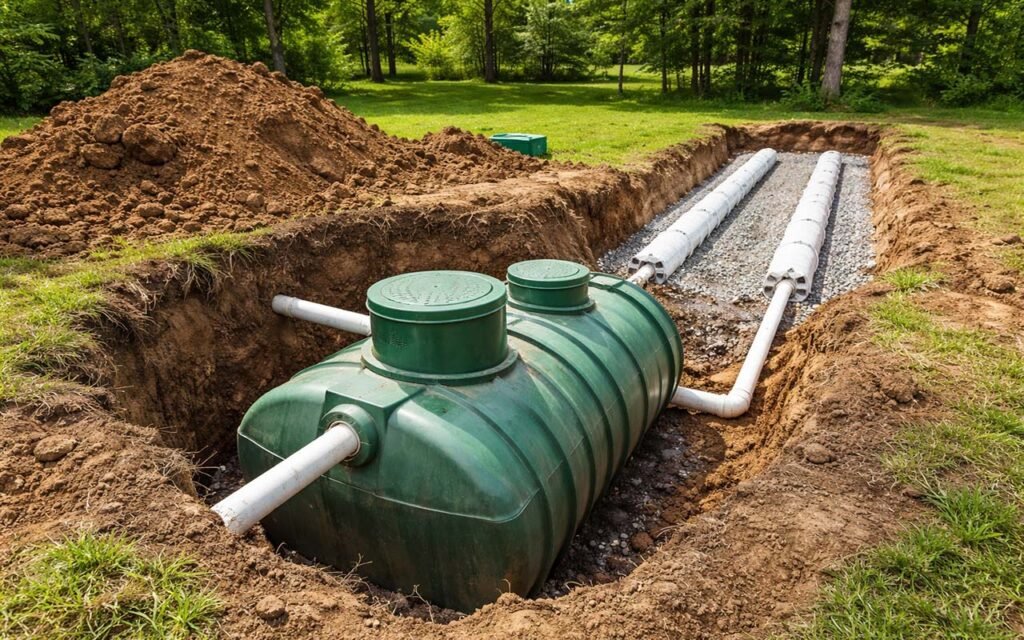
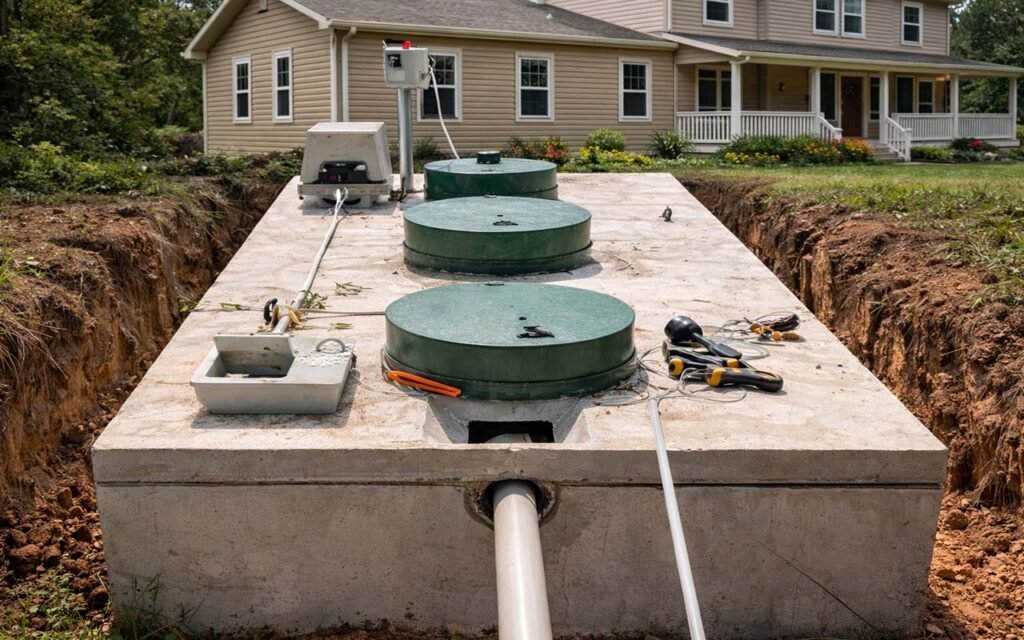
An on-site sewage facility, commonly called a septic system, can combine a treatment method with a disposal method. A septic tank or aerobic treatment unit handles wastewater treatment, while a drainfield, drip system, surface application area, or another approved method handles effluent disposal.
That distinction explains why there are more septic system configurations in Texas than simply conventional and aerobic.
How Septic Systems Are Classified in Texas
A complete septic system performs two basic jobs.
First, wastewater must be treated.
Second, the treated effluent must be distributed or disposed of in an appropriate area.
TCEQ’s system-selection guidance reflects this distinction by identifying treatment methods separately from disposal methods. The permitted combination depends on site conditions and applicable requirements.
For example, a septic tank may be paired with an absorptive drainfield on a suitable property. Another site may require secondary treatment combined with a different disposal method.
This is why terms such as conventional, aerobic, drip, mound, and low-pressure dosing do not all describe the same part of a septic system.
Some describe treatment.
Others describe how effluent is distributed or disposed of after treatment.
Understanding that difference makes it much easier to compare the types of septic systems available in Texas.
Conventional Septic Systems
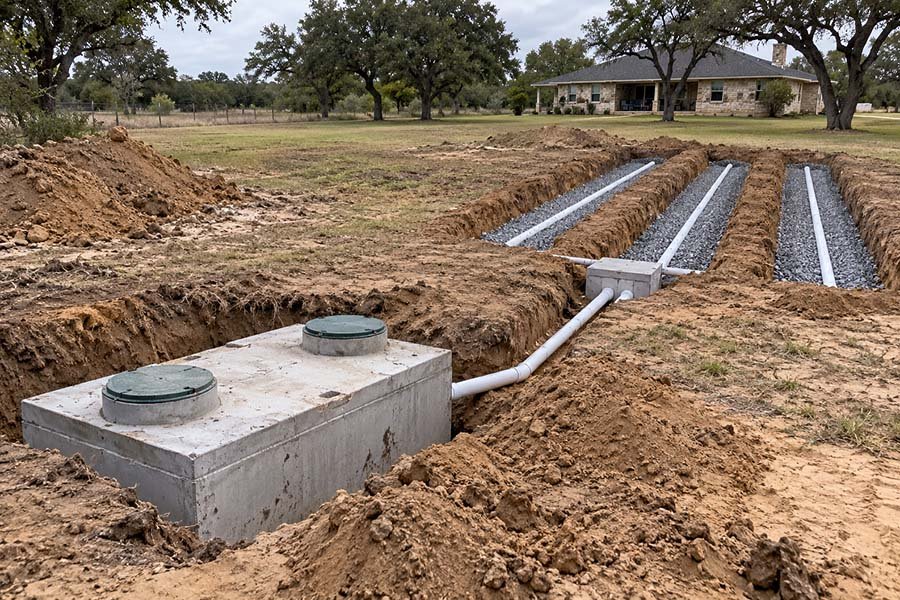
A conventional septic system is one of the simpler OSSF configurations.
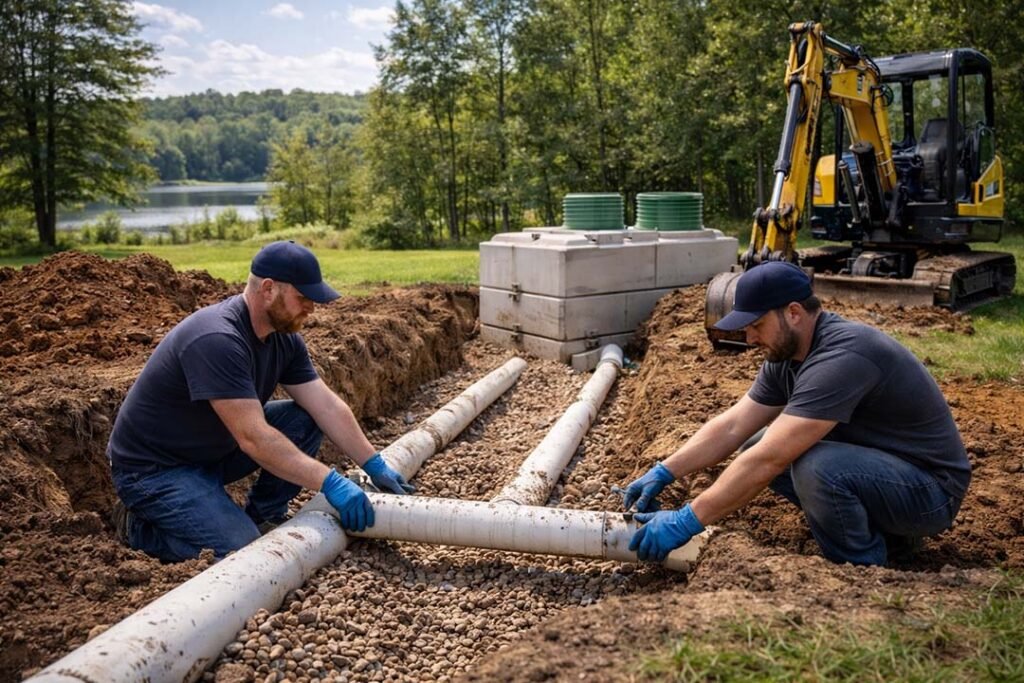
Wastewater from the home enters a septic tank, where heavier solids settle and lighter materials form a scum layer. Liquid effluent then leaves the tank and moves into an approved soil absorption area.
A conventional gravity system has fewer mechanical components than many alternative systems. That can make operation relatively straightforward when the property is suitable for this type of design.
However, conventional systems are not appropriate for every Texas property.
TCEQ’s system-selection guidance considers soil texture, fractured rock, groundwater, restrictive horizons, and other site conditions when determining whether an absorptive drainfield is suitable.
This is especially relevant in Central Texas, where properties can have challenging soil and rock conditions.
Aerobic Septic Systems
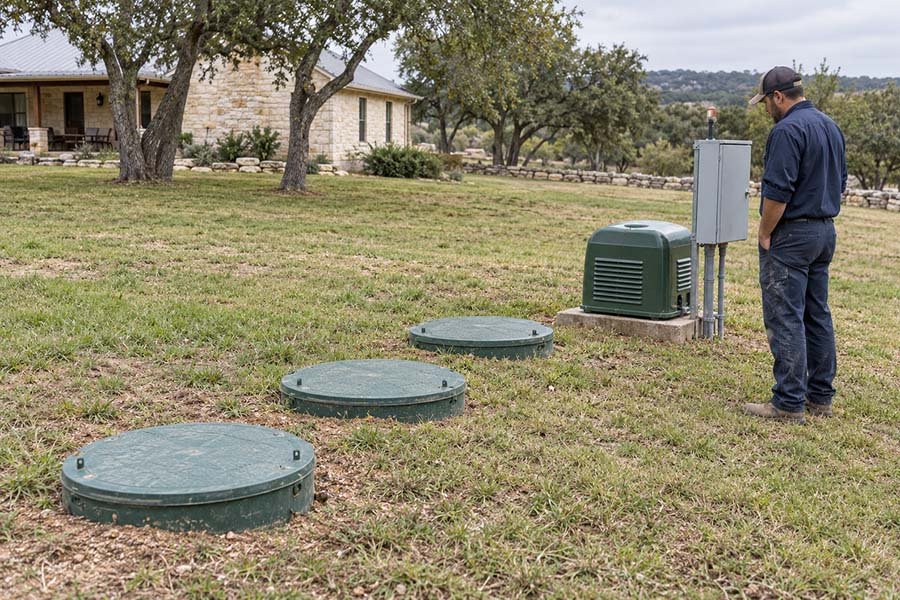
An aerobic treatment system uses mechanical aeration to introduce oxygen into the wastewater treatment process.
This creates different treatment conditions from those inside a conventional septic tank. Aerobic treatment systems also contain mechanical and electrical components that require ongoing operation and maintenance.
The treatment unit is only part of the complete OSSF.
After treatment, effluent still needs an approved disposal method. Depending on the permitted design, that may involve surface application, drip distribution, or another suitable method.
Aerobic systems can therefore be useful on properties where the site evaluation and approved design call for secondary treatment, but they should not be described as universally better than conventional systems.
They also come with different ownership considerations, including electricity and maintenance of mechanical components.
If you are researching this system specifically, see our guide explaining what an aerobic septic system is and our separate resource on aerobic septic systems in Texas.
Low-Pressure Dosing Systems
Low-pressure dosing uses a pump to distribute effluent through a pressurized network rather than relying entirely on gravity.
The goal is to distribute effluent more evenly throughout the disposal area.
TCEQ identifies low-pressure dosing as one of the disposal methods that can be used in an OSSF when appropriate for the site and treatment configuration.
Because the system uses pressure, its design includes components that are not present in a basic gravity drainfield.
The layout, dosing requirements, disposal area, treatment method, and site conditions all need to work together.
A low-pressure dosing system should therefore be considered as part of an engineered or approved septic design rather than as an upgrade homeowners simply add to an existing drainfield.
Drip Irrigation Septic Systems
Drip irrigation is another method of distributing treated wastewater.
Instead of sending effluent into a traditional gravity drainfield, a drip system uses small-diameter pressurized tubing to distribute effluent through the disposal area.
TCEQ describes drip irrigation as a disposal process using small-diameter pressurized lines equipped with pressure-reducing emitters. Texas also places specific design and installer requirements on these systems.
Because the distribution tubing is part of a pressurized system, pumps, filtration, controls, and other components can be involved.
Drip systems are sometimes discussed as though they are a completely separate type of wastewater treatment. More accurately, drip irrigation describes the disposal portion of an OSSF and must be paired with an appropriate treatment process.
That distinction is particularly important when comparing drip and aerobic systems. They are not necessarily alternatives to one another because an approved system can incorporate treatment along with drip disposal.
Pumped Effluent Drainfields
A pumped effluent drainfield uses a pump to move effluent into the disposal area.
This differs from a basic gravity configuration where wastewater flows from the septic tank into the drainfield without the same type of pressure or pumping arrangement.
TCEQ recognizes pumped effluent drainfields as an OSSF disposal method.
A pump can help control how effluent is delivered to the disposal area, but the system still needs to be designed around the property’s site conditions.
Mechanical components also introduce maintenance considerations that a simple gravity system may not have.
The presence of a pump does not automatically make the system aerobic. Pumping and aerobic treatment describe different functions within an OSSF.
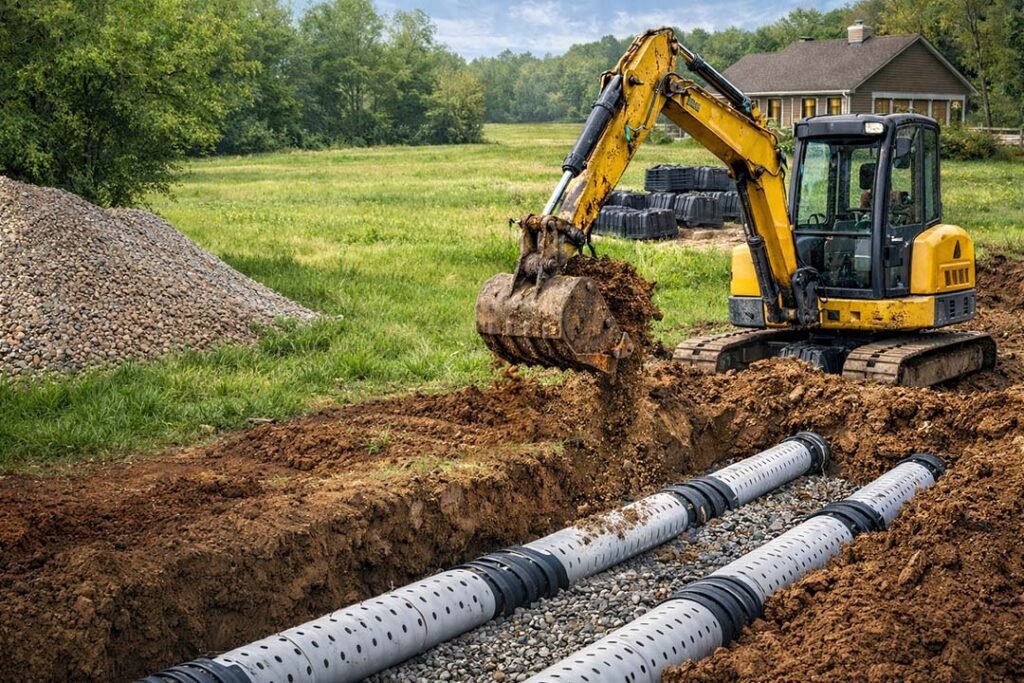
Leaching Chamber Systems
Leaching chambers provide another way to distribute septic tank effluent into suitable soil.
Rather than using a traditional gravel-filled trench, chamber products create open space within the disposal area where effluent can move into the surrounding soil.
TCEQ includes leaching chambers among standard OSSF systems that Installer I license holders may install, and the agency maintains approved disposal products for septic applications.
Chamber systems still depend on appropriate site conditions.
Using chambers does not eliminate the need for a site evaluation, appropriate sizing, permitting, or proper installation.
Gravel-Less Pipe Systems
Gravel-less pipe is another alternative to a traditional gravel-based disposal trench.
These systems use approved products designed to distribute effluent without the conventional gravel arrangement.
Like leaching chambers, gravel-less pipe describes the disposal component rather than a completely different wastewater treatment process.
TCEQ recognizes gravel-less pipe within its OSSF framework and maintains information on approved disposal products.
Whether it is suitable depends on the site evaluation and approved system design.
Evapotranspiration Systems
Evapotranspiration systems dispose of wastewater primarily through evaporation and plant transpiration rather than relying only on downward movement through the soil.
Texas recognizes both lined and unlined evapotranspiration configurations within its OSSF framework.
A lined evapotranspiration system is designed differently from an unlined system because the liner changes how wastewater can move beneath the disposal area.
Climate, site conditions, design, and wastewater loading are therefore important considerations.
An evapotranspiration system should not be assumed to be appropriate simply because a property has difficult soil. The site evaluation and design still determine whether the method can be used.
Mound Septic Systems
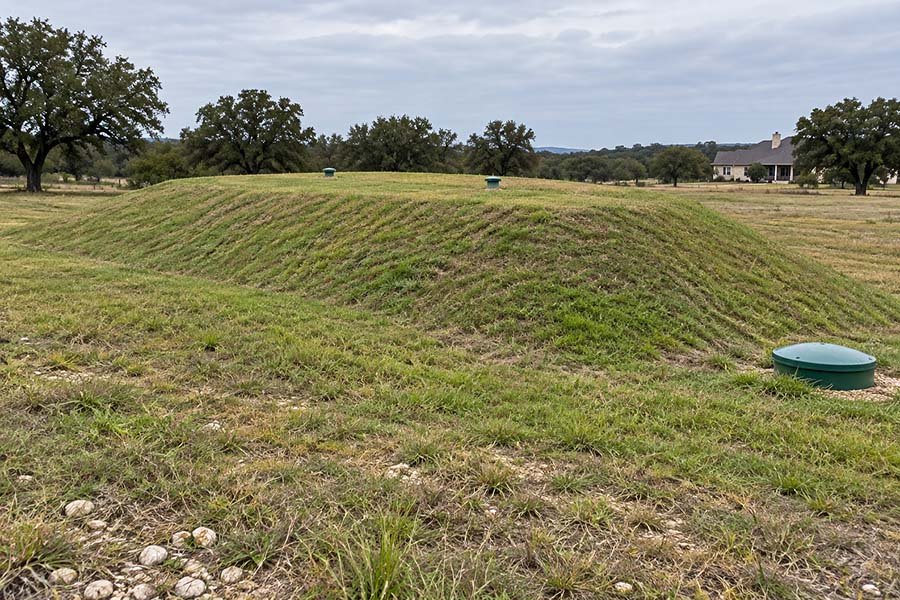
A mound system places part of the disposal area in an engineered mound above the existing ground surface.
This can provide an alternative disposal configuration when native site conditions limit other methods.
TCEQ includes mounds among the disposal processes considered within Texas OSSF design and suitability guidance.
Mound systems typically involve pressurized distribution rather than functioning like a basic gravity trench.
Their construction requires careful design because the mound itself becomes part of the wastewater disposal system.
Homeowners should not view a mound as simply adding soil over a conventional drainfield. Its dimensions, materials, distribution components, treatment requirements, and relationship to the existing soil are part of the approved design.
Surface Application Systems
Surface application distributes appropriately treated effluent over a designated disposal area.
This method is commonly associated with aerobic treatment systems, but it is important to distinguish the treatment unit from the surface application component.
The aerobic unit treats the wastewater.
The surface application system handles disposal of the treated effluent.
Texas requirements for surface application include treatment and disinfection considerations because effluent is being applied above the ground rather than discharged into a traditional subsurface drainfield.
This type of system also contains mechanical components and requires appropriate operation and maintenance.
Homeowners should therefore consider the entire system rather than referring to the sprinkler portion alone as the aerobic system.
Soil Substitution Systems
Soil substitution is another disposal approach recognized within Texas OSSF guidance.
This method involves creating an appropriate disposal environment where existing site conditions require a different approach.
The substituted material becomes part of the designed disposal area, so installation needs to follow the approved specifications rather than simply replacing poor soil with better soil.
TCEQ includes soil substitution among the disposal processes considered for OSSFs.
As with other alternative methods, suitability depends on the property and site evaluation.
Conventional vs Aerobic and Alternative Septic Systems
The different systems become easier to understand when we separate treatment from disposal.
| System or Method | Primary Role | Mechanical Equipment | Main Consideration |
|---|---|---|---|
| Conventional septic tank and drainfield | Treatment and soil disposal | Usually limited | Requires suitable site conditions |
| Aerobic treatment | Wastewater treatment | Yes | Electricity and ongoing maintenance |
| Low-pressure dosing | Effluent disposal | Pump required | Pressurized distribution |
| Drip irrigation | Effluent disposal | Pump and controls | Subsurface pressurized distribution |
| Pumped effluent drainfield | Effluent disposal | Pump required | Controlled delivery to disposal area |
| Leaching chambers | Effluent disposal | Usually limited | Soil and site suitability |
| Gravel-less pipe | Effluent disposal | Varies | Approved design and product |
| Evapotranspiration | Effluent disposal | Varies | Climate and site conditions |
| Mound | Effluent disposal | Typically includes pumping | Engineered above-grade disposal area |
| Surface application | Effluent disposal | Yes | Treatment and disinfection requirements |
The table should not be used to select a system without a site evaluation.
It is intended to show why some commonly used septic terms describe treatment while others describe disposal.
Which Septic System Is Right for a Texas Property?
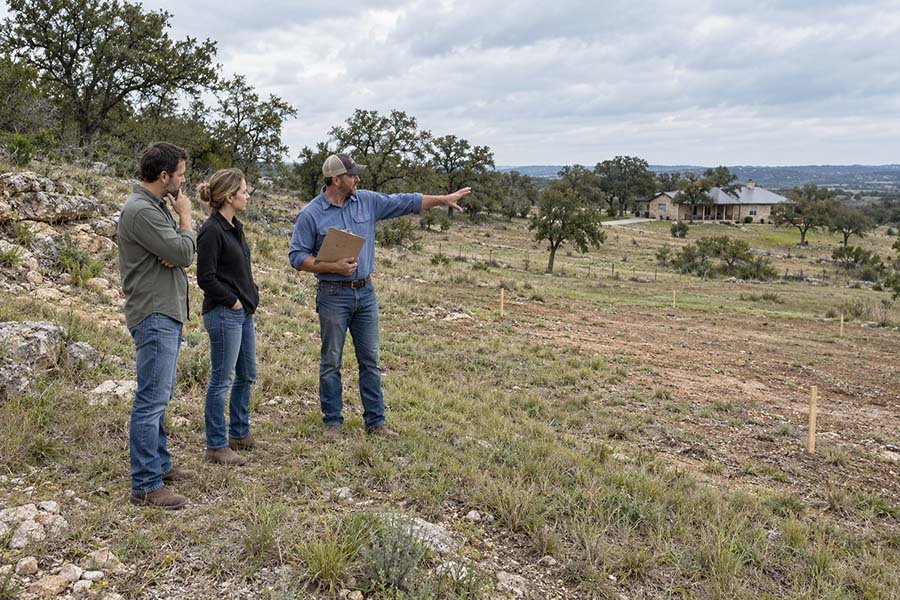
There is no single septic system that is best for every Texas property.
TCEQ requires a preconstruction site evaluation to determine which systems are suitable. The evaluation considers the property and proposed disposal area rather than choosing a system from a generic list.
Important conditions can include soil characteristics, fractured rock, groundwater, restrictive horizons, slope, available area, and other property features.
This is especially important in Central Texas.
Properties that appear similar from the surface can have very different subsurface conditions. One site may support a conventional absorptive drainfield while another requires a different treatment or disposal approach.
Cost should therefore not be the only factor when comparing septic system types.
TCEQ recommends considering both initial installation cost and ongoing ownership expenses, including maintenance requirements, repairs, and eventual replacement of mechanical components.
The appropriate system is the one that can be properly designed, permitted, installed, operated, and maintained for the specific property.
How Much Do Different Septic Systems Cost in Texas?
Installation cost varies considerably between septic system types.
A conventional gravity system on a suitable and accessible property can involve fewer mechanical components than an aerobic or pressurized system.
Aerobic treatment, pumps, controls, electrical work, drip distribution, difficult excavation, and specialized site requirements can increase project complexity.
However, system type is only one cost factor.
Property conditions, system capacity, excavation, permitting, design, accessibility, and the disposal method can all affect the final price.
Instead of duplicating large price tables here, we maintain separate cost resources for homeowners comparing budgets.
Read our guide to septic system cost in Texas for broader pricing information.
For installation-specific budgeting, see average septic system installation cost in Texas.
If the site is likely to use aerobic treatment, our aerobic septic system cost in Texas guide covers that system separately.
Texas Septic Permits and Site Evaluation
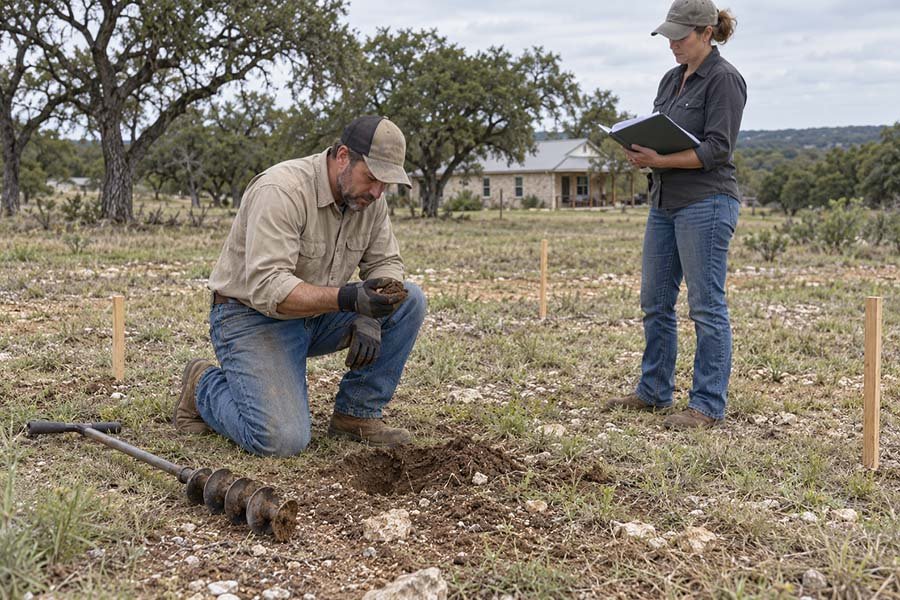
Most Texas OSSF projects require more than selecting a contractor and beginning excavation.
TCEQ states that a permit and approved plan are required to construct, alter, repair, extend, and operate an OSSF. The agency also notes limited exemptions, including qualifying situations under the state’s 10-acre rule, so homeowners should verify requirements with the applicable permitting authority rather than assuming an exemption applies.
The site evaluation comes before system selection.
A licensed site evaluator or professional engineer evaluates the proposed disposal area and other property conditions to determine which OSSF options are suitable.
Planning materials are then submitted to the appropriate permitting authority.
In many areas, a local authorized agent handles OSSF permitting rather than TCEQ directly. Local requirements may also be more stringent than state minimums.
For a deeper explanation, read our Texas septic system permit guide.
If you are preparing for a new installation within our service area, Dillon Septic also provides septic installation services in Texas.
Frequently Asked Questions
What are the main types of septic systems in Texas?
Texas OSSFs can use different combinations of treatment and disposal methods. Common configurations include conventional septic tanks with absorptive drainfields, aerobic treatment systems, low-pressure dosing, drip irrigation, pumped effluent drainfields, leaching chambers, gravel-less pipe, evapotranspiration systems, mounds, surface application, and soil substitution. The appropriate combination depends on the site evaluation and approved design.
What are the three types of septic systems?
There is no official Texas rule limiting septic systems to three types. Homeowners sometimes group them broadly into conventional, aerobic, and alternative systems, but TCEQ recognizes multiple treatment and disposal methods. A more accurate approach is to identify how wastewater is treated and how the resulting effluent is disposed of.
What is the difference between conventional and aerobic septic systems?
A conventional system generally uses a septic tank for primary treatment followed by an appropriate soil disposal area. An aerobic treatment unit introduces oxygen mechanically and provides additional treatment before effluent moves to the approved disposal method. Aerobic systems therefore have additional mechanical, electrical, and maintenance considerations.
What is the best septic system for a Texas property?
There is no universally best septic system. The appropriate system depends on site evaluation results, soil and subsurface conditions, wastewater requirements, available area, applicable regulations, cost, and maintenance considerations. TCEQ requires site evaluation before system selection for applicable OSSF work.
What septic system works with rocky soil in Texas?
Rocky conditions alone do not determine which system should be installed. TCEQ’s suitability guidance considers fractured rock along with soil conditions, groundwater, restrictive horizons, treatment method, and disposal method. A site evaluation is needed before determining the appropriate system.
Are aerobic septic systems required in Texas?
Not on every property. The appropriate treatment and disposal system depends on site conditions and the approved design. For a detailed explanation, read our guide on whether aerobic septic systems are required in Texas.
Do septic systems in Texas require permits?
TCEQ states that a permit and approved plan are generally required to construct, alter, repair, extend, or operate an OSSF, although limited exemptions exist. Local permitting authorities may also impose requirements more stringent than state minimums.
Final Thoughts
Understanding the types of septic systems in Texas starts with recognizing that treatment and disposal are two separate parts of an OSSF.
A conventional system may combine a septic tank with an absorptive drainfield. Another property may use aerobic treatment with surface application. Other approved designs can incorporate drip irrigation, low-pressure dosing, pumped effluent distribution, chambers, evapotranspiration, mounds, or other methods.
The right configuration depends on the property rather than which system sounds best online.
Texas requires site evaluation as part of determining system suitability, and factors such as soil, fractured rock, groundwater, restrictive conditions, available area, and system design can influence which options are appropriate.