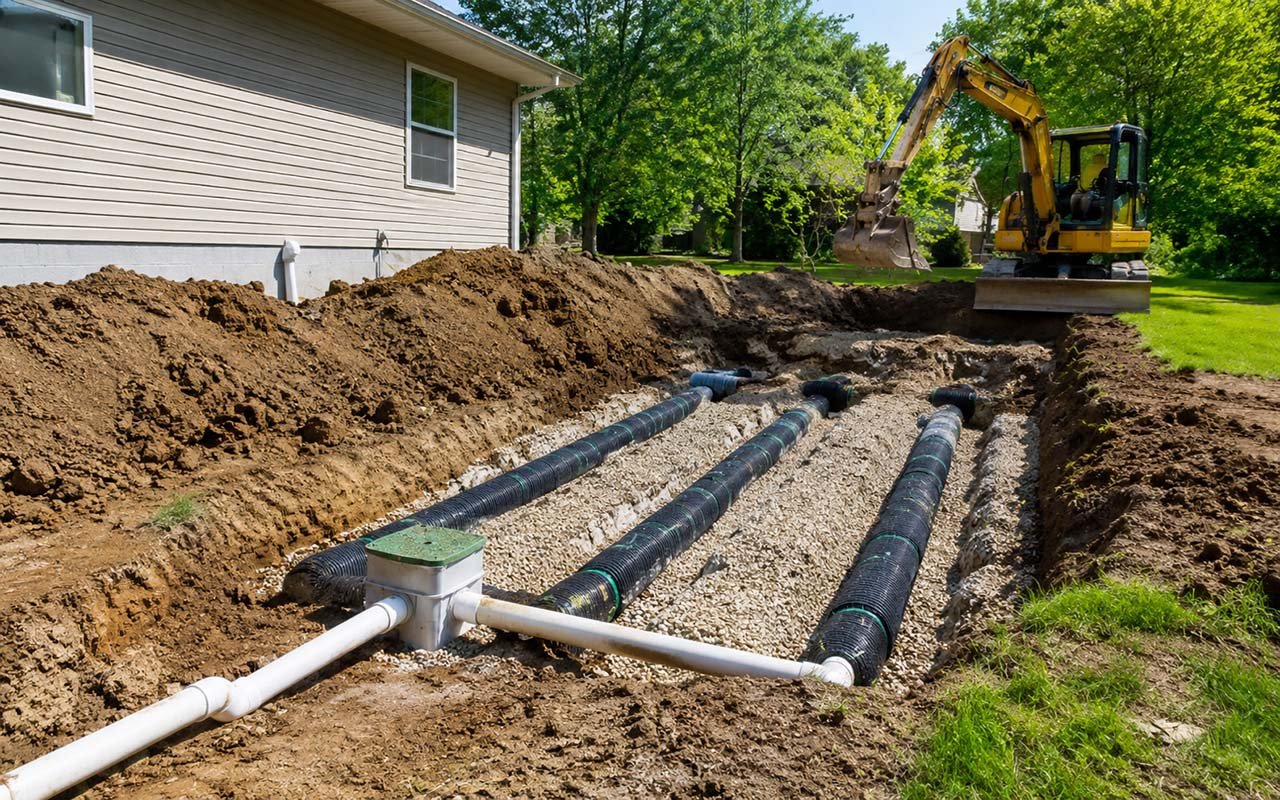
A failing drain field is one of the most expensive septic problems a homeowner can face. Understanding septic field replacement cost before problems become emergencies can help you budget wisely and make informed decisions. While every property is different, several factors influence the final price, including soil conditions, system size, local regulations, and excavation requirements.
At Dillon Septic, we have worked with homeowners throughout Texas who were surprised by how quickly a minor drain field issue became a complete replacement project. In many cases, early warning signs appeared months before failure. Recognizing those signs and acting quickly can reduce repair costs and protect your property from more extensive damage.
This guide explains what determines replacement costs, when replacement is necessary, and how to maximize the lifespan of your septic system.
What Is a Septic Drain Field
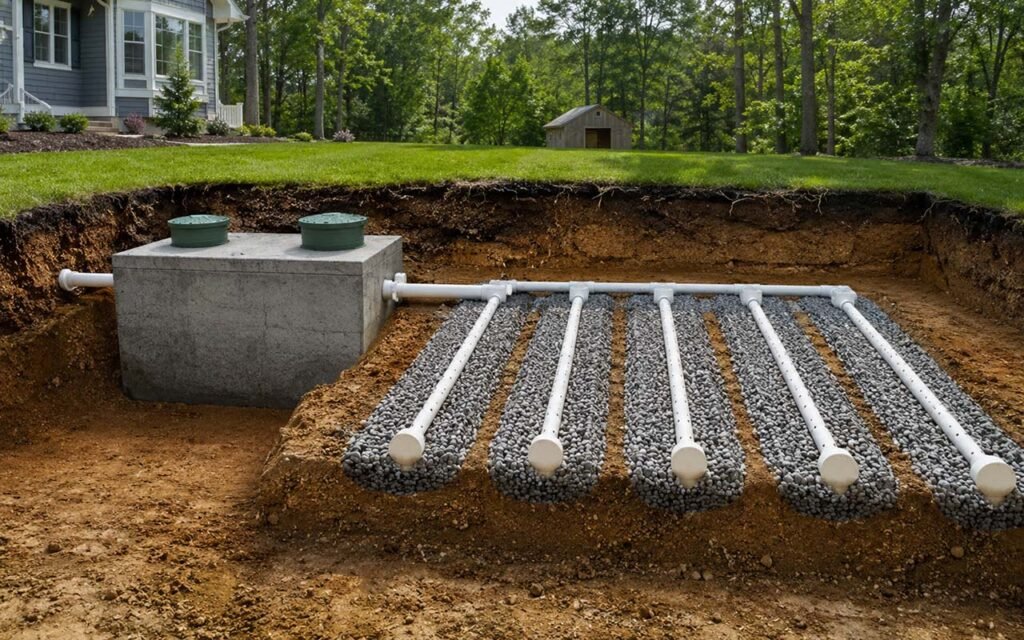
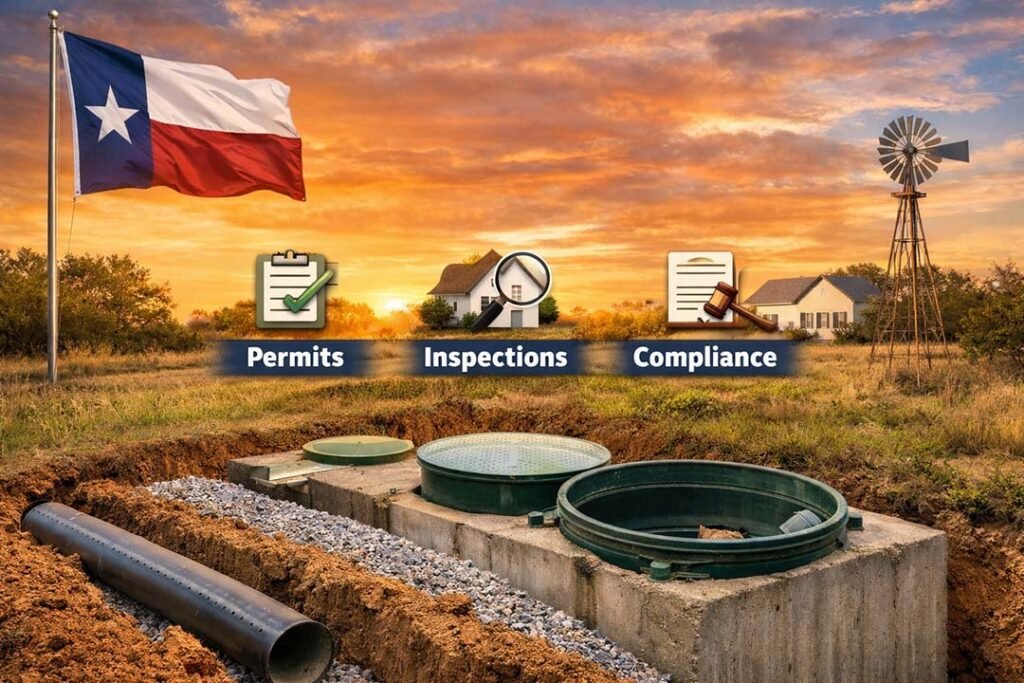
A septic drain field, also called a leach field or absorption field, is the final stage of a septic system. After wastewater leaves the septic tank, it flows into a network of perforated pipes buried in gravel-filled trenches. The surrounding soil naturally filters harmful bacteria and contaminants before the water returns to the environment.
A properly functioning drain field performs several important jobs.
- Distributes treated wastewater safely.
- Filters remaining contaminants through natural soil.
- Prevents sewage from surfacing.
- Protects nearby groundwater.
Without a healthy drain field, even a well-maintained septic tank cannot function correctly.
Average Septic Field Replacement Cost
Homeowners often ask for a single replacement price. In reality, costs vary depending on the property and installation conditions.
| Replacement Factor | Typical Range |
|---|---|
| Drain field replacement | $5,000 to $20,000 |
| Small residential system | $5,000 to $9,000 |
| Medium residential system | $9,000 to $15,000 |
| Large or complex system | $15,000 to $20,000 or more |
| Engineering or permitting | Varies by county |
| Soil testing | Additional project cost |
These estimates represent general industry averages. Your final investment depends on local regulations, soil evaluation, excavation needs, material selection, and labor requirements.
From our field experience, no two drain field replacements are exactly alike. A property with ideal soil and easy equipment access usually costs much less than a site requiring engineered solutions or extensive excavation.
What Affects Septic Field Replacement Cost
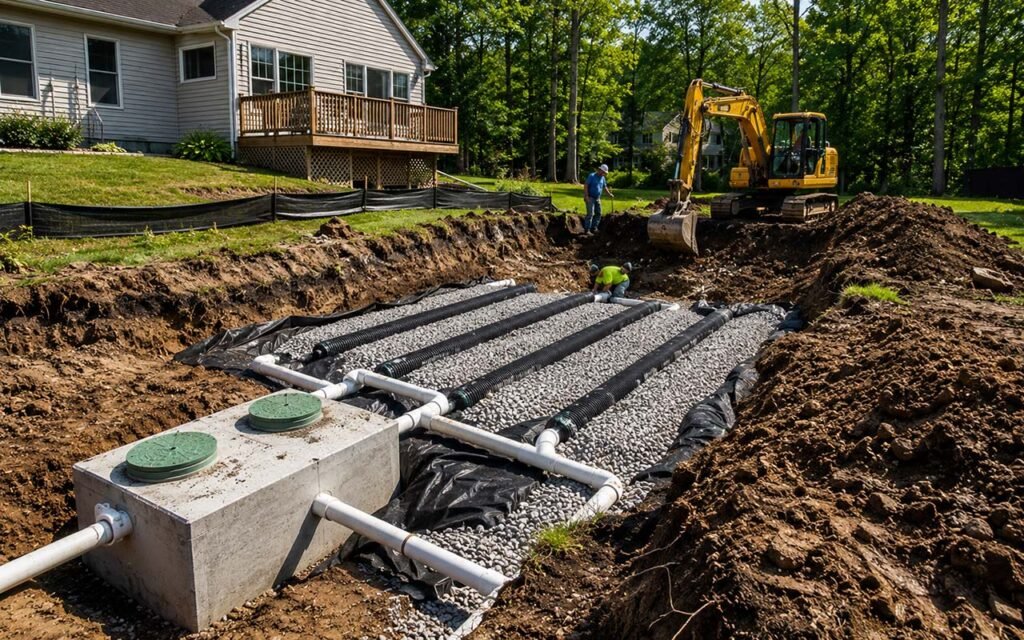
No two septic properties are exactly alike, which is why replacement costs can vary significantly from one home to another. The final price depends on several factors that influence the amount of labor, materials, equipment, and permitting required for the project. Understanding these variables helps homeowners set realistic expectations and make informed decisions before work begins.
Property Size
The size of your home has a direct impact on the design of the septic system. Larger homes with more bedrooms typically generate higher volumes of wastewater, requiring a larger drain field to handle daily usage safely. A larger absorption area means additional trenching, piping, gravel, and labor, all of which contribute to the overall replacement cost.
Soil Conditions
Soil quality is one of the most important factors when designing or replacing a drain field. Well-draining sandy soils generally support efficient wastewater absorption, while dense clay soils drain much more slowly. In areas with poor soil conditions, contractors may need to install a larger drain field or recommend an alternative septic system to meet local health requirements. Additional excavation, imported materials, and engineering can increase the total project cost.
Existing System Condition
The condition of the existing septic system also affects the scope of work. If the drain field has completely failed, damaged pipes, contaminated soil, or deteriorated distribution components may need to be removed before a new system can be installed. In some cases, repairs to the septic tank, distribution box, or connecting lines are also necessary, adding to the overall investment.
Property Accessibility
Easy access allows installation crews to complete the project more efficiently. However, properties with steep slopes, mature trees, retaining walls, fencing, limited equipment access, or extensive landscaping often require additional labor and specialized machinery. These challenges can increase both installation time and replacement costs.
Local Regulations and Permit Requirements
Septic system regulations vary by county and local health authority. Before replacing a drain field, homeowners may need permits, site evaluations, soil testing, or inspections to ensure the new system complies with current codes. Some locations also require engineered system designs based on environmental conditions. While these requirements help protect public health and groundwater quality, they can also increase the overall cost of the project.
At Dillon Septic, we evaluate each property individually before providing a recommendation. By considering site conditions, local regulations, and your household’s wastewater needs, we can design a drain field solution that delivers reliable long-term performance while helping you avoid unnecessary expenses.
Signs Your Drain Field May Need Replacement
Many septic systems provide warning signs long before complete failure occurs. Identifying these symptoms early may prevent additional property damage.
Watch for these common indicators.
- Slow draining sinks and bathtubs.
- Frequent plumbing backups.
- Sewage odors around the yard.
- Standing water near the drain field.
- Bright green grass over one section of the yard.
- Gurgling sounds from household plumbing.
- Septic tank requiring unusually frequent pumping.
These symptoms do not always mean replacement is necessary. In some situations, professional inspection may identify repair options before the drain field reaches the end of its service life.
Can a Drain Field Be Repaired Instead of Replaced
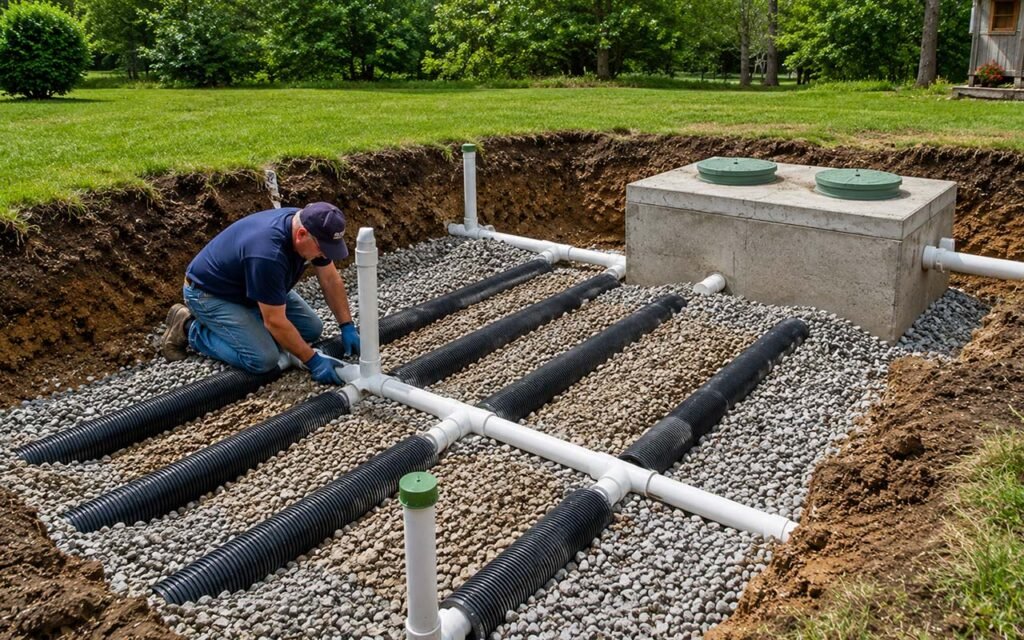
One of the first questions homeowners ask is whether replacement is truly necessary.
The answer depends on the cause of the problem.
Minor issues such as damaged distribution lines, clogged pipes, or isolated drainage problems may be repairable. However, when the surrounding soil becomes saturated, compacted, or permanently contaminated, replacement is often the safest long-term solution.
At Dillon Septic, we always recommend a complete inspection before suggesting replacement. An accurate diagnosis helps homeowners avoid unnecessary expenses while ensuring the system remains safe and compliant.
How Long Does a Septic Drain Field Last
A well-designed drain field can last anywhere from 20 to 40 years. Some systems continue performing beyond that range when they receive proper maintenance and are installed in suitable soil conditions. On the other hand, poor maintenance habits, excessive water usage, or unsuitable soil can shorten the lifespan significantly.
Several factors influence how long a drain field remains effective.
- Household water usage
- Septic tank pumping schedule
- Soil quality
- Tree root intrusion
- Vehicle traffic over the drain field
- Proper system design and installation
In our experience, homeowners who schedule regular septic inspections and pumping often extend the life of their systems by several years compared to those who wait until problems develop.
Septic Field Repair vs Replacement
Not every drain field problem requires a complete replacement. Some issues can be corrected with targeted repairs if they are identified early. Understanding the difference helps homeowners make informed financial decisions.
| Condition | Repair May Be Enough | Replacement Is Recommended |
|---|---|---|
| Broken distribution pipe | Yes | No |
| Minor blockage | Yes | No |
| Damaged distribution box | Yes | No |
| Saturated drain field | No | Yes |
| Contaminated soil | No | Yes |
| Repeated sewage backups | Sometimes | Often |
| System beyond expected lifespan | Sometimes | Usually |
A professional inspection is the best way to determine which option provides the greatest long-term value. Replacing an entire drain field when a simple repair would solve the problem wastes money. Likewise, repeatedly repairing a failing system often costs more than replacing it once.
Ways to Reduce Septic Field Replacement Cost
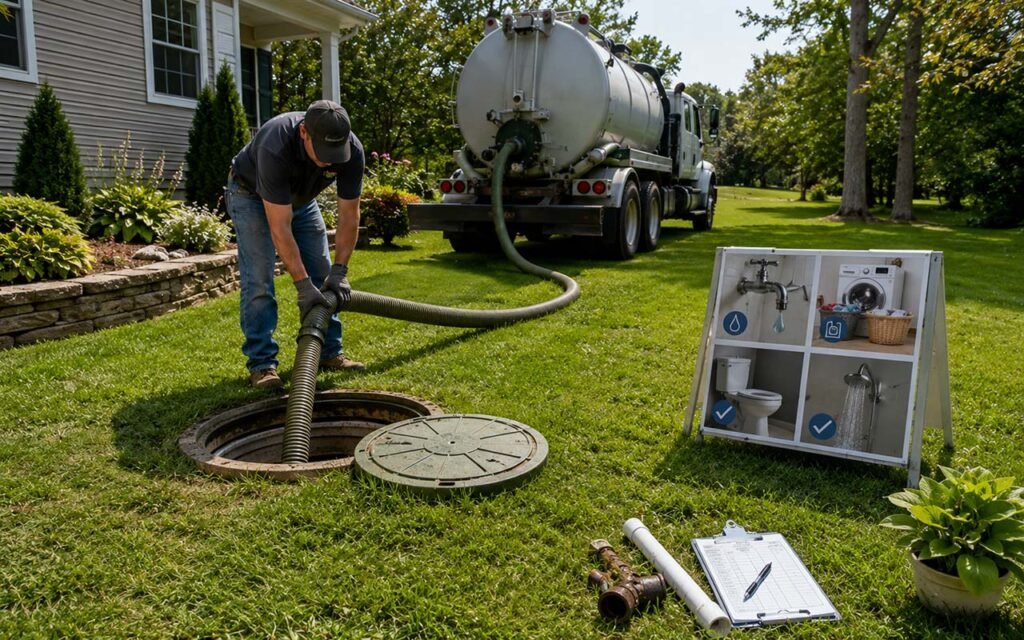
Replacing a drain field is a significant investment, but there are several ways homeowners can reduce expenses and extend the life of their septic system. Consistent maintenance, responsible water usage, and timely professional inspections can help prevent costly failures. Taking a proactive approach not only lowers long-term ownership costs but also keeps your septic system operating efficiently for many years.
Address Problems Early
Small septic issues rarely resolve themselves. Slow drains, occasional sewage odors, wet spots in the yard, or unusually lush grass over the drain field may indicate an underlying problem. Scheduling a professional inspection as soon as these warning signs appear can often prevent minor issues from developing into a complete drain field failure.
Early intervention may allow for repairs instead of a full replacement, potentially saving thousands of dollars.
Schedule Regular Septic Tank Pumping
Routine septic tank pumping is one of the most effective ways to protect your drain field. When a septic tank becomes too full, solid waste can flow into the drain field and clog the surrounding soil. Once the soil loses its ability to absorb wastewater, replacement may become the only practical solution.
Most residential septic tanks should be pumped every three to five years. However, the ideal schedule depends on household size, daily water usage, and the capacity of the septic tank. A professional inspection can help determine the right maintenance interval for your system.
Practice Smart Water Conservation
Reducing water usage helps prevent the drain field from becoming overloaded. Excessive wastewater entering the septic system over a short period can saturate the soil and reduce its treatment capacity.
Simple water-saving habits can make a noticeable difference, including:
- Repair leaking faucets and toilets promptly.
- Spread laundry loads throughout the week instead of washing multiple loads in one day.
- Install water-efficient fixtures and appliances.
- Avoid running several water-using appliances at the same time.
These practices reduce stress on both the septic tank and the drain field, helping extend the overall lifespan of the system.
Protect the Drain Field Area
Your drain field should remain free from unnecessary weight and disturbance. Parking vehicles, placing heavy equipment, building sheds, or installing patios over the drain field can compact the soil and damage underground distribution pipes.
It is also important to avoid planting large trees or shrubs near the drain field. Tree roots naturally seek moisture and can invade septic pipes, causing blockages and costly repairs.
Keeping the drain field clear and undisturbed allows wastewater to filter properly through the soil.
Work With an Experienced Septic Professional
The quality of the installation has a direct impact on the long-term performance of your septic system. An experienced septic contractor will evaluate soil conditions, design a system that meets local regulations, and use proven installation practices to maximize efficiency and durability.
At Dillon Septic, we carefully assess every property before recommending repairs or replacement. Our goal is to provide homeowners with practical, cost-effective solutions that deliver reliable performance for years to come. Investing in experienced workmanship today can help reduce future maintenance costs and minimize the risk of premature drain field failure.
Common Mistakes That Increase Replacement Costs
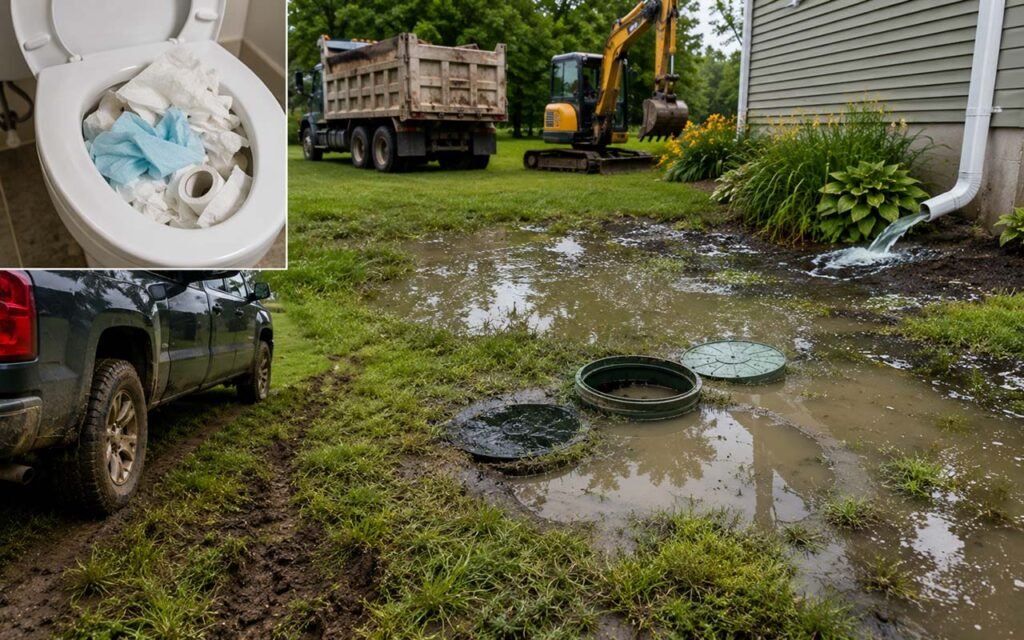
Over the years, we have seen several avoidable mistakes that lead to expensive drain field failures.
One common issue is delaying maintenance. Many homeowners postpone inspections until sewage backs up into the house, by which time replacement may be unavoidable.
Another mistake is flushing materials that do not break down properly. Wipes, grease, paper towels, hygiene products, and harsh chemicals can interfere with the septic process and contribute to premature system failure.
Directing roof gutters or landscape drainage toward the drain field is another problem. Excess surface water saturates the soil and reduces its ability to absorb wastewater efficiently.
We also frequently encounter damaged drain fields caused by vehicles driving across them. Even occasional traffic from trucks or construction equipment can crush pipes and compact the soil.
Texas Factors That Affect Drain Field Replacement
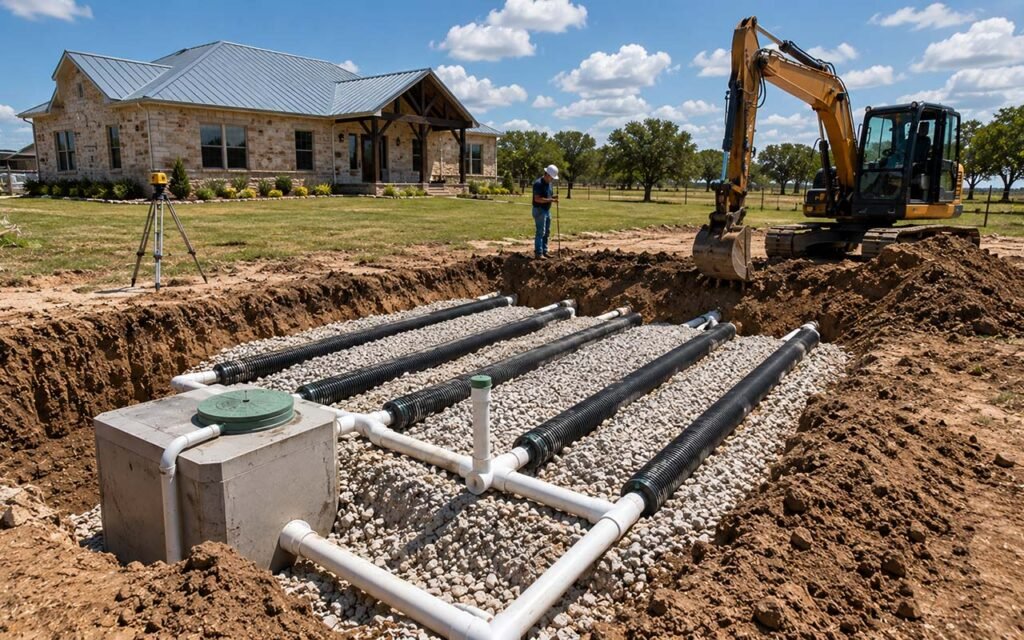
Texas presents unique challenges for septic system owners. Soil composition, rainfall patterns, and county regulations all influence system design and replacement costs.
Clay-rich soils found in many parts of Texas absorb water more slowly than sandy soils. As a result, larger drain fields or alternative treatment systems may be required to meet local health standards.
Some counties also require additional site evaluations, permitting, and inspections before approving a replacement project. These requirements help protect groundwater and ensure every system performs safely.
Because regulations vary by location, working with a contractor who understands local requirements can simplify the permitting process and reduce costly delays.
Expert Insight From Dillon Septic
One lesson we have learned after years of installing and servicing septic systems is that prevention is almost always less expensive than replacement.
Many drain fields fail because small warning signs are ignored. A homeowner may notice slow drains, occasional odors, or soggy patches in the yard but continue using the system until the soil becomes permanently saturated.
We encourage customers to schedule a professional evaluation as soon as these symptoms appear. Early intervention often provides more repair options and may extend the life of the existing drain field.
A thorough inspection also identifies contributing factors such as excessive water use, plumbing leaks, or poor drainage around the property. Addressing these issues helps protect both the septic system and the homeowner’s investment.
Frequently Asked Questions
How much does it cost to replace a septic drain field?
The average septic field replacement cost typically ranges from $5,000 to $20,000. The final cost depends on factors such as system size, soil conditions, excavation requirements, permits, accessibility, and local regulations.
Can I replace only part of my drain field?
In some situations, yes. If the damage is limited to a small section and the remaining field is functioning properly, a partial replacement may be possible. A professional septic inspection is the only way to determine whether this option is practical.
Does homeowners insurance cover drain field replacement?
Most standard homeowners insurance policies do not cover septic system failures caused by normal wear, lack of maintenance, or aging. Coverage may be available if the damage results from a covered event. Review your policy or speak with your insurance provider to understand your coverage.
How can I make my drain field last longer?
Proper maintenance is the best way to extend the life of your drain field. Schedule regular septic tank pumping, conserve water, avoid flushing harmful materials, and keep heavy vehicles off the drain field.
What happens if I ignore a failing drain field?
Ignoring the problem can lead to sewage backups, standing wastewater, unpleasant odors, environmental contamination, and more expensive repairs. Acting early often provides more options and helps prevent additional property damage.
Final Thoughts
Understanding the septic field replacement cost helps homeowners prepare for one of the most significant septic system investments. While replacement costs vary from property to property, the biggest factors are usually soil conditions, system size, accessibility, and local permitting requirements.
The good news is that many drain field failures can be delayed or even prevented through regular inspections, routine septic tank pumping, and responsible system use. Paying attention to early warning signs also gives you a better chance of addressing problems before they become major failures.
At Dillon Septic, we believe every homeowner deserves honest recommendations and dependable workmanship. Whether your system needs a professional inspection, routine maintenance, repairs, or a complete drain field replacement, our experienced team is ready to help you find the most practical and cost-effective solution for your property.