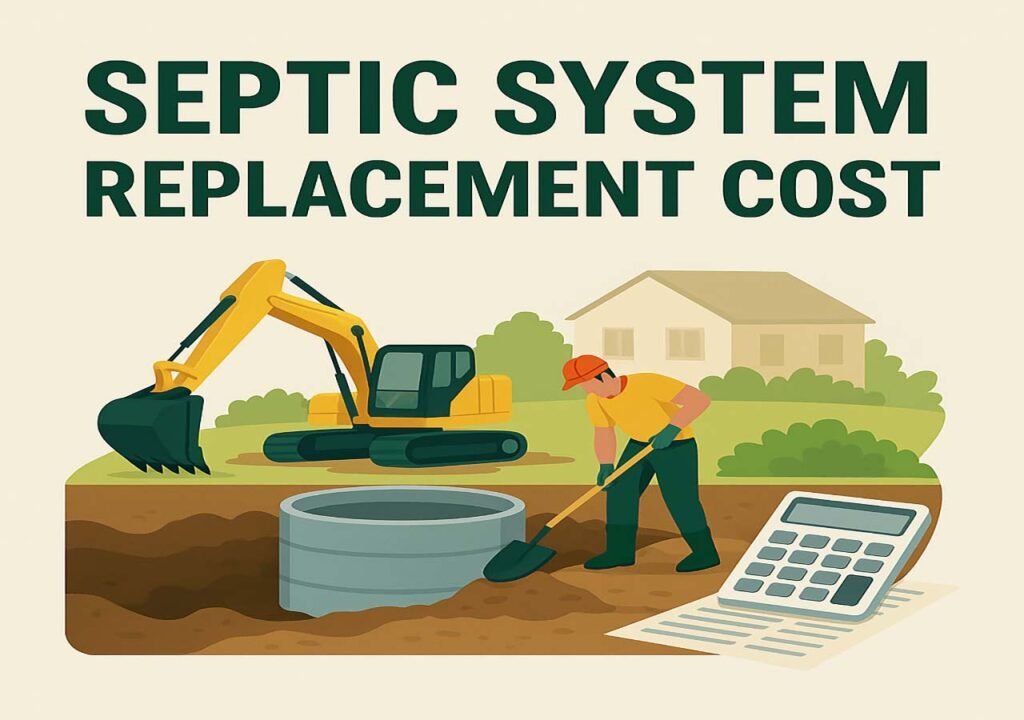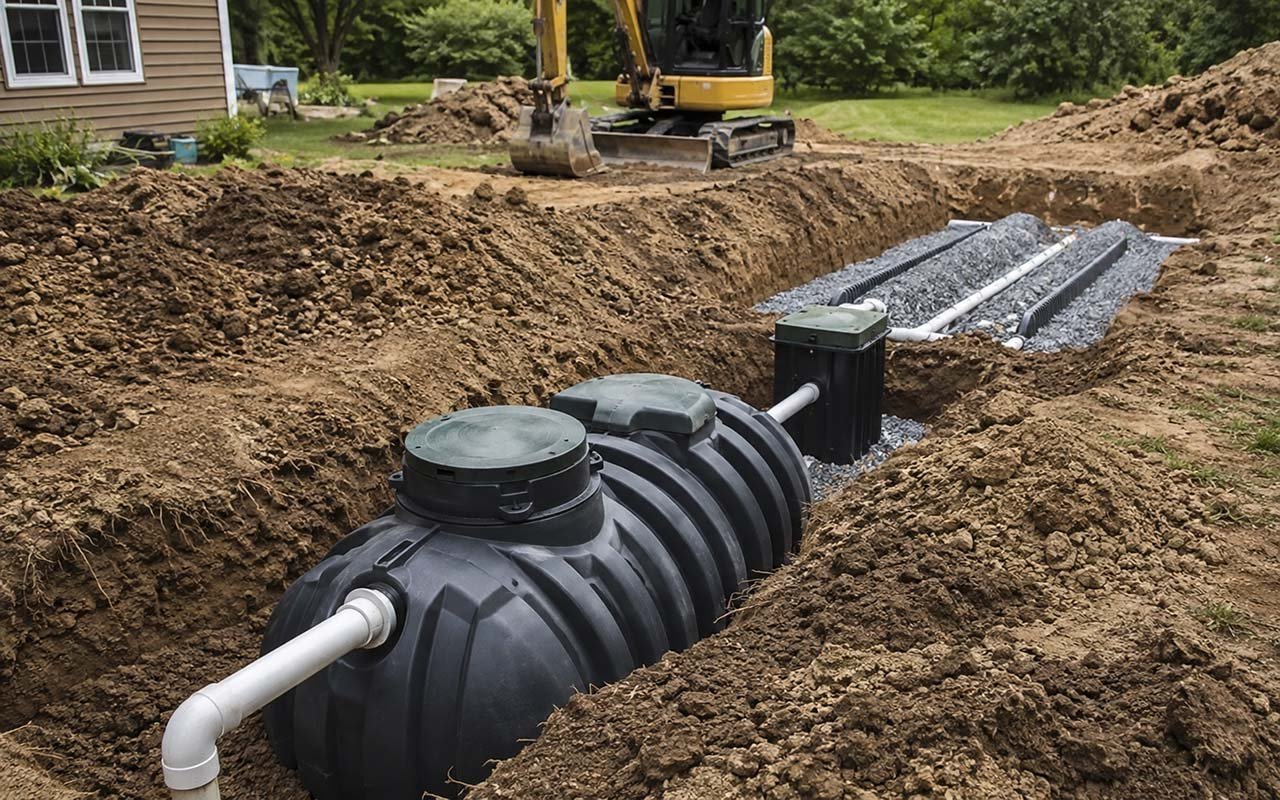
If you’re building a new home or replacing an older wastewater system, understanding the cost to install septic system components should be one of your first priorities. A septic system is a major investment that plays an important role in protecting your property, treating household wastewater safely, and supporting your home’s long-term value. When installed correctly, a quality septic system can provide reliable performance for decades.
From our experience, the cost of installing a septic system can vary widely because every property has different requirements. Factors such as soil conditions, local regulations, property size, septic tank capacity, and the type of system you choose all influence the final price. Knowing what affects these costs can help you plan your budget with confidence and avoid unexpected expenses during the project.
In this guide, we’ll explain the key factors that influence septic installation costs, what you can expect throughout the installation process, and practical ways to make informed decisions that protect your investment for years to come.
Why Septic System Installation Costs Vary
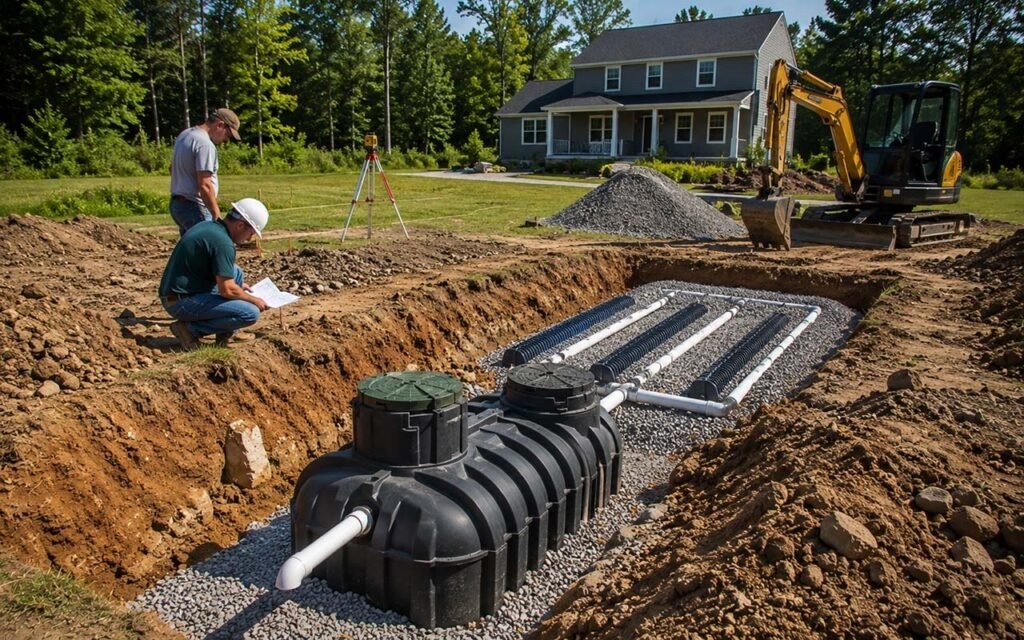
Every property is different, which is why the cost of installing a septic system can vary from one home to another. Before any work begins, experienced septic contractors carefully evaluate the site. They look at factors such as soil type, drainage, groundwater levels, property layout, and local regulations to determine the best system for the location.
Soil conditions often have the biggest impact on installation costs. Sandy soil usually drains well and is often easier to work with. Clay soil, on the other hand, drains more slowly and may require a larger drain field or a more advanced septic system. If the property has rocky ground, excavation can take longer and require specialized equipment, which increases labor costs.
The size of the home also plays an important role. In most areas, septic systems are designed based on the number of bedrooms rather than the total square footage. Homes with more bedrooms are expected to generate more wastewater, so they typically need a larger septic tank and drain field.
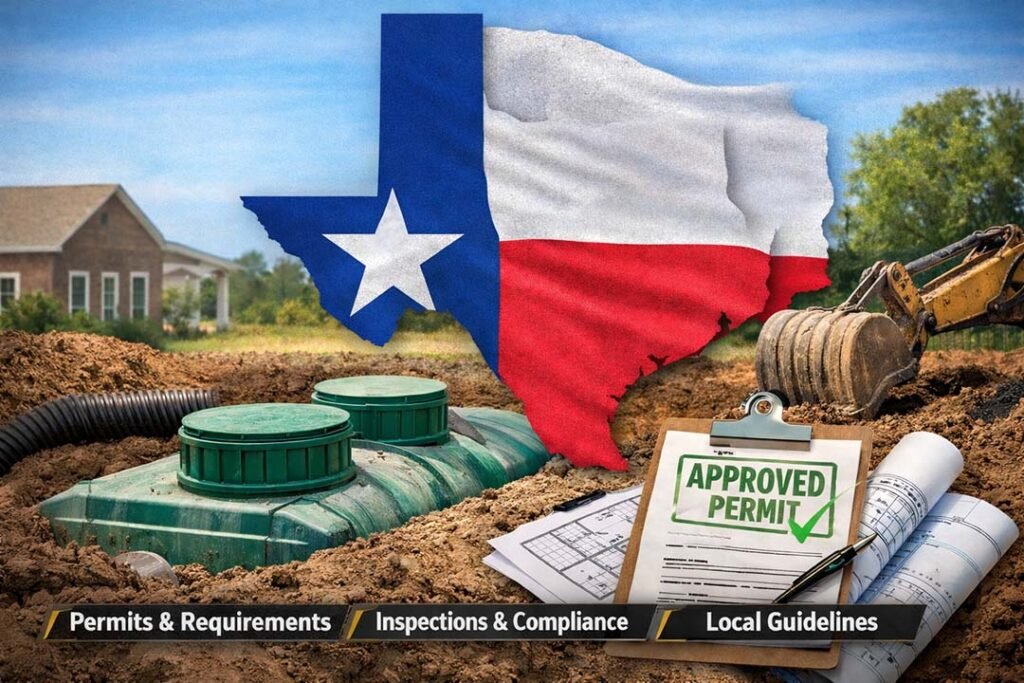
Local regulations can also affect the overall project cost. Many counties require soil testing, permits, engineered system designs, and inspections before installation can begin. While these steps add to the upfront investment, they help ensure the system meets local health standards and operates safely for many years.
From our experience, investing in proper planning at the beginning of the project is one of the smartest decisions a homeowner can make. A well-designed septic system is more reliable, lasts longer, and helps reduce the risk of costly repairs or unexpected problems in the future.
Average Cost to Install a Septic System
Although prices differ by location, homeowners across the United States generally spend between $6,000 and $20,000 for a complete residential septic installation. Standard gravity systems usually fall toward the lower end of the range, while aerobic treatment systems, engineered systems, or difficult installation sites can exceed $30,000.
The following table provides a general comparison.
| Septic System Type | Typical Installation Cost | Best For |
|---|---|---|
| Conventional Gravity System | $6,000 to $12,000 | Suitable soils with adequate drainage |
| Pressure Distribution System | $8,000 to $15,000 | Uneven terrain |
| Aerobic Treatment System | $12,000 to $25,000 | Challenging soil conditions |
| Mound System | $15,000 to $30,000 | Poor draining soils |
| Engineered System | $20,000 to $40,000+ | Difficult or environmentally sensitive sites |
These estimates typically include excavation, tank installation, drain field construction, and basic labor. Permit fees, landscaping restoration, electrical work, and specialized engineering may add to the total project cost.
Factors That Affect Installation Costs
The cost of installing a septic system is not the same for every property. Several factors influence the final price, and understanding them can help you set a realistic budget before the project begins. An experienced septic contractor will evaluate your property carefully to recommend the most suitable system for your needs.
Property Size
The size and layout of your property can have a significant impact on installation costs. Larger lots may require longer pipe runs, bigger drain fields, and more excavation work. Properties with steep slopes, dense vegetation, or limited access for heavy equipment may also require additional labor, increasing the overall cost of the project.
Soil Conditions
Soil quality is one of the most important factors in septic system design. Sandy soil typically drains well and is often easier to work with, while clay or rocky soil may require alternative system designs or additional site preparation. Before installation, a professional soil evaluation is usually performed to determine the safest and most effective solution for your property.
Septic Tank Size
The size of the septic tank is generally based on the number of bedrooms in the home rather than its total square footage. Larger households produce more wastewater, so they require tanks with greater capacity. While larger tanks cost more to install, they offer better performance and help reduce the risk of overloading the system as your household grows.
Local Regulations and Permits
Every county and state has its own septic system requirements. Permit fees, inspections, engineering plans, and environmental regulations can all affect the total installation cost. These requirements are designed to protect public health and groundwater, ensuring the system is installed safely and complies with local building codes.
Site Accessibility
Easy access to the installation area helps keep labor and equipment costs under control. If heavy machinery cannot reach the work site because of fences, trees, landscaping, or narrow access points, contractors may need specialized equipment or additional labor to complete the installation. This can increase both the time required and the overall project cost.
From our experience, careful planning before construction begins is one of the best ways to avoid unexpected expenses. A detailed site evaluation allows the system to be designed correctly from the start, helping homeowners save money while ensuring reliable performance for many years.
Conventional vs. Aerobic Septic Systems
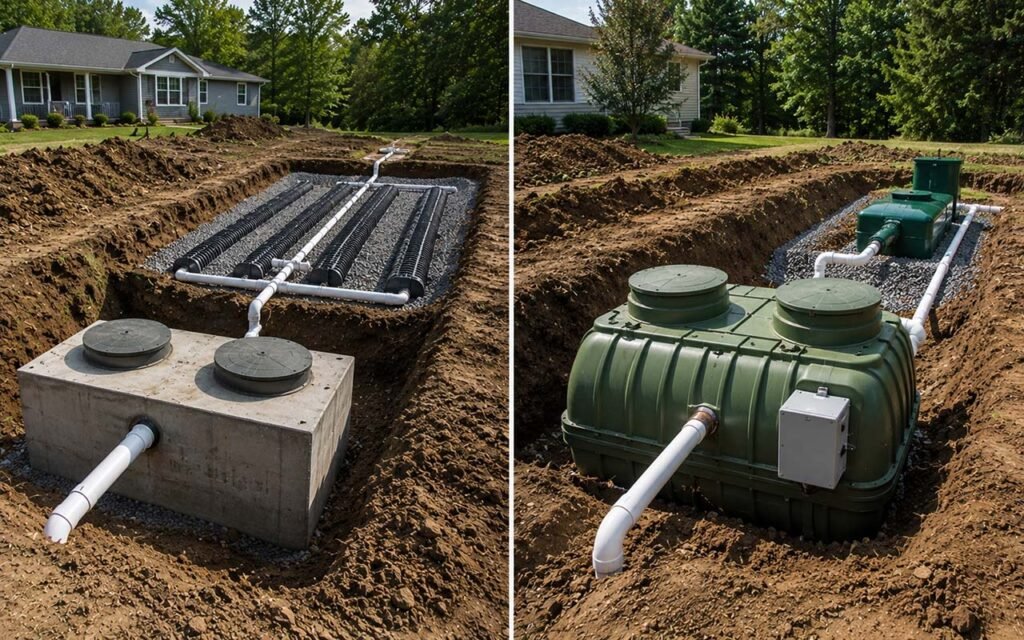
One of the most common questions homeowners ask is whether a conventional septic system or an aerobic treatment system is the better choice. The answer depends on your property’s soil conditions, local regulations, and the recommendations from a professional site evaluation.
A conventional septic system is the most common option for residential properties. It relies on gravity to move wastewater from the septic tank into the drain field, where the soil naturally filters and treats the water. Because these systems have fewer mechanical components, they are generally easier to maintain and often have lower long-term operating costs. They work best on properties with well-draining soil and enough space for a properly designed drain field.
An aerobic septic system uses oxygen to support beneficial bacteria that break down wastewater more efficiently. This advanced treatment process produces cleaner effluent before it enters the drain field. Aerobic systems are often recommended for properties with poor soil conditions, high groundwater levels, smaller lots, or areas with stricter environmental requirements.
While an aerobic system usually costs more to install and requires routine maintenance, it can be the most reliable solution for challenging sites. Conventional systems, on the other hand, are often the more cost-effective choice when the property is suitable for a gravity-fed design.
From our experience, the best septic system is not always the least expensive one. A professional site evaluation ensures the system is matched to your property’s unique conditions, helping it operate efficiently, comply with local regulations, and provide dependable performance for many years.
Septic System Installation Timeline
Many homeowners are surprised to learn that installing a septic system involves more than just excavation and placing a tank in the ground. While the physical installation is often completed within a few days, the entire project can take several weeks from start to finish. The timeline depends on factors such as permit approvals, site conditions, weather, and local inspection schedules.
A typical septic system installation follows these steps:
- Site evaluation and soil testing
- Septic system design
- Permit application and approval
- Excavation and site preparation
- Septic tank installation
- Drain field construction
- Final inspection
- Site grading and restoration
Once permits have been approved and work begins, the actual installation usually takes between three and seven days for a standard residential system. However, unexpected weather, difficult soil conditions, or inspection scheduling can extend the overall timeline.
From our experience, starting the planning process early is one of the best ways to keep your project on schedule. Completing soil testing, securing permits, and working with an experienced septic contractor before construction begins can help prevent unnecessary delays and keep your installation moving smoothly.
Long-Term Value of a Properly Installed Septic System
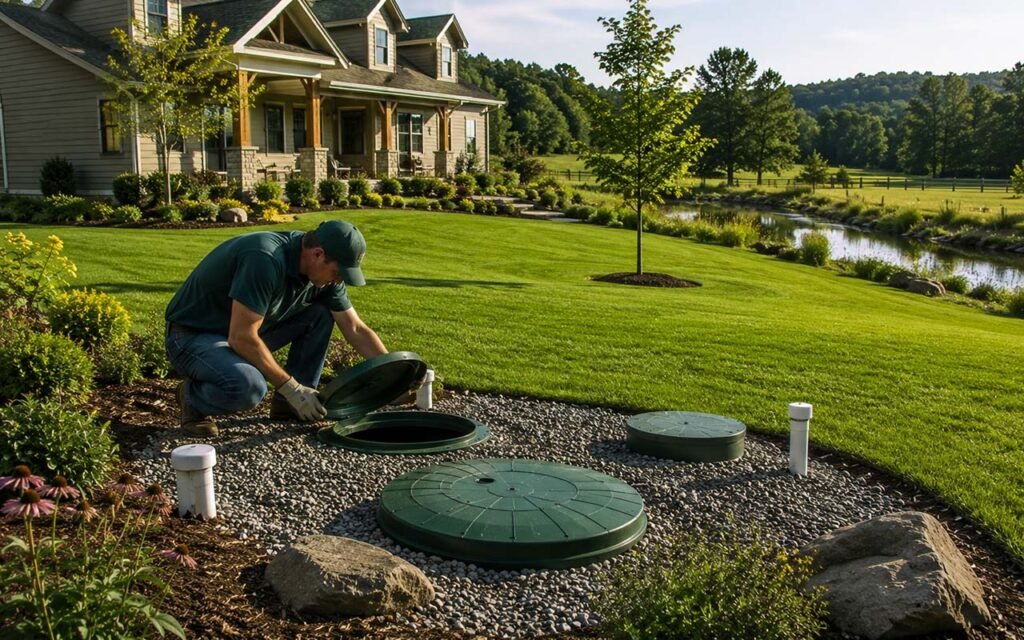
When planning a new septic system, many homeowners naturally focus on the upfront installation cost. While staying within budget is important, it’s equally important to consider the long-term value of a professionally installed system. A quality installation can save you thousands of dollars in repairs and maintenance over the life of the system.
A well-designed septic system can provide reliable service for 20 to 40 years when it receives regular care. Routine inspections, scheduled septic tank pumping, and prompt attention to minor issues help keep the system operating efficiently and reduce the risk of costly breakdowns. Preventive maintenance is almost always less expensive than dealing with major repairs or a complete system replacement.
Beyond protecting your investment, a properly functioning septic system also benefits the environment. It safely treats household wastewater before it returns to the soil, helping protect groundwater, nearby streams, and the surrounding landscape. An efficient system also supports the overall health and safety of your property.
From our experience, homeowners who invest in quality materials and professional installation tend to experience fewer operational problems over the years. Although choosing the lowest bid may seem like a way to save money, it can lead to higher maintenance costs if the system is not designed or installed correctly.
A septic system is more than a construction project. It is a long-term investment in your home’s infrastructure. Choosing the right system and working with experienced professionals helps ensure dependable performance, lower lifetime costs, and greater peace of mind for years to come.
Common Mistakes That Increase Installation Costs
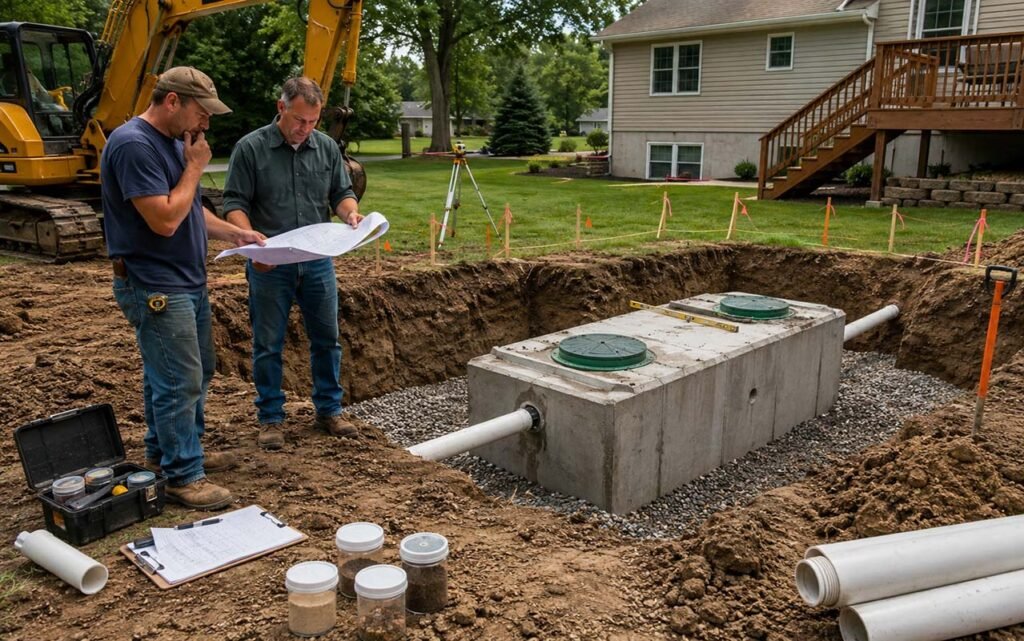
Installing a septic system is a significant investment, and a few simple mistakes during the planning stage can lead to unnecessary expenses. Many of these issues are avoidable with proper preparation and guidance from experienced septic professionals. Taking the time to plan the project carefully can save both time and money in the long run.
Some of the most common mistakes homeowners make include:
- Skipping professional soil testing before choosing a system
- Hiring unlicensed or inexperienced contractors
- Installing a septic tank that is too small for the household
- Overlooking local permit and inspection requirements
- Ignoring existing drainage or wastewater issues during installation
- Building structures or driveways over the future drain field
Each of these mistakes can create problems that are expensive to fix after the system has been installed. For example, an improperly sized septic tank may struggle to handle daily wastewater, while poor soil conditions can reduce the efficiency of the entire system. Correcting these issues often requires additional excavation, system modifications, or even a complete replacement.
From our experience, the most successful septic installations begin with careful planning and a thorough site evaluation. Working with knowledgeable septic professionals helps ensure the system is designed for your property’s specific conditions, complies with local regulations, and provides dependable performance for many years. Investing in the right approach from the beginning is almost always more affordable than paying for avoidable repairs later.
Expert Tips for Homeowners
Careful planning before installation can make a big difference in both the performance of your septic system and your long-term costs. While every property is unique, a few practical steps can help you avoid common problems and make the installation process much smoother.
Based on our experience, we recommend the following:
- Schedule a professional soil evaluation before making any decisions about the septic system.
- Compare detailed project estimates and look beyond the lowest price. Consider the contractor’s experience, workmanship, and the quality of materials being used.
- Confirm that your septic contractor is properly licensed, insured, and familiar with local health department requirements.
- Ask about future maintenance needs so you understand the long-term care required for your chosen system.
- Leave enough open space around the drain field to allow for future inspections, maintenance, and repairs.
- Include routine septic inspections in your long-term home maintenance budget.
- Have your septic tank pumped at the recommended intervals based on your household size and water usage to keep the system operating efficiently.
From our experience, homeowners who take the time to plan ahead usually enjoy fewer unexpected repairs and lower maintenance costs over the life of their septic system. Making informed decisions before installation begins is one of the best ways to protect your investment and ensure reliable performance for many years.
Why Professional Installation Matters
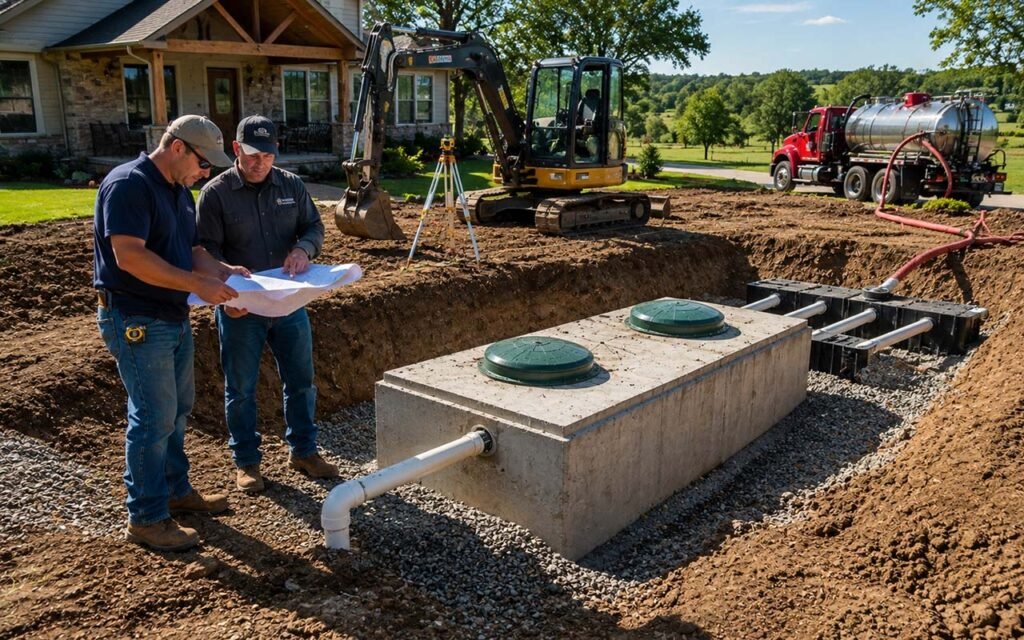
A septic system is one of the most important infrastructure investments on a property. Even the highest-quality materials cannot compensate for poor installation practices.
Professional installers understand local health codes, soil behavior, hydraulic calculations, excavation safety, and long-term system performance. Every component must work together correctly to provide reliable wastewater treatment.
At Dillon Septic, we understand that every property presents unique challenges. Our experienced team evaluates site conditions, recommends practical solutions, and performs installations that meet industry standards while helping homeowners protect their investment for the future.
Choosing experienced professionals provides confidence that the system is designed for durability, efficiency, and long-term reliability.
Frequently Asked Questions
How much does it cost to install a septic system for a new home?
The cost of installing a septic system depends on several factors, including the type of system, soil conditions, property size, and local permit requirements. A standard residential system generally costs less than an engineered or aerobic system. A professional site evaluation is the best way to receive an accurate estimate for your property.
What factors have the biggest impact on septic installation costs?
The final installation cost is influenced by soil type, septic tank size, drain field design, excavation requirements, site accessibility, and local regulations. Properties with challenging soil conditions or limited access often require additional work, which can increase the overall project cost.
How long does a newly installed septic system last?
A properly installed septic system can last between 20 and 40 years, depending on the quality of the installation, the type of system, and how well it is maintained. Regular inspections and routine septic tank pumping help extend the system’s lifespan and reduce the risk of costly repairs.
Is an aerobic septic system better than a conventional system?
Neither system is better for every property. Conventional septic systems work well where soil drains naturally and there is enough space for a drain field. Aerobic systems are often recommended for properties with poor soil conditions, smaller lots, or stricter environmental requirements. A professional site evaluation will determine which option is best for your home.
Can I reduce the cost of installing a septic system?
While some factors cannot be changed, careful planning can help control installation costs. Scheduling a professional soil test early, working with an experienced septic contractor, selecting the right system for your property, and obtaining permits before construction begins can help prevent unexpected expenses and costly delays.
Conclusion
Understanding the cost to install septic system components involves much more than comparing equipment prices. Soil conditions, system design, permits, labor, excavation, and long-term maintenance all contribute to the overall investment.
A properly installed septic system provides reliable wastewater treatment, protects your property, and can serve your home for decades with routine maintenance. Taking time to plan carefully, work with experienced professionals, and choose the right system for your property often delivers significant savings over the life of the system.
If you’re planning a new septic installation or replacing an existing system, consulting experienced septic professionals early in the process helps ensure the project is completed safely, efficiently, and in compliance with local regulations.