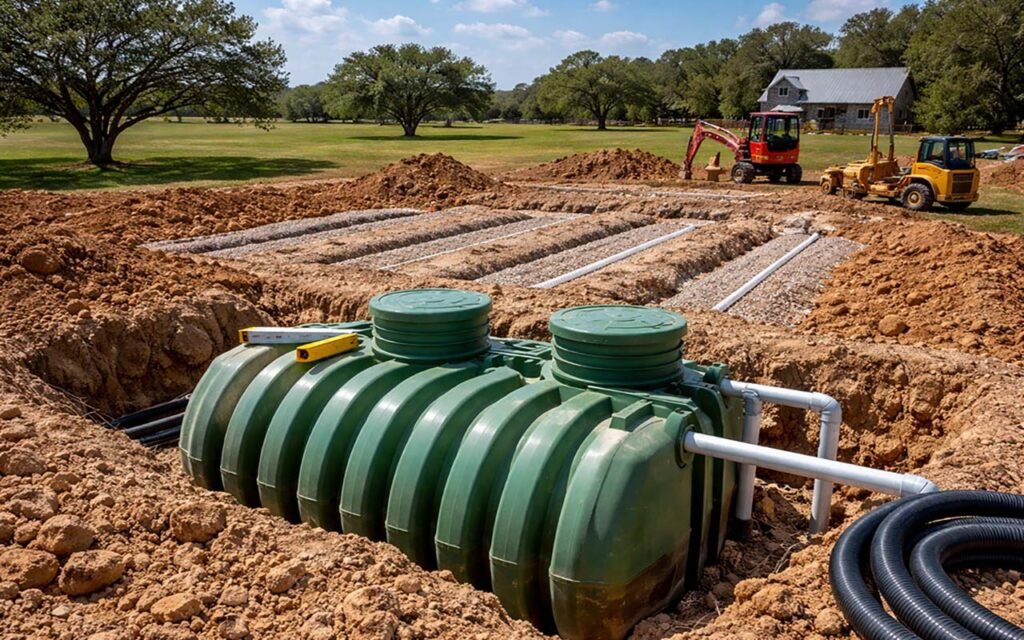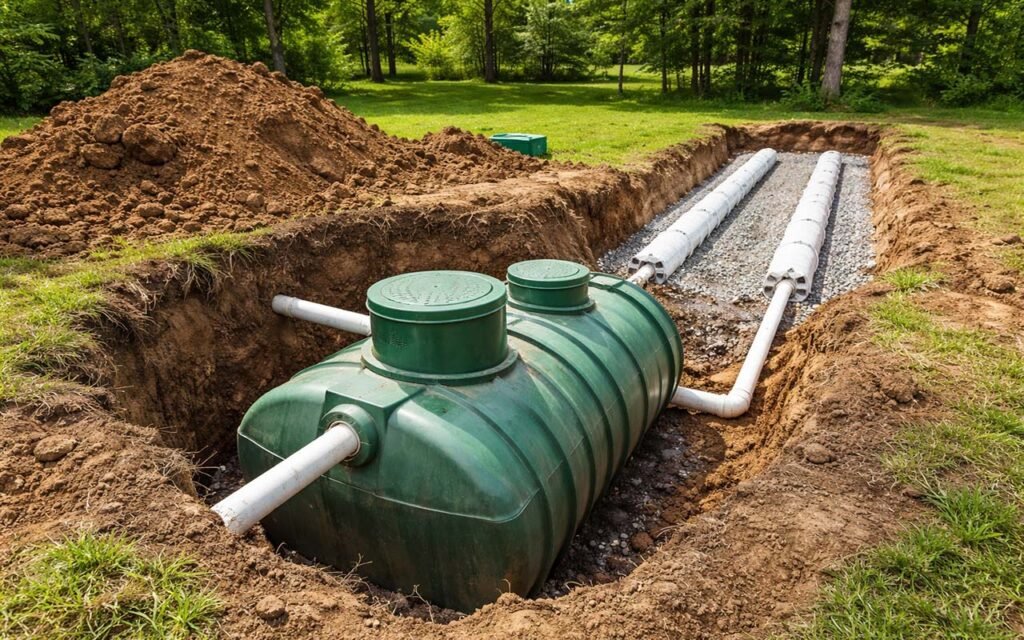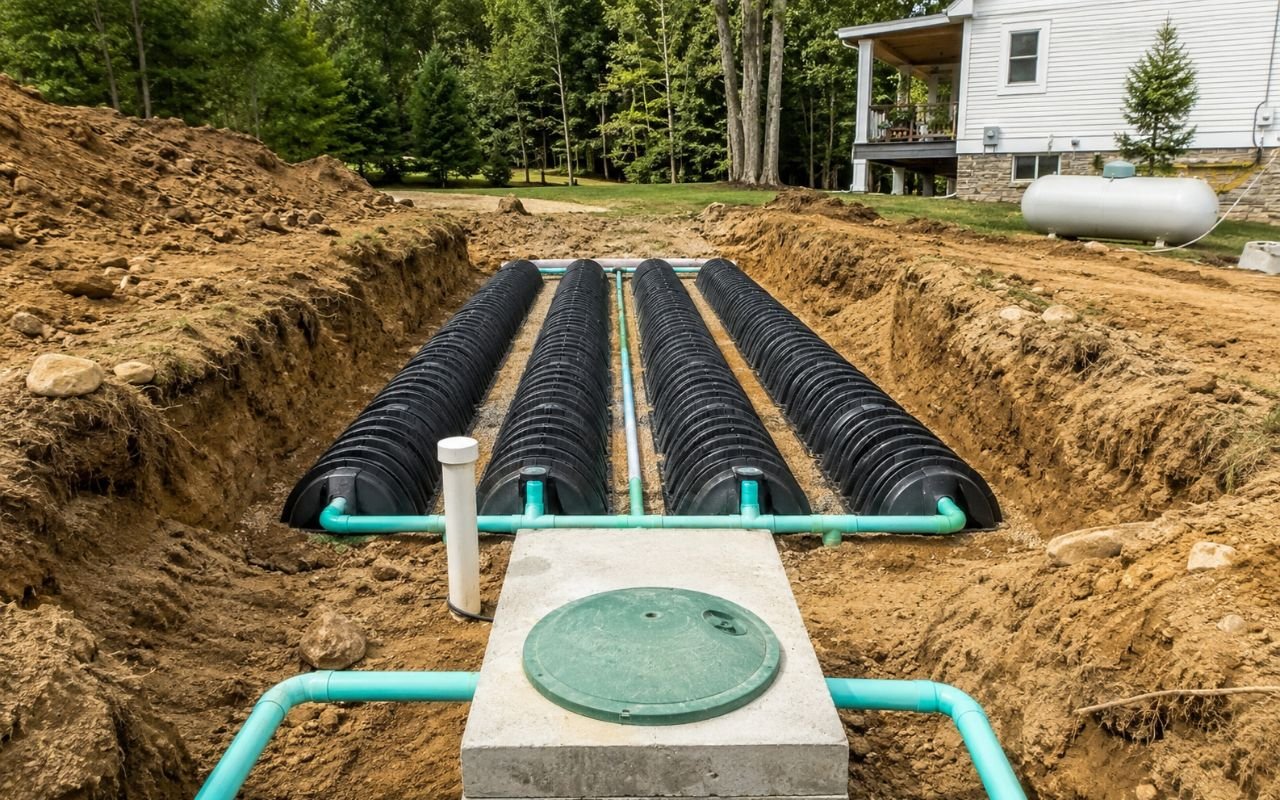
Installing a septic system is a significant investment, and getting it right starts long before the first shovel goes into the ground. Whether you are building a new home, replacing an aging septic system, or developing rural property, understanding the septic system permit Texas process is an essential first step. Securing the proper permit helps ensure your system is designed and installed according to state and local requirements.
Many property owners are surprised to learn that purchasing land does not automatically mean construction can begin. Before any installation work starts, the property must meet specific regulations that are designed to protect groundwater, nearby wells, streams, and public health. Taking the time to complete the permitting process can help you avoid costly delays, unexpected expenses, and compliance issues later.
At Dillon Septic, we have guided homeowners, builders, and property developers across Central Texas through every stage of the permitting process. From evaluating soil conditions and recommending the right system to coordinating inspections and meeting local requirements, our experience helps projects move forward smoothly and with confidence.
Why Texas Requires a Septic Permit
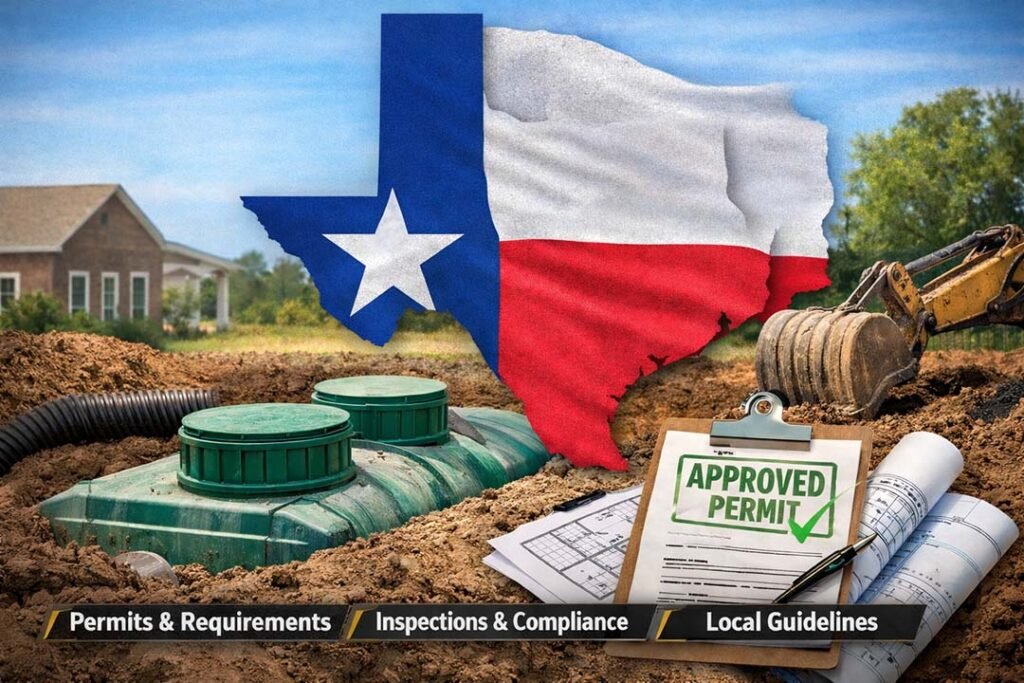
Texas requires septic permits to help protect public health, groundwater, and the environment. Because many homes in rural areas rely on onsite wastewater treatment instead of a municipal sewer system, every new installation must meet specific standards before construction begins. A properly reviewed permit helps ensure the septic system is designed for the property’s unique conditions and can safely treat household wastewater for many years.
During the permitting process, local authorities evaluate important factors such as soil type, property size, system design, and the expected amount of wastewater the home will produce. They also verify that the installation meets state regulations and local codes. These reviews help reduce the risk of groundwater contamination, system failures, and expensive repairs that may result from an improperly designed or installed system.
From our experience at Dillon Septic, obtaining the required permit is one of the smartest investments a property owner can make before installation begins. It provides confidence that the system is built to perform efficiently while protecting nearby wells, streams, and surrounding properties. Following the proper permitting process also makes future inspections, maintenance, and property transactions much easier.
Who Needs a Septic System Permit in Texas?
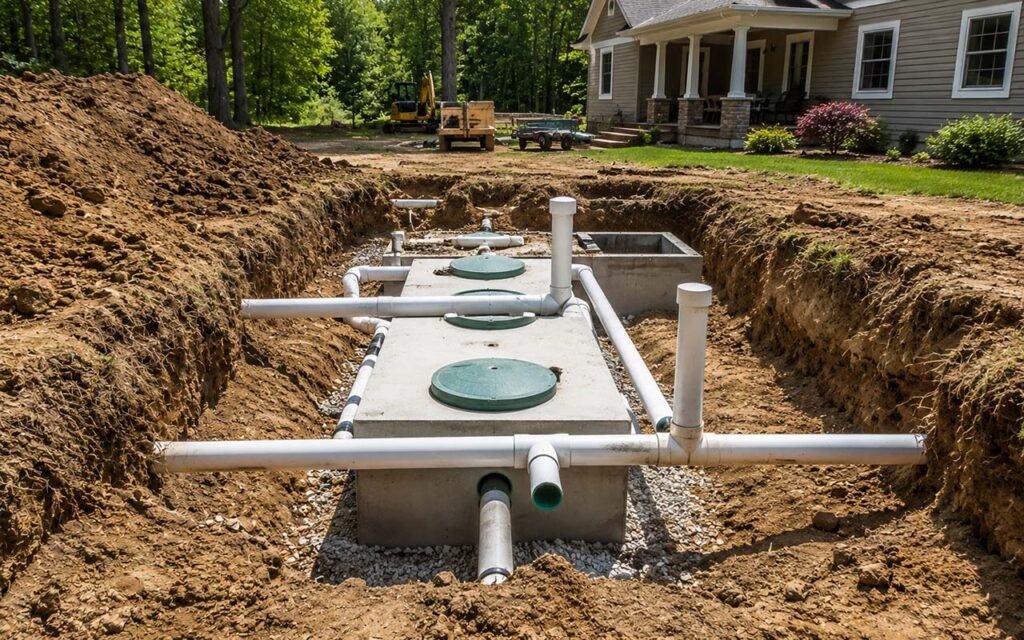
Most new onsite wastewater treatment systems in Texas require a permit before installation begins. If your property is not connected to a public sewer system, obtaining approval is usually one of the first steps in the project. The permit ensures the proposed system meets state and local requirements while being suitable for the property’s size, soil conditions, and expected wastewater usage.
A permit is commonly required when building a new home, replacing an existing septic system, increasing a home’s wastewater capacity, or adding structures such as guest houses or separate living quarters. It may also be needed when changing the type of wastewater treatment system or developing a commercial property that relies on onsite wastewater treatment. Each project is reviewed to confirm that the system can safely manage wastewater without affecting nearby properties or the environment.
Permit requirements can vary by county, and even smaller projects may need approval before work begins. Checking the local regulations early in the planning process can help prevent delays, avoid unexpected expenses, and keep your project moving forward without unnecessary complications.
Understanding the Texas Permitting Process
The septic permitting process in Texas is designed to ensure every system is installed safely, performs efficiently, and complies with state and local regulations. While the exact requirements may vary from one county to another, most applications follow the same general process. Understanding each step can help you prepare the necessary documents, avoid unnecessary delays, and keep your project on schedule.
Step 1. Property Evaluation
The first step is a professional evaluation of the property. A qualified inspector or site evaluator examines the land to determine whether it is suitable for a septic system. During this assessment, several factors are reviewed, including soil type, groundwater levels, property size, drainage patterns, existing structures, required setback distances, and whether any portion of the property is located within a floodplain. This information helps determine the type of septic system that can be safely installed.
Step 2. Site and Soil Testing
A detailed soil evaluation is one of the most important parts of the permitting process. Different soil types absorb and treat wastewater at different rates, making accurate testing essential for long-term system performance. Sandy soil drains much faster than clay, while rocky or compacted soils may require specialized treatment systems. The results of the soil analysis help determine the appropriate drain field size, installation depth, treatment method, and the most suitable septic system for the property.
Step 3. Septic System Design
Once the site evaluation and soil testing are complete, a septic system design is prepared based on the property’s specific conditions. The design includes important details such as the septic tank capacity, drain field layout, treatment components, pump systems if required, aerobic equipment for advanced treatment, and all required setback distances from wells, buildings, and property lines. A properly engineered design ensures the system can safely handle the expected wastewater generated by the home or commercial property.
Step 4. Permit Application
After the design is finalized, the permit application is submitted to the local permitting authority for review. Most applications include a property survey, site evaluation report, soil analysis results, septic system design, completed application forms, and the required permit fees. Depending on the county and the complexity of the project, the review process may take anywhere from a few days to several weeks before approval is issued.
Step 5. Septic System Installation
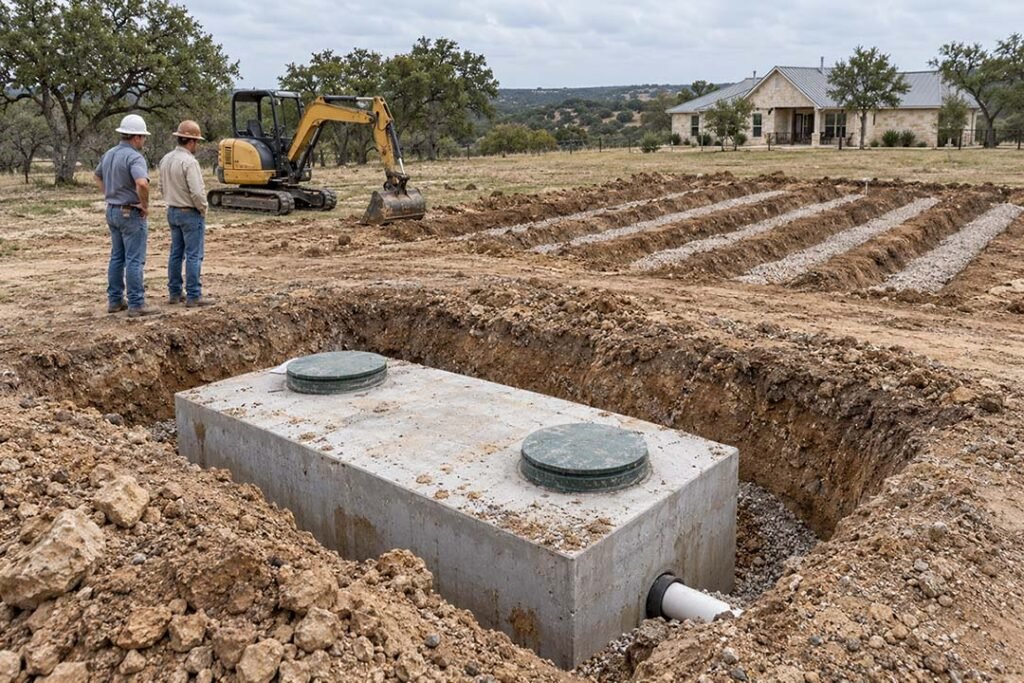
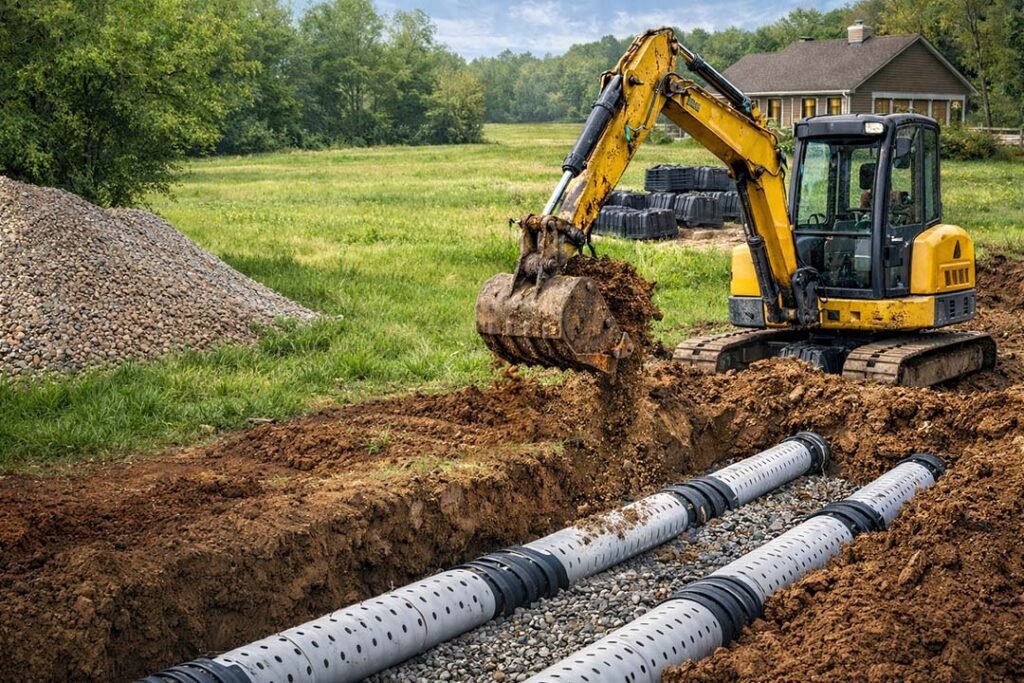
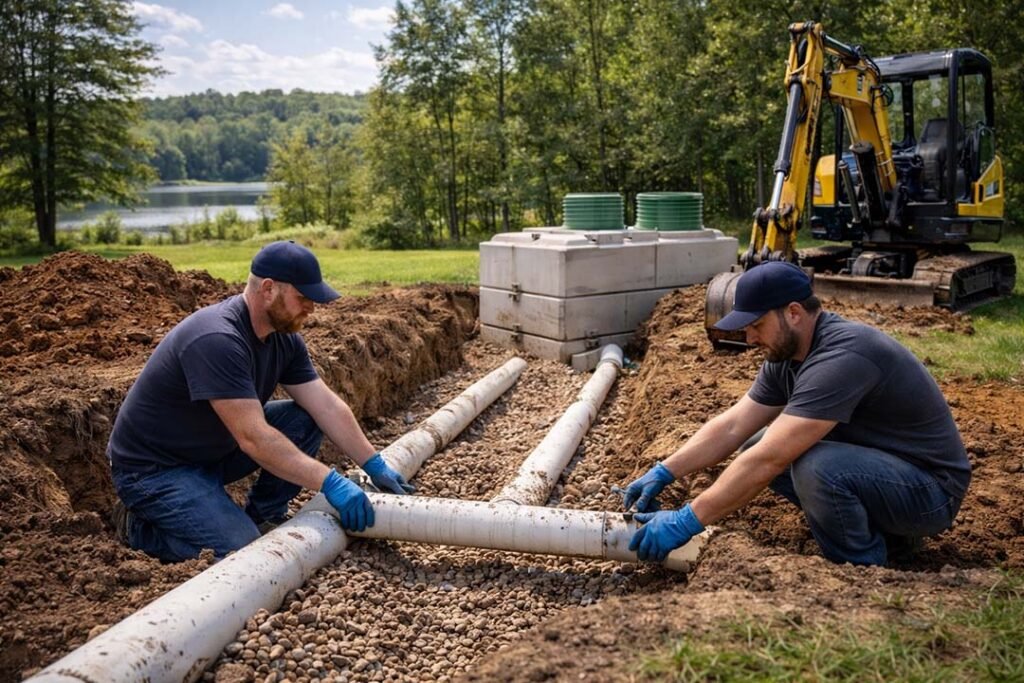
Once the permit has been approved, construction can begin. The septic system must be installed according to the approved design and all applicable regulations. Every component, from the septic tank to the drain field and treatment equipment, should be placed exactly as specified in the approved plans. Following the design carefully helps ensure reliable performance and reduces the risk of future compliance issues.
Step 6. Inspection and Final Approval
Before the septic system can be used, it must pass a final inspection. An inspector verifies that the installation matches the approved design and complies with all permit requirements. If everything meets the required standards, the system receives final approval and can legally be placed into service. Completing this final step gives property owners confidence that their septic system has been installed correctly and is ready to provide dependable performance for years to come.
Common Types of Septic Systems Approved in Texas
Texas has a wide range of soil conditions and landscapes, so there is no single septic system that works for every property. The right system depends on factors such as soil type, lot size, groundwater levels, property layout, and local environmental regulations. During the permitting process, these conditions are carefully evaluated to determine which system will provide safe, long-term wastewater treatment while meeting state and county requirements.
The table below highlights some of the most common septic systems approved for residential and commercial properties in Texas.
| System Type | Best Application | Maintenance Level | Typical Complexity |
|---|---|---|---|
| Conventional Septic System | Properties with suitable soil and good natural drainage | Low | Low |
| Aerobic Treatment System | Smaller lots or properties with challenging soil conditions | Moderate | Higher |
| Low Pressure Dosing System | Sloped or uneven terrain where controlled wastewater distribution is needed | Moderate | Moderate |
| Drip Distribution System | Environmentally sensitive areas requiring precise wastewater dispersal | Higher | Higher |
| Evapotranspiration System | Certain dry climates with favorable environmental conditions | Moderate | Specialized |
Choosing the right septic system is more than selecting the most common option. Every property has unique requirements, and the final system must be approved by the local permitting authority. A properly designed system that matches the site’s conditions is more likely to operate efficiently, require fewer repairs, and provide reliable performance for many years.
Factors That Can Affect Permit Approval
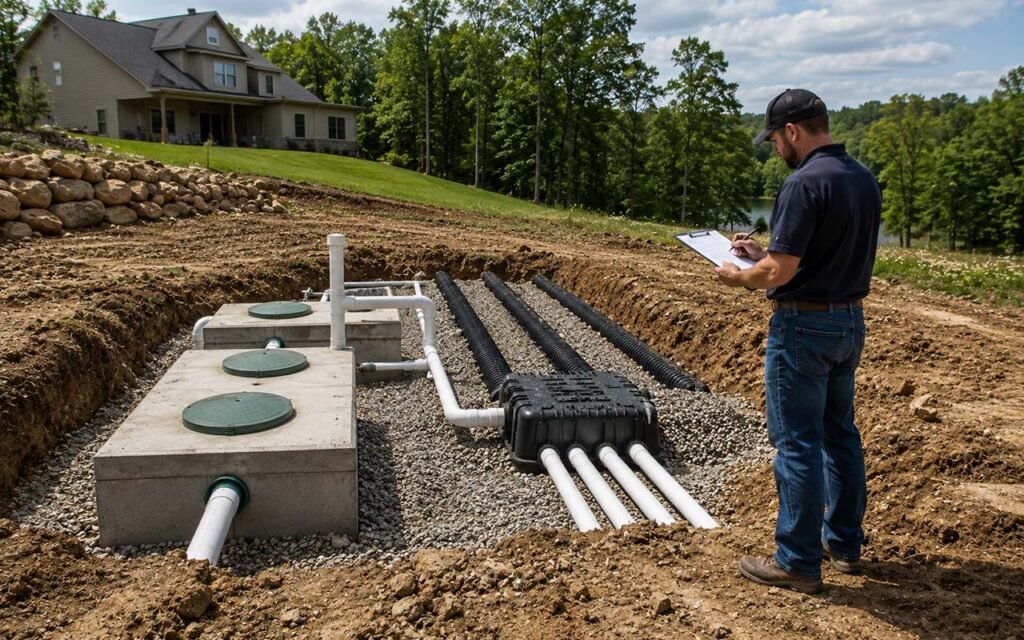
Several factors can influence how quickly a septic permit is approved in Texas. While some applications move through the review process without issues, others may require additional evaluations or design changes before approval is granted. Understanding these factors ahead of time can help you prepare for the permitting process and avoid unnecessary delays.
One of the most important considerations is the property’s soil condition. Poor drainage, rocky ground, or heavy clay soil can affect how wastewater is treated and may require a different type of septic system. High groundwater levels, steep slopes, and flood-prone areas can also impact the design and placement of the system. In addition, the presence of nearby wells, streams, lakes, or existing utility easements may require larger setback distances to protect water quality and meet local regulations.
Property size is another key factor. Smaller lots often have limited space for drain fields and required setbacks, which can affect the type of system that can be installed. Evaluating these conditions early in the planning stage allows potential issues to be identified before the application is submitted, helping reduce delays and improve the chances of a smooth approval process.
How Long Does It Take to Get a Permit?
The time required to obtain a septic permit in Texas can vary depending on the county, the complexity of the project, and how quickly the required information is submitted. In many cases, a straightforward residential application may be approved within a few weeks. However, projects involving larger properties, engineered septic systems, or challenging site conditions often require additional review and may take longer to receive approval.
Several factors can influence the overall timeline. A complete application with accurate site evaluations, soil test results, and supporting documents is usually processed more efficiently than one with missing information. Scheduling a soil evaluation, the workload of the local permitting office, weather conditions that delay field inspections, and requests for design revisions can also affect how long the process takes.
Planning ahead is one of the best ways to avoid unnecessary delays. Gathering all required documents before submitting your application and responding promptly to any requests for additional information can help keep the review process moving smoothly and increase the likelihood of receiving approval without unnecessary setbacks.
Typical Costs Associated with Septic Permits
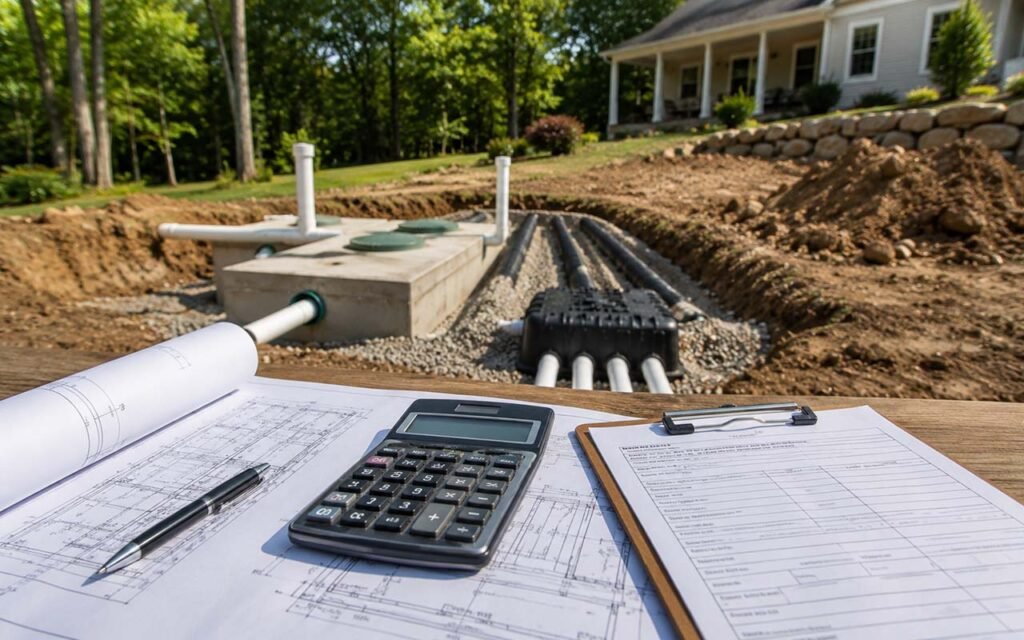
The cost of obtaining a septic permit in Texas involves more than just the permit application fee. Before a permit can be approved, several evaluations and professional services are often required to ensure the proposed system meets state and local regulations. Since every property has different characteristics, the total cost can vary based on factors such as soil conditions, lot size, system type, and local permitting requirements.
In addition to the permit fee, property owners should budget for expenses such as soil evaluations, site surveys, engineering or septic system design, and any inspections required during the installation process. If an advanced or engineered septic system is needed, the design and installation costs may be higher than those of a conventional system. Some counties may also charge additional administrative or review fees as part of the approval process.
Requesting a detailed estimate before construction begins can help you better understand the overall investment and avoid unexpected expenses. Planning ahead also makes it easier to compare options, set a realistic budget, and move through the permitting process with greater confidence.
Common Mistakes That Delay Permit Approval
Delays in the septic permitting process are often caused by issues that can be prevented with proper planning. Many homeowners are eager to begin construction as quickly as possible, but overlooking important requirements can slow the approval process and increase overall project costs. Taking the time to prepare everything correctly before submitting an application can save both time and money.
Some of the most common mistakes include starting excavation before the permit is approved, using outdated property surveys, selecting a septic system that is not suitable for the site’s soil conditions, or hiring installers who are unfamiliar with local regulations. Incomplete applications, missing supporting documents, and ignoring required setback distances from wells, buildings, or property lines can also result in additional reviews or requests for corrections. Making changes to the approved system design without notifying the permitting authority may create further delays.
Careful preparation and accurate documentation go a long way toward keeping a project on schedule. Reviewing all requirements before construction begins helps reduce unnecessary setbacks and improves the chances of a smooth and timely permit approval.
Expert Insight From the Field
Over the years, our team at Dillon Septic has helped homeowners, builders, and property owners throughout Central Texas with septic system installations, replacements, and permit applications. One thing we have learned is that projects almost always move more smoothly when the permitting process starts early. Taking care of the required evaluations before construction begins helps prevent unexpected delays and gives everyone involved a clear plan to follow.
We often meet property owners who have already scheduled excavation or other construction work before confirming their permit requirements. In many cases, additional soil testing, design adjustments, or site modifications are needed before approval can be issued. Addressing these requirements at the beginning of the project is usually faster and far less expensive than making changes after construction is underway.
We also encourage homeowners to stay involved throughout the process. Asking questions and understanding how the septic system is designed can make future maintenance much easier. A little knowledge at the start can help protect your investment, extend the life of your septic system, and reduce the likelihood of costly repairs in the future.
Choosing the Right Septic Contractor
Choosing the right septic contractor is one of the most important decisions you can make when planning a new installation or system replacement. An experienced contractor not only performs quality installation work but also understands the permitting process, helping you avoid unnecessary delays and costly mistakes. Their knowledge of local regulations can make the entire project more efficient from start to finish.
When comparing contractors, look for a company with proven experience working under Texas septic regulations and familiarity with local permitting requirements. They should be able to provide professional site evaluations, recommend the most suitable septic system for your property, and follow approved installation practices that meet current standards. It is also beneficial to choose a contractor that offers ongoing maintenance and repair services, giving you a reliable resource long after the installation is complete.
Clear communication is another sign of a dependable contractor. A team that explains each step of the process, answers your questions, and keeps you informed throughout the project can make the experience much less stressful while helping ensure your septic system performs reliably for years to come.
Tips for a Smooth Permit Process
Preparing in advance can make the septic permitting process much easier and help reduce unnecessary delays. While every county has its own requirements, taking a few simple steps before submitting your application can improve the chances of a faster review and a smoother installation process.
Start by consulting a qualified septic professional, especially if you are purchasing land or planning new construction. Scheduling a soil evaluation early allows you to identify any site limitations before investing in system design or construction. It is also helpful to gather important documents, including property surveys and site information, before completing your permit application. Following your county’s application requirements carefully and submitting complete, accurate paperwork can prevent requests for additional information that may slow the approval process.
It is wise to allow extra time for reviews and inspections, particularly during busy construction seasons. Keep copies of all approved permits, site plans, and inspection reports for future reference, and work with licensed professionals whenever required. Careful planning from the beginning helps keep your project on schedule and reduces the risk of unexpected setbacks.
Frequently Asked Questions
Do all properties in Texas require a septic permit?
Most new onsite wastewater systems require approval before installation. Requirements vary by county, but permits are generally necessary for new construction and replacement systems.
Can I install my own septic system?
Texas regulations vary depending on the project and local authority. Many installations require licensed professionals and inspections to ensure compliance.
How often are septic systems inspected?
New installations are inspected during construction. After installation, maintenance schedules depend on the system type, particularly for aerobic treatment systems.
Can permit requirements vary between counties?
Yes. While Texas establishes statewide standards, local permitting authorities may have additional requirements based on environmental conditions.
What happens if a system is installed without approval?
Installing a septic system without the required permit can lead to fines, corrective work, and delays in property transactions or future development.
Final Thoughts
Understanding the septic system permit Texas process before construction begins can save you time, money, and unnecessary stress. Taking the time to complete the required evaluations, prepare accurate documentation, and follow state and local regulations helps ensure your septic system is installed correctly from the start. A well-planned project is far less likely to encounter costly delays or unexpected issues during construction.
Every property has unique characteristics, which is why the permitting process is designed to confirm that the selected septic system is suitable for the site’s soil conditions, wastewater needs, and environmental requirements. Working through each step carefully helps protect your investment while supporting reliable system performance for many years.
If you are planning a new septic installation, replacing an existing system, or developing rural property in Central Texas, Dillon Septic is here to help. Our experienced team can guide you through the permitting process, recommend the right septic solution for your property, and provide professional installation and ongoing maintenance. Contact us today to discuss your project and get started with confidence.