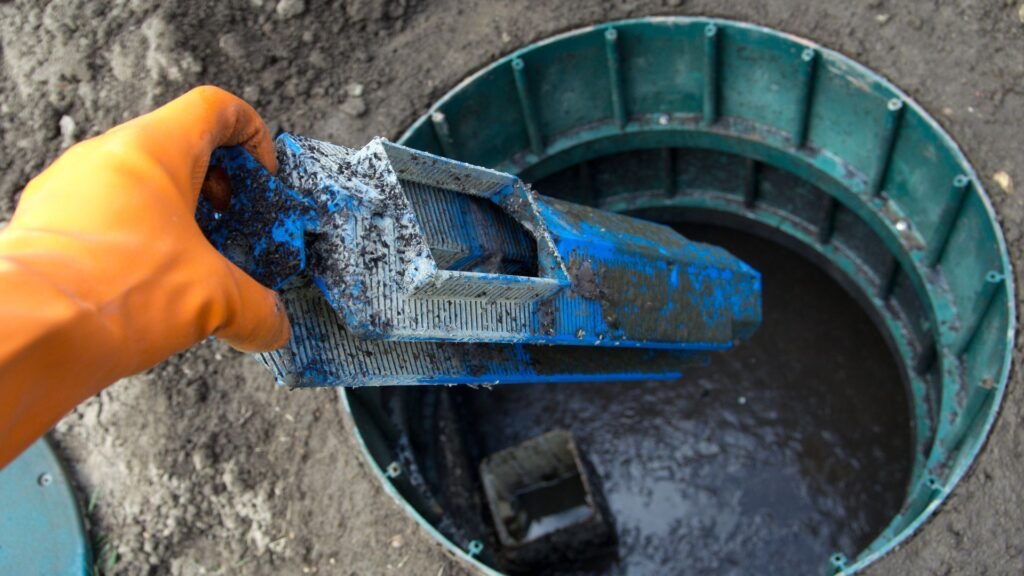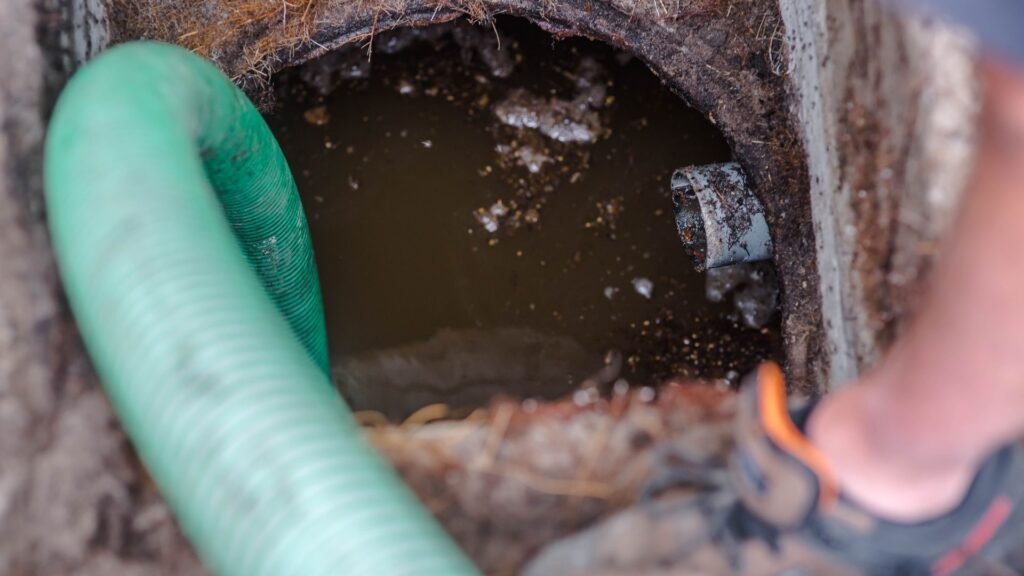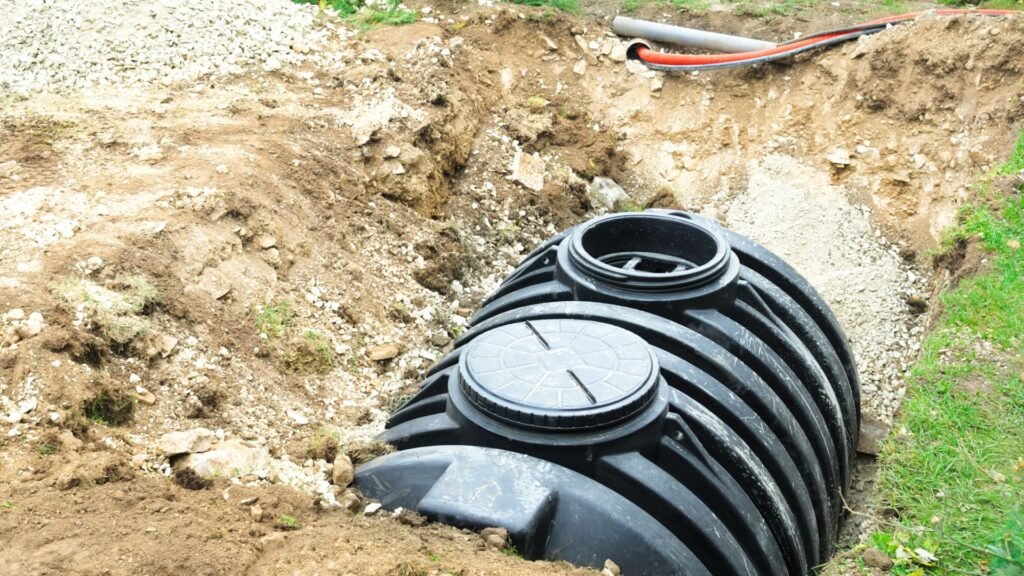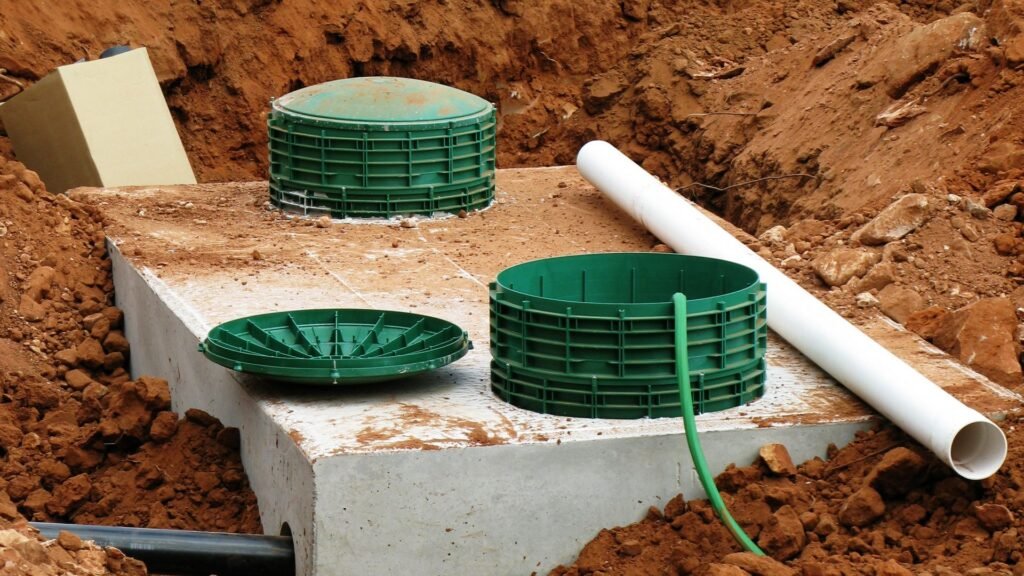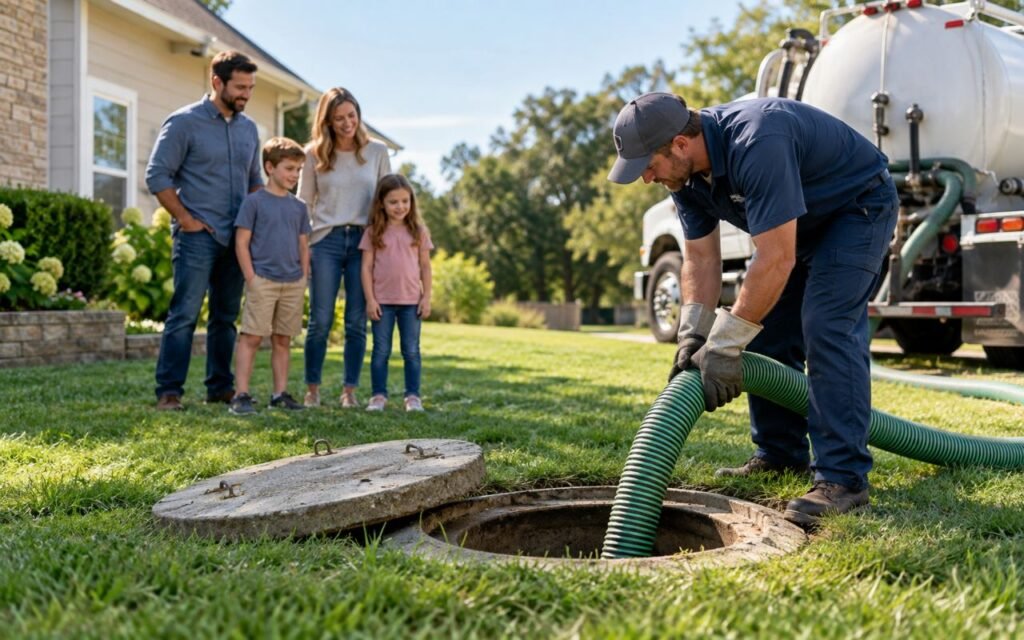
Finding your septic tank should not require digging up your yard every time it needs service. Yet many homeowners face this problem because their tank lids are buried beneath several inches or even feet of soil.
A septic tank riser installation provides a practical solution by bringing the tank’s access point closer to ground level. This makes inspections, pumping, and routine maintenance easier without repeated digging.
For homeowners in Central Texas, where septic systems are common in rural and suburban properties, having easy access can save time and reduce lawn damage.
Before adding a riser, it helps to understand how it works, what materials are available, and why professional installation matters.
What Is a Septic Tank Riser and How Does It Work?
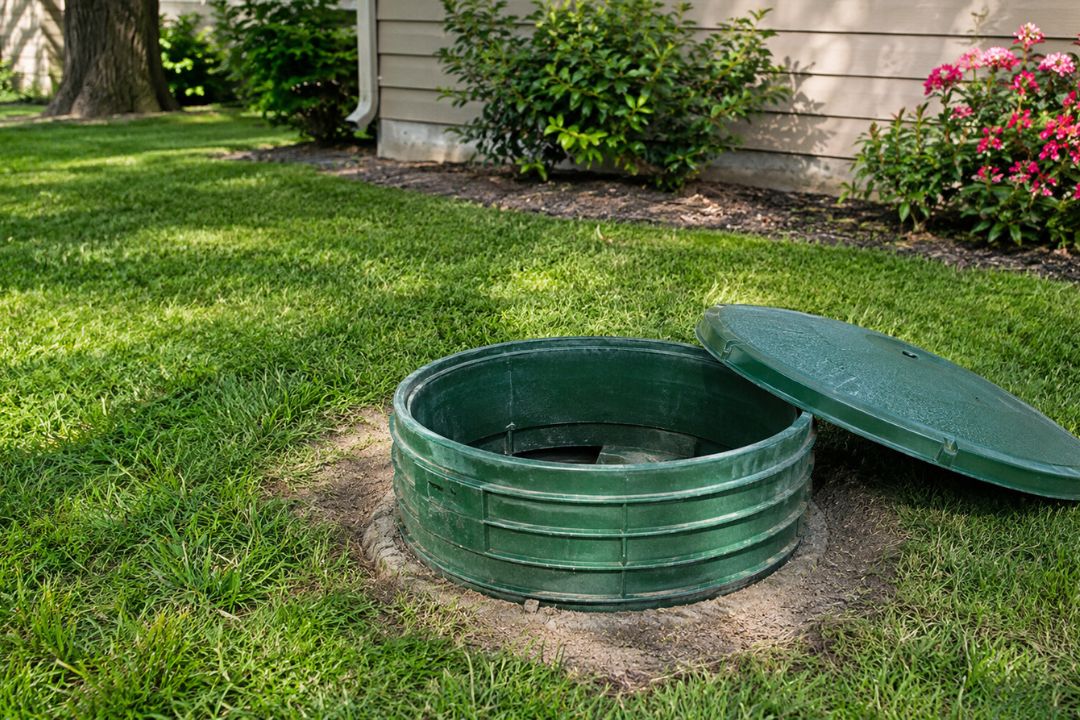
A septic tank riser is a vertical extension that connects the tank’s access opening to a secure lid near the ground surface.
Most septic tanks sit underground, with access openings that allow technicians to inspect the system and remove accumulated waste. Without a riser, these openings may be covered by soil, grass, or landscaping.
A riser creates a direct path to the tank without changing how wastewater moves through the system.
Its main components include the following.
- Riser pipe made from durable plastic, fiberglass, or concrete.
- Adapter ring that connects the riser to the tank opening.
- Watertight seal that helps prevent surface water from entering.
- Secure access lid that protects the opening from unauthorized access.
The riser does not improve wastewater treatment on its own. Instead, it makes essential maintenance easier and more convenient.
Why Septic Tank Riser Installation Is Worth Considering
A riser may seem like a small addition, but it can make a noticeable difference in how homeowners maintain their septic systems.
Easier access for routine pumping
Septic tanks need periodic pumping to remove accumulated sludge and scum. When the access lid is buried, technicians must locate and uncover it before starting work.
With a properly installed riser, the opening is easier to find and reach. This can reduce preparation time during future service visits.
Less damage to your lawn
Repeated excavation can disturb grass, flower beds, and other landscaping.
A ground-level access lid reduces the need to dig through the same area whenever your system needs attention.
This is particularly helpful for homeowners who maintain landscaped yards or have tanks installed beneath established lawns.
More convenient inspections
Regular inspections help identify developing problems before they lead to serious damage.
Accessible tank openings make it easier for professionals to check wastewater levels, inspect components, and assess whether pumping is necessary.
According to the U.S. Environmental Protection Agency, household septic tanks generally need pumping every three to five years, depending on usage and system conditions.
Better access during urgent repairs
When wastewater backs up or a septic component fails, locating a buried access lid can delay the inspection.
A riser helps technicians reach the tank more quickly. Although it cannot prevent mechanical failures or blockages, it removes one obstacle during troubleshooting.
How Septic Tank Riser Installation Works
Installing a riser requires more than attaching a pipe to an existing tank. Proper measurements, compatible materials, and secure connections are important for a safe result.
Here is how a professional typically approaches the process.
1. Locate and inspect the septic tank
The first step involves identifying the tank’s location and access openings.
A technician may review property records, use locating equipment, or carefully expose the tank’s upper surface.
The tank condition should also be checked. Cracked concrete, damaged openings, or unstable structures may need attention before adding a riser.
2. Measure the required riser height
The installer measures the distance between the tank opening and the desired access level.
The goal is to make the lid accessible while accounting for soil conditions, drainage, landscaping, and local requirements.
Accurate measurements help prevent a lid from sitting too low or protruding unnecessarily above the lawn.
3. Choose compatible materials
Not every riser fits every septic tank.
The installer selects an adapter, riser section, seal, and lid suited to the existing opening.
Material compatibility matters because a poor connection may allow groundwater or rainwater to enter the tank.
4. Attach and seal the riser
The mounting surface is prepared, and the adapter is secured using a compatible sealing method.
The riser is then connected and checked for proper alignment.
A watertight connection helps keep unwanted water out of the tank and reduces the risk of soil entering around the opening.
5. Secure the lid and restore the area
The final step involves installing a suitable, secured cover and checking the finished connection.
The surrounding soil is restored without placing unnecessary pressure on the riser.
The lid must remain accessible for future service and should never be left loose or unsecured.
Choosing the Right Material for a Septic Tank Riser
Different materials offer different benefits. The best choice depends on the tank design, burial depth, site conditions, and available fittings.
Plastic risers
High-density polyethylene and PVC products are commonly used because they resist corrosion and are relatively lightweight.
Many plastic systems offer modular sections, making it easier to adjust the riser height.
They are often a practical choice for residential properties when compatible with the existing tank.
Concrete risers
Concrete offers strength and durability but is much heavier than plastic.
Installation may require additional equipment, especially when handling large sections or covers.
Concrete connections also need careful sealing to limit water intrusion.
Fiberglass risers
Fiberglass products provide corrosion resistance and relatively low weight.
However, compatibility and availability vary by manufacturer.
Rather than selecting a material based only on price, homeowners should consider the entire assembly, including the adapter and secure lid.
How Much Does Septic Tank Riser Installation Cost?
The total septic riser cost depends on the condition of the existing tank and the work required to provide safe access.
A shallow tank with a clear, compatible opening may require less labor than an older tank buried deep beneath compacted soil.
Several factors influence the final price.
- Tank depth affects the amount of riser material and excavation required.
- Number of openings determines whether one or several risers are needed.
- Material selection influences equipment and component costs.
- Tank condition may require repairs before installation.
- Site accessibility affects labor and equipment needs.
- Local requirements may influence the approved installation method.
Homeowners should request a written estimate that identifies materials, labor, sealing, lid security, and any necessary repairs.
A lower upfront quote is not always the better value if important components are excluded.
Can You Install a Septic Tank Riser Yourself?
Some homeowners consider installing a riser themselves to reduce labor expenses.
However, working around septic tanks presents serious safety risks. Open tanks can contain dangerous gases, and unsecured openings create a risk of falling into the tank.
Never enter a septic tank or lean into an open access opening. Even a brief exposure to hazardous gases can be dangerous.
Improper installation can also cause problems such as water infiltration, loose lids, or damaged tank openings.
Professional installation is generally the safer choice because the work requires proper equipment, sealing techniques, and knowledge of applicable requirements.
Texas homeowners should also confirm whether their local permitting authority requires an authorized septic professional for the proposed modification.
When Should You Consider Septic Tank Riser Installation?
Not every property needs an immediate upgrade. However, certain situations make a riser particularly useful.
Consider installing one if you experience any of the following.
- Your septic tank lid is buried and difficult to locate.
- Technicians must excavate the yard during every pumping visit.
- Landscaping has made access increasingly difficult.
- You are planning maintenance or repairs that already require exposing the tank.
- Your existing access cover is damaged or no longer seals properly.
A scheduled pumping appointment may be a convenient time to discuss the upgrade because the access area may already need to be exposed.
The Penn State Extension septic tank pumping guide also recommends bringing access ports to the soil surface to simplify future cleaning and inspections.
Maintaining Your Septic Tank Riser After Installation
Once your riser is installed, it needs very little routine attention. However, checking the access lid occasionally helps keep the area safe and functional.
Keep these maintenance practices in mind.
- Make sure the lid remains securely fastened.
- Check for visible cracks or damage.
- Keep soil, mulch, and debris away from the cover.
- Avoid driving or parking vehicles over the access area.
- Watch for standing water around the riser.
- Ask your septic technician to inspect the seal during service visits.
If the lid becomes loose, damaged, or difficult to secure, arrange for professional attention. Do not leave the opening exposed.
Remember that adding a riser does not replace regular pumping or inspections. It simply makes those services easier to perform.
Frequently Asked Questions
Does every septic tank need a riser?
Not necessarily. Some tanks already have accessible openings. However, risers are particularly useful when existing lids are buried. Local rules may also require certain access arrangements.
How long does a septic tank riser last?
A properly installed riser can provide many years of service. Its lifespan depends on the material, installation quality, soil conditions, and exposure to damage.
Can a riser be added to an older septic tank?
Yes, many older tanks can be fitted with risers. However, the tank opening and structural condition must be evaluated first. Severely damaged tanks may require repairs before installation.
Will a septic riser cause odors in my yard?
A properly sealed riser should not normally release noticeable sewage odors. Persistent smells may indicate a damaged seal, loose lid, or another septic system problem that needs inspection.
Related Septic Maintenance Resources
Understanding your septic system helps you make better decisions about repairs, inspections, and routine care.
Explore the septic maintenance and pumping information available from Dillon Septic to learn how professional care helps protect your property.
You can also read our related topics on septic tank locating, septic tank baffles, and common septic system problems to better understand how these components work together.
Final Thoughts
Septic tank riser installation is a practical upgrade that makes routine maintenance easier and reduces the need for repeated digging. It gives technicians better access while helping homeowners protect their landscaping.
Choosing the right materials, securing the lid, and creating a watertight connection are essential for a reliable installation. An experienced septic professional can evaluate your existing tank and recommend an appropriate solution.
If you live in Spring Branch, Canyon Lake, New Braunfels, or a nearby Central Texas community, contact Dillon Septic to discuss your septic system’s condition, access needs, and maintenance options.
Proper access today can make caring for your septic system much easier in the years ahead.