How often to pump septic tank family of 2

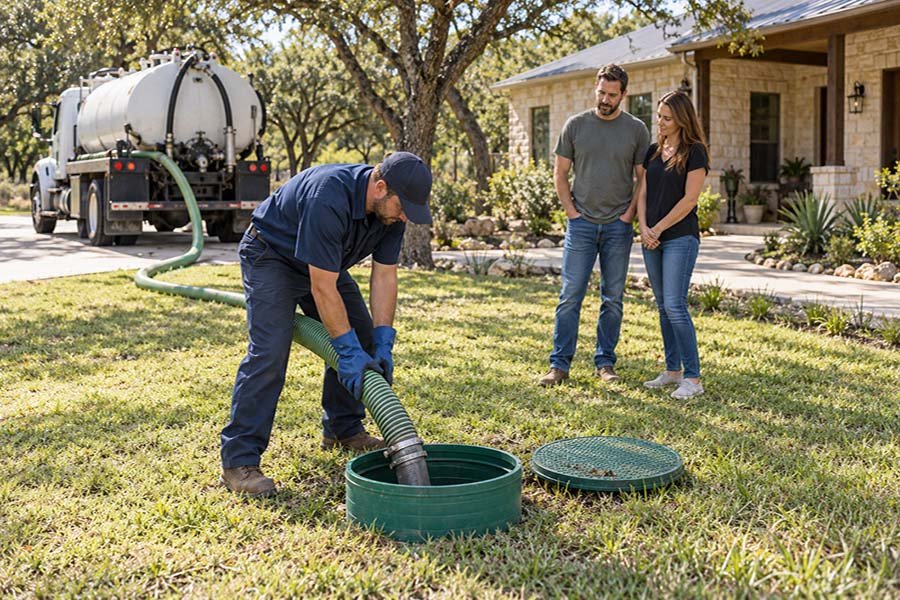
If you’re part of a two-person household wondering how often to pump septic tank systems, you’re not alone. Many couples and small families struggle with finding the right pumping schedule that keeps their system running smoothly without breaking the bank. Learn how often to pump septic tank family of 2​.

This guide is designed for homeowners with septic systems who want to avoid costly repairs while maintaining proper waste management. Whether you’re newlyweds who just bought your first home or empty nesters downsizing to a smaller property, understanding your pumping needs can save you thousands in emergency repairs.

We’ll cover the standard pumping timeline for small households and walk you through the key factors that might speed up or slow down your schedule. You’ll also learn to spot the warning signs that mean your tank needs immediate attention, plus discover smart daily habits that can help you stretch the time between pumpings and keep more money in your pocket.

Standard Septic Tank Pumping Guidelines for Small Households

Standard Septic Tank Pumping Guidelines for Small Households

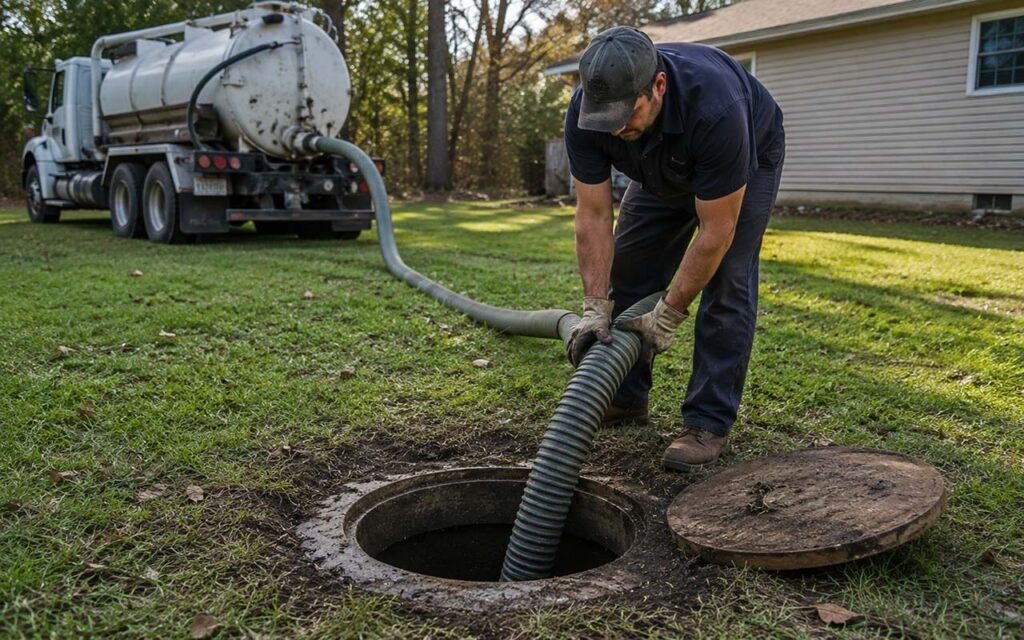
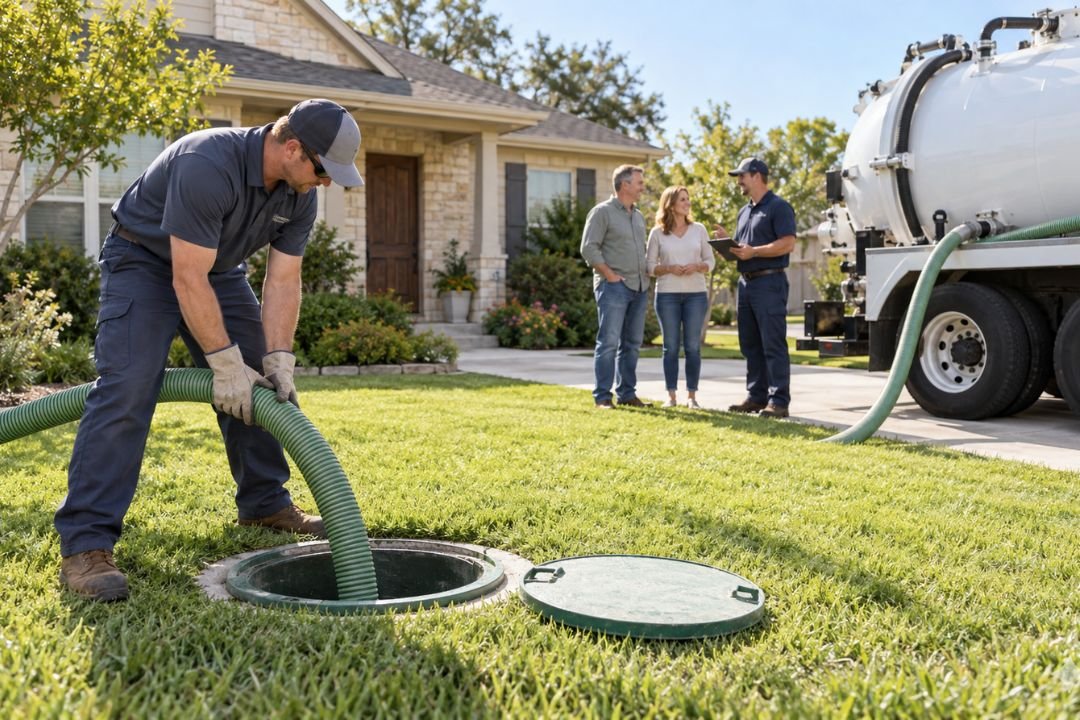
Most septic system professionals recommend pumping septic tanks every 3-5 years for two-person households. This timeframe strikes the perfect balance between maintaining system health and keeping costs reasonable. The Environmental Protection Agency supports this range, though they lean toward the conservative side with recommendations closer to every 3 years.

Two-person homes generate significantly less waste than larger families, which means the tank fills more slowly. Your septic tank typically holds between 750-1,500 gallons, and with just two people contributing roughly 50-100 gallons of wastewater daily, the math works in your favor. The solids accumulation happens at a much slower pace compared to families with four or more members.

Several major septic system manufacturers, including Norweco and Infiltrator, provide specific guidelines showing that smaller households can safely extend pumping intervals. Their research demonstrates that two-person homes produce approximately 30-40% less sludge annually compared to the average four-person family.

How household size directly impacts pumping schedules

The relationship between household size and pumping frequency follows a clear pattern that directly affects your maintenance schedule. Each additional person in your home contributes about 25-30 gallons of wastewater daily, which adds up quickly over time.

Here’s how different household sizes compare:

Household SizeRecommended Pumping FrequencyAnnual Sludge Production
1-2 people3-5 years200-300 gallons
3-4 people2-3 years400-500 gallons
5+ people2-3 years600+ gallons

Your two-person household sits in the sweet spot where you can maximize the time between pumpings without risking system failure. The slower accumulation rate means solids have more time to break down naturally through bacterial action, making your system more efficient overall.

Water usage patterns also differ dramatically between small and large households. Two people typically use washing machines and dishwashers less frequently, reducing the hydraulic load on your system. This gentler usage pattern allows beneficial bacteria more time to process waste effectively.

Why following manufacturer guidelines saves money long-term

Sticking to manufacturer recommendations protects your investment and prevents expensive emergency repairs. Most septic system warranties require proof of regular maintenance, including pumping records that follow their specific guidelines. Skipping recommended pumping schedules can void these warranties, leaving you responsible for costly repairs or replacements.

Regular pumping prevents sludge from reaching the outlet baffle, which can cause raw sewage to enter your drain field. Drain field replacement typically costs $5,000-$15,000, while routine pumping runs just $300-$500. The math clearly favors prevention over repair.

Manufacturer guidelines also account for your system’s design capacity and expected lifespan. Most quality septic systems last 20-30 years with proper maintenance, but neglecting pumping schedules can cut this lifespan in half. Following the recommended 3-5 year pumping cycle for your two-person household protects this long-term investment.

Many manufacturers offer extended warranties when you maintain detailed service records. These warranties can save thousands in unexpected repair costs and provide peace of mind. Professional septic services typically provide documentation that satisfies warranty requirements, making compliance straightforward for homeowners who follow recommended schedules.

Key Factors That Determine Your Pumping Schedule

Key Factors That Determine Your Pumping Schedule

Daily Water Usage Patterns and Consumption Habits

Your family’s water consumption directly impacts how often to pump septic tank family of 2 systems require maintenance. A typical two-person household uses between 100-200 gallons of water daily, but individual habits can push this number significantly higher or lower. Regular septic pumping is essential to prevent costly repairs and help ensure your system runs smoothly year-round.

Heavy water users who take long showers, run multiple loads of laundry, or frequently use dishwashers will fill their septic tank faster. Each flush, shower, and wash cycle sends wastewater into your system, and the more water flowing through, the quicker solids accumulate. Conversely, water-conscious households that take shorter showers and run full loads only when necessary can extend their pumping intervals.

Pay attention to your specific patterns. Do you both work from home, increasing daytime water use? Are you weekend warriors who do all your cleaning and laundry on Saturdays? These concentrated usage periods can stress your system more than spread-out consumption throughout the week.

Types of Waste and Products Entering Your System

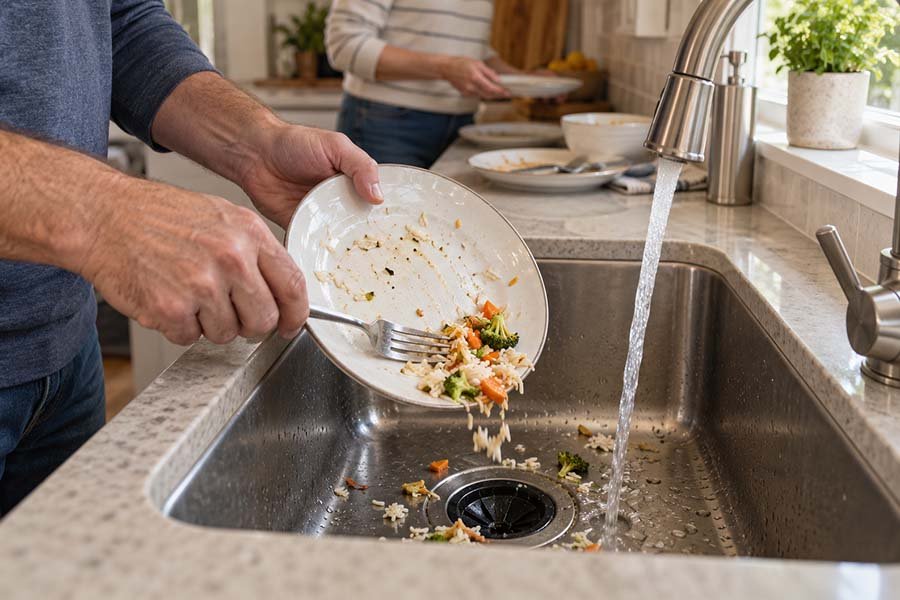
What goes down your drains matters just as much as how much water you use. Harsh chemicals, excessive grease, and non-biodegradable items can disrupt the bacterial balance that breaks down waste in your septic tank.

Common household products that accelerate the need for pumping include:

  • Antibacterial soaps and cleaning products
  • Excessive amounts of laundry detergent
  • Cooking oils and grease
  • Coffee grounds and food scraps
  • Feminine hygiene products
  • Cat litter and pet waste

Each of these items either kills beneficial bacteria or adds solid waste that doesn’t break down naturally. Households that are careful about what enters their system often discover they can go longer between pumpings than the standard recommendations suggest.

Age and Condition of Your Septic Tank

Older septic systems often require more frequent attention than newer installations. Tanks installed 20+ years ago may have developed cracks, damaged baffles, or compromised outlet pipes that affect their efficiency.

Tank AgeTypical ConditionPumping Frequency Impact
0-10 yearsExcellentStandard intervals apply
10-20 yearsGood to FairMay need 10-20% more frequent service
20+ yearsVariableCould require 25-50% more frequent pumping

The material of your tank also plays a role. Concrete tanks can last decades but may develop small cracks over time. Plastic tanks are less prone to cracking but can shift or become damaged by tree roots. Steel tanks, while rare in newer installations, deteriorate fastest and need the most frequent monitoring.

Regular inspections help you understand your tank’s current condition and adjust your pumping schedule accordingly. A well-maintained older tank might outperform a neglected newer one.

Soil Conditions and Drainage Capabilities Around Your Property

Your property’s soil composition and drainage field condition significantly influence how often your septic tank needs pumping. Sandy soil drains quickly, allowing your system to process wastewater efficiently. Clay soil retains moisture longer, potentially causing backups that force more solids to remain in the tank.

Poor drainage around your septic field creates a domino effect. When wastewater can’t properly filter through the soil, it backs up into the tank, reducing the space available for new waste. This situation forces more frequent pumping to maintain system function.

Seasonal factors also matter. Spring thaws and heavy rainfall can saturate your drainage field, temporarily reducing its effectiveness. Properties in areas with high water tables or frequent flooding may need more aggressive pumping schedules during certain times of the year.

Watch for soggy areas over your drain field, especially after heavy rains. Standing water or unusually green grass in these areas often signals drainage problems that will affect your pumping needs. Professional soil percolation tests can help determine if your drainage field is functioning optimally or if improvements are needed to extend time between pumpings.

Warning Signs Your Tank Needs Immediate Pumping

Warning Signs Your Tank Needs Immediate Pumping

Slow drains and toilet flushing issues throughout the house

When multiple drains in your home start acting sluggish, your septic tank is sending you a clear message. You’ll notice toilets taking longer to flush completely, bathroom sinks draining slowly, and shower water pooling around your feet longer than usual. This isn’t just one isolated plumbing problem – it’s your entire system backing up because the tank has reached capacity.

The key difference between a regular clog and septic tank issues is the pattern. A single blocked drain usually means a localized problem, but when every fixture in your house struggles to drain properly, your tank likely needs pumping. This happens because solid waste has accumulated to the point where water can’t flow freely through the system.

For a family of 2, these drainage issues typically appear when you’ve gone beyond the recommended 3-5 year pumping schedule. The tank simply can’t process new wastewater efficiently when it’s already full of sludge and scum layers.

Unpleasant odors around your septic system area

Your nose knows when something’s wrong with your septic system. Strong sewage smells near your tank location, drain field, or even inside your home signal that gases are escaping where they shouldn’t be. These odors often smell like rotten eggs or raw sewage and become more noticeable during humid weather or after heavy water usage.

Outside odors usually concentrate around the tank lid, distribution box, or throughout the drain field area. You might also notice these smells coming from floor drains, especially in basements, or wafting up from bathroom fixtures. The gases escape because liquid levels have risen too high in an overfull tank, pushing odorous gases back through the system.

Don’t ignore these warning signs, even if the smell seems mild at first. Septic gases contain harmful compounds like methane and hydrogen sulfide that pose health risks. Plus, if you can smell your system, your neighbors probably can too.

Standing water or wet spots in your drain field

Your drain field should remain relatively dry on the surface, even after rainfall. When you spot soggy patches, standing water, or unusually green grass over your drain field, your septic tank has likely reached its limit. This pooling happens because the tank can’t hold any more liquid, forcing wastewater to surface before it properly filters through the soil.

These wet spots often appear as dark, muddy patches that stay moist even during dry weather. The grass in these areas might grow faster and greener than surrounding lawn areas due to the extra nutrients from unfiltered wastewater. You might also notice a spongy feeling underfoot when walking across the drain field.

Surface water in your drain field creates serious health hazards since it contains untreated sewage. Children and pets should stay away from these areas, and the problem requires immediate professional attention. This level of backup usually means your tank needs pumping right away, regardless of when you last had it serviced.

Cost-Effective Pumping Strategies for Two-Person Households

Cost-Effective Pumping Strategies for Two-Person Households

How to find reliable and affordable septic service providers

Start by asking neighbors and local property owners for recommendations. Word-of-mouth referrals often lead to the best service providers who’ve built solid reputations in your area. Check online reviews on Google, Yelp, and the Better Business Bureau, but focus on recent reviews that mention specific services like routine pumping for smaller households.

Get quotes from at least three different companies. Prices can vary significantly, and some providers offer discounts for regular customers or multi-year contracts. Look for companies that provide written estimates and clearly explain their pricing structure. Be wary of quotes that seem too low – they might indicate hidden fees or subpar service.

Verify that any company you’re considering has proper licensing and insurance. Most states require septic service providers to be licensed, and their insurance protects you if something goes wrong during the service. Ask to see these documents before scheduling any work.

Consider companies that specialize in residential septic systems rather than large commercial operations. These specialists often understand the unique needs of smaller households and can provide more personalized service at competitive rates.

Seasonal timing considerations that reduce service costs

Many septic service companies offer lower rates during their slower seasons, typically late fall through early spring. Scheduling your pumping during these off-peak times can save you 15-20% on service costs. Avoid peak seasons like late spring and early summer when demand is highest and prices reflect that surge.

Winter pumping might seem less appealing, but most professional companies can handle cold weather conditions effectively. The ground might be frozen, but septic tanks are buried below the frost line, so pumping remains feasible in most climates.

Plan your pumping schedule around local factors too. In areas with heavy vacation home populations, avoid pumping during peak rental seasons when service providers are busiest. Rural areas might have different peak times based on agricultural cycles or local events.

Book your appointment well in advance during your preferred season. Early scheduling often comes with discounts, and you’ll have better flexibility in choosing appointment times that work with your schedule.

Preventive maintenance steps that extend pumping intervals

Regular bacterial additives can help maintain healthy septic bacteria levels, though opinions vary on their necessity. If you choose to use them, stick to products specifically designed for septic systems and follow manufacturer instructions carefully.

Monitor your water usage patterns. For a family of 2, spreading out laundry loads, taking shorter showers, and fixing leaky fixtures immediately all help reduce the load on your septic system. Even small leaks can add hundreds of gallons monthly to your system’s burden.

Keep detailed records of what goes down your drains. Avoid flushing anything besides toilet paper and human waste. This includes feminine hygiene products, dental floss, cigarette butts, and cat litter – even varieties labeled “flushable.” These items don’t break down properly and fill up your tank faster.

Protect your drain field by redirecting surface water away from the septic area. Gutters, landscaping, and proper grading prevent excess water from overwhelming your system. Also, avoid parking vehicles or placing heavy objects over the septic tank or drain field, as this can cause costly damage.

Schedule annual or bi-annual inspections even when you don’t need pumping. These check-ups cost much less than emergency repairs and help you catch problems before they become expensive disasters.

When to consider emergency vs scheduled pumping services

Emergency pumping typically costs 50-100% more than scheduled service, so understanding when you truly need immediate help versus when you can wait saves significant money. Real emergencies include sewage backing up into your home, strong odors around the septic area, or standing water over your drain field.

Slow drains throughout your house might feel urgent, but they often indicate a full tank rather than a true emergency. If you can still use your plumbing normally, you can usually wait a few days to schedule regular service at standard rates.

Plan scheduled pumping based on your usage patterns rather than waiting for warning signs. For most families of 2, this means pumping every 3-5 years. Keeping track of your last pumping date and scheduling the next one in advance prevents emergency situations entirely.

Consider the timing of potential emergencies. If you notice warning signs before a holiday weekend or during peak season, calling for regular service immediately might cost less than waiting until the situation becomes truly urgent. Service providers often have emergency rates that kick in after normal business hours or during weekends.

Extending Time Between Pumpings Through Smart Habits

how often to pump septic tank family of 2​

Water Conservation Techniques That Reduce System Strain

Simple changes in your daily water use can dramatically impact your septic system’s performance. For families of two, reducing water consumption means less frequent pumping and a healthier system overall.

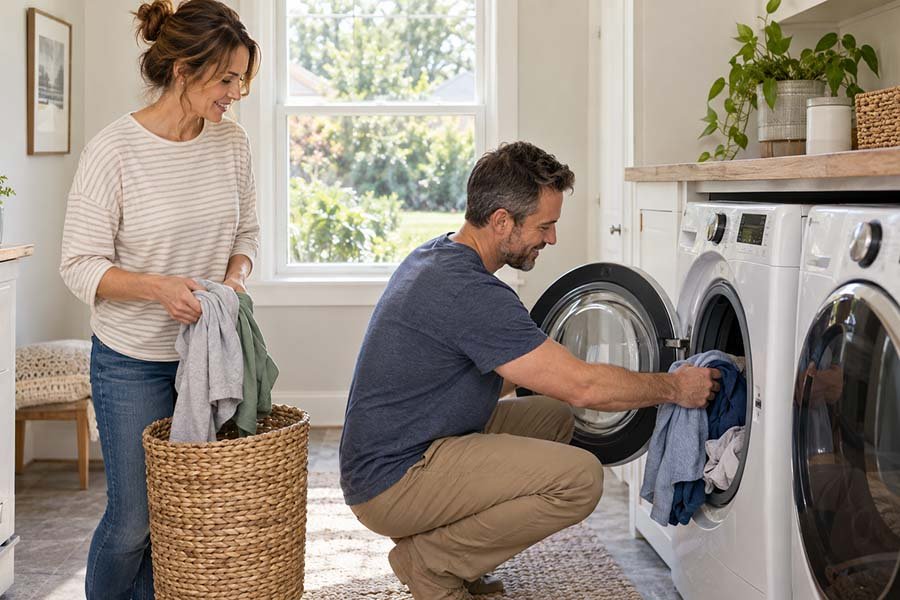
Start with your laundry habits. Spread washing loads throughout the week instead of doing multiple loads in one day. Each load sends 25-40 gallons into your septic tank, and overwhelming the system prevents proper settling and treatment. Choose high-efficiency appliances when replacing old ones – they use significantly less water per cycle.

Fix leaky faucets and running toilets immediately. A single running toilet can waste 200 gallons daily, putting unnecessary strain on your system. Install low-flow fixtures like showerheads and faucet aerators to reduce water flow without sacrificing comfort.

Take shorter showers and avoid back-to-back showers when possible. This gives your septic system time to process wastewater properly. Consider staggering morning routines if both household members shower daily.

Replace older toilets with low-flow models that use 1.6 gallons per flush instead of older models using 3-5 gallons. For a two-person household, this change alone can reduce septic input by thousands of gallons annually.

Septic-Safe Products and What to Avoid Flushing

Your septic system relies on beneficial bacteria to break down waste. Many common household products can kill these essential microorganisms, disrupting the natural treatment process.

Never flush these items:

  • Feminine hygiene products
  • Condoms
  • Cat litter (even “flushable” types)
  • Cigarette butts
  • Dental floss
  • Medications
  • Hair from haircuts
  • Cotton swabs and balls

Limit or avoid these chemicals:

  • Antibacterial soaps and cleaners
  • Bleach-based products
  • Fabric softeners
  • Harsh drain cleaners
  • Toilet bowl cleaners with bleach

Choose septic-safe alternatives like biodegradable soaps, enzyme-based cleaners, and natural cleaning products. When you must use harsh chemicals, use them sparingly and never all at once. Space out heavy cleaning sessions to give your system time to recover.

Cooking grease and oil should never go down drains. Even small amounts can solidify and create blockages. Instead, wipe greasy pans with paper towels before washing, and dispose of cooking oil in the trash.

Simple Maintenance Tasks You Can Perform Yourself

Regular DIY maintenance helps extend time between professional pumpings and keeps your system running smoothly. These tasks require no special skills and can save money on service calls.

Monthly tasks:

  • Check for standing water around your drain field
  • Look for sewage odors near the tank or drain field
  • Inspect visible pipes for leaks
  • Test water pressure to identify potential clogs

Quarterly inspections:

  • Locate and uncover your septic tank access ports
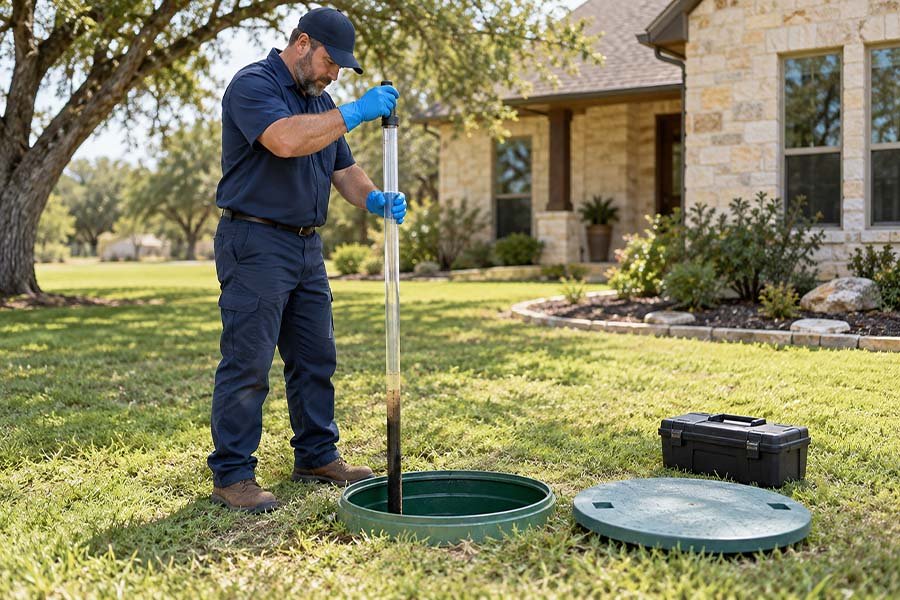
  • Check the scum and sludge levels using a long stick or septic probe
  • Document sludge depth to track accumulation rates
  • Examine the condition of baffles if visible

Keep detailed records of these inspections. For a family of two, tracking sludge levels helps you predict when pumping becomes necessary, potentially extending intervals beyond the standard three-year recommendation.

Simple preventive measures:

  • Redirect roof gutters and surface water away from your drain field
  • Protect your tank and pipes from freezing in winter
  • Keep heavy vehicles off your drain field
  • Maintain proper ground cover over your system

Add beneficial bacteria monthly using commercial septic treatments or natural methods like flushing baker’s yeast. This supports the biological processes that break down waste and can help maintain system balance between pumpings.

Regular maintenance combined with smart water usage can help families of two extend pumping intervals to 4-5 years while maintaining optimal system health.

For detailed guidance on recommended maintenance schedules, check our article on How Often to Pump Septic Tank Family of 4.

FAQ ( Frequently Asked Questions )

How often to pump a 1,000-gallon septic tank for a family of 2?

A 1,000-gallon septic tank serving a family of two typically needs to be pumped every 5 to 6 years. The exact interval depends on water usage and waste volume. Regular inspections can help determine when pumping is necessary to prevent buildup and system overflow.

How often should you pump a 1,500-gallon septic tank for a family of 2?

A 1,500-gallon septic tank for a two-person household generally requires pumping every 6 to 8 years. Larger tanks can hold more solids and wastewater, but periodic checks are still important to maintain efficiency and avoid backups.

How much does it cost to pump a septic tank?

The cost to pump a septic tank usually ranges from $250 to $600, depending on tank size, location, and accessibility. Larger or hard-to-reach tanks may cost more. Regular maintenance helps prevent expensive repairs and extends your system’s lifespan.

How often should a 600-gallon septic tank be pumped?

A 600-gallon septic tank should be pumped approximately every 2 to 3 years, especially for small households. Because of its smaller capacity, it fills more quickly with solids, so consistent maintenance is essential to keep it running smoothly.

How often do you need to pump a septic tank?

Most septic tanks need pumping every 3 to 5 years, depending on tank size and household usage. Regular pumping keeps the system efficient, prevents clogs, and reduces the risk of costly repairs. Scheduling inspections every few years helps determine the ideal frequency for your specific system.

Conclusion

Most two-person households can safely pump their septic tank every 3-5 years, but your specific situation depends on water usage habits, tank size, and what goes down your drains. Keep an eye out for warning signs like slow drains, gurgling sounds, or sewage odors – these mean it’s time to call a professional right away, regardless of your regular schedule.

Smart daily habits can save you money and extend the time between pumpings. Use septic-safe products, fix leaky faucets quickly, spread out laundry loads, and never flush anything except toilet paper and waste. Getting quotes from multiple pumping companies and scheduling during their slower seasons can also help keep costs down. With proper care and attention, your septic system will serve your two-person household reliably for years to come.

Scroll to Top