When it comes to wastewater management, understanding the types of septic tanks available can make a major difference in your home’s long-term efficiency and environmental impact. Homeowners and business owners alike often wonder which tank type offers the best performance, lowest maintenance, and greatest value.
This guide from Dillon Septic explores the different types of septic tanks, how they work, their costs, and the key factors to consider when selecting the right system for your property. Whether you’re building a new home or replacing an aging system, knowing your options will help ensure safe, efficient wastewater treatment for years to come.
Table of Contents
Different Types of Septic Tank Systems

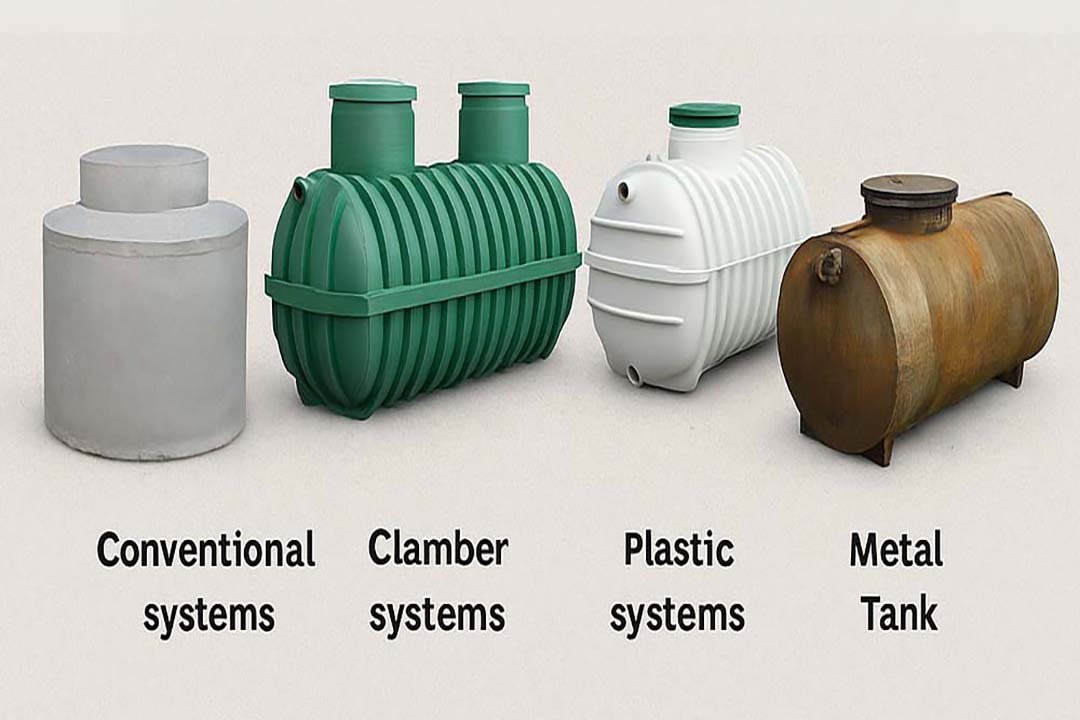
There are several types of septic tank systems, each designed for different property sizes, soil conditions, and water usage needs. The three most common are conventional systems, chamber systems, and aerobic treatment units (ATUs).
- Conventional systems use a simple design: wastewater flows from the home to the tank, where solids settle and liquids disperse into a drain field.
- Chamber systems replace traditional gravel drain fields with plastic chambers, making them easier to install and maintain in areas with high groundwater or poor soil.
- ATUs use oxygen to speed up waste breakdown, offering cleaner effluent ideal for environmentally sensitive sites.
Each system type has its advantages, but all require proper septic installation, routine maintenance, and professional inspections to ensure optimal function something Dillon Septic specializes in.
Best Type of Septic Tank
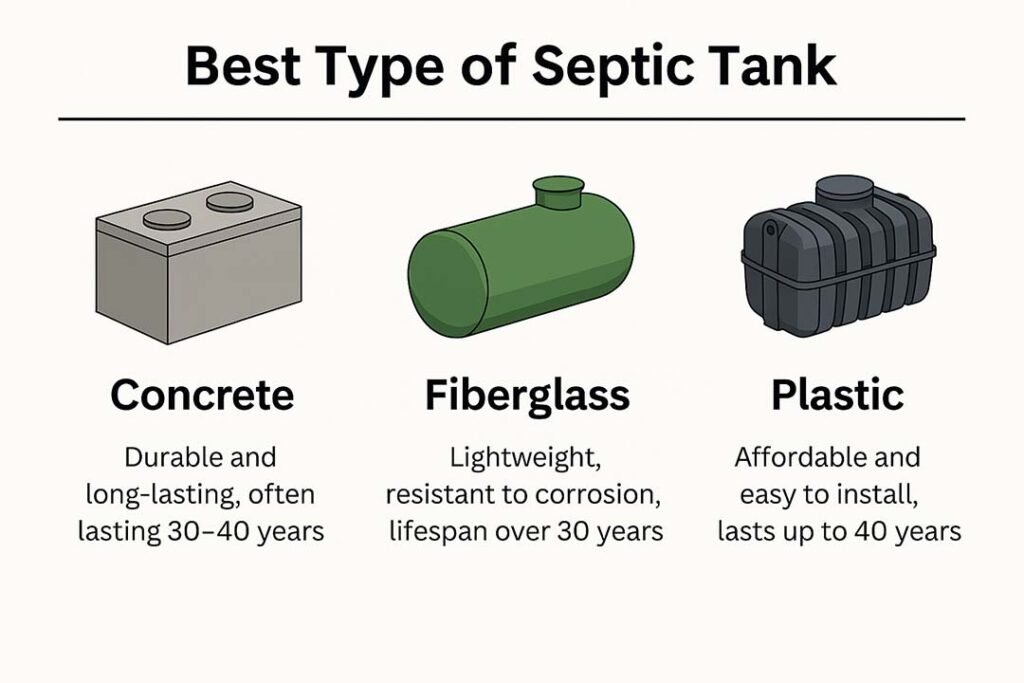
Determining the best type of septic tank depends on several factors, including your property’s soil type, water usage, and budget. The most popular materials for tanks include concrete, fiberglass, and plastic (polyethylene).
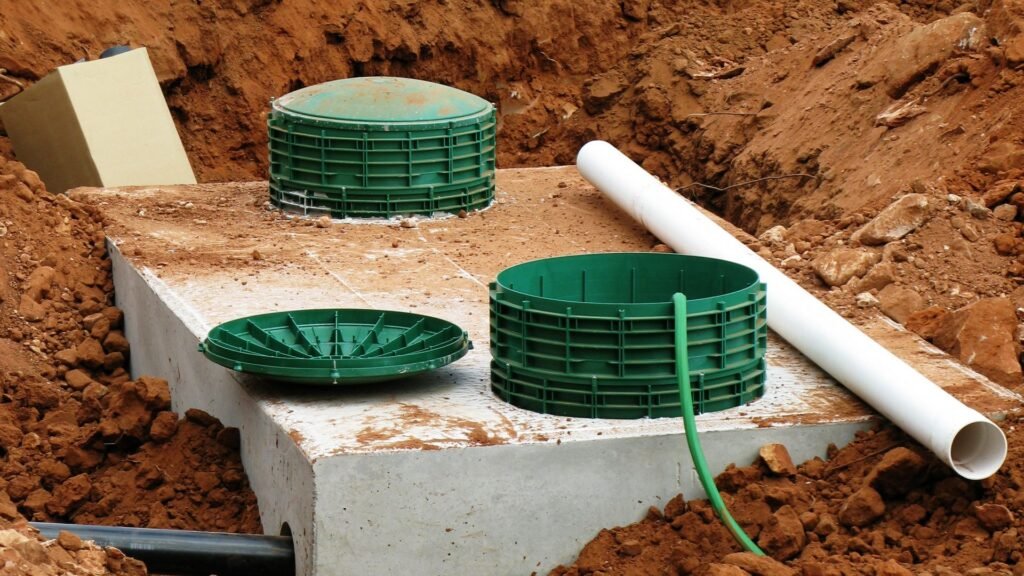
- Concrete tanks are durable and long-lasting, often lasting 30–40 years when maintained properly. They are ideal for larger homes and properties with stable soil.
- Fiberglass tanks are lightweight, resistant to corrosion, and offer a lifespan of over 30 years with minimal maintenance.
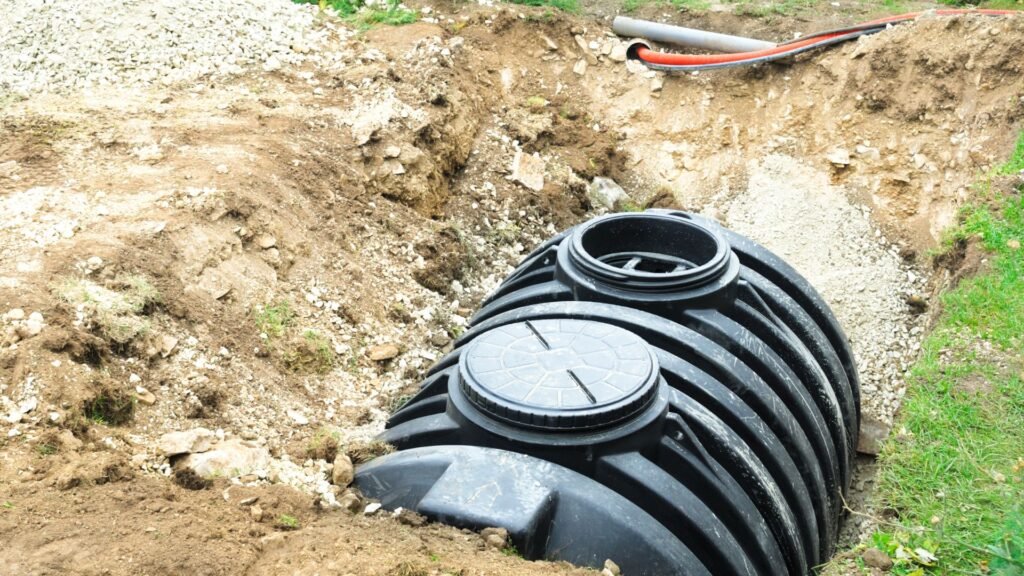
- Plastic tanks are affordable and easy to install, providing reliable performance for up to 40 years.
If you’re unsure which option suits your property best, Dillon Septic can assess your site and recommend the most efficient, cost-effective solution.
Types of Septic Tank Filters

Every septic system benefits from a good filtration component. Types of septic tank filters include:
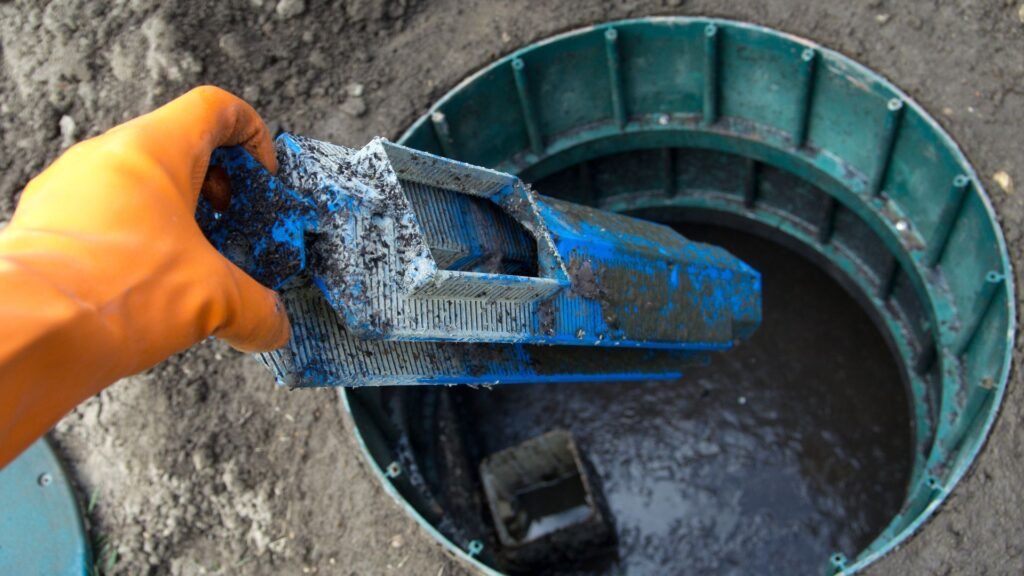
- Effluent filters: These prevent solids from leaving the tank and entering the drain field.
- Outlet filters: Installed at the tank’s exit, they catch debris before it clogs the drainage system.
- Media filters: Using sand, peat, or synthetic fibers, these filters further clean wastewater before it disperses into the soil.
Routine filter maintenance prevents system backups and extends the lifespan of your septic system a service Dillon Septic provides as part of our scheduled maintenance programs.
Different Types of Septic Tanks
When choosing between different types of septic tanks, it’s important to weigh durability, maintenance needs, and installation costs.
| Tank Type | Average Lifespan | Advantages | Considerations |
|---|---|---|---|
| Concrete | 30–40 years | Durable, strong, long-lasting | Heavy, can crack if soil shifts |
| Plastic | 30–40 years | Lightweight, affordable | Can deform under heavy loads |
| Fiberglass | 30+ years | Corrosion-resistant, easy to install | May crack if handled improperly |
| Steel | 15–20 years | Low upfront cost | Susceptible to rust and corrosion |
Modern septic systems primarily use concrete, fiberglass, or plastic tanks, as steel tanks are prone to rust and are rarely installed today.
What Are the 3 Types of Septic Systems?
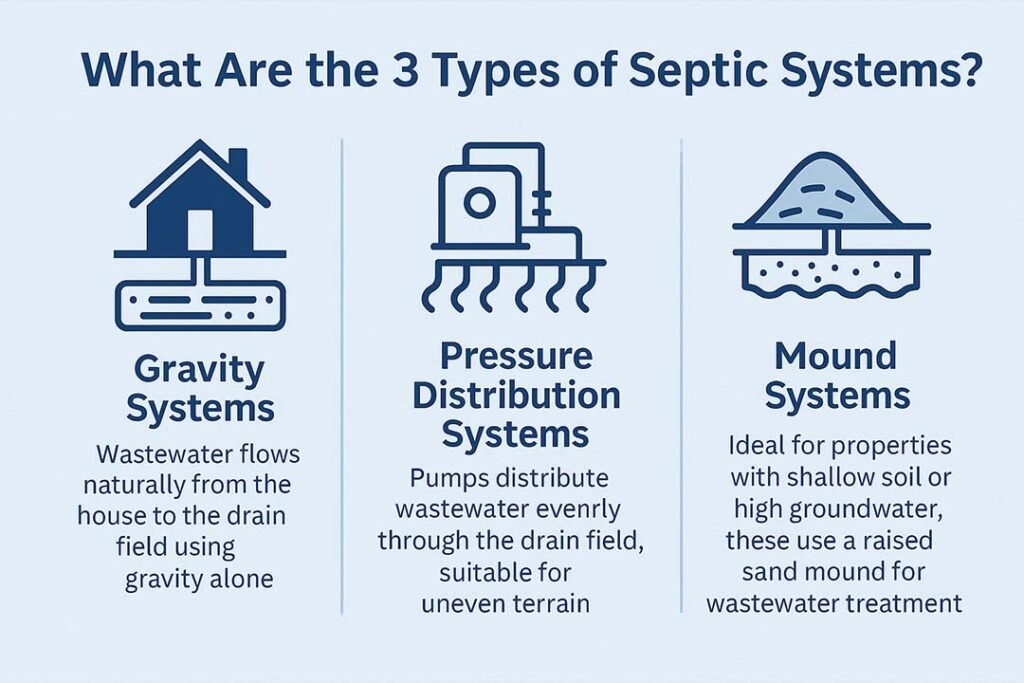
When homeowners ask, “What are the 3 types of septic systems?”, the most common classifications are:
- Gravity Systems – Wastewater flows naturally from the house to the drain field using gravity alone.
- Pressure Distribution Systems – Pumps distribute wastewater evenly through the drain field, suitable for uneven terrain.
- Mound Systems – Ideal for properties with shallow soil or high groundwater, these use a raised sand mound for wastewater treatment.
Each of these types of septic systems requires professional installation and specific maintenance schedules to perform efficiently.
Old Types of Septic Systems
Older septic systems often differ significantly from today’s modern designs. Old types of septic systems include:
- Cesspools, which combine the tank and drain field into one pit (now outdated and banned in many areas).
- Single-chamber concrete tanks, which offer limited separation and are prone to overflow.
- Brick or stone-lined pits, used decades ago but no longer compliant with current sanitation standards.
If your home still operates on an older system, Dillon Septic recommends upgrading to a modern, environmentally safe design to meet today’s health codes and efficiency standards.
What Are the 3 Types of Septic Systems with Pictures
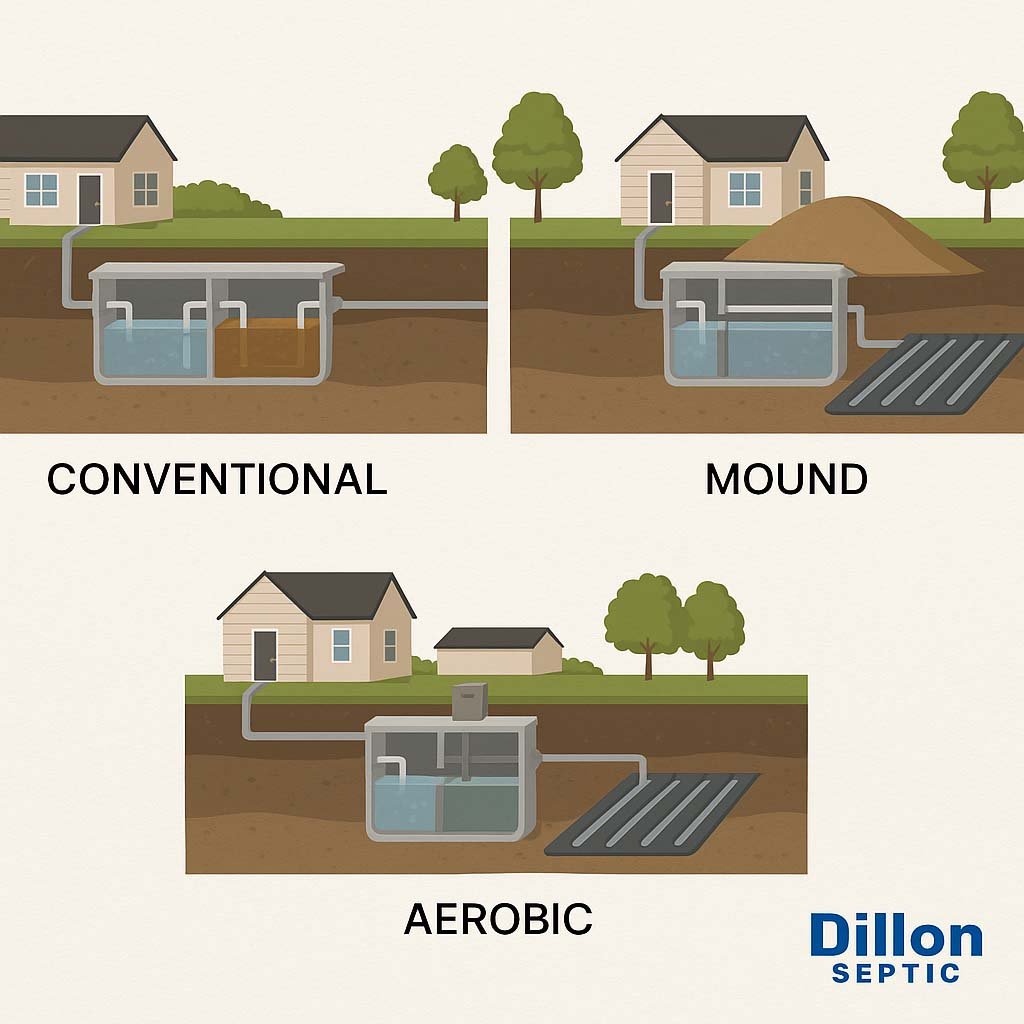
While we can’t show images here, homeowners often visualize the 3 types of septic systems with pictures to understand how they work:
- Conventional systems show a simple tank and drain field layout.
- Mound systems feature elevated soil mounds above the ground surface.
- Aerobic systems often include small pumps and oxygenation chambers.
Visual references help explain how each system treats wastewater differently something Dillon Septic explains in detail during on-site consultations.
Septic System Types and Cost
The cost of different septic system types varies widely based on tank material, property size, and local soil conditions. On average:
| Septic System Type | Installation Cost | Lifespan | Maintenance |
|---|---|---|---|
| Concrete System | $3,000–$6,500 | 30–40 years | Moderate |
| Fiberglass System | $3,500–$7,200 | 30–40 years | Low |
| Plastic System | $2,300–$5,300 | 30–40 years | Low |
| Mound or ATU System | $8,000–$15,000+ | 20–30 years | High |
While the upfront investment may seem significant, regular maintenance keeps costs manageable and prevents expensive repairs down the road.
Dillon Septic helps customers evaluate installation and maintenance costs to find the most practical long-term solution.
Types of Septic Systems for Small Lots
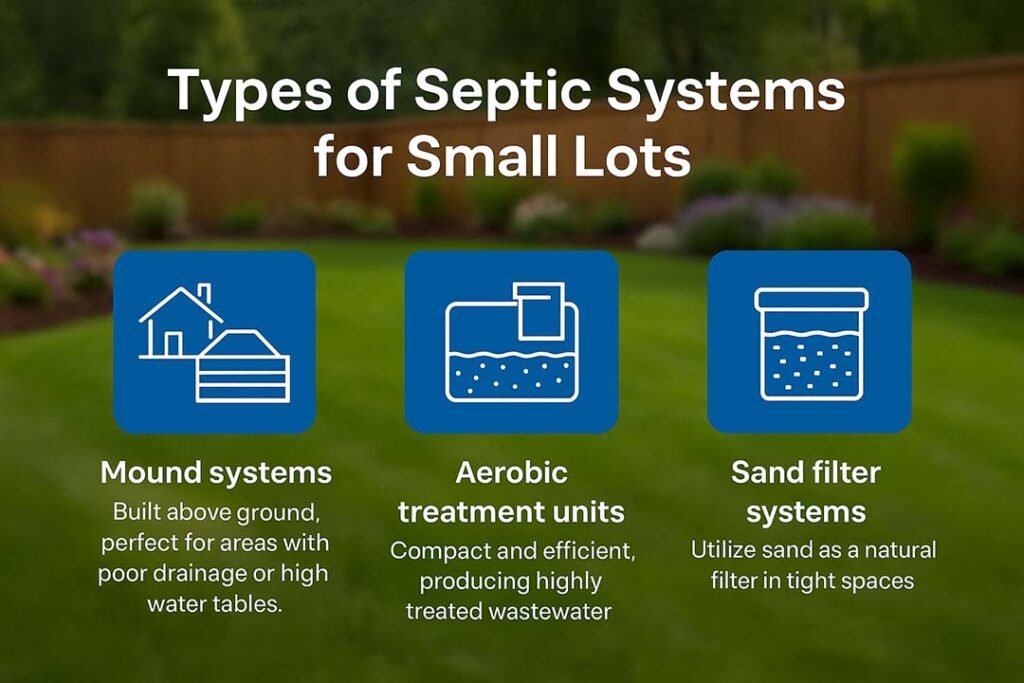
If you own a smaller property, you still have great options for efficient wastewater management. Common types of septic systems for small lots include:
- Mound systems: Built above ground, perfect for areas with poor drainage or high water tables.
- Aerobic treatment units: Compact and efficient, producing highly treated wastewater.
- Sand filter systems: Utilize sand as a natural filter in tight spaces.
These systems minimize land usage while maintaining safe, eco-friendly wastewater treatment making them ideal for urban and suburban homeowners.
Maintenance Tips for All Types of Septic Tanks
Regardless of the system you choose, longevity depends on routine maintenance:
- Pump your tank every 3–5 years depending on household size.
- Avoid flushing non-biodegradable materials.
- Limit use of harsh chemicals that kill beneficial bacteria.
- Schedule regular inspections by professionals like Dillon Septic.
Following these simple steps can extend your system’s lifespan and prevent costly repairs.
Frequently Asked Questions
What are the most common types of septic tanks used today?
The most popular types of septic tanks are concrete, fiberglass, and plastic due to their durability, corrosion resistance, and cost-effectiveness.
Which type of septic tank lasts the longest?
Concrete tanks can last over 40 years with regular maintenance, while fiberglass and plastic models average 30–40 years.
How do I choose the right septic tank for my home?
Consider soil conditions, property size, water usage, and local regulations. A professional inspection from Dillon Septic ensures the perfect match.
What is the best septic system for small lots?
Aerobic treatment units and mound systems work best for small or restricted properties because they require less land.
Conclusion
Understanding the types of septic tanks helps homeowners make informed decisions about installation, maintenance, and long-term value. Concrete, fiberglass, and plastic tanks each offer unique benefits, and the right choice depends on your property’s conditions and budget.
At Dillon Septic, we provide expert guidance, professional installation, and reliable maintenance services for all types of septic systems. Whether you need help choosing the best type of septic tank or upgrading an old system, our team is here to help you keep your home’s wastewater system efficient, safe, and compliant for decades.