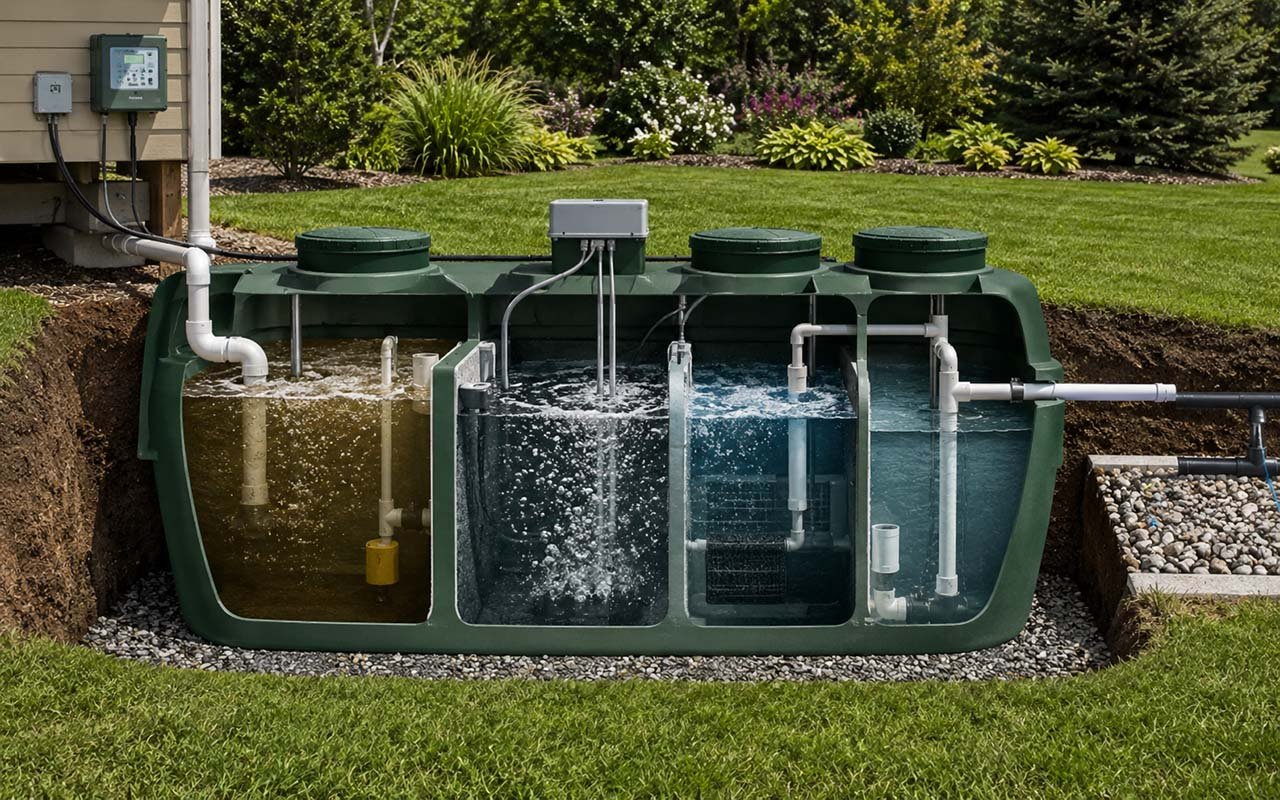
Many property owners researching wastewater treatment eventually ask, are aerobic septic systems common in Texas? The short answer is yes. Aerobic systems are widely used across the state, especially in areas where traditional septic systems may not perform efficiently due to soil conditions, lot sizes, or environmental regulations.
Texas has a diverse landscape that includes rocky terrain, clay-heavy soils, and environmentally sensitive regions. These factors often influence the type of septic system approved for residential and commercial properties. As a result, aerobic treatment units have become a common solution for thousands of homeowners throughout the state.
From our experience working with septic systems, many Texas property owners are surprised to learn that aerobic systems are not considered a specialty option anymore. In many counties, they have become a standard choice because they provide a higher level of wastewater treatment than conventional systems.
Why Aerobic Septic Systems Are Popular in Texas
Aerobic septic systems have gained popularity because they can treat wastewater more effectively than conventional anaerobic systems. Instead of relying primarily on naturally occurring bacteria that thrive without oxygen, aerobic units introduce oxygen into the treatment process.
The added oxygen supports beneficial bacteria that break down waste more rapidly and efficiently. This process produces cleaner effluent before it is dispersed into the environment.
Texas regulators and local permitting authorities often favor these systems in areas where environmental protection is a concern. Aerobic treatment can reduce pollutants and improve wastewater quality before discharge.
In many growing communities, aerobic systems help property owners meet local requirements while maintaining reliable wastewater treatment. This combination of performance and compliance has contributed significantly to their widespread use across Texas.
Understanding How Aerobic Septic Systems Work
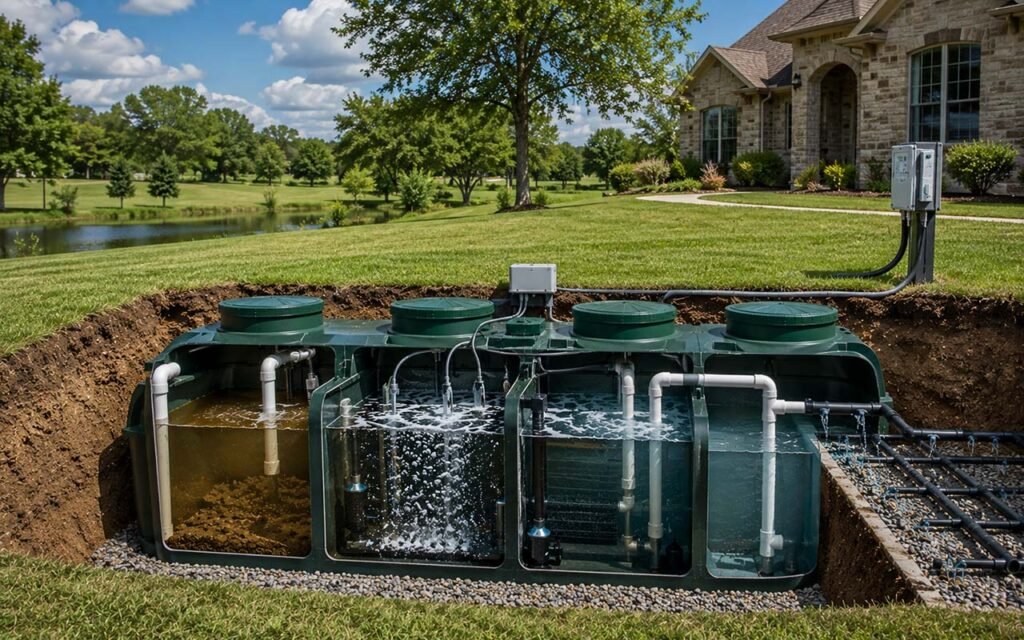
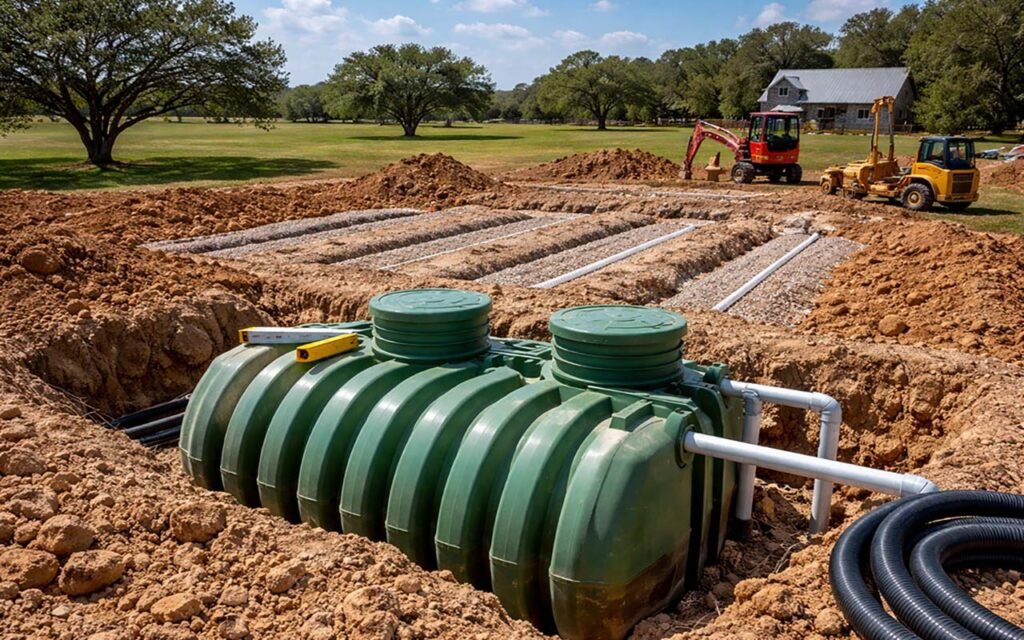
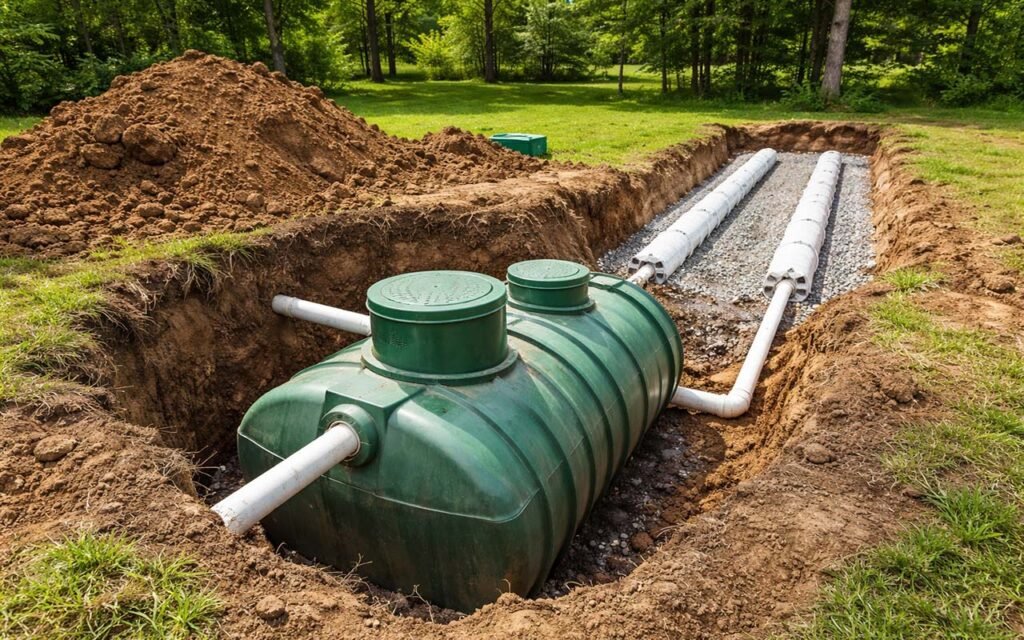
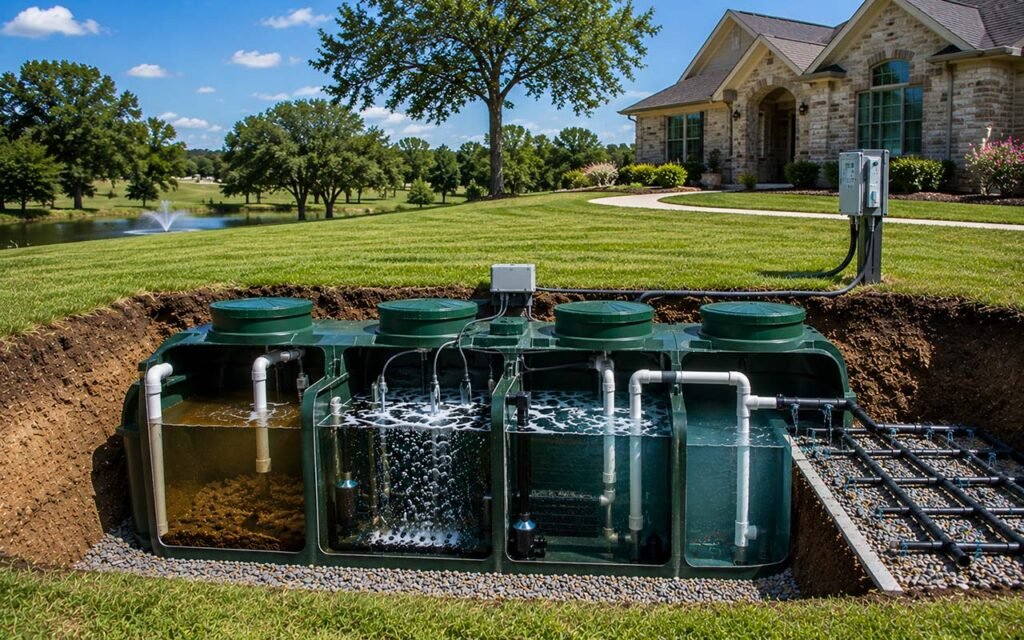
An aerobic septic system uses multiple treatment stages to process wastewater. The system generally includes a trash tank, an aeration chamber, a clarification compartment, and a spray or drip dispersal system.
Wastewater enters the initial tank where larger solids begin settling. The liquid then moves into the aeration chamber where an air pump introduces oxygen. This oxygen-rich environment encourages aerobic bacteria to digest organic material more efficiently.
After treatment, the clarified water passes through additional stages before being distributed across the property. The result is wastewater that has undergone more advanced treatment than what occurs in many traditional septic systems.
One reason these systems are common throughout Texas is their ability to function effectively in areas where soil absorption alone may not provide sufficient treatment.
Where Aerobic Systems Are Most Common in Texas
While aerobic units can be found throughout the state, they are particularly common in regions with challenging soil conditions or strict environmental regulations.
Several factors often influence system selection:
• Heavy clay soils that drain poorly
• Small residential lots with limited drain field space
• Properties near lakes, rivers, and sensitive watersheds
• Areas with shallow soil depths
• Locations where groundwater protection is a priority
Many counties throughout Central Texas, the Texas Hill Country, and rapidly developing suburban areas frequently utilize aerobic treatment systems because conventional septic designs may not meet local requirements.
In our field experience, homeowners moving from urban areas are often unfamiliar with aerobic systems until they purchase property in these regions.
Aerobic vs Conventional Septic Systems
The differences between aerobic and conventional systems help explain why aerobic treatment has become so common throughout Texas.
| Feature | Aerobic System | Conventional System |
|---|---|---|
| Treatment Level | Higher | Standard |
| Oxygen Use | Requires oxygen | No mechanical aeration |
| Suitable for Difficult Soils | Yes | Limited |
| Maintenance Requirements | Higher | Lower |
| Installation Flexibility | Greater | More restrictive |
| Environmental Protection | Enhanced | Moderate |
Although aerobic systems generally require more maintenance, they provide greater flexibility for properties that cannot support a traditional drain field.
Many homeowners ultimately choose aerobic treatment because it allows development of lots that might otherwise face wastewater disposal challenges.
Texas Soil Conditions and Their Impact on Septic Design
Texas contains a remarkable variety of soil types. Some regions have dense clay soils that absorb water very slowly. Others contain rocky limestone formations that make conventional wastewater treatment difficult.
When soil cannot adequately filter and disperse wastewater, local authorities often require alternative treatment methods. Aerobic systems are frequently selected because they produce cleaner effluent before discharge.
According to septic industry observations, poor soil conditions remain one of the leading reasons aerobic treatment units are installed across the state. Rather than relying entirely on soil for treatment, these systems perform much of the treatment process inside the unit itself.
This approach provides greater reliability and allows property owners to meet regulatory requirements while protecting nearby groundwater and surface water resources.
Maintenance Requirements for Aerobic Septic Systems
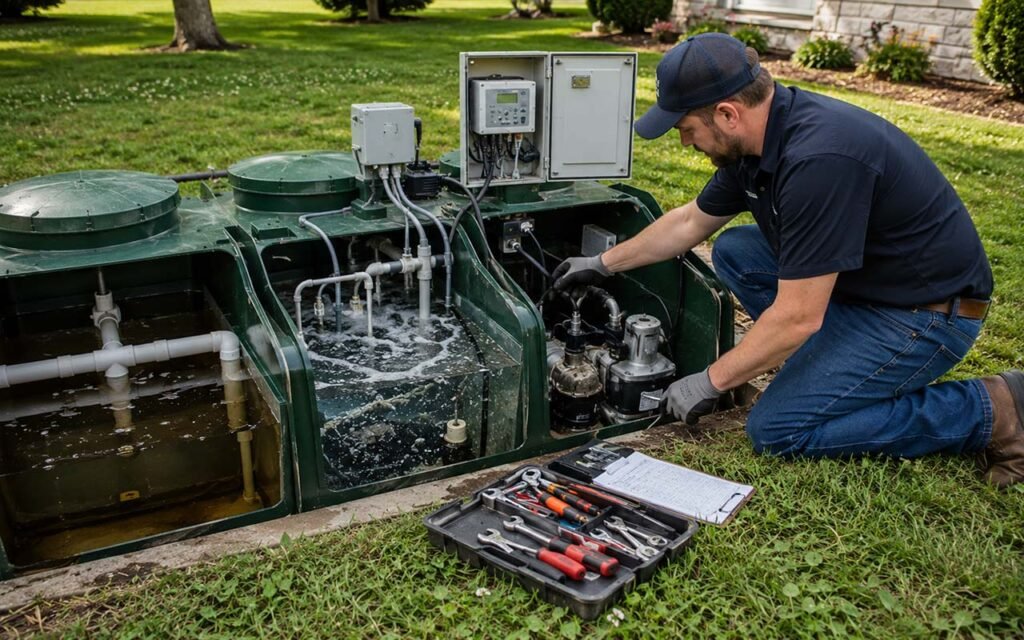
One reason homeowners ask whether aerobic septic systems are common in Texas is because they often hear these systems require more maintenance than conventional septic systems. While that is true, the maintenance requirements are usually straightforward when handled properly.
Aerobic treatment units contain mechanical components such as air pumps, control panels, and alarms. These parts must remain operational for the treatment process to work effectively. Most systems also require periodic inspections to verify that wastewater is being treated correctly.
Texas regulations often require maintenance agreements with licensed septic professionals. During these visits, technicians inspect equipment, test treatment performance, and ensure the system meets operational standards.
From our experience, routine maintenance is far less expensive than dealing with a major system failure. Property owners who follow recommended service schedules often enjoy decades of reliable performance from their aerobic systems.
If you’re considering an aerobic septic system maintenance or installation in Texas, Dillon Septic is here to help. Our experienced team understands Texas soil conditions, local regulations, and system requirements. We provide reliable aerobic septic system installation services designed for long-term performance, environmental compliance, and dependable wastewater treatment for your property.
Typical Lifespan and Long-Term Value
When properly maintained, an aerobic septic system can provide reliable service for 20 to 40 years or longer. Individual components such as air compressors, pumps, and spray heads may require replacement during that period, but the overall system can continue functioning effectively for decades.
Many homeowners initially focus on installation costs. However, long-term value often depends on system performance, environmental compliance, and property usability. Aerobic systems allow homes to be built on lots that may not support conventional septic designs.
A well-maintained system can also help protect property value. Buyers increasingly understand the importance of a properly functioning wastewater treatment system, especially in rural Texas communities.
In many cases, the additional maintenance expenses are offset by the flexibility and treatment quality that aerobic systems provide.
Common Misconceptions About Aerobic Systems
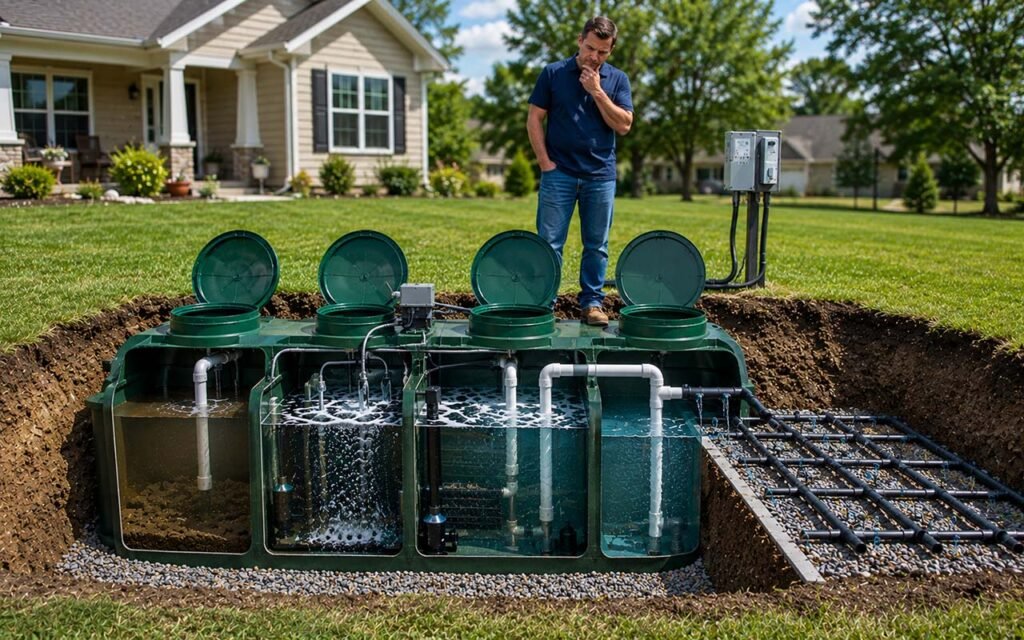
Several misconceptions continue to circulate regarding aerobic septic systems. These misunderstandings sometimes discourage homeowners from considering a system that may actually be the best fit for their property.
One common myth is that aerobic systems constantly break down. In reality, most failures occur because of neglected maintenance or improper usage rather than equipment defects.
Another misconception is that these systems are only used on large commercial properties. Across Texas, thousands of single-family homes rely on aerobic treatment units every day.
Property owners also sometimes believe aerobic systems eliminate all maintenance requirements. While they are highly effective treatment systems, they still require professional oversight and routine inspections.
Understanding how the system functions helps homeowners make informed decisions and avoid unnecessary concerns about ownership.
Signs an Aerobic Septic System May Need Attention
Like any wastewater treatment system, aerobic units can develop problems if maintenance is ignored or components wear out. Recognizing warning signs early can help prevent larger repairs.
Common indicators include:
• Alarm lights or warning signals on the control panel
• Unpleasant odors near the treatment unit
• Excessively wet areas around spray fields
• Slow drains throughout the home
• Unusual noises from air pumps or mechanical components
• Poor vegetation growth in dispersal areas
In our experience, many minor issues can be corrected quickly when identified early. Waiting too long often allows small problems to become more expensive repairs.
If any of these symptoms appear, homeowners should schedule an inspection with a qualified septic professional as soon as possible.
Texas Regulations and Inspection Requirements
Texas has specific regulations governing the installation, operation, and maintenance of aerobic septic systems. These requirements help protect public health and environmental quality.
The state regulates on-site sewage facilities through the Texas Commission on Environmental Quality. Local authorities may also enforce additional requirements depending on county regulations and environmental conditions.
Many aerobic systems require:
• Regular operational inspections
• Maintenance contracts
• Performance monitoring
• Proper record keeping
• Timely repairs when deficiencies are discovered
These requirements may seem extensive, but they contribute to the high treatment standards that make aerobic systems an effective wastewater solution.
Homeowners should familiarize themselves with local regulations to ensure continued compliance and avoid potential penalties.
Are Aerobic Septic Systems Worth It for Texas Homeowners?
For many Texas properties, aerobic treatment systems are not simply an option. They are often the most practical solution available.
The ability to provide advanced wastewater treatment makes these systems valuable in areas with difficult soil conditions, limited space, or environmental restrictions. Their widespread adoption across Texas reflects their effectiveness rather than a temporary trend.
From our field observations, homeowners who understand their system and follow recommended maintenance schedules generally report positive long-term experiences. The combination of treatment performance, regulatory compliance, and installation flexibility makes aerobic systems a strong choice for many properties.
While every site should be evaluated individually, aerobic treatment units continue to play a major role in Texas wastewater management and are expected to remain common for years to come.
Frequently Asked Questions
Why are aerobic septic systems so common in Texas?
Many areas of Texas have soil conditions, lot sizes, or environmental regulations that make conventional septic systems less practical. Aerobic treatment units provide higher-quality wastewater treatment and greater installation flexibility.
How often should an aerobic septic system be serviced?
Most aerobic systems should be professionally inspected several times per year depending on local regulations and maintenance agreement requirements. Regular service helps prevent equipment failures and maintains treatment efficiency.
Do aerobic septic systems cost more than conventional systems?
Aerobic systems generally have higher installation and maintenance costs because they include mechanical equipment and monitoring requirements. However, they often provide solutions where conventional systems cannot be installed.
How long does an aerobic septic system last?
A properly maintained aerobic septic system can last 20 to 40 years or longer. Individual components such as pumps and compressors may require replacement during the system’s lifespan.
What happens if an aerobic septic system stops working?
If a system malfunctions, treatment quality may decline and alarms may activate. Prompt professional inspection and repair are important to prevent environmental issues and costly damage.
Conclusion
So, are aerobic septic systems common in Texas? The answer is clearly yes. These systems have become a widely accepted wastewater treatment solution throughout the state due to their ability to handle challenging soil conditions, meet environmental requirements, and provide advanced treatment performance.
Although aerobic systems require more maintenance than conventional septic systems, their benefits often outweigh the additional responsibilities. They allow many Texas homeowners to safely and effectively manage wastewater on properties where traditional systems may not be suitable.
With proper installation, regular inspections, and ongoing maintenance, an aerobic septic system can provide reliable service for decades. For many Texas property owners, it remains one of the most effective and practical septic solutions available today.