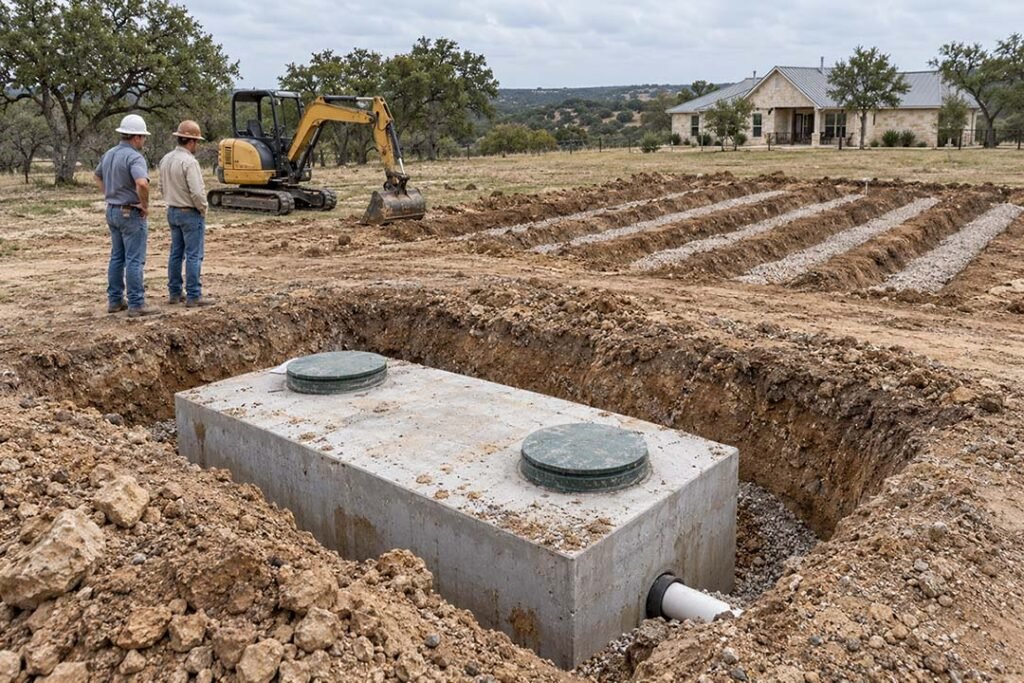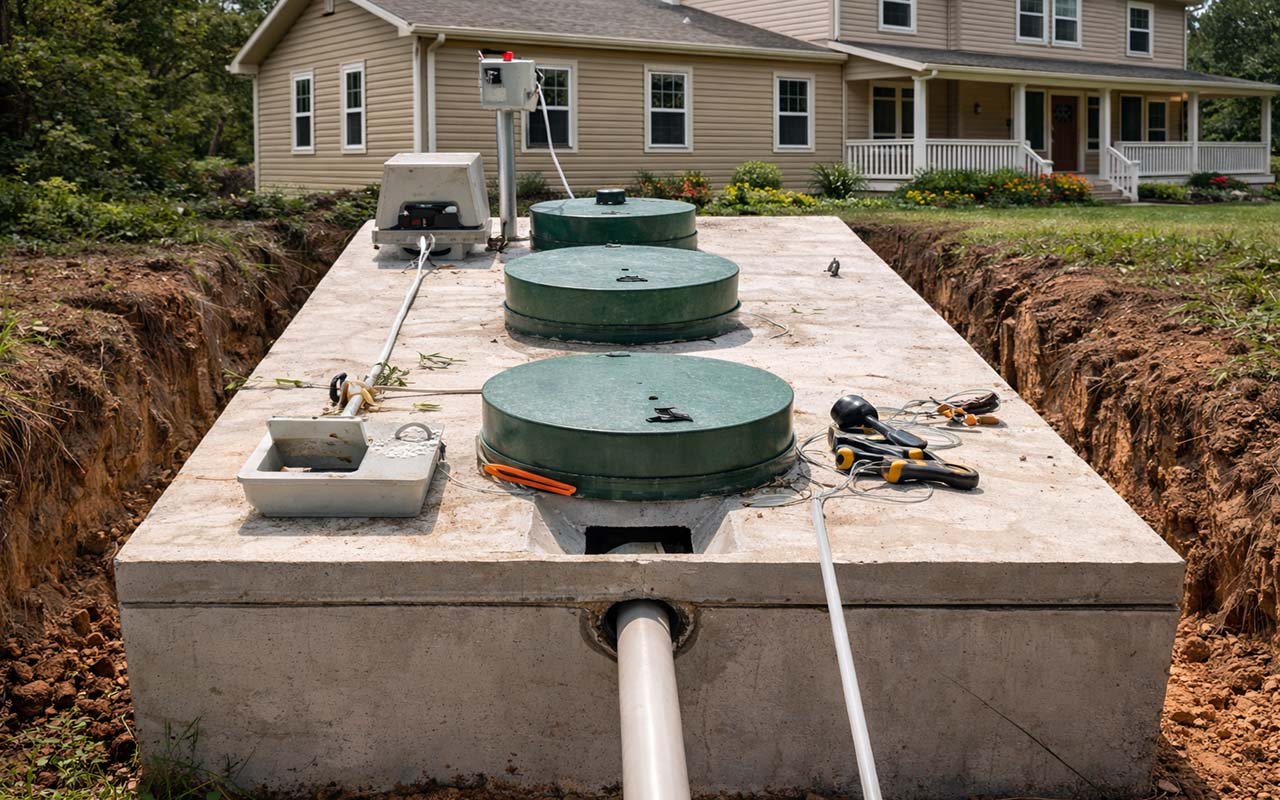
Septic systems are common across rural and semi rural areas of Texas. Many properties sit outside city sewer service, so homeowners depend on on site wastewater treatment systems to manage household waste safely. One question that property owners frequently ask is whether are aerobic septic systems required in Texas or if traditional septic systems can still be used.
The answer depends on several factors such as soil conditions, property size, and local environmental rules. In many areas of Texas, aerobic treatment units are required because they provide better wastewater treatment than conventional septic systems. However, they are not mandatory for every property. Understanding how Texas regulations work can help homeowners choose the right system and avoid costly mistakes during installation.
This guide explains when aerobic systems are required, how Texas regulates septic installations, and why these systems are commonly used across the state.
Understanding Septic System Regulations in Texas
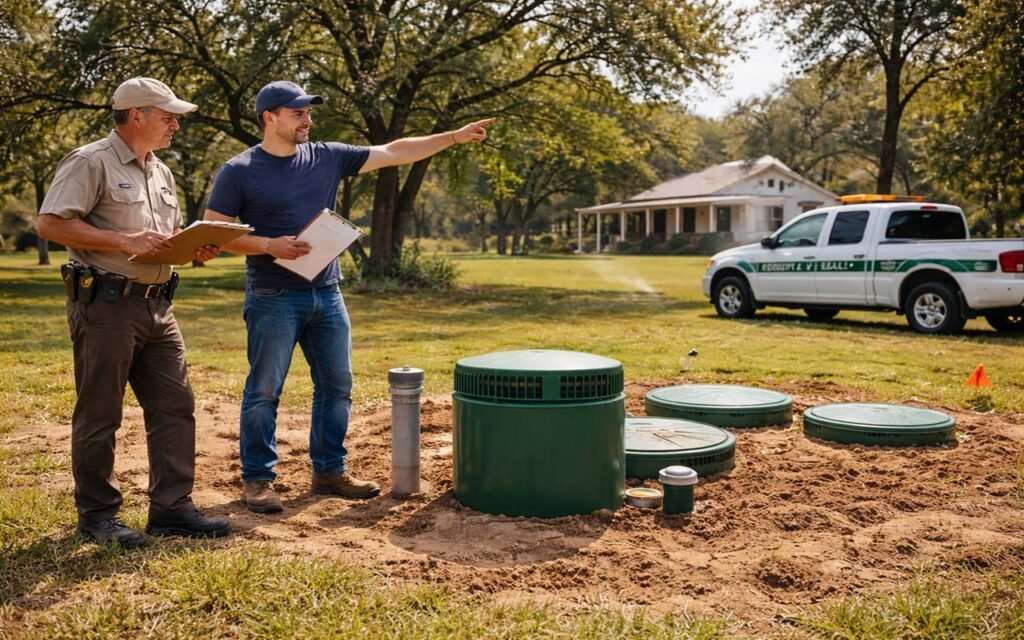
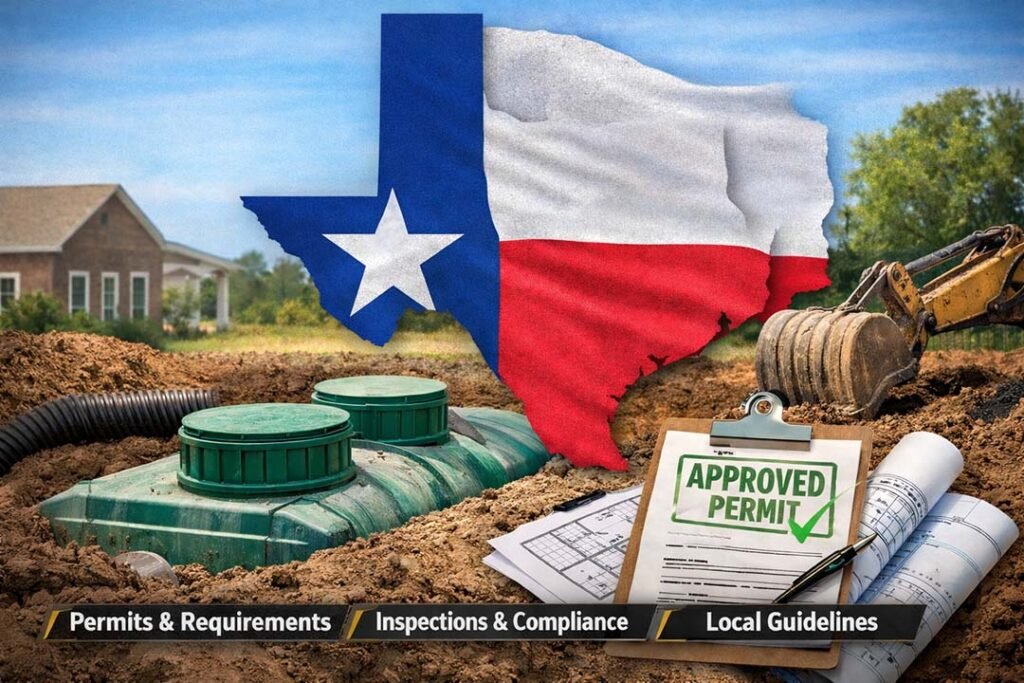
Texas regulates on site sewage facilities through the Texas Commission on Environmental Quality. These rules help protect groundwater, lakes, and public health by ensuring wastewater is treated properly before returning to the environment.
Local authorities such as county health departments or licensed installers often enforce these regulations at the county level. This means septic requirements can vary from one location to another depending on soil conditions and environmental sensitivity.
The state generally allows two main types of residential septic systems
- Conventional anaerobic septic systems
- Aerobic treatment units
Both systems treat wastewater, but they work in different ways and offer different levels of treatment.
According to the Texas Commission on Environmental Quality, more than 2.6 million homes in Texas rely on on site sewage facilities, making proper septic design an important public health issue.
What Is an Aerobic Septic System
An aerobic septic system uses oxygen to help bacteria break down waste more efficiently. Air is pumped into the treatment chamber where aerobic bacteria digest organic material faster than bacteria in conventional systems.
Because of this process, aerobic systems produce cleaner wastewater before it enters the soil or spray field.
A typical aerobic treatment system includes
- Trash tank or pretreatment chamber
- Aeration chamber where oxygen is introduced
- Clarifier that separates solids
- Disinfection unit such as chlorine or UV treatment
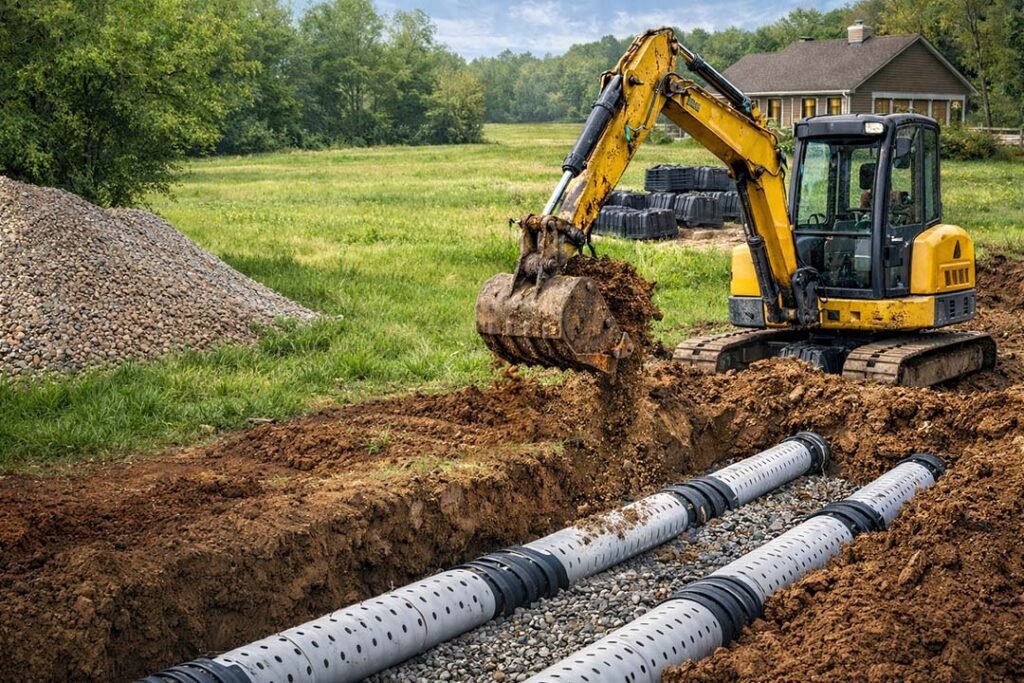
- Spray distribution field
These systems are often used when soil conditions are poor or when environmental protection is a priority.
Are Aerobic Septic Systems Required in Texas
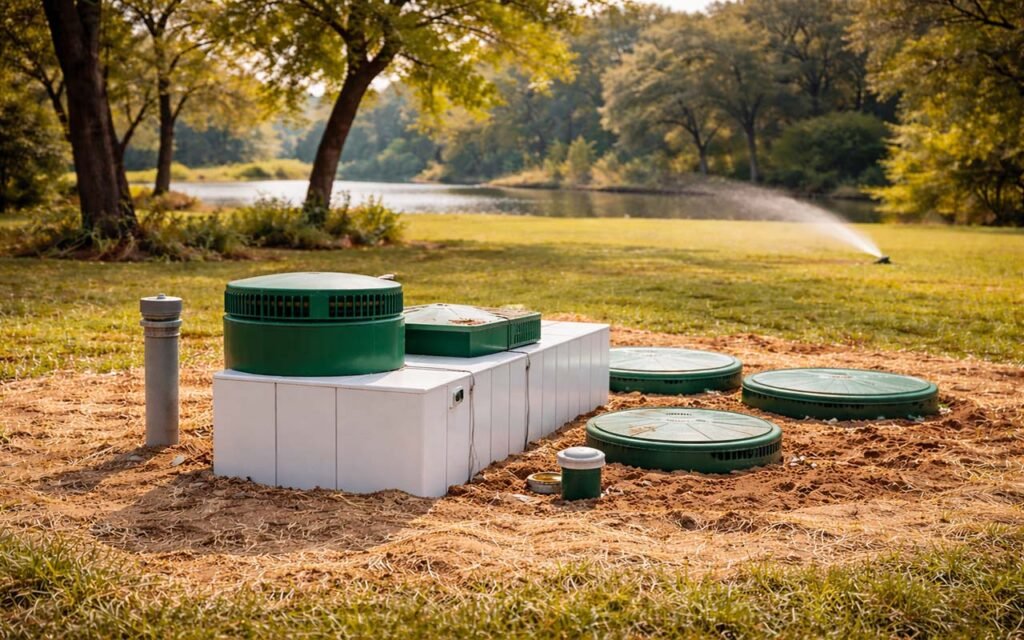
The short answer is no. Aerobic septic systems are not required everywhere in Texas. However, they are often mandatory in certain situations where conventional systems cannot safely treat wastewater.
Several conditions may require the use of aerobic systems
Small Property Size
Properties smaller than one acre often lack enough space for a conventional drain field. Aerobic systems treat wastewater more thoroughly, allowing treated water to be distributed through spray irrigation systems instead of large soil absorption areas.
Poor Soil Conditions
Texas has many areas with clay heavy soil that drains poorly. Conventional systems rely on soil filtration, so poor drainage can lead to wastewater pooling or system failure.
Aerobic treatment units are commonly required in these areas because they produce cleaner effluent before it reaches the soil.
High Water Tables
In locations where groundwater sits close to the surface, wastewater must be treated more thoroughly to prevent contamination. Aerobic systems reduce the risk of bacteria reaching groundwater supplies.
Environmentally Sensitive Areas
Areas near lakes, rivers, or drinking water sources may require higher levels of wastewater treatment. Aerobic systems are often approved for these situations because they provide stronger treatment than conventional systems.
Comparison Between Aerobic and Conventional Systems
The differences between these systems help explain why aerobic treatment units are often required in Texas.
| Feature | Conventional Septic System | Aerobic Septic System |
|---|---|---|
| Treatment method | Anaerobic bacteria | Oxygen driven aerobic bacteria |
| Wastewater quality | Moderate treatment | High level treatment |
| Drain field size | Large soil area required | Smaller spray field |
| Installation cost | Lower upfront cost | Higher initial cost |
| Maintenance needs | Low to moderate | Moderate to higher |
| Ideal for | Large rural properties | Small lots or poor soil areas |
This comparison shows why local regulators may require aerobic systems when soil conditions limit traditional septic design.
Why Aerobic Systems Are Common in Texas
Even when they are not strictly required, aerobic septic systems are widely used throughout Texas. Several factors make them well suited to the state’s environment.
Clay Soil Across Many Regions
Much of central and south Texas contains dense clay soils that drain slowly. Conventional septic systems struggle in these conditions because wastewater cannot filter effectively through the soil.
Aerobic treatment units help solve this issue by treating wastewater before distributing it through surface spray systems.
Growing Rural Development
As rural areas continue to develop, many new homes are built on smaller lots. Aerobic systems allow safe wastewater treatment even when space for a traditional drain field is limited.
Environmental Protection
Texas regulators aim to protect groundwater and lakes that provide drinking water and recreational use. Aerobic systems offer higher treatment levels that reduce environmental impact.
From a field perspective, installers often recommend aerobic systems because they provide more flexibility when dealing with challenging soil or property layouts.
Maintenance Requirements for Aerobic Systems
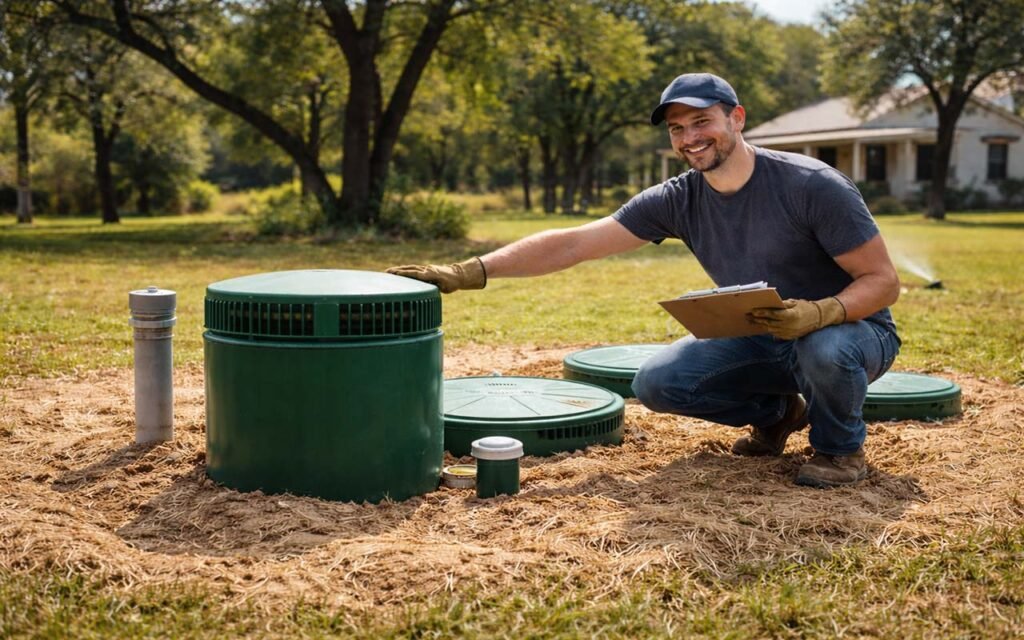
Aerobic septic systems require more maintenance than conventional septic systems. Because they rely on mechanical equipment such as air pumps and control panels, regular inspections are essential.
Typical maintenance includes
- Quarterly inspections by a licensed provider
- Checking air pumps and electrical components
- Monitoring disinfectant levels
- Inspecting spray heads and distribution lines
- Pumping sludge from the pretreatment tank
Most counties require homeowners to maintain a service contract with a licensed septic professional. This ensures the system continues to operate safely and meets regulatory standards.
A well maintained aerobic system can last 20 to 30 years, similar to traditional septic systems.
Real World Field Insight from Septic Professionals
In many Texas counties, installers encounter properties where conventional septic systems simply cannot function properly. Heavy clay soil and small lot sizes make wastewater absorption difficult.
A common situation involves new rural homes built on half acre or one acre properties. These properties often lack the space required for a traditional drain field.
In these cases, aerobic treatment units allow wastewater to be treated more thoroughly and safely distributed through spray irrigation. This approach protects groundwater while still allowing property development.
From a professional standpoint, aerobic systems provide a reliable solution when soil limitations would otherwise prevent septic installation.
Typical Aerobic Septic System Costs in Texas
Installation costs vary depending on site conditions, system size, and local regulations. However, homeowners can expect higher upfront costs compared to conventional systems.
| System Type | Average Installation Cost | Typical Lifespan |
|---|---|---|
| Conventional septic system | $5,000 to $9,000 | 20 to 30 years |
| Aerobic treatment unit | $10,000 to $20,000 | 20 to 30 years |
While aerobic systems cost more initially, they allow septic installation in locations where conventional systems would not be approved.
Regular maintenance costs may range from $300 to $600 per year, depending on service requirements.
Tips for Homeowners Installing a Septic System in Texas
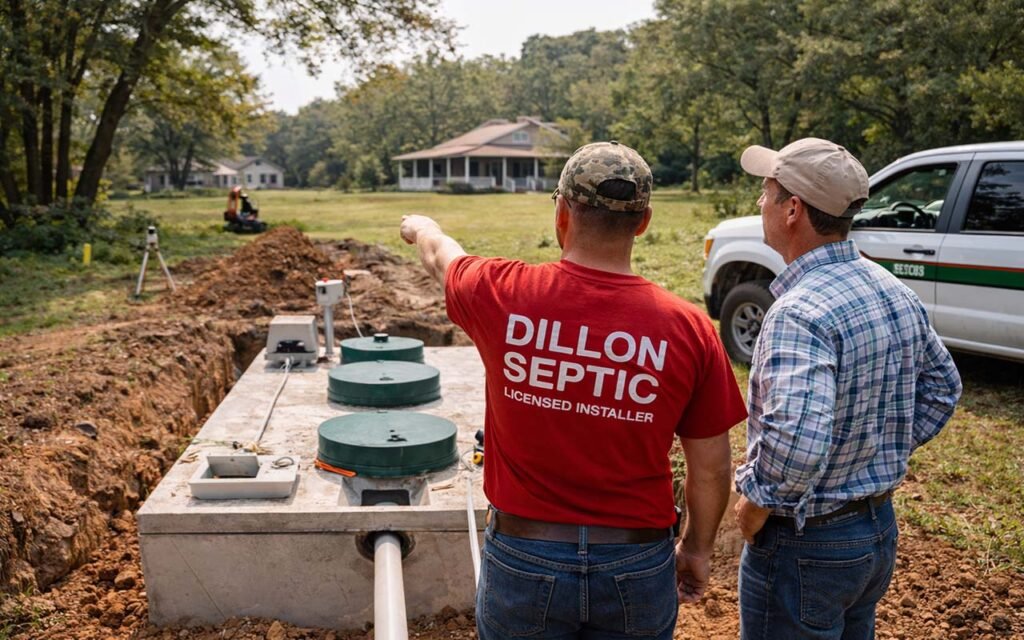
If you are planning to install a septic system, several steps can help ensure the process goes smoothly.
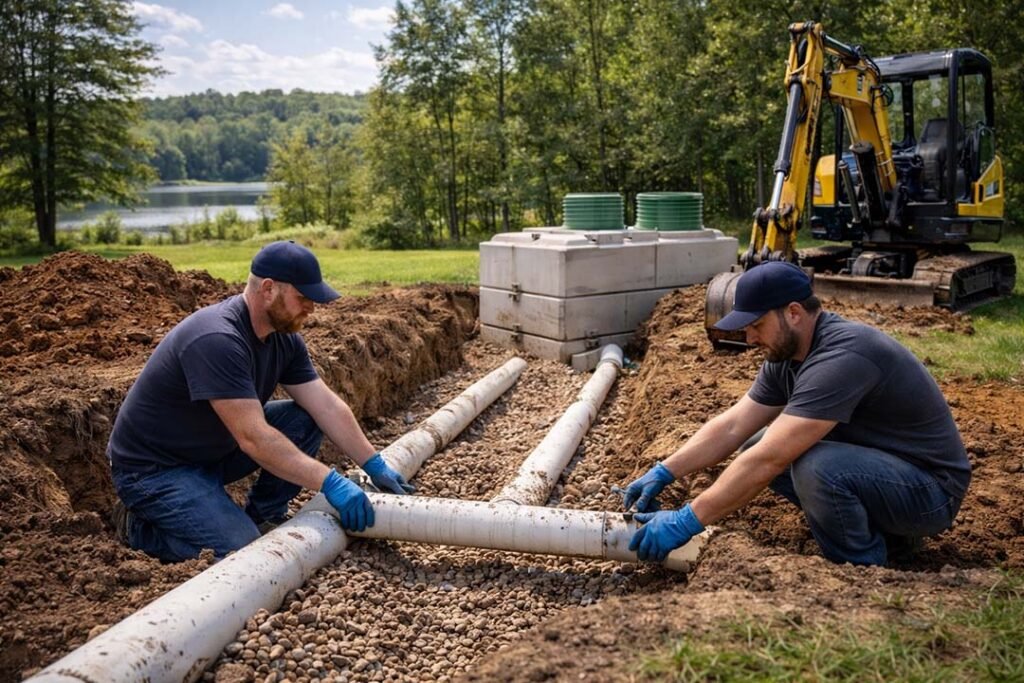
- Work with a licensed septic installer familiar with local regulations.
- Schedule a professional soil evaluation before designing the system.
- Confirm county requirements for system type and maintenance.
- Budget for long term maintenance costs if installing an aerobic unit.
- Avoid building structures over drain fields or spray areas.
Taking these steps helps homeowners avoid installation delays and ensures the septic system meets all regulatory requirements.
For homeowners planning septic system installation in Texas, working with an experienced local septic company is essential. Dillon Septic provides professional septic installation, inspections, and maintenance services, helping ensure systems meet Texas regulations and operate efficiently for long term property safety and wastewater management.
Frequently Asked Questions
How do aerobic septic systems work
Aerobic septic systems treat wastewater using oxygen. Air is pumped into a treatment chamber where aerobic bacteria break down waste more efficiently. The treated water then moves through a clarification stage and is disinfected before being released into a spray field or drainage area.
How much do aerobic septic systems cost
The cost of an aerobic septic system usually ranges between $10,000 and $20,000 in Texas. Pricing depends on property size, soil conditions, installation complexity, and local regulations. Additional yearly maintenance costs may range from $300 to $600.
Are aerobic septic systems good
Aerobic septic systems are effective for treating wastewater, especially in areas with poor soil drainage or small property sizes. They produce cleaner treated water than conventional systems and are often recommended when higher treatment levels are needed.
How long do aerobic septic systems last
A properly maintained aerobic septic system can last 20 to 30 years. Regular inspections, routine pumping, and maintaining mechanical components such as air pumps help extend the lifespan of the system.
Are aerobic septic systems more expensive
Yes, aerobic septic systems typically cost more than conventional septic systems. They require additional components like aerators, pumps, and disinfection units. However, they allow septic installation in areas where traditional systems may not work.
Are aerobic septic systems better
Aerobic systems provide a higher level of wastewater treatment compared to traditional septic systems. They are often considered better in areas with challenging soil conditions or environmental concerns, though they require more maintenance.
Final Thoughts
Aerobic septic systems are not required for every property in Texas, but they are often necessary when soil conditions, lot size, or environmental factors limit the use of conventional septic systems. These systems provide advanced wastewater treatment that helps protect groundwater and surface water.
For many homeowners across Texas, aerobic treatment units offer a reliable solution that allows septic systems to function effectively in challenging conditions. By working with experienced septic professionals and following maintenance requirements, property owners can ensure their systems operate safely for many years.
Understanding the rules and environmental factors involved can make septic system planning far easier. With the right system design and proper maintenance, homeowners can maintain efficient wastewater treatment while protecting the surrounding environment.