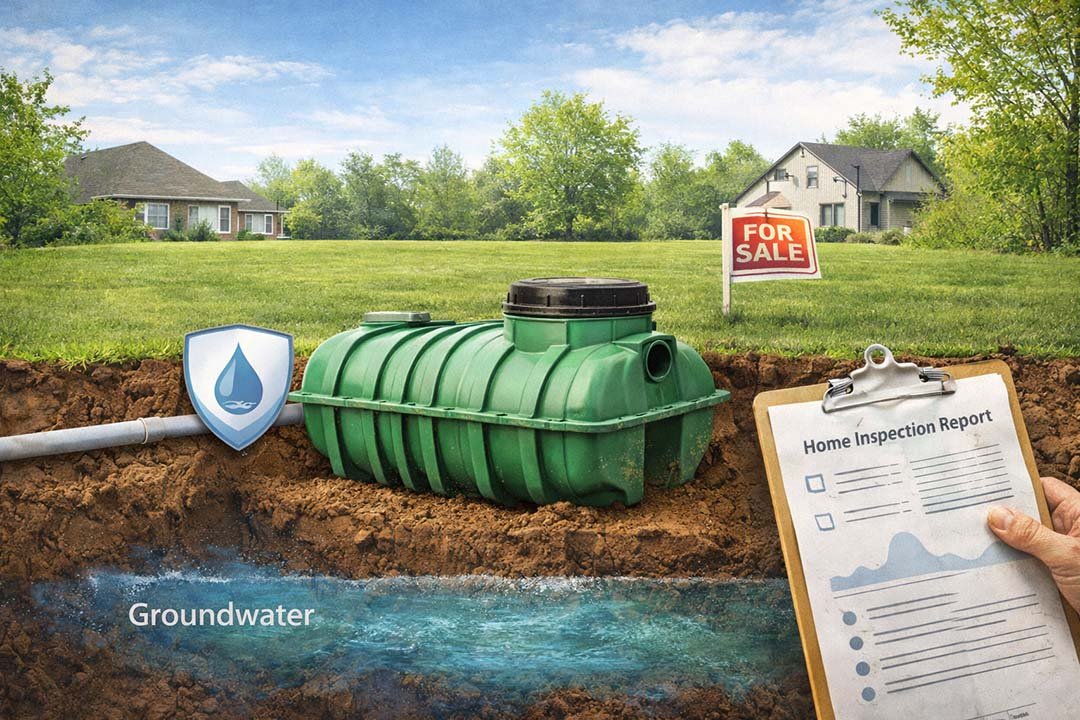
Septic tank replacement cost depends on more than the price of a new tank. Excavation, property access, existing connections, permits, and the condition of your system all influence the work involved. Before setting a budget, you need to know whether the tank has failed and what else needs attention.
Replacing the tank is also different from replacing the entire septic system. If the drainfield and other components remain suitable and functional, they may stay in service. Understanding that distinction helps you compare estimates without paying for unnecessary work or overlooking repairs your property needs.
How Much Does It Cost to Replace a Septic Tank?
There is no single replacement price that accurately applies to every property. Two homes with similar tanks can require very different amounts of work. One tank may be easy to reach, while another sits beneath deep soil, surrounded by rock or landscaping that limits equipment access.
A replacement quote may include pumping, excavation, handling the old tank, delivery, installation, pipe connections, inspections, and backfilling. An advertised tank price may cover only the component itself. Ask for an estimate based on your property and a written explanation of what the contractor includes.
What Is Included in Septic Tank Replacement?
The process starts with evaluating the existing system. The contractor needs to establish why the tank requires replacement, check its connections, and determine whether other components can remain. This helps prevent a new tank from being installed without addressing the actual cause of the problem.
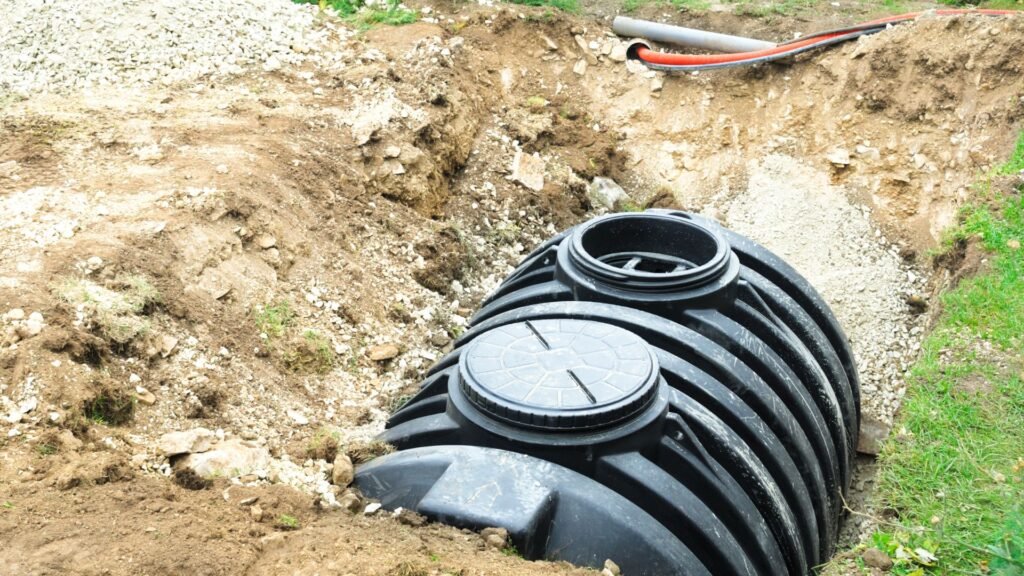
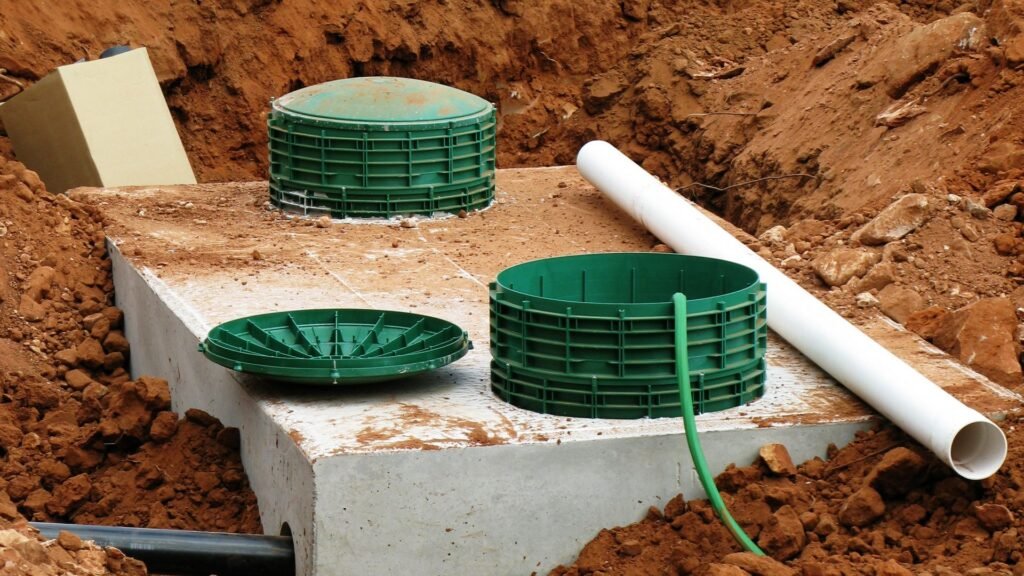
Once the project is planned and authorized, the work can involve pumping the existing tank, exposing it, disconnecting piping, and handling the old structure. The replacement is then positioned and connected to the components staying in service. Required inspections, backfilling, and agreed site restoration complete the project.
What Affects Septic Tank Replacement Cost?
Tank capacity, material, and configuration influence purchasing, delivery, handling, and installation requirements. The replacement must suit the system and applicable requirements. Choosing a smaller or cheaper tank without confirming its suitability can create problems that outweigh any initial savings.
Burial depth and excavation conditions also matter. A deeper tank can require more digging and different access arrangements. Limestone, difficult soil, or groundwater can complicate the work. These conditions need to be assessed at the property rather than treated as a standard charge on every estimate.
Equipment access is another consideration. Fences, narrow gates, buildings, utilities, and mature landscaping can restrict movement. Existing connections may add work too. Damaged inlet or outlet piping, deteriorated risers, and unsuitable fittings can require attention when the new tank is installed.
Septic Tank Replacement vs Complete System Replacement
Tank replacement focuses on one major component while retaining other suitable parts of the system. Complete replacement can extend to treatment equipment, pumps, controls, distribution lines, and the drainfield. It may also require additional design, electrical work, and a larger area of excavation.
Those are different projects, so their prices should not be compared as though they cover the same work. Ask whether the estimate includes only the tank and necessary connections or a broader replacement. Our septic system replacement cost guide explains the larger project in more detail.
Can You Keep the Existing Drainfield?
You may be able to replace the tank while keeping the drainfield. A damaged tank does not automatically mean the disposal area has failed. However, its condition and suitability should be considered before the replacement plan is finalized.
If the property has recurring backups, wet areas, or other symptoms, the evaluation should look beyond the tank. A new tank alone will not restore a failing disposal area. If that portion also needs work, our drainfield replacement cost guide explains the separate factors involved.
Can a Septic Tank Be Repaired Instead?
Some tank problems can be repaired without replacing the structure. The decision depends on the damage, the tank’s overall condition, and whether a suitable repair is possible. An access component problem may require a different response from serious structural deterioration or collapse.
A crack also needs assessment before anyone recommends patching or replacement. Its location, depth, effect on structural integrity, and any leakage matter. Ask the contractor to explain why the proposed correction is appropriate. For related repair options, read our septic system repair cost guide.
Do You Need a Permit in Texas?
Yes. TCEQ’s homeowner guidance states that replacing a tank in an existing on-site sewage facility requires a permit. It distinguishes replacement from a tank repair performed without removing the tank. Such repairs are considered emergency repairs, with reporting required within 72 hours after work begins.
Contact the applicable permitting authority before replacement begins to confirm the process for your property. Ask who will prepare and submit the paperwork and coordinate inspections. Our Texas septic permit guide provides more background on planning for this part of the project.
What Happens to the Old Tank?
The estimate should explain how the existing tank will be handled. The appropriate procedure depends on the structure, site conditions, approved plan, and applicable requirements. Do not assume every replacement includes the same removal, disposal, or abandonment work.
Clarify whether pumping, excavation, transportation, disposal, and any required materials are included. Also ask what happens if the tank’s condition makes the planned approach impractical. Discussing these possibilities beforehand helps you understand which costs are fixed and which may change after excavation.
Will Replacement Solve the Problem?
Replacement should address a confirmed tank problem. It will not automatically repair a blocked household drain, damaged line, malfunctioning pump, or failing drainfield. That is why the diagnosis should explain how the tank contributes to the symptoms you are experiencing.
Age provides useful background, but it does not establish the full repair scope. Ask what the evaluation found and whether other issues need correction. A clear explanation helps you understand why replacement is recommended and what performance problems the work is expected to resolve.
How Long Does Replacement Take?
The construction work is only one part of the schedule. Evaluation, tank selection, permitting, delivery, and inspection arrangements can all affect when the project starts and finishes. Weather, difficult excavation, and unexpected damage can also change the planned sequence.
Ask your contractor about both the overall timeline and any period when household wastewater use must be restricted. Confirm how those restrictions will be communicated. It is also useful to know whether final grading and lawn restoration happen immediately or require a separate visit.
How to Compare Replacement Estimates
Compare the work included before comparing totals. Each estimate should identify the proposed tank and cover excavation, old-tank handling, delivery, placement, connections, access components, inspections, and backfilling where applicable. Ask the contractor to explain exclusions rather than assuming anything left unstated is included.
Site restoration deserves particular attention. Filling the excavation may not include replacing sod, repairing irrigation, or restoring landscaping. Ask how additional work will be priced if excavation reveals damaged piping. Written details make it easier to compare contractors and reduce misunderstandings once work begins.
Planning Your Replacement in Central Texas
Central Texas properties vary in rock, soil, terrain, and equipment access. A useful estimate accounts for those conditions and the existing system. The first step is confirming whether the tank needs repair or replacement, then identifying which connected components can remain.
Dillon Septic helps homeowners within our Central Texas service area evaluate septic problems and determine the appropriate work. Learn more about our septic repair services if you are concerned about your tank. A clear diagnosis and detailed estimate give you a stronger basis for budgeting than a generic online price.
Frequently Asked Questions
Can you replace a septic tank without replacing the drainfield?
Yes, in some cases. If the drainfield and other connected components remain suitable and functional, the project may focus on replacing the tank. An evaluation should confirm their condition before the replacement plan is finalized.
Does a cracked septic tank always need replacement?
Not necessarily. The crack’s location, severity, and effect on the tank’s structure matter. Some damage may be repairable, while more serious deterioration can require replacement. Have the tank evaluated before deciding which approach is appropriate.
Does septic tank replacement include pumping and removing the old tank?
The estimate should explain whether pumping and handling the old tank are included. The procedure for the existing structure depends on the property, approved replacement plan, and applicable requirements. Ask about these services before accepting a quote.
Will a new septic tank fix slow drains or sewage backups?
Only if the tank is responsible for the problem. Slow drains and backups can also involve plumbing blockages, damaged pipes, or a failing drainfield. Finding the cause first helps ensure the proposed work addresses the problem.
How long does septic tank replacement take?
The timeline depends on permitting, contractor availability, delivery, excavation conditions, and inspections. Ask about the overall project schedule as well as the construction period. Your contractor should also explain when household wastewater use may need to be restricted.
What should a septic tank replacement estimate include?
Look for a clear description of the replacement tank, excavation, old-tank handling, delivery, connections, access components, permitting responsibilities, inspections, and backfilling. Confirm whether lawn restoration is included and how unexpected work will be priced.
Final Thoughts
Understanding septic tank replacement cost starts with knowing what has failed and what work is needed. A damaged tank may require replacement while the drainfield and other components remain usable. In other cases, the evaluation may uncover additional problems that change the project’s scope.
Before accepting an estimate, ask what it covers, how the old tank will be handled, and who will coordinate permits and inspections. Comparing those details gives you a clearer picture than comparing totals alone.