Buying rural land in Texas often comes with one important question. Will the property support a septic system?
Understanding the minimum lot size for septic system Texas regulations is essential before purchasing land, building a home, or subdividing property. While many people assume there is a single statewide minimum acreage requirement, the reality is more complex. Septic system approval depends on several factors, including soil conditions, local regulations, water availability, and the type of wastewater treatment system being installed.
Over the years, we have seen property owners purchase land assuming a septic permit would be straightforward, only to discover that site limitations required additional engineering or system modifications. Taking the time to understand lot size requirements before development can save significant time, money, and frustration.
This guide explains how Texas septic regulations work, what affects minimum property size, and what homeowners should know before planning a new installation.
Why Lot Size Matters for Septic Systems

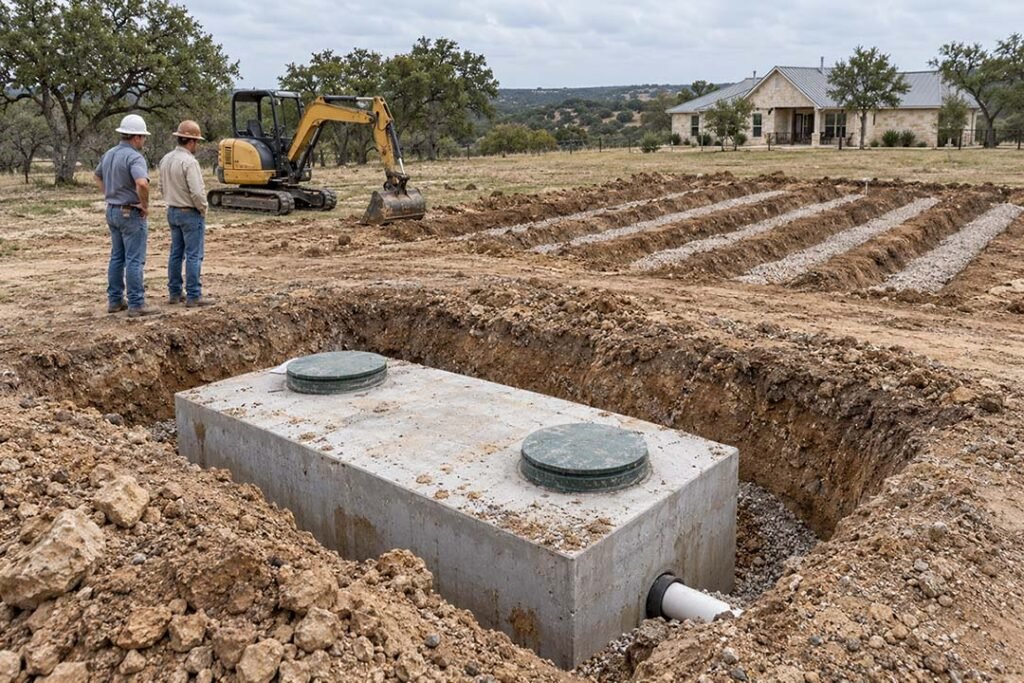
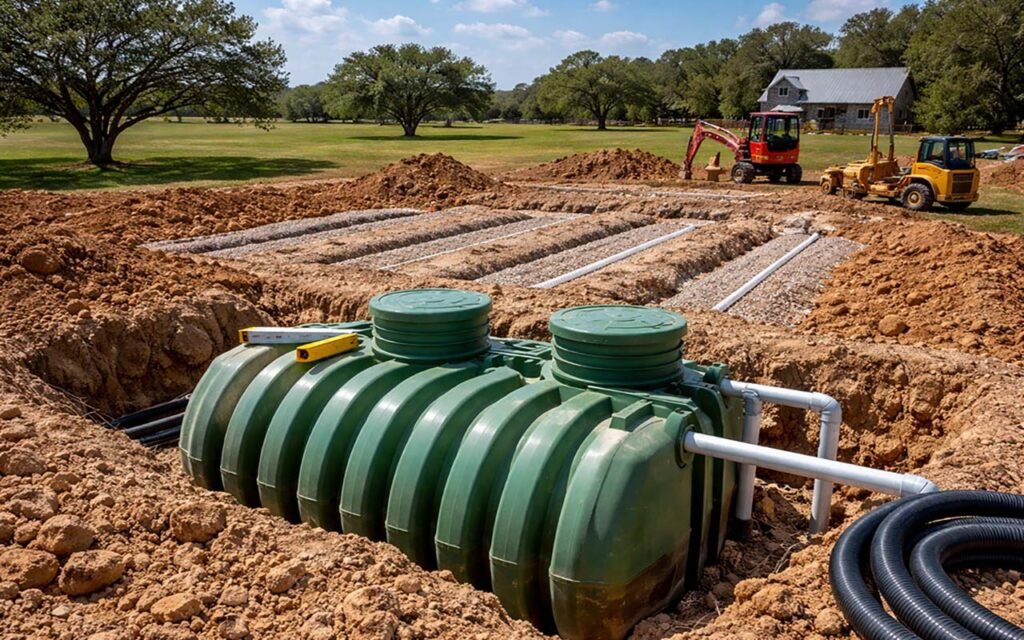
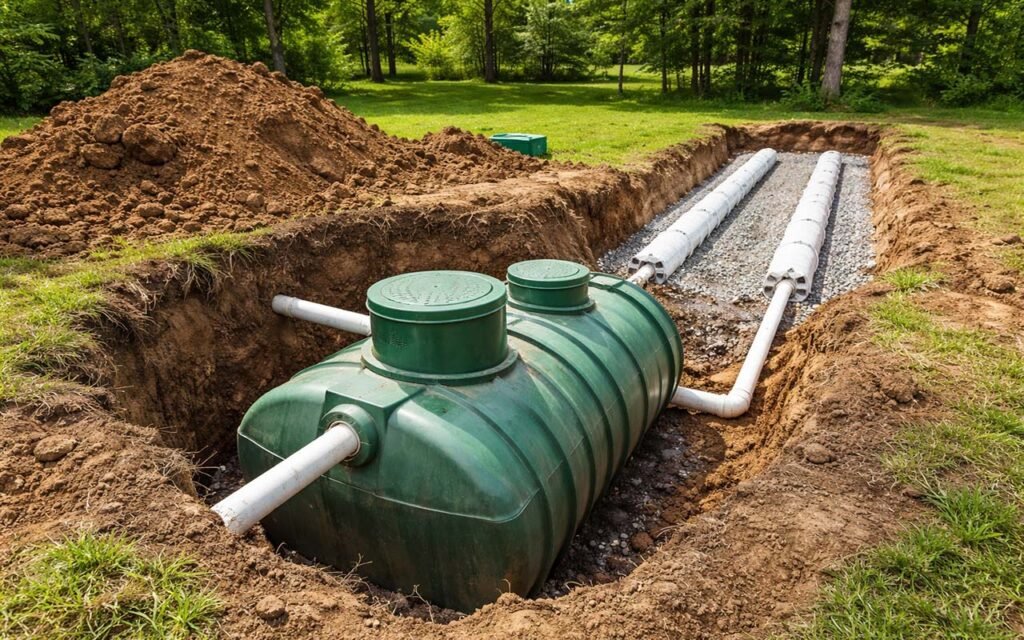
A septic system does more than store wastewater. It treats and disperses wastewater safely into the surrounding soil. Because of this, sufficient space is necessary for both the treatment system and the disposal area.
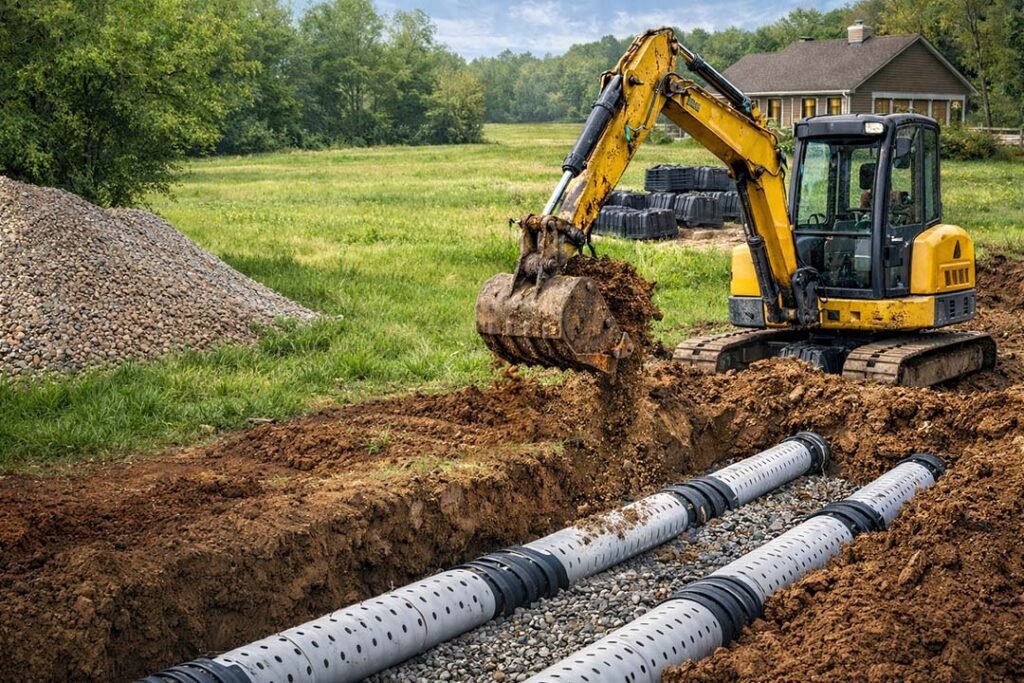
The drain field, also known as the soil absorption area, requires adequate room to distribute treated wastewater without contaminating groundwater or neighboring properties. Smaller lots may not provide enough separation distances between wells, structures, property lines, and environmentally sensitive areas.
Texas regulators focus on protecting public health and groundwater quality. As a result, property size plays an important role in determining whether a septic system can be approved.
In practical terms, larger lots often provide greater flexibility when selecting a system design and meeting setback requirements.
Does Texas Have a Statewide Minimum Lot Size Requirement?

One of the most common misconceptions is that Texas has a single minimum acreage requirement for all septic systems.
In reality, the state establishes baseline standards through the Texas Commission on Environmental Quality (TCEQ), while local authorities may adopt additional requirements. This means minimum lot size requirements can vary depending on the county, municipality, soil conditions, and system design.
Many conventional septic systems can be approved on lots smaller than one acre when public water service is available. However, larger lots are often required when a private water well is used because additional separation distances must be maintained.
Property owners should always verify requirements with local permitting authorities before making development decisions.
Common Minimum Lot Size Guidelines in Texas
While local regulations vary, the following table provides general guidelines frequently encountered throughout Texas.
| Property Condition | Typical Minimum Lot Size |
| Public water connection available | Approximately 0.5 acre |
| Private water well on property | Approximately 1 acre |
| Challenging soil conditions | May require larger lots |
| Aerobic treatment system installations | Varies by site evaluation |
| Environmentally sensitive areas | Additional acreage may be required |
These figures are general estimates and should never replace a professional site evaluation.
Factors That Influence Septic Lot Size Requirements
Several factors determine whether a property can support a septic system.
Soil Conditions
Soil quality is one of the most important considerations. Different soil types absorb and treat wastewater at different rates.
Clay soils often drain slowly, while sandy soils drain much faster. Extremely slow or rapid drainage can create treatment challenges that affect system design and required space.
Before approving a permit, local authorities typically require a site and soil evaluation performed by a qualified professional.
Water Supply Source
Properties using private wells generally require greater separation distances between the well and septic components.
This additional spacing helps protect drinking water from contamination. As a result, lots relying on private wells often need more acreage than properties connected to municipal water systems.
System Type
Not all septic systems require the same amount of land.
Conventional systems typically rely on larger drain fields for wastewater treatment. Aerobic treatment units may provide greater flexibility in certain situations because they treat wastewater more thoroughly before discharge.
However, even advanced treatment systems must meet local setback and dispersal requirements.
Environmental Restrictions
Floodplains, creeks, lakes, wetlands, and environmentally sensitive zones can affect system placement.
In some cases, these restrictions reduce the usable portion of a property, increasing the total acreage necessary to obtain approval.
Understanding Site Evaluations
Before a septic permit can be issued, most Texas properties require a professional site evaluation.
The evaluation examines several factors:
- Soil texture and composition
- Groundwater levels
- Drainage characteristics
- Property boundaries
- Existing structures
- Nearby wells and water bodies
- Topography and slope conditions
The results determine which system types are suitable for the property and how much space is required.
From our field experience at Dillon Septic, many permit challenges are identified during the site evaluation process rather than during installation. A thorough evaluation helps avoid costly surprises later in the project.
Conventional vs Aerobic Septic Systems

Many Texas homeowners wonder whether aerobic systems allow installation on smaller properties.
The answer depends on site conditions.
Aerobic treatment systems provide enhanced wastewater treatment and may offer more flexibility in certain locations where conventional systems are not practical. However, they are not a universal solution for undersized lots.
Both system types must comply with local regulations, setback distances, and disposal requirements.
| Feature | Conventional System | Aerobic System |
| Treatment Method | Natural soil treatment | Advanced mechanical treatment |
| Maintenance Needs | Lower | Higher |
| Initial Cost | Lower | Higher |
| Suitable for Difficult Soils | Limited | Often better |
| Space Flexibility | Moderate | May offer advantages |
Professional evaluation remains the best way to determine which option is appropriate.
Lot Size Challenges We Commonly See
Over the years, several recurring issues appear during septic planning.
One common problem involves assuming the entire property is usable. In reality, setbacks, easements, driveways, buildings, and environmental features can significantly reduce available installation space.
Another challenge occurs when landowners subdivide larger tracts without considering future septic requirements. What appears to be a sufficient lot size on paper may not provide enough usable area after setbacks are applied.
We also frequently encounter situations where neighboring wells influence system placement options. This can affect both system design and overall property usability.
Careful planning during the early stages of development helps avoid these complications.
How Texas Counties Can Affect Requirements

Although TCEQ establishes statewide standards, local authorities often administer septic permitting programs.
Some counties maintain additional requirements based on local environmental conditions. Areas with sensitive groundwater resources, dense development patterns, or unique soil characteristics may impose stricter standards.
Because regulations can vary significantly, property owners should never rely solely on general statewide guidelines.
Contacting local permitting authorities before purchasing land remains one of the smartest steps a buyer can take.
Cost Considerations When Planning a Septic System
Lot size affects more than permit approval. It can also influence project costs.
Larger properties often provide more installation flexibility, potentially reducing engineering challenges. Smaller or difficult sites may require specialized system designs, advanced treatment units, or additional site preparation.
Typical expenses may include:
- Site evaluations
- Permit fees
- System design
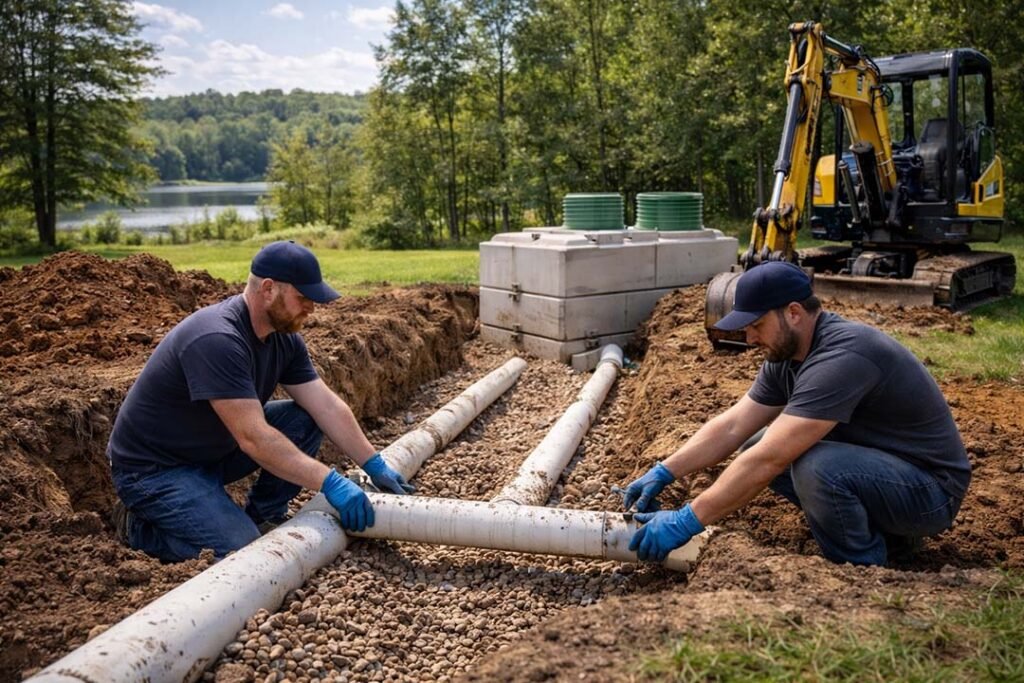
- Excavation work
- Installation labor
- Ongoing maintenance
Understanding site limitations early allows property owners to budget more accurately.
Expert Insight From Dillon Septic

One of the most valuable lessons we have learned is that every property is unique.
Two neighboring lots with identical acreage can have completely different septic requirements based on soil conditions, elevation changes, water sources, and environmental constraints.
For this reason, successful septic planning starts with professional evaluation rather than acreage alone. Property size is important, but it is only one piece of the larger approval process.
When homeowners seek guidance early, they often avoid delays and unexpected costs later in the project.
When it comes to septic system service and installation in Texas, Dillon Septic provides reliable solutions tailored to local regulations and property conditions. From site evaluations and new system installations to inspections, repairs, and maintenance, their experienced team helps homeowners ensure long-term system performance, compliance, and peace of mind.
Frequently Asked Questions
What is the minimum lot size for a septic system in Texas?
The minimum size varies depending on local regulations, water source, soil conditions, and system type. Many properties with public water can qualify with approximately half an acre, while private wells often require larger lots.
Can I install a septic system on less than one acre in Texas?
Yes. Many properties smaller than one acre can qualify if site conditions meet local permitting requirements and public water service is available.
Does an aerobic septic system require less land?
Not necessarily. Aerobic systems may offer more flexibility in certain conditions, but they still must comply with local setback and disposal requirements.
Who determines septic lot size requirements?
Requirements are typically administered by local permitting authorities under standards established by the Texas Commission on Environmental Quality.
Can poor soil increase lot size requirements?
Yes. Challenging soil conditions can require larger disposal areas or alternative system designs, which may increase space requirements.
Conclusion
Understanding the minimum lot size for septic system Texas requirements involves more than simply checking acreage. Soil conditions, water sources, environmental restrictions, local regulations, and system design all play important roles in determining whether a property can support onsite wastewater treatment.
Before purchasing land or beginning construction, a professional site evaluation provides the most reliable path forward. With proper planning and expert guidance, homeowners can avoid costly surprises and ensure their septic system meets both regulatory requirements and long-term performance expectations.