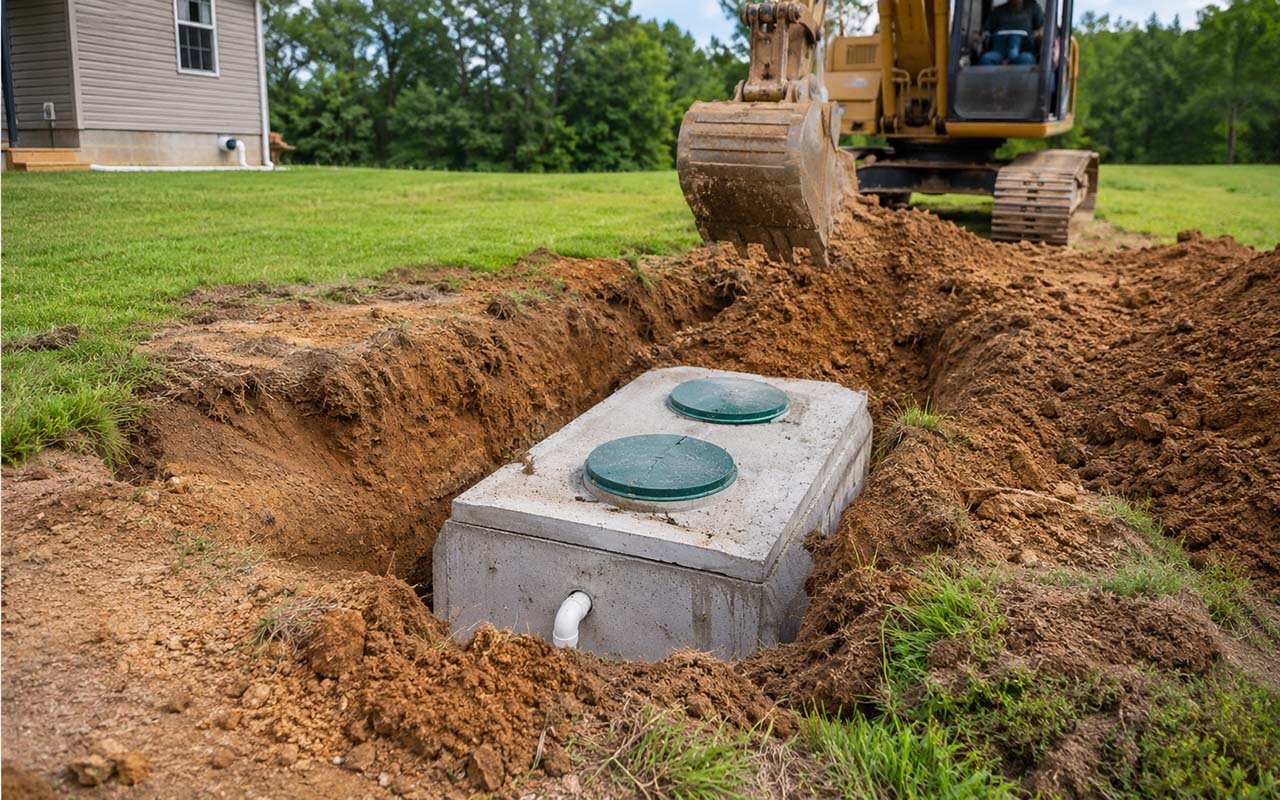
Many rural and suburban properties depend on septic systems in Texas because public sewer access is not always available. These systems quietly manage household wastewater every day, yet most homeowners rarely think about them until a problem appears. A slow drain, standing water, or strong odor can quickly turn into a costly repair if the warning signs are ignored.
Texas presents unique challenges for septic performance due to changing soil conditions, long dry seasons, heavy rain, and fast population growth in rural communities. A septic system that works well in one county may require a completely different design in another part of the state. Understanding how these systems function helps property owners avoid expensive failures and extend system life.
Whether you recently bought a home or have owned property for years, knowing how septic systems operate in Texas can help you protect your investment and prevent avoidable issues.
How Septic Systems Work in Texas Properties
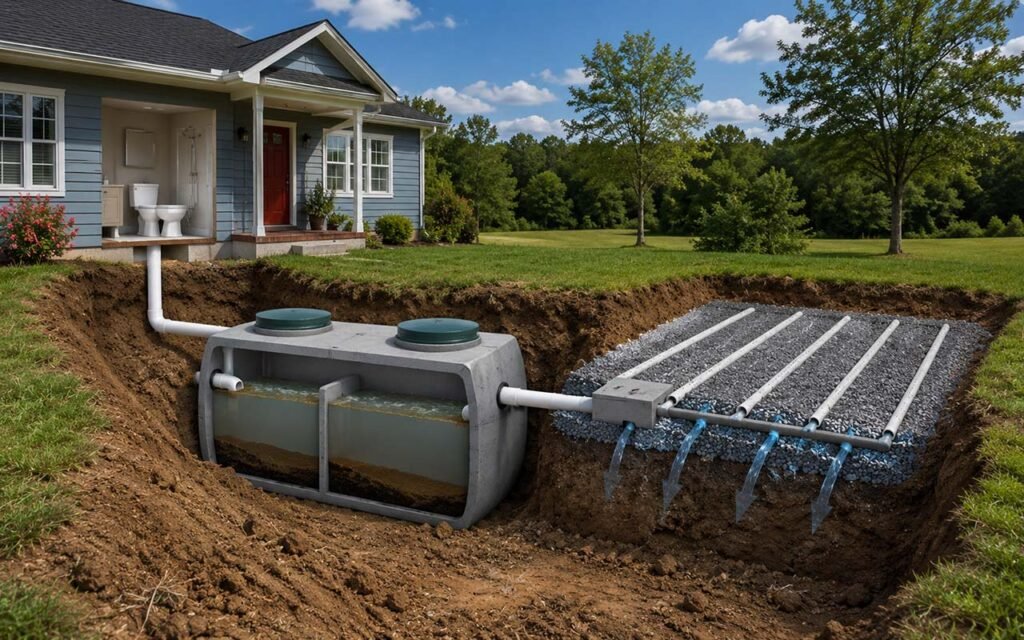
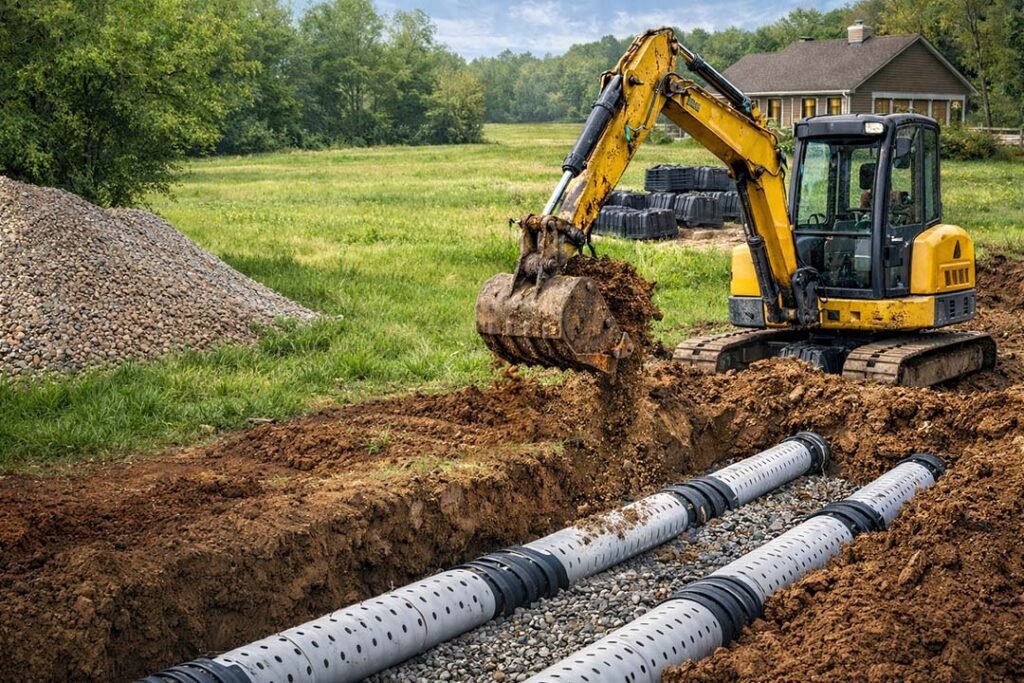
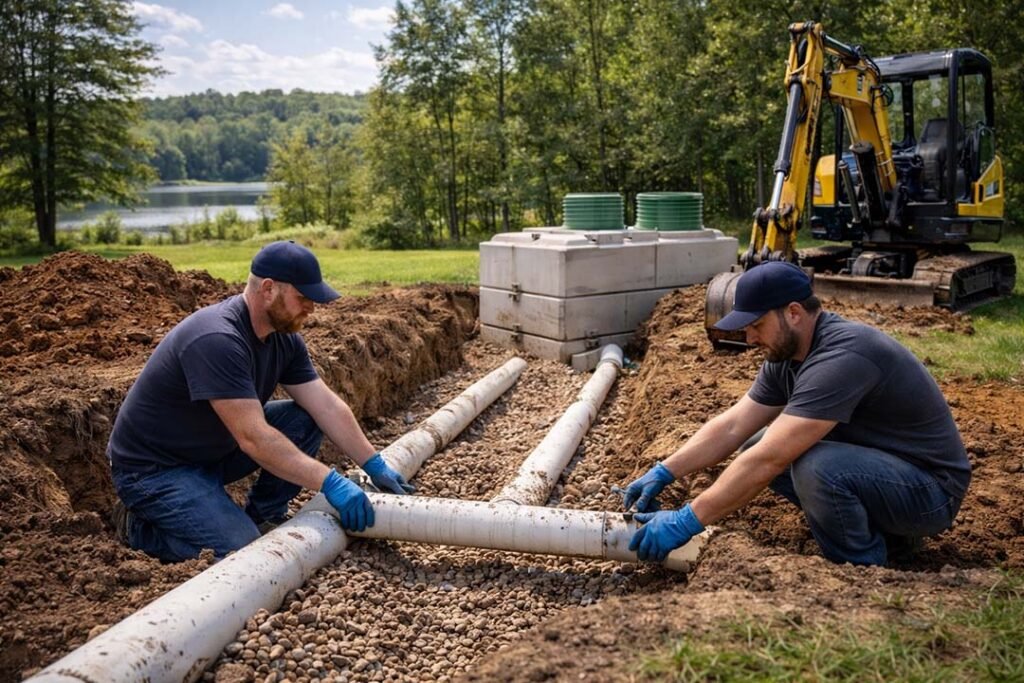
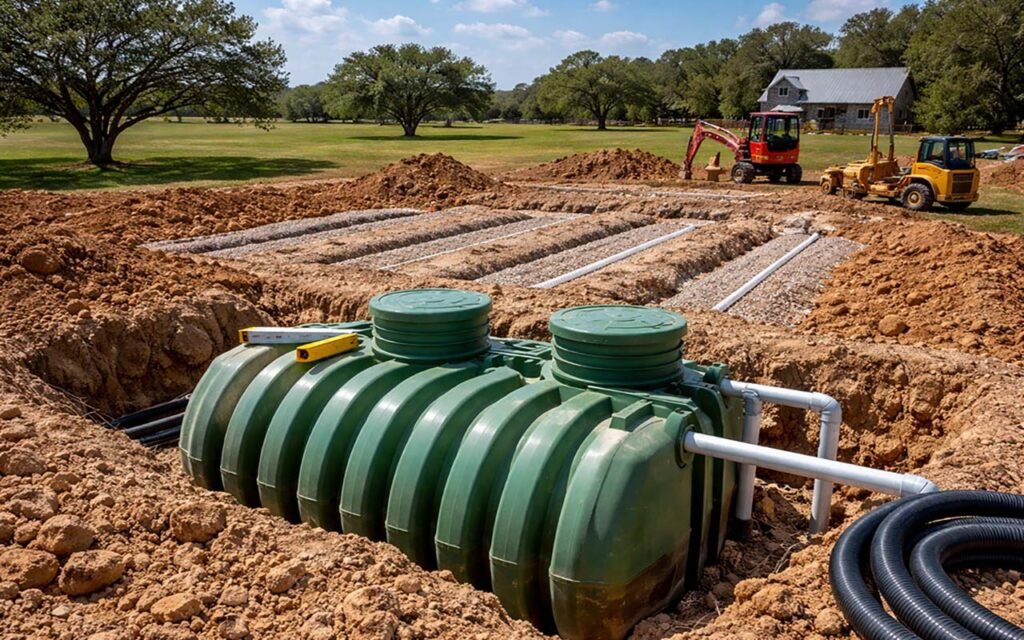
A septic system is an underground wastewater treatment setup designed for homes that are not connected to municipal sewer lines. Wastewater from sinks, toilets, showers, and appliances flows into a septic tank where solids settle at the bottom while oils float to the top. The remaining liquid moves into a drain field for natural soil filtration.
Texas homes use several types of septic systems depending on soil quality and lot size. Conventional systems are common in areas with suitable drainage, while aerobic systems are often required where clay-heavy soil limits absorption.
In many parts of Texas, soil composition directly affects how wastewater disperses. East Texas may support traditional systems more easily, while Central Texas and Hill Country regions often require advanced treatment units. Local regulations also influence installation requirements and inspection procedures.
A properly maintained system can last 20 to 40 years, but performance depends heavily on usage habits and routine care.
Why Texas Soil and Climate Affect Septic Performance
Texas has one of the most diverse soil profiles in the country. Some areas contain sandy soil with excellent drainage, while others have dense clay that traps moisture and slows wastewater absorption. This difference significantly impacts septic system design and long-term reliability.
Extended drought conditions can harden soil around drain fields and reduce treatment efficiency. Heavy storms and flooding can create the opposite problem by saturating the soil and forcing untreated wastewater back toward the surface. Both situations place stress on septic systems.
Temperature also plays a role. Hot Texas summers increase bacterial activity inside septic tanks, which may improve waste breakdown. However, excessive heat can dry out shallow soil areas and damage vegetation that supports proper drainage.
The table below highlights how different Texas conditions affect septic systems.
| Texas Condition | Impact on Septic Systems |
|---|---|
| Clay-heavy soil | Slower wastewater absorption |
| Sandy soil | Faster drainage but possible contamination risk |
| Drought periods | Hardened soil and reduced efficiency |
| Heavy rainfall | Drain field oversaturation |
| High temperatures | Increased bacterial activity |
| Rapid development | Greater demand on rural systems |
Understanding these environmental factors helps homeowners make better maintenance decisions throughout the year.
Common Problems Homeowners Experience
Most septic problems begin gradually. Homeowners may notice slow drains or occasional odors before larger failures occur. Ignoring these early signs often leads to expensive repairs or full system replacement.
One of the most common issues in Texas is drain field failure caused by compacted soil or excess groundwater. Tree roots also create serious damage by invading underground pipes in search of moisture. In older systems, deteriorating tanks and broken baffles may reduce wastewater separation efficiency.
Grease buildup is another major concern. Cooking oils and food waste entering the system can create blockages that limit proper flow. Excessive water use from laundry, long showers, or leaking fixtures may overwhelm the tank and drain field.
Signs of septic trouble often include:
- Standing water near the drain field
- Gurgling sounds in plumbing fixtures
- Sewage odors around the property
- Slow draining sinks and toilets
- Unusually green grass over septic areas
Homeowners who address these warning signs early usually avoid larger system failures and emergency service costs.
Septic Maintenance Practices That Extend System Life
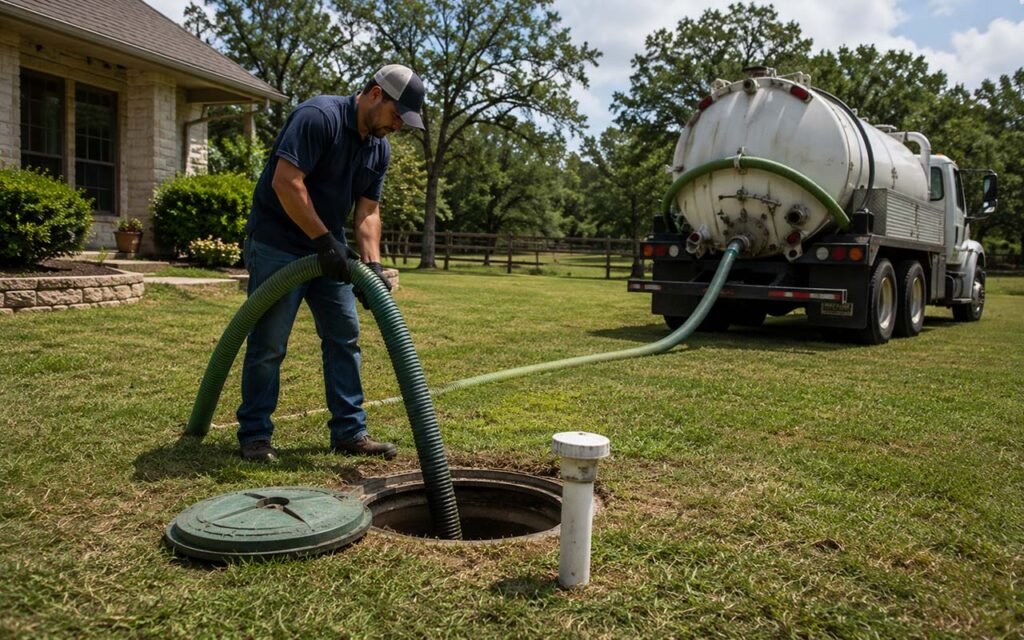
Routine maintenance remains the most effective way to protect septic systems in Texas. Many property owners assume septic tanks are maintenance-free, but every system requires regular inspection and pumping to function correctly.
Most residential tanks should be pumped every three to five years depending on household size and water usage. Larger families typically require more frequent service because solids accumulate faster inside the tank.
Water conservation also plays a major role in system longevity. Spreading laundry loads throughout the week reduces stress on the drain field. Fixing leaking toilets and faucets prevents unnecessary water overload.
Professional septic technicians often recommend these maintenance habits:
- Schedule inspections every one to three years
- Keep heavy vehicles away from the drain field
- Avoid flushing wipes or hygiene products
- Use septic-safe cleaning products when possible
- Direct rainwater away from the drain field area
Field technicians throughout Texas commonly observe that neglected systems fail years earlier than properly maintained units. Preventive care is almost always less expensive than emergency repairs or replacement.
Aerobic vs Conventional Septic Systems
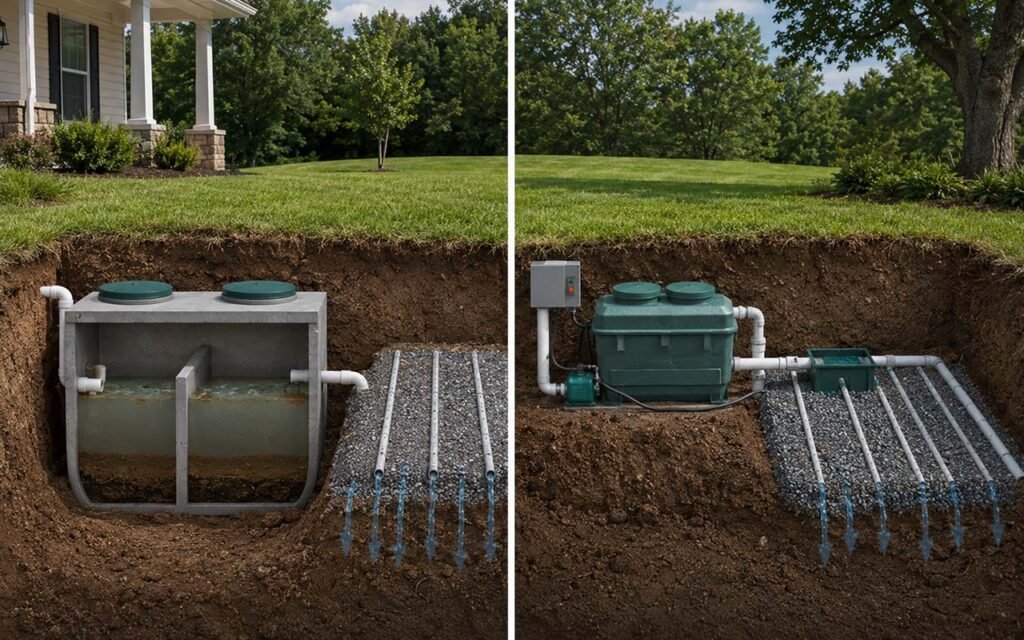
Texas homeowners often hear about aerobic and conventional septic systems when installing or replacing equipment. While both systems treat wastewater, they operate differently and serve different environmental conditions.
Conventional systems rely mainly on natural soil filtration. Wastewater moves from the septic tank into a drain field where soil completes the treatment process. These systems are generally simpler and less expensive but require suitable drainage conditions.
Aerobic systems add oxygen to wastewater treatment. This process encourages beneficial bacteria that break down waste more efficiently. Aerobic units are frequently used in Texas areas with dense clay soil or limited drainage capability.
Aerobic systems typically require more maintenance because they include pumps, alarms, and electrical components. However, they often perform better in difficult soil conditions.
Homeowners choosing between these systems should consider:
- Soil quality on the property
- Local county regulations
- Long-term maintenance requirements
- Installation costs
- Available property size
A professional site evaluation usually determines which system provides the safest and most reliable performance for a specific property.
Texas Septic Regulations and Permit Requirements
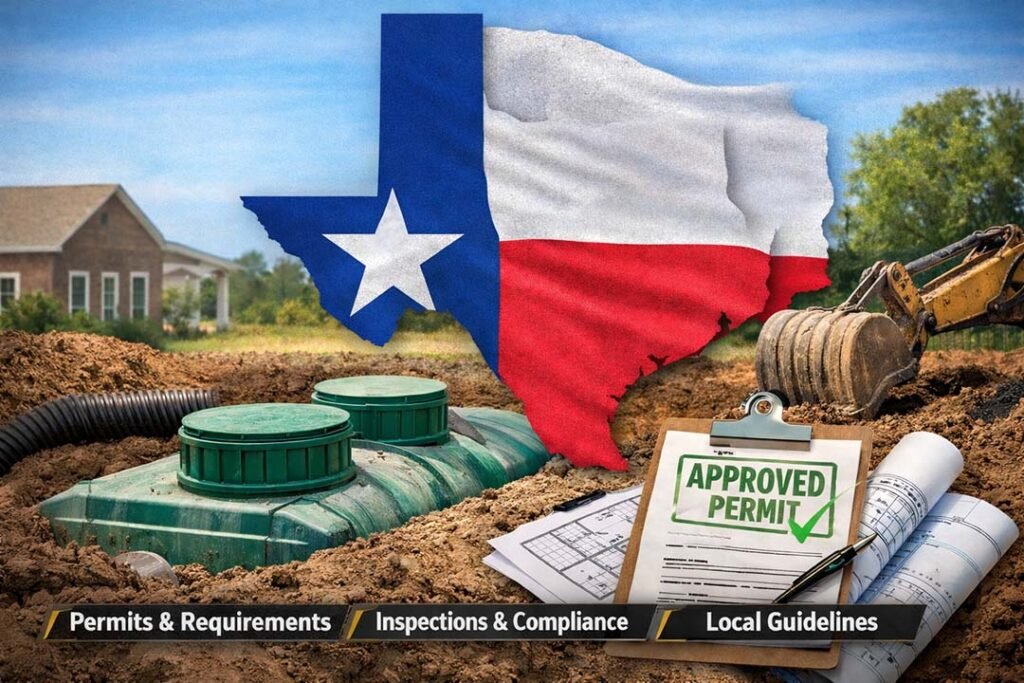
Texas septic regulations are managed through the Texas Commission on Environmental Quality along with local county authorities. Before installing a new system, property owners generally need permits, site evaluations, and soil testing.
Rules vary by county because environmental conditions differ across the state. Some counties require aerobic systems in environmentally sensitive areas, while others allow conventional systems when drainage conditions meet safety standards.
Permitting usually includes:
- Soil analysis
- Property inspection
- System design approval
- Final installation inspection
Homeowners should avoid hiring unlicensed contractors for septic installation or repairs. Improper installation can create contamination risks, legal issues, and costly future corrections.
Many buyers also request septic inspections during real estate transactions. A failing system may affect property value and delay home sales. Keeping records of maintenance and pumping history often helps demonstrate proper system care to future buyers.
Staying compliant with local septic requirements protects both homeowners and surrounding groundwater resources.
Costs Associated With Septic Systems in Texas
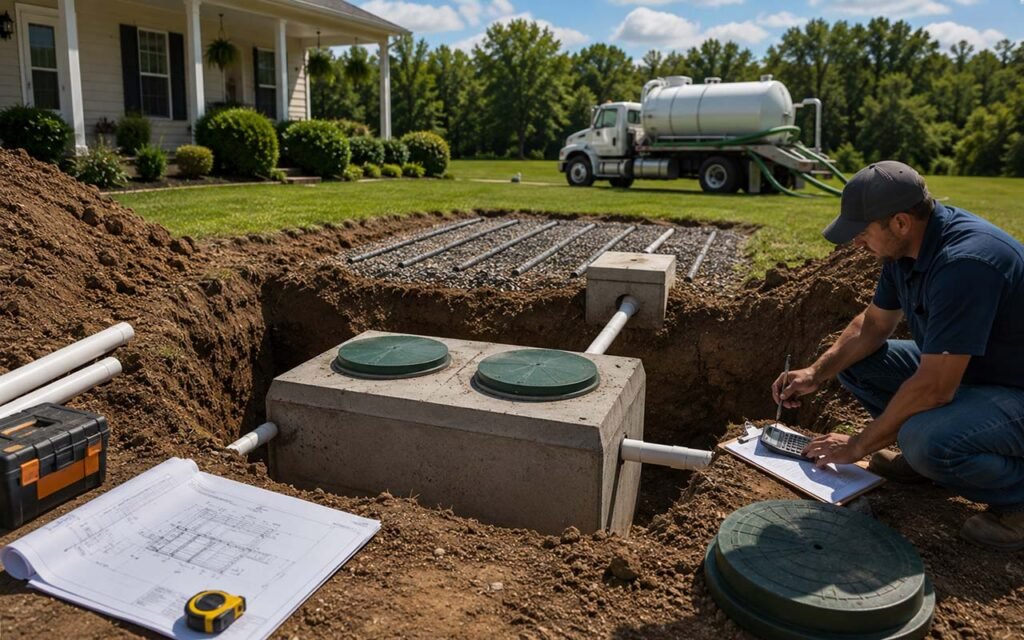
Septic system costs in Texas vary widely depending on property conditions, system type, and installation complexity. Conventional systems are generally less expensive than aerobic units, but site conditions heavily influence final pricing.
A basic conventional installation may cost several thousand dollars, while advanced aerobic systems often exceed that amount because of electrical components and additional treatment requirements.
Routine maintenance costs are much lower than replacement expenses. Regular pumping and inspections help prevent catastrophic failures that may require excavation and full drain field reconstruction.
Several factors affect pricing:
- Soil composition
- Property size
- System capacity
- Local permit fees
- Equipment accessibility
Homeowners sometimes underestimate long-term maintenance expenses. Aerobic systems, for example, often require service agreements and periodic component replacement.
Experienced septic professionals across Texas frequently explain that preventive maintenance provides the best financial return. Spending a small amount annually on inspections can help avoid repair bills that reach tens of thousands of dollars.
How to Protect Your Septic System Long Term
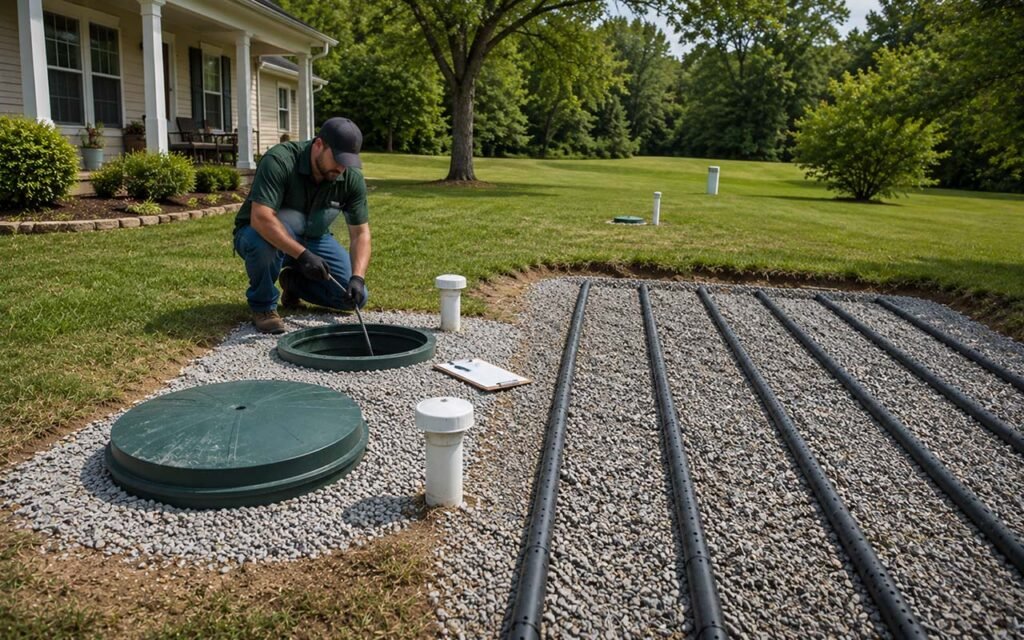
Long-term septic performance depends on consistent habits and early problem detection. Homeowners who understand system limitations usually experience fewer failures and lower maintenance costs over time.
Excessive water usage remains one of the biggest threats to system health. Conserving water reduces strain on the tank and allows wastewater more time to separate properly. Landscaping choices also matter because deep-rooted trees can damage underground pipes and drain fields.
Regular professional inspections identify small issues before they become major repairs. Technicians can spot signs of sludge buildup, damaged components, or restricted drainage during routine service visits.
Property owners should also monitor surface conditions around the drain field. Standing water, foul odors, or unusually lush vegetation may indicate wastewater escaping near the surface.
For homeowners interested in learning more about system care, reading related maintenance articles and seasonal septic tips can provide additional guidance for protecting wastewater systems year-round.
Frequently Asked Questions
How often should septic tanks be pumped in Texas?
Most residential septic tanks should be pumped every three to five years depending on household size and water usage patterns.
What is the average lifespan of a septic system?
A properly maintained septic system can last between 20 and 40 years, although soil conditions and maintenance habits affect longevity.
Are aerobic septic systems required in Texas?
Some Texas counties require aerobic systems in areas where soil conditions limit conventional drain field performance.
Can heavy rain damage a septic system?
Yes. Excessive rainfall can oversaturate drain fields and reduce wastewater treatment efficiency.
What should never go into a septic system?
Avoid flushing wipes, grease, chemicals, feminine hygiene products, and excessive food waste because these materials may clog or damage the system.
Conclusion
Understanding septic systems in Texas helps homeowners make smarter decisions about maintenance, repairs, and long-term property care. Texas soil conditions, climate patterns, and local regulations all influence how these systems perform over time.
Routine inspections, responsible water usage, and timely pumping significantly reduce the risk of expensive failures. Whether your property uses a conventional or aerobic system, consistent care remains the key to reliable wastewater treatment.
Homeowners who stay proactive often avoid emergency repairs and extend system lifespan for decades. Investing time in proper maintenance today can protect your property, groundwater quality, and household comfort well into the future.