Heavy rain can leave more than puddles in your yard. You might hear toilets gurgle, notice slow drains, or smell sewage outside. Septic tank problems when it rains often start when wet soil cannot absorb more wastewater. Rainwater entering through damaged tank parts can add to the strain.
These symptoms do not always mean your tank needs pumping. A septic tank normally holds liquid, while pumping removes the solids that build up over time. Rain-related trouble often involves where water can go after it leaves the tank.
The first steps are to reduce water use, stay away from suspect standing water, and watch for signs that need prompt service. Understanding the cause helps you avoid paying for a temporary fix while the real problem remains.
Why Septic Tank Problems When It Rains Often Start in the Soil
In a conventional septic system, wastewater enters the tank, where solids settle and grease floats. Liquid then flows toward the drainfield. The soil beneath that field helps treat the wastewater as it moves through the ground.
After prolonged rain, the spaces in the soil can fill with water. A rising water table may also reduce the unsaturated soil available for treatment. Wastewater can then leave the system more slowly, even if the tank and pipes are sound.
Think of the drainfield as an exit with limited space. Household water keeps arriving, but saturated ground restricts the way out. Doing several loads of laundry during a wet spell adds more water when the system has less capacity.
The University of Minnesota’s septic care guidance advises reducing household water use when heavy rain leaves a drainfield soggy. It also stresses keeping roof runoff and other surface drainage away from the system.
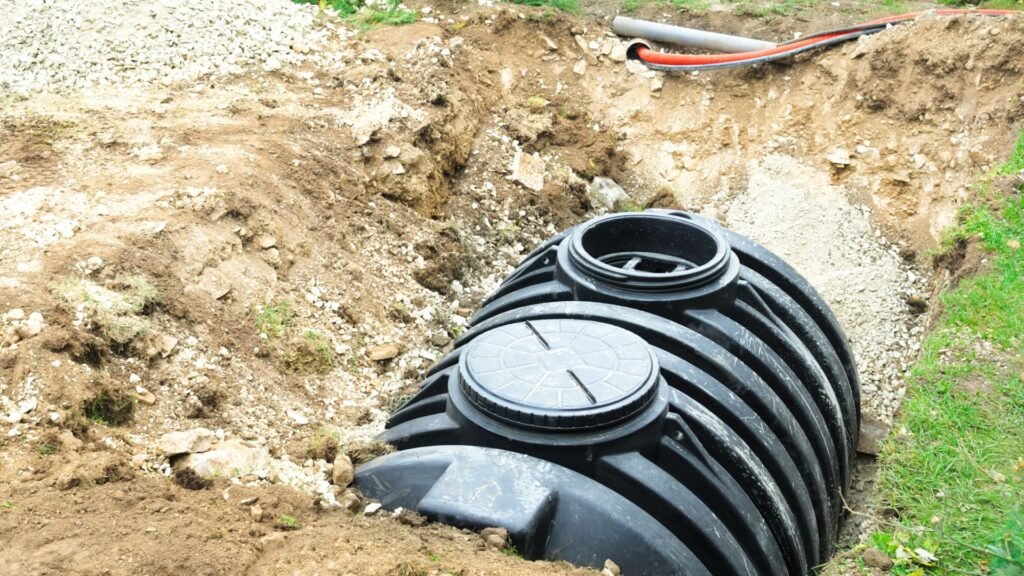
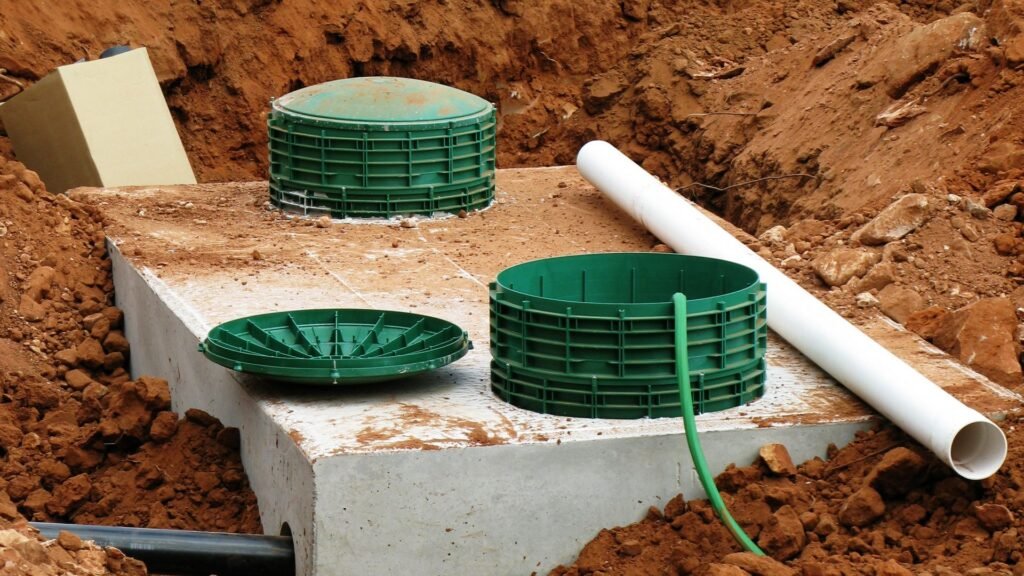
Rain can create a second problem if runoff or groundwater enters through cracked tank walls, loose riser joints, or damaged seals. A professional inspection can help separate soil saturation from unwanted water entering the tank.
How to Recognize Septic Tank Problems When It Rains
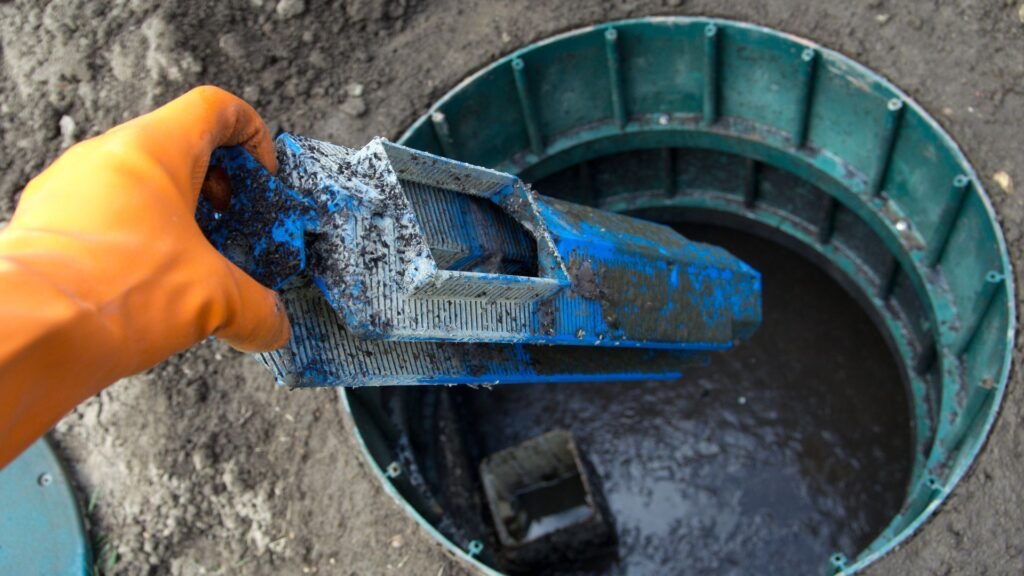
The timing of drainage changes can help you recognize septic tank problems when it rains. If toilets, sinks, and showers drain normally during dry weather but slow down after a storm, saturated soil may be restricting wastewater flow. However, a blocked pipe, clogged outlet filter, or faulty pump can cause similar symptoms, so timing alone does not confirm the cause.
Pay attention to how many fixtures are affected. One slow sink may have a local plumbing clog. Several slow drains throughout the house, especially alongside wet ground near the drainfield, suggest a problem that needs a broader inspection. Reduce household water use while you arrange an assessment.
Gurgling toilets can also signal restricted drainage. Avoid flushing repeatedly to test whether the problem has cleared, as each flush adds water to the system. Note when the sounds begin and whether they occur only after rainfall. This information can help a technician narrow down the cause.
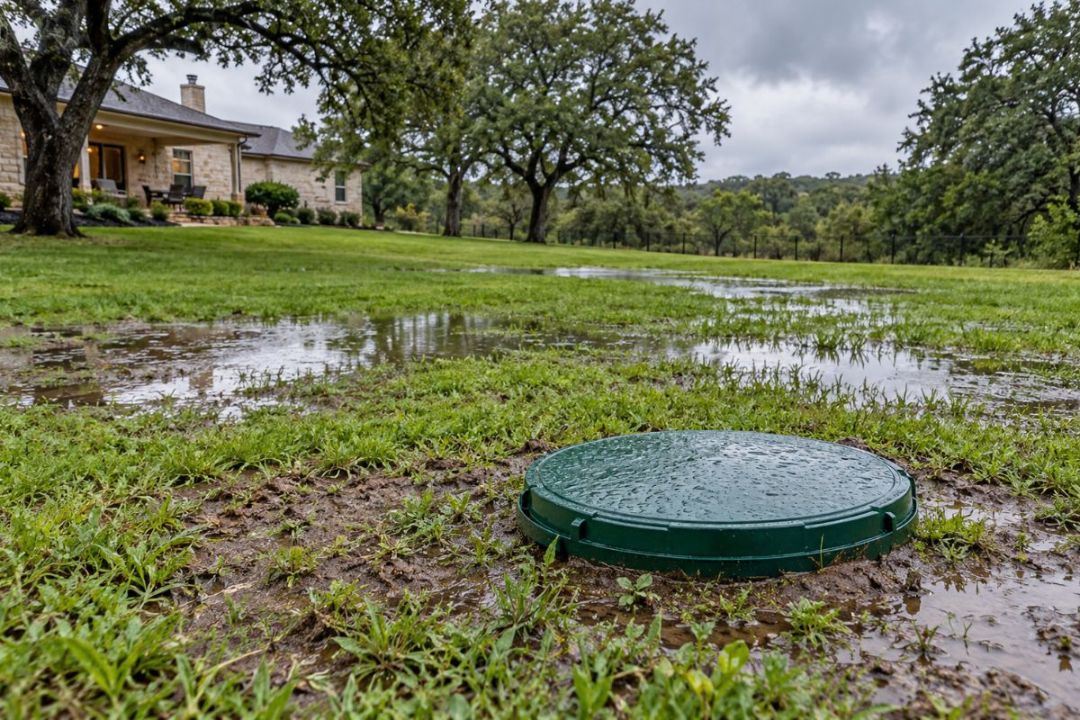
Outside, watch for standing water or unusually soggy ground over the drainfield. Rainwater and surfacing wastewater can look similar, and the absence of a sewage smell does not prove that a puddle is safe. Keep children and pets away from suspect water and avoid walking or driving across the wet area.
A high-water alarm or sewage backing up into a shower or toilet requires prompt attention. Contact your septic service provider if an alarm sounds. If wastewater enters your home, stop using the affected system and seek urgent help. Problems that continue after the ground dries also need inspection, since rainfall may have exposed an existing fault.
Why a Septic Tank Can Be Full of Water When It Rains
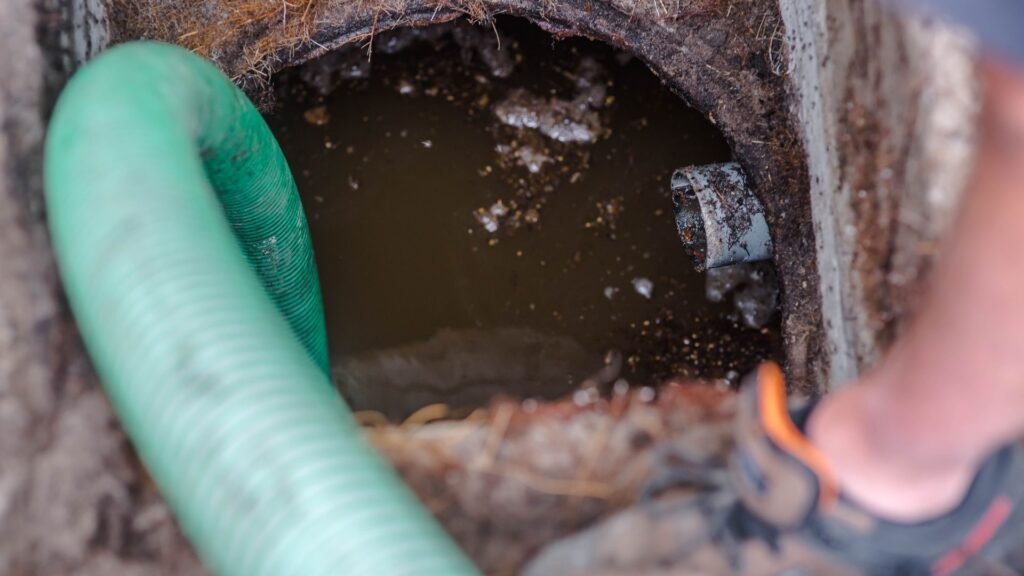
Finding a septic tank full of water when it rains does not, by itself, prove something is wrong. In normal use, a septic tank holds liquid near its designed operating level. It does not stay empty after a pump-out.
The key question is whether liquid is above the normal level and why. Water may be leaving too slowly because the drainfield is saturated. It may also be entering through a defect or building up because a filter, pipe, or pump needs attention.
You should not lift a lid to check this yourself. Tank openings present fall hazards, and septic gases can be deadly. Leave liquid-level checks and tank access to trained professionals.
A useful diagnostic question is whether the level changes with rainfall and household use. Combined with an inspection, that pattern helps identify whether the problem involves incoming water, restricted outflow, or both.
What to Do During and After Heavy Rain
Your goal is to reduce the load on the system while protecting your household. Start with these steps.
1. Cut back on water use
Postpone laundry, long showers, baths, and dishwasher cycles. Do not keep flushing toilets to see whether drainage has improved. Each test adds more wastewater.
For a practical example, suppose a household plans five laundry loads after a storm. Postponing those loads removes one avoidable source of flow while the soil is wet. This is an illustrative example, not a fixed recovery formula.
If sewage is backing up, stop using the affected system and call for help. If floodwater covers the septic area, do not use the system until a qualified professional advises that conditions are suitable.
2. Protect the wet ground
Keep cars, trailers, mowers, and heavy equipment off the drainfield. Wet soil is easy to compact, which can reduce its ability to accept wastewater.
Avoid digging trenches or adding fill as a quick drainage fix. Changes around the system can damage pipes or alter how water moves across the site.
3. Leave electrical equipment alone
Do not touch a wet control panel, exposed wiring, or submerged equipment. Avoid repeated breaker resets or attempts to force a pump to run.
An alarm needs assessment. Silencing its sound does not resolve a high-water condition or equipment fault.
4. Record the pattern
From a safe spot, note when the rain began, when symptoms appeared, and which fixtures changed. Record any alarm, recent power outage, or unusual water use.
Photos taken from firm ground may help explain where water gathers. You do not need to approach a tank lid or enter a wet drainfield.
5. Arrange service based on symptoms
Call promptly for sewage backups, surfacing wastewater, or an active alarm. Report recurring rain-related slow drains even if they improve later.
The EPA’s guidance on septic systems after flooding warns against pumping during flooded or saturated drainfield conditions. Emptying a tank under those conditions can create flotation and pipe-damage risks. Let a professional determine safe service timing.
Rain Overload Versus Routine Pumping Needs
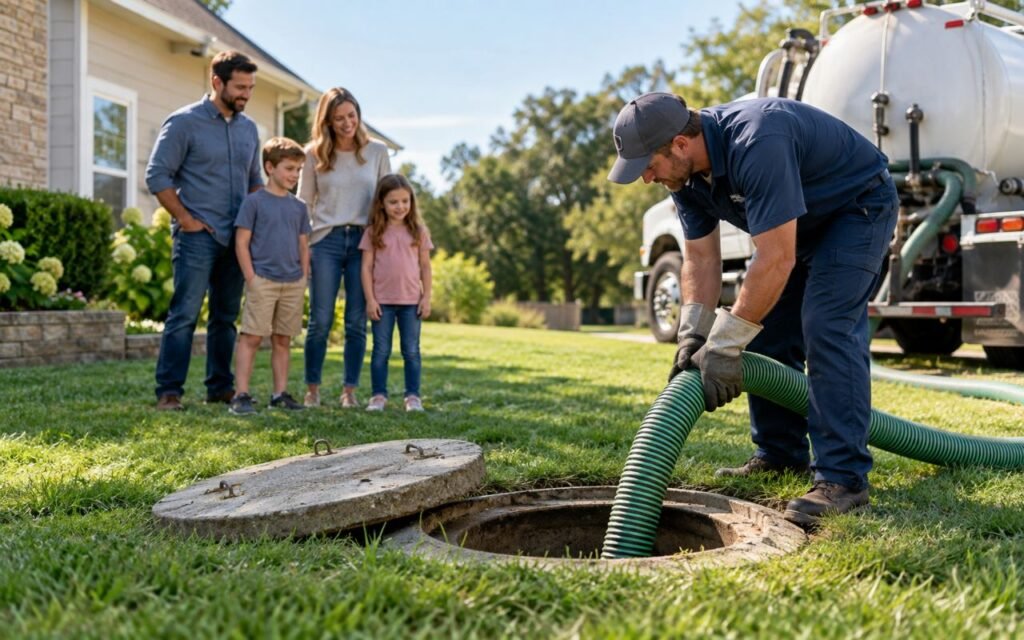
Pumping and wet-weather diagnosis address different questions. Pumping removes stored sludge and scum. It does not dry saturated soil or repair a leaking riser.
That distinction matters when a tank refills soon after service. A returning liquid level is normal. A level that rises above its operating point needs investigation.
| Inspection finding | Likely service direction |
|---|---|
| Excess sludge or scum | Pumping based on measured solids |
| Saturated drainfield soil | Reduced water use and assessment of site conditions |
| Water entering through damaged joints | Repair of the entry point |
| Restricted outlet filter or pipe | Cleaning or repair of the restriction |
| Pump or control fault | Equipment diagnosis and repair |
More than one issue can exist at once. An overdue tank may also have a saturated drainfield. The service plan should address both rather than assume every rain-related problem has one cause.
For ongoing care, read our guide to septic maintenance in Texas. Use it to plan routine service separately from storm-related troubleshooting.
Will a Flooded Septic Tank Fix Itself?
Some homeowners ask, will a flooded septic tank fix itself once the weather clears?
Temporary soil saturation may ease as groundwater falls and the ground dries. Drainage can improve if the system remains sound and household water use stays low. However, better drainage does not prove that every part is undamaged.
Cracked seals, clogged components, and failed pumps do not repair themselves. Actual floodwater entering the system may also leave sediment or debris that needs professional attention.
There is no reliable promise that recovery takes 24, 48, or 72 hours. Soil type, groundwater, more rainfall, and household use all affect the outcome. Seek help for serious symptoms rather than waiting for a set number of days.
How to Reduce Repeat Problems Before the Next Storm
Once conditions are safe, focus on why the system struggled. Repeated septic tank problems after heavy rain deserve investigation, even when drains eventually return to normal.
Start by reviewing where roof and driveway runoff goes. Downspouts should not discharge onto the drainfield. Keep sump-pump water out of the septic system, and ask a professional about drainage changes that could affect buried components.
Have accessible lids, risers, and seals checked during service. Repair running toilets and spread laundry across the week during normal conditions.
Keep a simple record with three items.
- The date and duration of rainfall
- The symptoms and any alarms
- The findings and work completed during service
That history helps reveal patterns. Trouble after every modest storm may point to a persistent defect or limited drainage capacity. A problem after an exceptional wet spell may have a different cause. Neither pattern should be diagnosed from weather alone.
Final Thoughts
Rain-related septic trouble is often a water-flow problem. Saturated soil can restrict drainage, while damaged components may let extra water enter. Routine pumping remains important, but it does not solve every wet-weather issue.
Reduce water use at the first sign of trouble. Keep clear of suspect water and wet electrical equipment. Get prompt help for backups, surfacing sewage, and alarms.
Dillon Septic can help assess the symptoms and explain the next step. Before scheduling, read how septic problems are assessed and repaired for useful background. Then contact Dillon Septic to discuss your system’s condition and service needs.