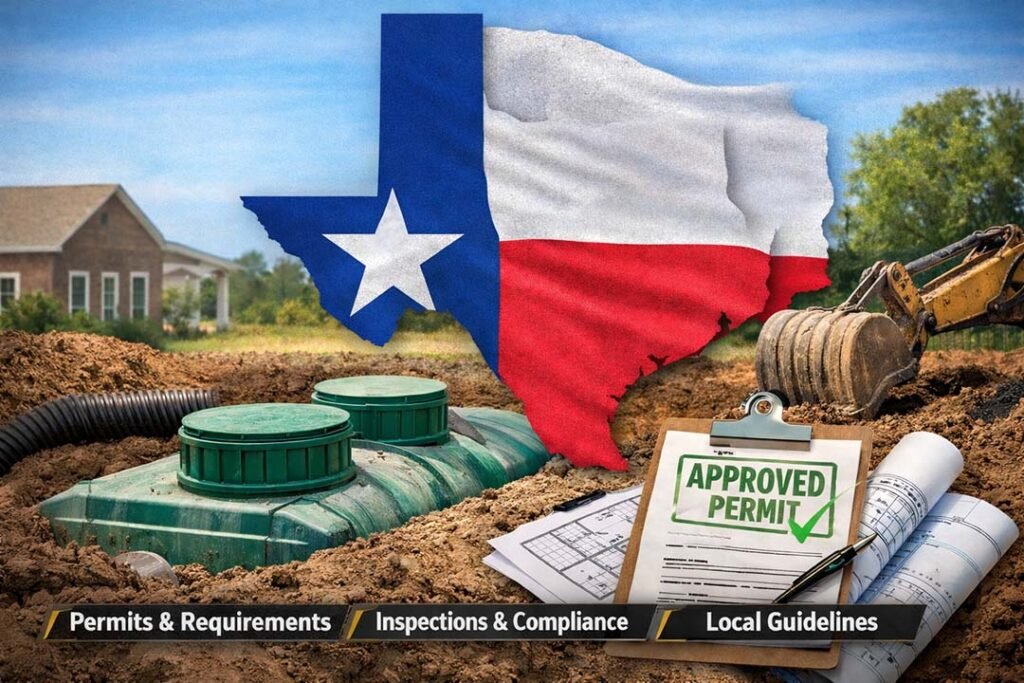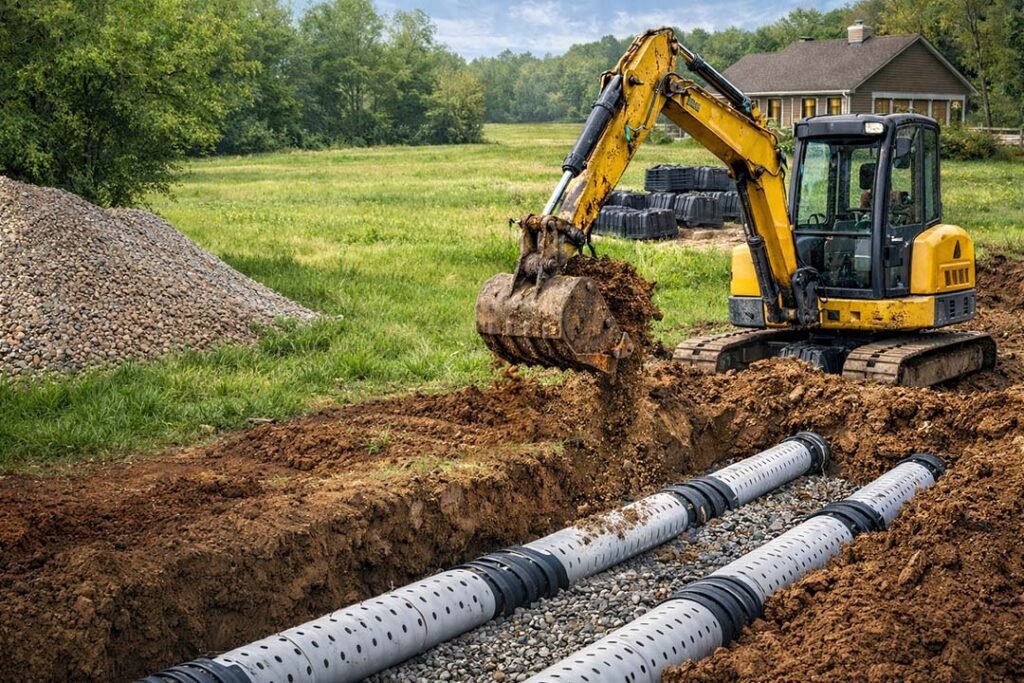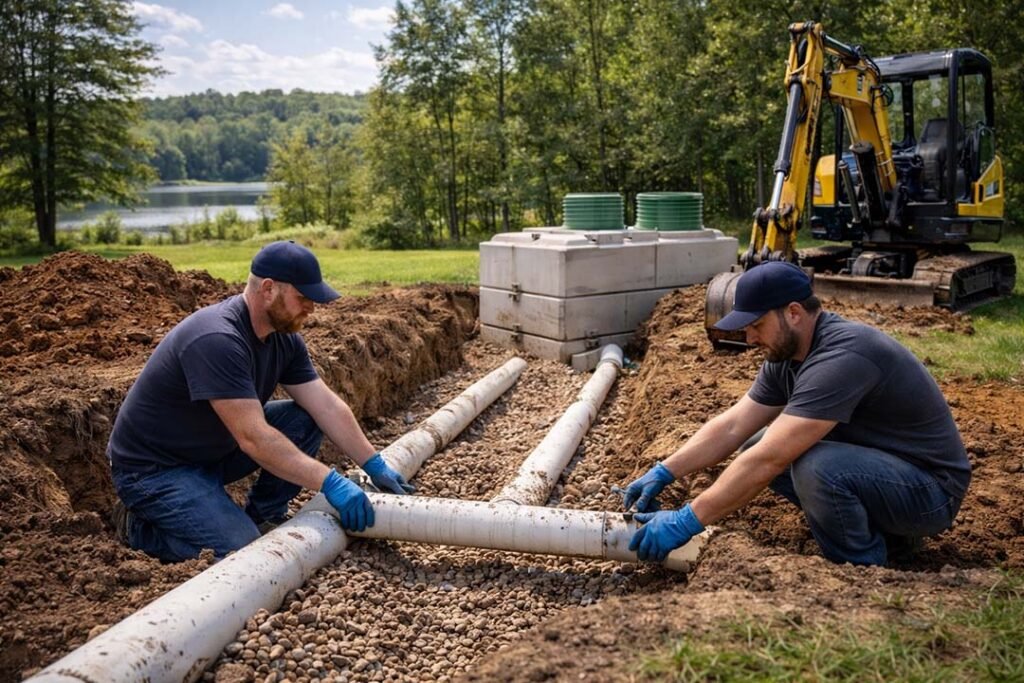
Understanding local wastewater regulations is one of the most important steps when purchasing land or planning construction in Texas Hill Country. Many buyers focus on acreage, utilities, and location while overlooking septic requirements that can directly affect how a property is developed. Spring Branch is a growing community where environmental protection and groundwater quality remain important concerns.
Because of this, Spring Branch septic restrictions can influence lot usage, home placement, system design, and permitting requirements. Property owners who understand these regulations early often avoid costly surprises later. Whether you are building a new home, purchasing undeveloped land, or replacing an aging septic system, knowing how local and state requirements work together can help you make informed decisions while protecting your investment.
Why Septic Restrictions Matter in Spring Branch
Spring Branch sits within an environmentally sensitive region of the Texas Hill Country. Many properties rely on onsite sewage facilities because centralized sewer systems are not available in every area. As development continues, local authorities work to protect groundwater resources, nearby waterways, and public health.
Septic restrictions exist to ensure wastewater is properly treated before entering the soil. Improperly installed or poorly maintained systems can contaminate drinking water sources and damage surrounding ecosystems.
From a homeowner’s perspective, these regulations are not designed to create obstacles. Instead, they help ensure properties remain safe and suitable for long-term use. In our experience working with septic systems throughout the region, many property owners discover that understanding restrictions before purchasing land saves significant time and money during development.
Who Regulates Septic Systems in Spring Branch
Several agencies may play a role in septic oversight depending on the property’s location and specific circumstances. The primary framework comes from the Texas Commission on Environmental Quality, commonly known as TCEQ.
TCEQ establishes statewide standards for onsite sewage facilities. Local permitting authorities administer and enforce many of these requirements through inspections, permitting, and site evaluations.
Property owners often assume every parcel follows identical rules. In reality, requirements may vary based on soil conditions, groundwater sensitivity, lot size, and environmental factors. This is why obtaining a professional site evaluation remains one of the most important early steps in the development process.
For official guidance, property owners can review requirements through the Texas Commission on Environmental Quality.
Common Property Restrictions Homeowners Encounter
Many restrictions involve physical characteristics of the property itself. Factors such as soil type, topography, drainage patterns, and available space all influence septic approval.
Some of the most common limitations include:
- Minimum setbacks from wells, structures, and property lines
- Soil suitability requirements
- Restrictions near streams and drainage areas
- System sizing based on household occupancy
- Groundwater protection measures
- Requirements for reserve drain field areas
These factors often work together rather than independently. A property may have sufficient acreage but still require specialized treatment because of challenging soil conditions. Understanding these details before construction begins helps prevent unexpected redesign costs later in the project.
Minimum Lot Size Considerations
One of the most frequent questions from land buyers involves lot size requirements. There is no universal acreage requirement that applies to every property because site conditions vary considerably.
The type of water service available often affects minimum lot size standards. Properties using private wells may face different spacing requirements than those connected to a public water supply.
The following table provides a general overview of factors that commonly influence septic approval.
| Property Factor | Potential Impact on Septic Design |
|---|---|
| Soil Type | Determines wastewater absorption rate |
| Lot Size | Affects available drain field area |
| Slope | Influences drainage and placement |
| Water Source | May affect setback requirements |
| Groundwater Depth | Can limit system options |
| Environmental Sensitivity | May require advanced treatment |
A professional site evaluation provides the most accurate determination of what can be installed on a specific parcel.
Soil Conditions Play a Major Role
Soil quality often becomes the deciding factor in septic system approval. Some soils absorb wastewater efficiently, while others drain too slowly or too quickly to provide proper treatment.
Clay-heavy soils may struggle with absorption, leading to standing water and drain field issues. Extremely sandy soils can allow wastewater to move too rapidly, reducing natural filtration. Rocky conditions, which are common throughout parts of the Hill Country, may also create installation challenges.
During site evaluations, professionals perform soil analysis to determine suitability. These findings help engineers and installers select the most appropriate system design.
From field experience, we often see properties with similar sizes receive completely different septic recommendations solely because of soil variations. This highlights why soil testing should never be skipped when evaluating development potential.
Conventional and Aerobic System Restrictions
Not every property qualifies for a traditional septic system. In some areas, soil limitations, shallow groundwater, or environmental sensitivity may require an aerobic treatment system instead. Aerobic units use oxygen and mechanical treatment processes to clean wastewater more thoroughly before dispersal.
While aerobic systems generally offer greater flexibility, they also involve additional maintenance requirements. Homeowners must regularly inspect components, monitor treatment performance, and maintain service agreements when required by local regulations.
Many Spring Branch properties with challenging site conditions successfully use aerobic systems. However, approval depends on professional evaluations and permitting requirements. Choosing the correct system early can reduce delays and ensure compliance with local and state wastewater regulations.
Septic Permit Requirements Before Construction
Before installing a septic system, property owners must obtain the necessary permits. The permitting process helps confirm that the proposed system meets all applicable standards and is suitable for the property.
A typical permitting process often includes:
- Site and soil evaluation
- Septic system design
- Permit application submission
- Regulatory review
- Installation inspection
- Final approval
Permit timelines vary depending on workload, project complexity, and local review procedures. Most property owners benefit from working with experienced septic professionals who understand regional requirements and can help navigate the approval process efficiently.
Attempting installation without proper permits can result in penalties, delays, and expensive corrective work. Securing approvals before construction protects both the property owner and future occupants.
Environmental Protection Requirements
Many septic regulations exist to protect water quality. Spring Branch is located within an area where groundwater resources are extremely important for residential use, agriculture, and environmental sustainability.
Wastewater treatment systems must be positioned carefully to reduce the risk of contamination. Setback distances help separate septic components from wells, waterways, and neighboring properties. Drain fields must also provide sufficient treatment before wastewater reaches groundwater supplies.
Environmental regulations may appear restrictive, but they serve a valuable purpose. Properly functioning systems protect drinking water and support long-term community growth. In our field experience, systems that follow approved design standards generally perform more reliably and require fewer major repairs over their lifespan.
Building on Rural and Undeveloped Property
Many people purchase rural land expecting complete freedom in how they develop it. However, septic approval often becomes one of the first major development considerations.
Undeveloped properties may require extensive evaluation before construction begins. Access limitations, elevation changes, rocky terrain, and drainage patterns can all influence system design. Even neighboring properties can affect placement options when setback requirements are considered.
Buyers should never assume that a parcel can support a specific home size simply because nearby properties have been developed. Every site has unique characteristics. Conducting due diligence before closing on land helps identify potential challenges and prevents expensive surprises later in the building process.
Costs Associated With Compliance
The cost of meeting septic regulations varies depending on system type, property conditions, and installation complexity. Conventional systems generally cost less than advanced treatment systems, but site limitations can influence the final design.
Factors that commonly affect project costs include:
- Soil testing and evaluations
- Engineering requirements
- Permit fees
- Excavation conditions
- System type
- Inspection requirements
Although compliance may increase upfront expenses, proper installation often reduces long-term maintenance costs. Property owners who invest in quality design and installation typically experience fewer operational issues and better overall system performance.
Viewing septic compliance as a long-term investment rather than a short-term expense often leads to better outcomes for homeowners and property developers.
Common Mistakes Property Owners Make
One of the most common mistakes involves purchasing land before understanding septic feasibility. Buyers sometimes focus on acreage and location while overlooking wastewater requirements.
Another frequent issue is assuming all septic systems operate under identical standards. Regulations may differ based on site conditions, environmental factors, and system design.
We also regularly see homeowners postpone routine maintenance after installation. Even the best-designed system requires ongoing care to maintain performance and protect property value.
Property owners can avoid many of these issues by consulting qualified professionals early in the planning process. A proactive approach often saves substantial money and reduces project delays while ensuring regulatory compliance.
How Dillon Septic Helps Property Owners
Understanding septic regulations can feel overwhelming, especially for first-time land buyers and homeowners planning new construction. Working with experienced professionals simplifies the process and helps ensure every requirement is addressed correctly.
At Dillon Septic, we help residential and commercial customers navigate site evaluations, system planning, installations, repairs, maintenance, and septic pumping services throughout the region. Our team understands the challenges commonly associated with Texas Hill Country properties and works closely with customers to identify practical solutions.
Whether you are evaluating undeveloped land, replacing an existing system, or planning a new home, professional guidance can make a significant difference in both project timelines and long-term system performance.
Frequently Asked Questions
Are septic systems required for most rural properties in Spring Branch?
Many rural properties rely on onsite sewage facilities because municipal sewer service is not available in every area. Septic systems provide wastewater treatment where centralized infrastructure is unavailable.
Can I install my own septic system?
Texas regulations allow certain owner participation under specific circumstances, but permitting, inspections, and regulatory requirements still apply. Professional installation is often recommended.
How long does the approval process take?
Permit timelines vary depending on project complexity, agency workload, and required evaluations. Early planning can help prevent delays.
Do aerobic systems require more maintenance?
Yes. Aerobic treatment systems typically require routine inspections and maintenance to ensure proper operation and regulatory compliance.
Can septic restrictions affect property value?
They can influence development potential. Understanding requirements before purchasing property helps buyers make informed decisions.
Conclusion
Understanding Spring Branch septic restrictions is an essential step for anyone purchasing land, building a home, or replacing an existing wastewater treatment system. Regulations involving lot size, soil conditions, environmental protection, permitting, and system design all play important roles in determining what can be installed on a property.
While the process may seem complex at first, proper planning significantly reduces risk and helps avoid costly mistakes. Site evaluations, professional guidance, and compliance with state and local requirements provide the foundation for a reliable septic system that protects both property value and environmental quality.
For homeowners and land buyers throughout the Texas Hill Country, taking the time to understand septic requirements today can prevent major challenges tomorrow and support long-term property success.