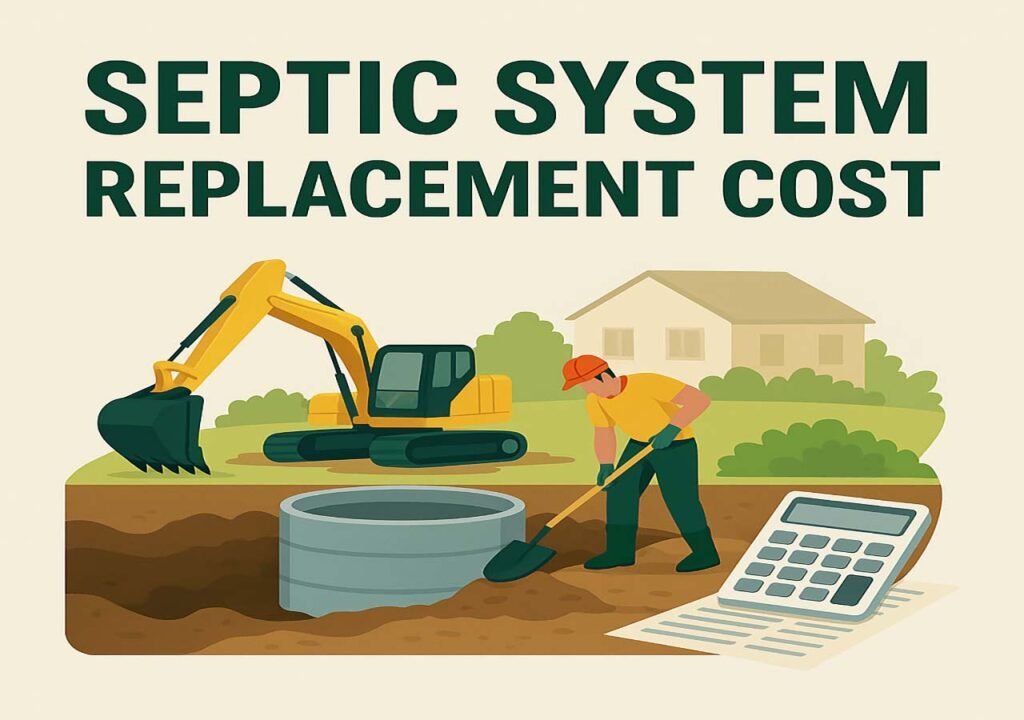
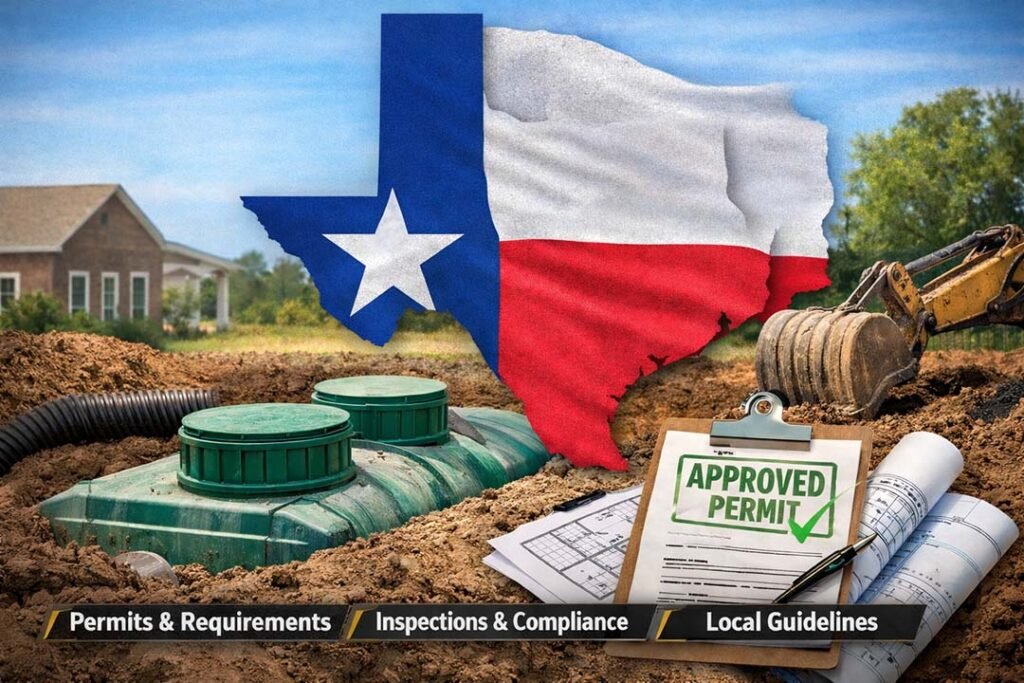
Understanding the cost of a septic system in Texas is an important step for homeowners planning new construction, replacing an old system, or buying property in rural areas. Septic systems are not one-size-fits-all. Prices vary widely based on soil conditions, system type, property size, and local regulations.
From hands-on field experience across Texas, one thing is consistent. Homeowners are often surprised by how many factors influence the final price. This guide explains real costs, what affects them, and how to budget wisely without sacrificing system performance or compliance.
Average Cost of a Septic System in Texas
In most parts of Texas, the total cost typically falls between $6,000 and $15,000. Some advanced or challenging installations can exceed $20,000, especially in areas with poor soil or strict county requirements.
Typical Price Ranges
| System Type | Average Cost Range |
|---|---|
| Conventional gravity system | $6,000 to $9,000 |
| Aerobic treatment unit | $9,500 to $15,000 |
| Mound septic system | $10,000 to $18,000 |
| Drip irrigation system | $12,000 to $20,000 |
| Septic system replacement | $7,000 to $25,000 |
These figures include design, permitting, materials, labor, and inspections in most cases.
What Factors Affect Septic System Costs in Texas
No two properties are the same. Several key factors directly influence pricing.
Soil Type and Site Conditions
Texas soil varies widely. Sandy soil drains well and lowers costs. Clay-heavy soil often requires advanced treatment systems, raising the overall price.
In rocky Hill Country areas, excavation alone can add $2,000 to $5,000 to a project.
System Type and Technology
Basic gravity systems are the least expensive. Aerobic systems cost more due to mechanical components, control panels, and ongoing maintenance requirements.
Drip and mound systems are often required when soil absorption is poor or groundwater is shallow.
Property Size and Home Layout
Larger homes produce more wastewater. A four-bedroom house may require a system nearly 30 percent larger than a two-bedroom home.
Long distances between the house and drain field also increase trenching and material costs.
County and State Regulations
Texas follows Texas Commission on Environmental Quality guidelines. Many counties impose additional rules.
Permitting fees typically range from $300 to $1,200 depending on location.
You can review official regulations through the Texas Commission on Environmental Quality.
Septic System Installation Cost Breakdown
From real-world project estimates, here is how costs are typically distributed.
| Cost Component | Estimated Percentage |
|---|---|
| Design and soil testing | 10 to 15 percent |
| Permits and inspections | 5 to 10 percent |
| Materials and system components | 35 to 45 percent |
| Labor and excavation | 30 to 40 percent |
Unexpected site conditions are the most common reason budgets increase mid-project.
Aerobic vs Conventional Septic Systems in Texas

Conventional Systems
Conventional septic systems operate using gravity and natural soil absorption to treat wastewater. These systems are straightforward in design, rely on fewer mechanical components, and are generally easier to maintain over time. Because they depend heavily on soil quality, they work best on rural properties with well-draining soil and sufficient land area for a full-size drain field. When site conditions are favorable, conventional systems tend to be the most cost-effective and long-lasting option.
Aerobic Systems
Aerobic septic systems use oxygen to break down waste more efficiently before it is dispersed into the environment. In many Texas counties, aerobic treatment units are required due to soil limitations, smaller lot sizes, or environmental protection rules. These systems produce cleaner effluent and require less space for the drain field, making them suitable for challenging sites. However, they come with higher installation costs and ongoing service needs. Based on field experience, routine inspections and servicing typically result in annual maintenance costs ranging from $200 to $350.
Septic System Maintenance Costs Over Time
Installation is only part of the long-term expense.
Typical Maintenance Costs
- Pumping every 3 to 5 years at $300 to $600
- Aerobic inspections two to four times per year
- Replacement of pumps or blowers every 5 to 8 years
A well-maintained system can last 25 to 40 years. Poor maintenance can cut that lifespan in half.
The Environmental Protection Agency provides useful maintenance guidance.
Real-World Cost Example from the Field
A three-bedroom home in Central Texas with clay soil required an aerobic system with spray irrigation.
- Soil evaluation and permits cost $1,100
- Aerobic unit and materials cost $6,800
- Excavation and installation cost $4,900
Total installed cost was $12,800.
A neighboring property with sandy soil installed a gravity system for $7,200 under similar home size conditions.
New Installation vs Septic System Replacement

A new septic system installation on vacant land is usually more straightforward and often less expensive than replacing an existing system. With new construction, contractors can design the system from scratch, select the best location, and work without the constraints of old infrastructure. Fewer unknowns during excavation typically lead to more predictable costs and timelines.
Septic system replacement projects tend to be more expensive due to additional steps that are not required for new installations. Old tanks and drain field components must be safely removed or decommissioned, and damaged soil may need remediation before a new system can be installed. These extra requirements can add anywhere from $3,000 to $8,000 to the overall project cost, depending on site conditions.
In many Texas counties, replacing a septic system also triggers mandatory upgrades to meet current regulations. Even systems that were compliant when originally installed may no longer meet today’s standards. As a result, homeowners may be required to install more advanced treatment systems, which further increases costs but ensures long-term compliance and environmental protection.
For new septic system installations, Dillon Septic provides reliable, code-compliant solutions tailored to Texas soil and site conditions. Their local expertise helps ensure efficient installation with long-term performance in mind. For septic system replacement, Dillon Septic handles system removal, upgrades, and regulatory compliance, delivering dependable service that minimizes delays and unexpected costs.
Can You Reduce Septic System Costs
While cutting corners is risky, there are smart ways to manage expenses.
Cost-Saving Tips
- Choose the right system for your soil, not the cheapest option
- Schedule installation during dry seasons
- Maintain your system to avoid premature failure
- Work with licensed local professionals familiar with county rules
From experience, homeowners who invest slightly more upfront often save thousands in repairs later.
Financing and Planning Considerations

For some homeowners, the upfront cost of a septic system can be reduced through local grants or low-interest loan programs. These options are more commonly available in environmentally sensitive areas or regions where upgraded wastewater treatment helps protect groundwater and nearby water sources. Availability varies by county and program, so early research can make a meaningful difference in overall project affordability.
It is also worth speaking directly with your septic installer about financing options and long-term planning. Many professional providers offer payment plans or maintenance contracts that help spread costs over time rather than requiring a large upfront expense. Planning ahead in this way can make septic system ownership more manageable while ensuring proper maintenance and long-term system performance.
Frequently Asked Questions
How much does a septic system cost in Texas on average
The cost of a septic system in Texas typically ranges from $6,000 to $15,000 for most residential properties. The final price depends on soil conditions, system type, property size, and local county requirements. Advanced systems or challenging sites can exceed this range.
Why does the cost of a septic system in Texas vary so much
Prices vary because Texas has diverse soil types, climate conditions, and county regulations. Factors such as rocky terrain, clay soil, required aerobic systems, and permitting fees all influence the overall installation cost.
Is an aerobic septic system more expensive than a conventional system in Texas
Yes, aerobic septic systems generally cost more to install and maintain than conventional systems. While they offer cleaner treatment and are required in many Texas counties, they involve mechanical components and ongoing service costs that increase long-term expenses.
Does replacing a septic system cost more than installing a new one
In many cases, replacement costs are higher than new installations. Removing old tanks, addressing soil damage, and meeting current regulations can add several thousand dollars to the total cost of a septic system in Texas.
Can septic system costs be reduced in Texas
Costs can sometimes be managed through proper planning, choosing the right system for the soil, and exploring financing or grant programs where available. Routine maintenance also helps prevent expensive repairs and early system failure.
Final Thoughts
The cost of a septic system in Texas depends on far more than just equipment prices. Soil conditions, regulations, and long-term maintenance all play a role.
From hands-on experience, the best results come from informed planning, proper design, and working with qualified professionals who understand local conditions.
If you are planning a new installation or replacement, take the time to evaluate options carefully. A properly installed septic system protects your property, your health, and your budget for decades to come.