A conventional septic system is one of the most common wastewater treatment solutions used in homes that are not connected to a municipal sewer line. If you live in a rural or semi-rural area, chances are your property depends on this system to safely manage household waste.
From years of field work, we have seen how a well-installed and properly maintained setup can last decades without major issues. At the same time, small mistakes like delayed pumping or poor water usage habits can shorten its lifespan significantly. Understanding how this system works helps homeowners avoid expensive repairs and keep everything running smoothly.
What Is a Conventional Septic System
A conventional septic system is an underground wastewater treatment setup that uses natural processes and soil filtration to treat water from your home. It is commonly used in areas where there is no access to a municipal sewer system and has proven to be a dependable solution for decades.
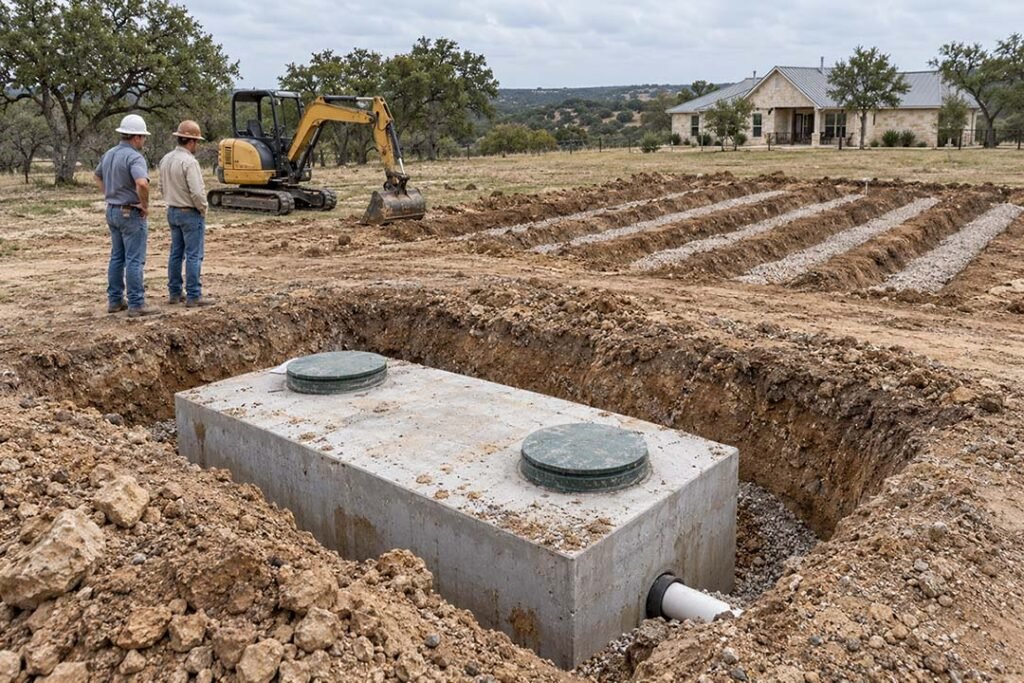
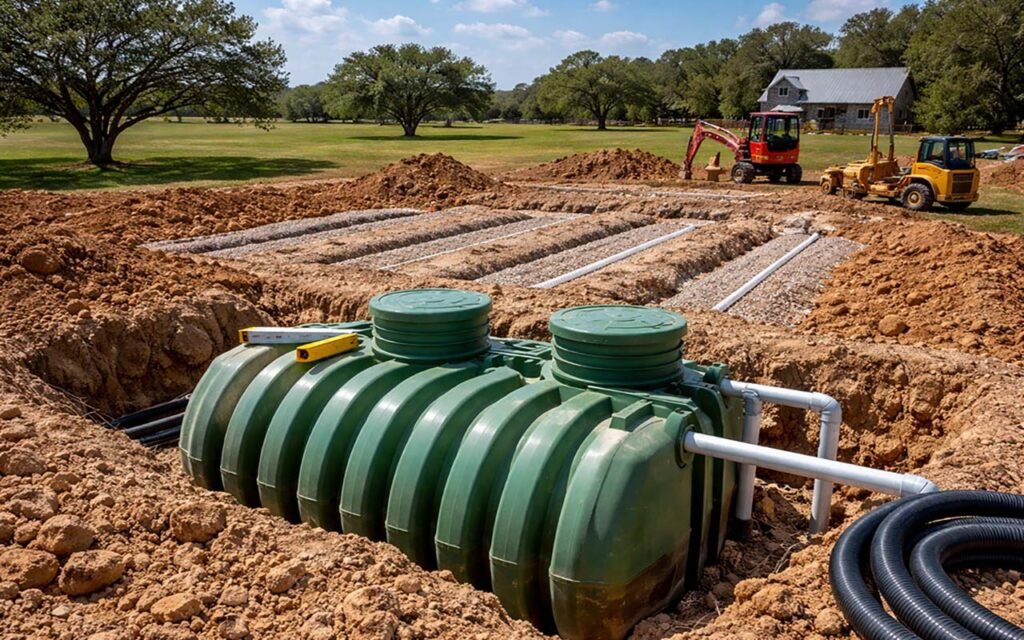
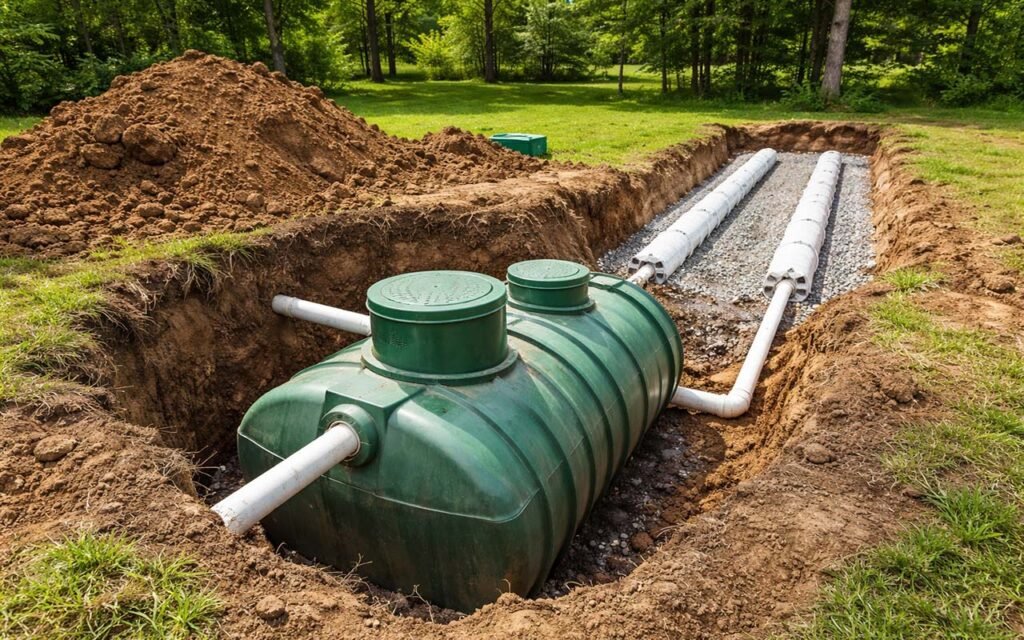
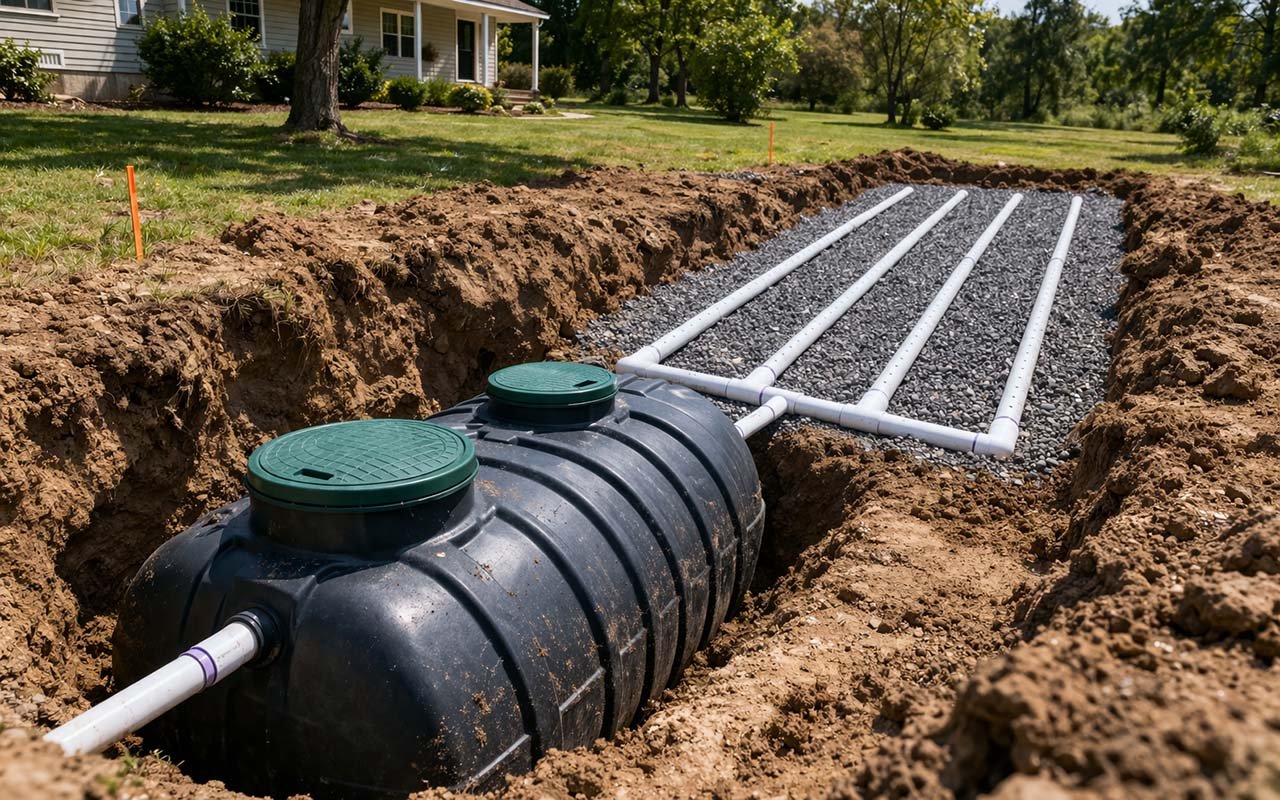
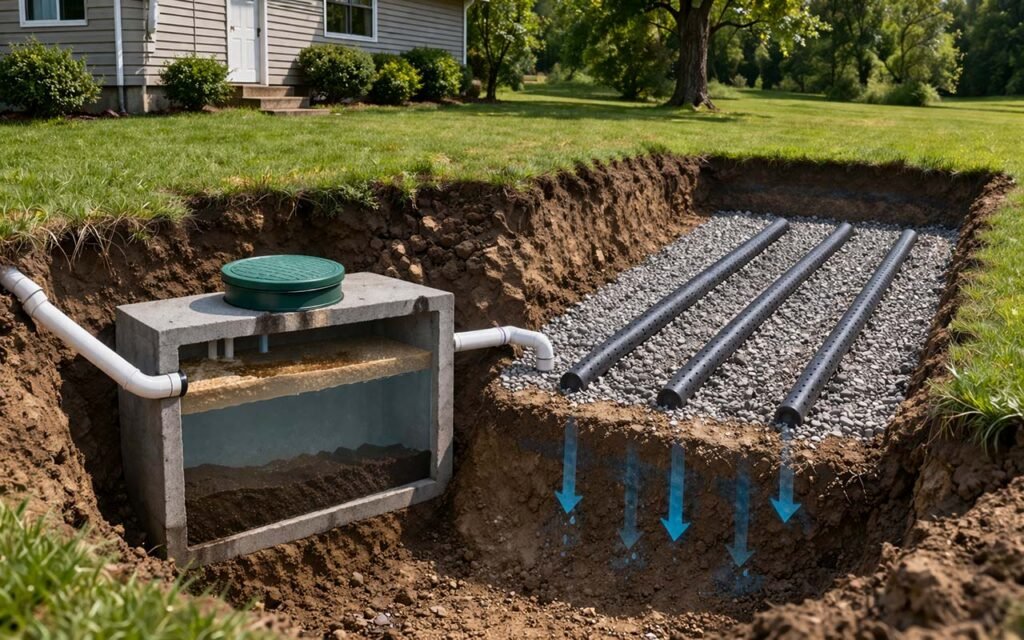
The system is made up of two main parts. The first is the septic tank, which collects wastewater from your home. The second is the drain field, also known as a leach field, where the treated liquid is distributed into the soil.
When wastewater enters the septic tank, the heavier solids settle at the bottom while oils and lighter materials float to the top. The liquid in between then flows out into the drain field. As it moves through the soil, it is naturally filtered and treated before returning safely to the environment.
This design has remained popular over the years because it is reliable, cost-effective, and relatively easy to maintain when handled properly.
How a Conventional Septic System Works
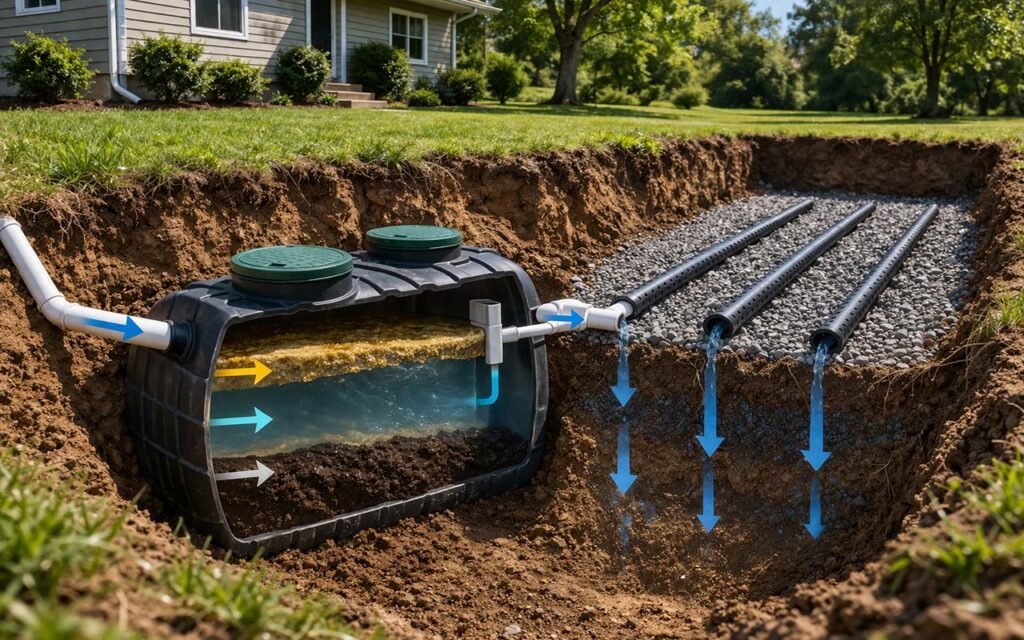
Understanding how a conventional septic system works can help you catch issues early and keep everything running efficiently. While the system itself is simple, each step plays an important role in treating wastewater properly.
When wastewater leaves your home, it travels through the main drain line and enters the septic tank. Inside the tank, the separation process begins. Heavy solids settle at the bottom, forming a layer of sludge, while oils and grease float to the top, creating a scum layer.
Between these two layers is a liquid portion called effluent. This liquid flows out of the tank and into the drain field. Once it reaches the drain field, it is slowly released into the soil. The soil then acts as a natural filter, removing harmful bacteria and contaminants before the water returns safely to the environment.
From real-world experience, many system failures are not caused by poor design but by overloading the system. Excessive water usage or skipping regular maintenance can overwhelm the tank. When this happens, solids can move into the drain field, leading to clogs and costly repairs. Keeping water usage balanced and staying on schedule with maintenance can prevent most of these issues.
Main Components of a Conventional Septic System
Each part of a conventional septic system plays a vital role in how well it performs and how long it lasts. When all components work together properly, the system can treat wastewater efficiently for many years without major issues.
Septic Tank
The septic tank is the first and most important part of the system. It is typically made from concrete, fiberglass, or durable plastic materials designed to withstand long-term underground use.
Its main function is to hold wastewater for a period of 24 to 48 hours. During this time, the tank separates waste into three layers. Solid waste settles at the bottom, forming sludge. Oils and grease float to the top, creating a scum layer. The liquid in between is then prepared to move to the next stage of treatment.
Drain Field
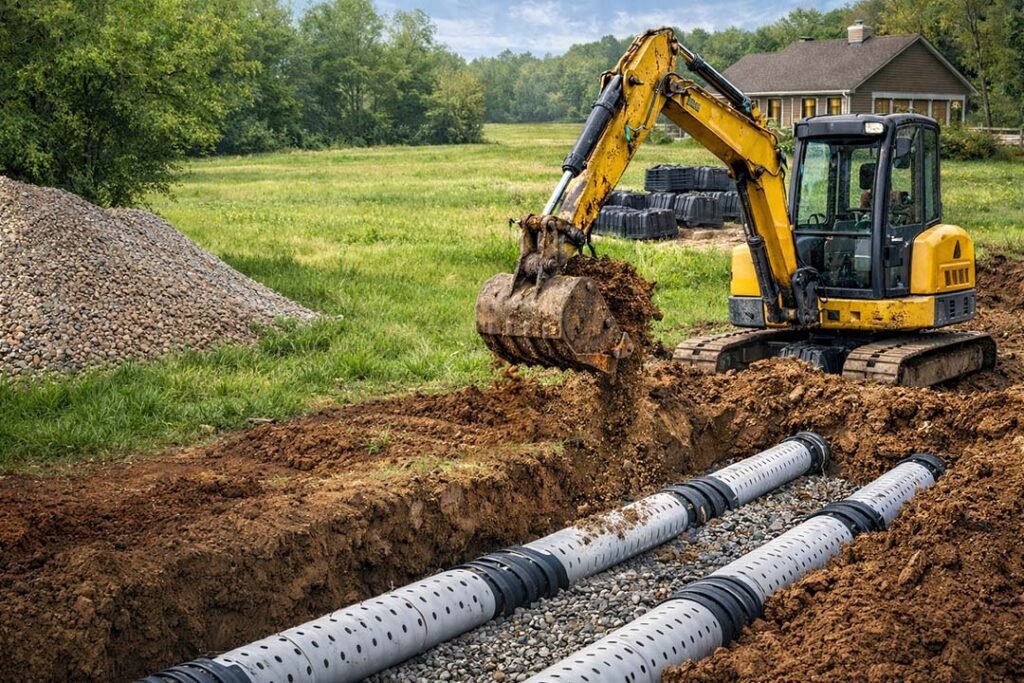
The drain field, also known as the leach field, is where the second stage of treatment takes place. It consists of a network of perforated pipes that are buried in gravel or sand.
As the liquid wastewater leaves the septic tank, it flows into these pipes and is evenly distributed into the surrounding soil. This process allows the wastewater to be treated gradually and safely.
Soil
The soil is a critical part of the entire system, even though it is often overlooked. It acts as a natural filtration layer that removes harmful bacteria, viruses, and contaminants from the wastewater.
As the liquid passes through the soil, it undergoes final treatment before re-entering the groundwater system. The quality and type of soil can directly affect how well a conventional septic system performs over time.
Typical Specifications and Performance
Understanding the typical specifications of a conventional septic system helps homeowners plan maintenance and manage daily usage effectively. These general ranges provide a practical baseline, allowing you to estimate capacity, lifespan, and service intervals based on average household conditions.
| Feature | Typical Range |
|---|---|
| Tank size | 1000 to 1500 gallons |
| Household size | 3 to 5 people |
| Pumping frequency | Every 3 to 5 years |
| Lifespan | 20 to 30 years |
| Drain field lifespan | 15 to 25 years |
| Daily wastewater volume | 300 to 500 gallons |
These values can vary depending on water usage habits, soil type, and overall system care. Homes with higher water consumption or poor soil drainage may require more frequent maintenance, while well-managed systems often exceed average performance expectations and last longer.
Advantages of a Conventional Septic System
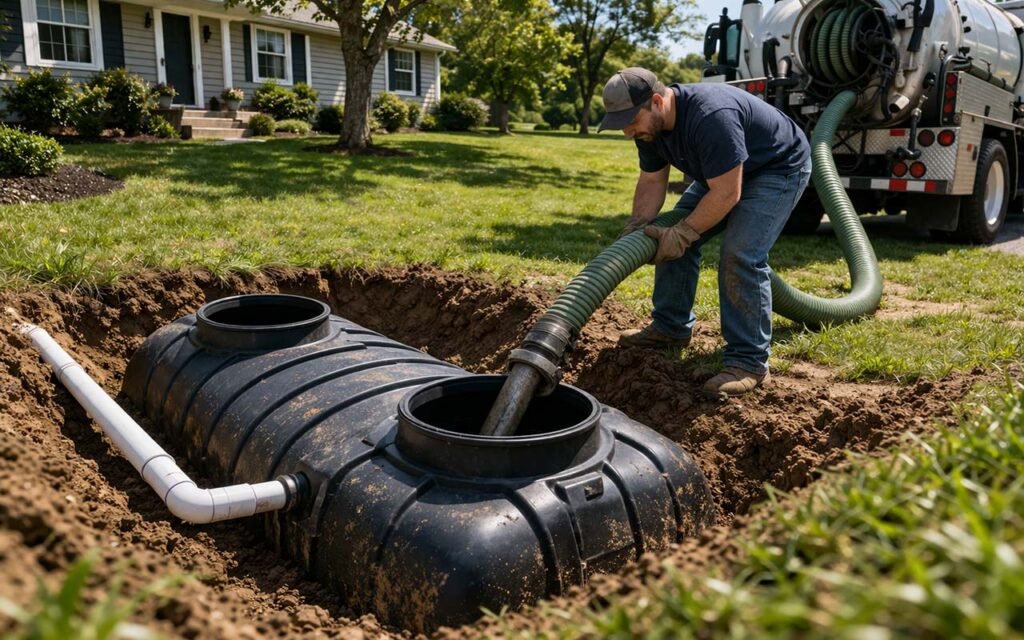
Many homeowners choose a conventional septic system because of its simplicity and dependable performance. It does not rely on complex technology, which makes it easier to manage and more predictable over time compared to advanced wastewater treatment systems.
One of the main advantages is the lower installation cost, especially when compared to alternative systems that require pumps or additional components. It also operates without electricity in most cases, which reduces ongoing energy costs and limits the chances of mechanical failure.
With proper maintenance, a conventional septic system can last for decades. Routine pumping and mindful water usage help extend its lifespan and keep it functioning efficiently. Repairs are generally straightforward, and most issues can be addressed without replacing the entire system.
From real-world experience, properties that follow a consistent maintenance schedule rarely encounter serious problems. Preventive care plays a major role in avoiding system failures and keeping long-term costs under control.
Common Problems and Causes
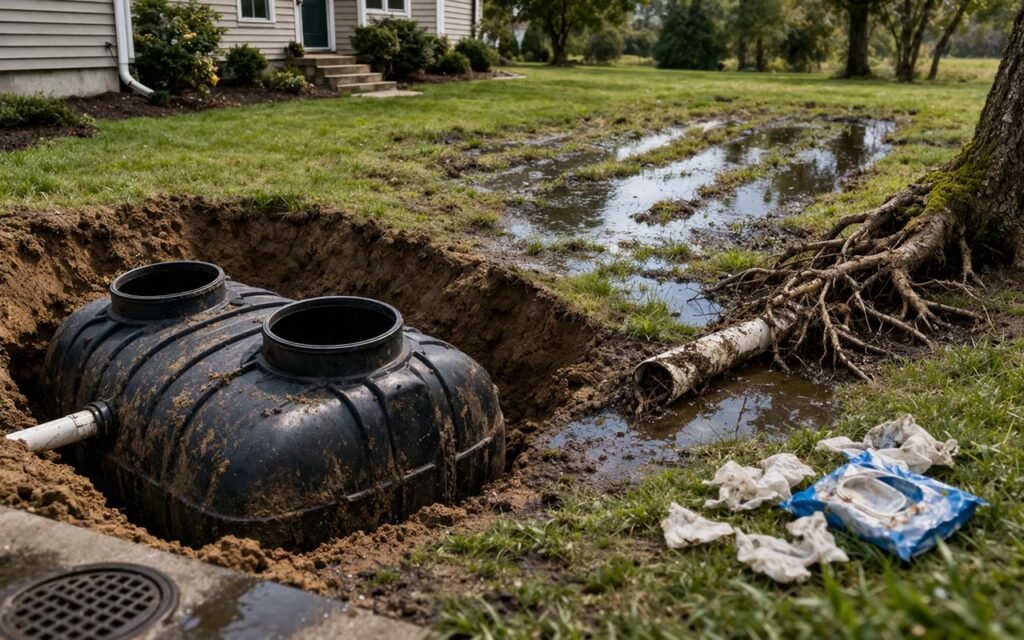
Even a well-installed conventional septic system can develop issues if it is not properly maintained. Most problems build up gradually and become noticeable only when the system is already under stress, which is why early awareness is important.
Homeowners often first notice warning signs inside or around the property. Slow drains in sinks and showers can indicate buildup in the system. Unpleasant sewage odors in the yard may suggest leaks or improper treatment. In more serious cases, standing water over the drain field or wastewater backing up into toilets and sinks can signal system failure.
These problems are usually linked to a few common causes. Skipping regular pumping allows sludge levels to rise and interfere with normal operation. Excessive water usage can overload the system and prevent proper separation inside the tank. Flushing non-biodegradable items such as wipes or hygiene products can block pipes and reduce efficiency. Tree roots can also grow into underground components, causing damage and restricting flow.
Addressing these causes early and maintaining a regular service schedule can prevent most major septic system issues.
Maintenance Tips for Long-Term Performance
Regular maintenance is the most effective way to keep a conventional septic system functioning properly and to avoid costly repairs. Consistent care not only improves system efficiency but also extends its lifespan and reduces the risk of unexpected failures.
Homeowners should follow a few essential practices to maintain long-term performance. The septic tank should be pumped every 3 to 5 years to prevent sludge buildup. Fixing leaks in faucets and toilets helps reduce excess water entering the system. It is also important to spread out laundry loads to avoid overloading the tank. Avoid flushing wipes, grease, and harsh chemicals, as these can disrupt the natural treatment process. In addition, keeping heavy vehicles off the drain field protects the soil structure and prevents pipe damage.
From professional experience, many homeowners assume their system is working fine because there are no visible warning signs. However, most issues begin inside the tank and develop over time. Routine inspections allow problems to be identified early, helping to prevent major damage and ensuring the system continues to operate efficiently.
Installation Considerations
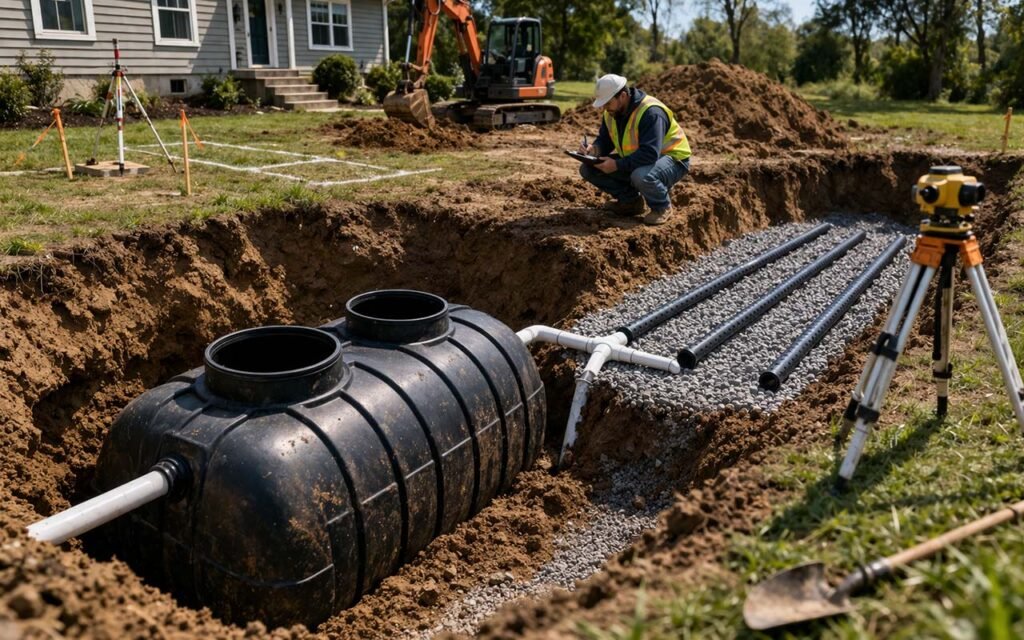
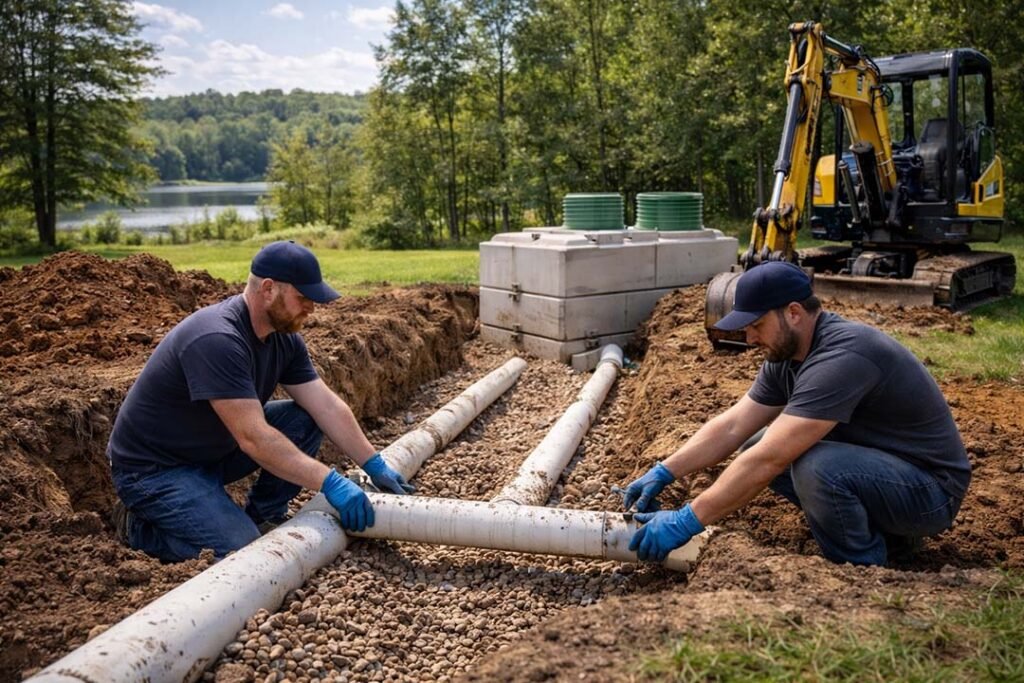
Proper installation is essential for the long-term performance of a conventional septic system. Even a well-designed system can fail early if it is not installed according to site conditions and local requirements. Careful planning at this stage helps prevent future issues and ensures reliable operation.
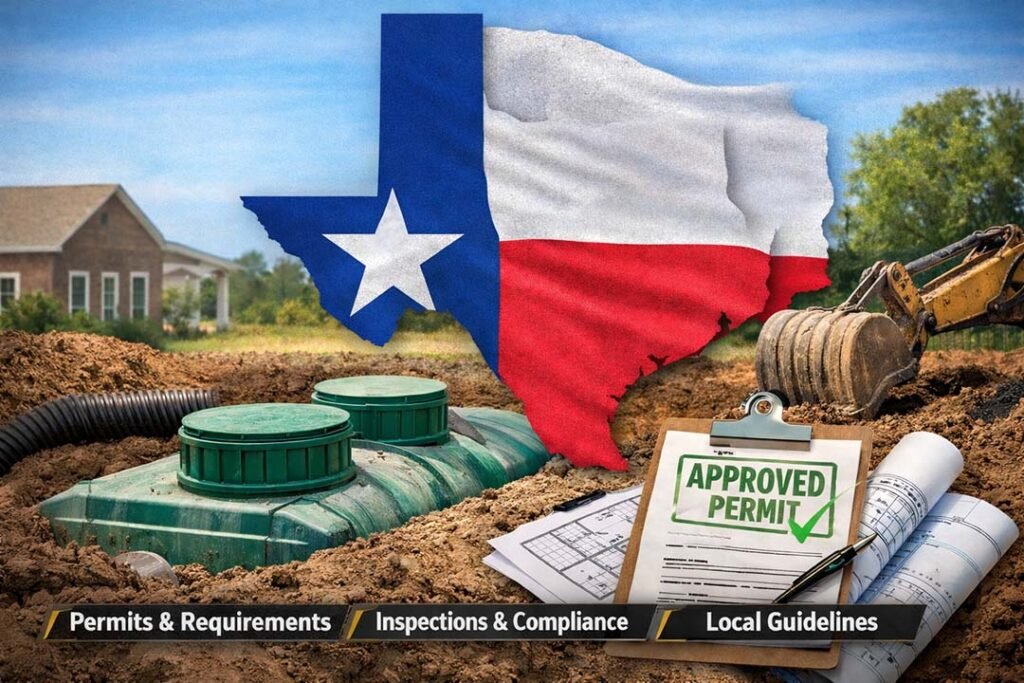
Several factors directly influence the installation process. Soil type and drainage capability determine how well wastewater will be absorbed and treated. Property size and layout affect system placement and design. Local regulations and permit requirements must be followed to meet safety and environmental standards. The distance from wells, water sources, and structures is also critical to avoid contamination risks.
A poorly installed system can begin to show signs of failure within just a few years, regardless of how well it is maintained. Ensuring proper evaluation and professional installation from the start is key to long-term system success.
Cost of a Conventional Septic System
The cost of a conventional septic system can vary based on location, soil conditions, and property size. Understanding these typical expenses helps homeowners plan their budget and make informed decisions about installation, maintenance, and long-term system care.
| Item | Estimated Cost Range |
|---|---|
| Installation | 3000 to 8000 USD |
| Inspection | 100 to 300 USD |
| Pumping | 250 to 600 USD |
| Minor repairs | 500 to 2000 USD |
| Drain field replacement | 5000 to 15000 USD |
These costs can increase depending on site complexity, accessibility, and local labor rates. Regular inspections and timely maintenance play a major role in controlling expenses and preventing unexpected repairs that can significantly impact your budget.
Investing in routine care is far more cost-effective than dealing with major system failures. A well-maintained septic system not only reduces repair costs but also extends its lifespan, helping homeowners avoid the high expense of full system replacement.
When to Call a Professional
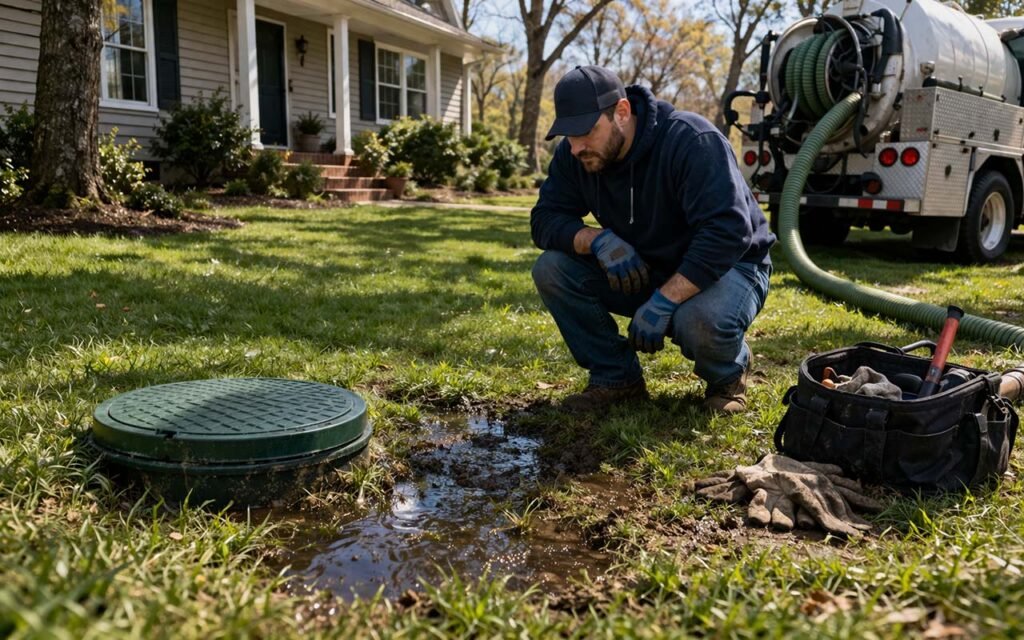
Knowing when to call a professional is essential for preventing serious septic system damage. Early action can reduce repair costs, protect your property, and ensure the system continues to operate safely and efficiently over time.
There are several warning signs that indicate your system may need professional attention. Slow-draining sinks, showers, or toilets often suggest a blockage or buildup inside the system. Gurgling sounds in pipes can point to airflow issues or developing clogs. Foul odors inside the home or around the yard may indicate leaks or improper waste treatment. Wet or soggy areas above the drain field are often a sign that the system is overloaded or failing.
Ignoring these symptoms can lead to more severe problems, including system backups, drain field damage, and potential environmental contamination. Prompt inspection and service by a qualified professional can help identify the issue early and prevent costly repairs.
Dillon Septic is a trusted septic service provider based in Spring Branch, known for delivering reliable and professional solutions. We specialize in conventional septic system installation, maintenance, and repair services across Texas, ensuring long-lasting performance and customer satisfaction through expert workmanship.
Frequently Asked Questions
What is a conventional septic system
A conventional septic system is an underground wastewater treatment system commonly used in homes without access to a public sewer line. It uses a septic tank and a drain field to treat and filter wastewater naturally through the soil.
How does a conventional septic system work
Wastewater flows from your home into the septic tank, where solids settle and oils rise to the top. The liquid in between then moves to the drain field, where the soil filters and treats it before it safely returns to the environment.
How much does a conventional septic system cost
The cost of a conventional septic system typically ranges from 3000 to 8000 USD for installation. Additional costs such as inspections, pumping, and repairs can vary depending on system size, location, and site conditions.
How long does a conventional septic system last
A properly maintained conventional septic system can last between 20 and 30 years. Regular pumping, inspections, and responsible water usage play a key role in extending the system’s lifespan and preventing early failure.
Final Thoughts
A conventional septic system continues to be one of the most reliable and practical wastewater solutions for homeowners, especially in areas without access to municipal sewer systems. Its simple design and reliance on natural soil filtration make it both effective and cost-efficient over the long term. When installed correctly and maintained on a regular schedule, this type of system can perform efficiently for decades without major complications.
The key to long-term performance is consistent care and proactive attention. Regular inspections, timely pumping, and responsible water usage all contribute to system longevity and reliability. Small preventive steps can make a significant difference in avoiding costly repairs or replacements.
If you begin to notice early warning signs or want to schedule routine service, it is always best to act quickly. Prompt action helps protect your property and ensures your system continues to operate safely.