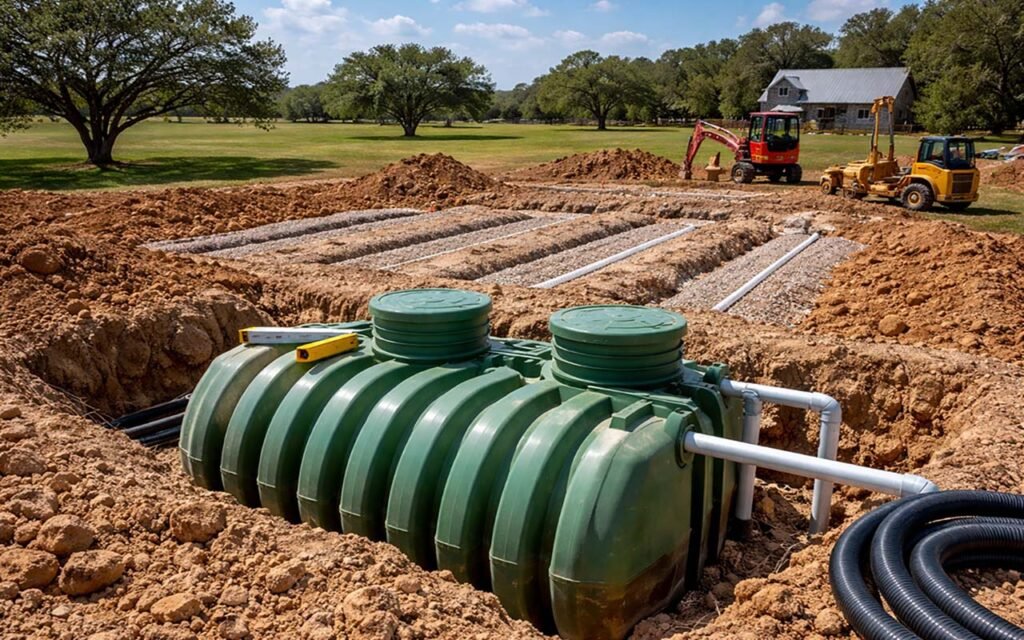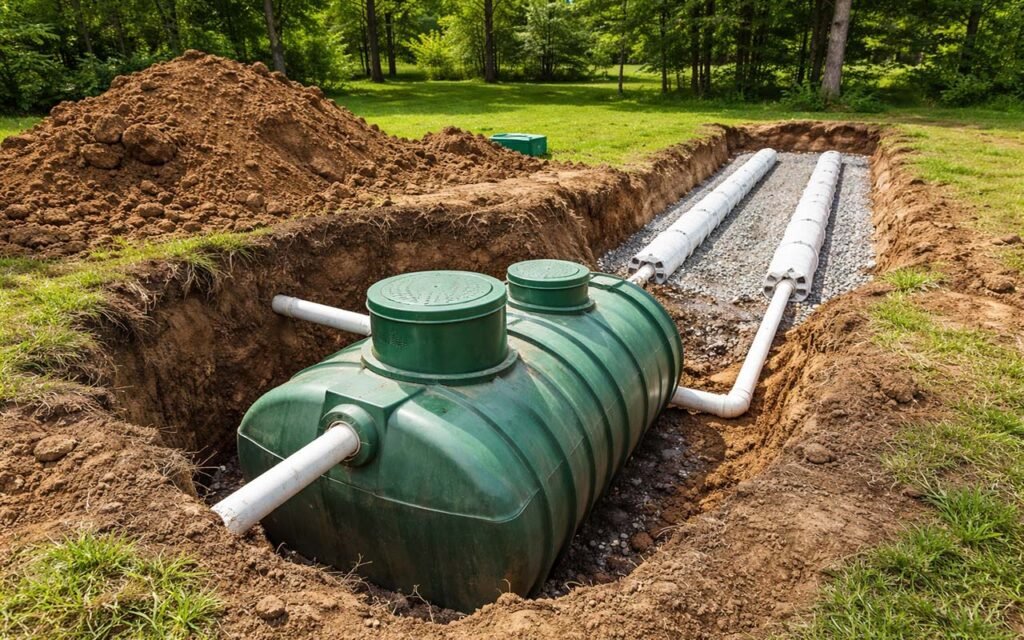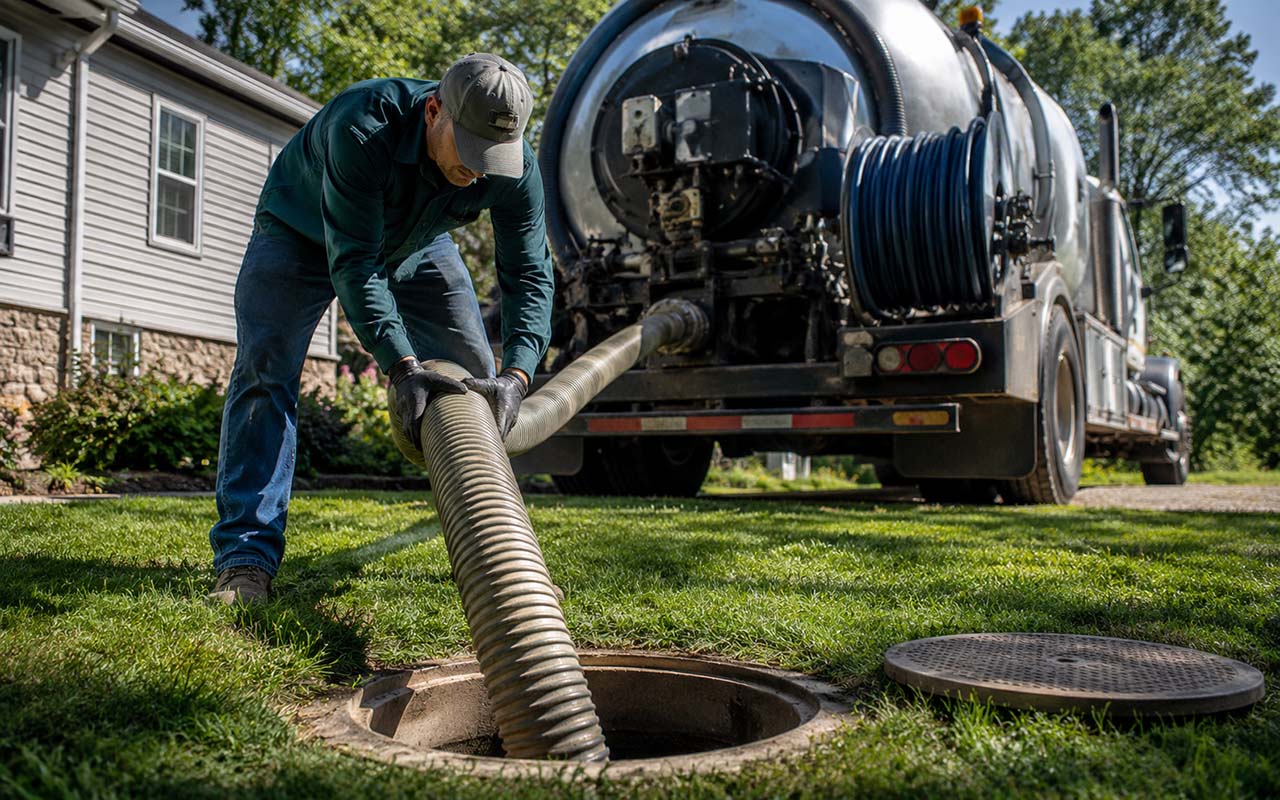
Many rural and older properties across Texas still operate with septic systems installed decades ago. Some of these systems fall under what regulators call “grandfathered” status. Homeowners often hear the phrase but are unsure what it actually means or how it affects property ownership, inspections, repairs, or future upgrades.
A grandfathered septic system in Texas usually refers to an older onsite wastewater treatment system that was legally installed under previous regulations and allowed to remain in use even though modern rules have changed. That status can protect owners from immediate replacement costs, but it does not eliminate maintenance responsibilities or health and safety requirements.
At Dillon Septic, we regularly inspect older systems throughout Texas and see many cases where homeowners misunderstand their legal obligations. Understanding how these systems work can help avoid expensive surprises during property sales, county inspections, or repair emergencies.
What Makes a Septic System “Grandfathered” in Texas
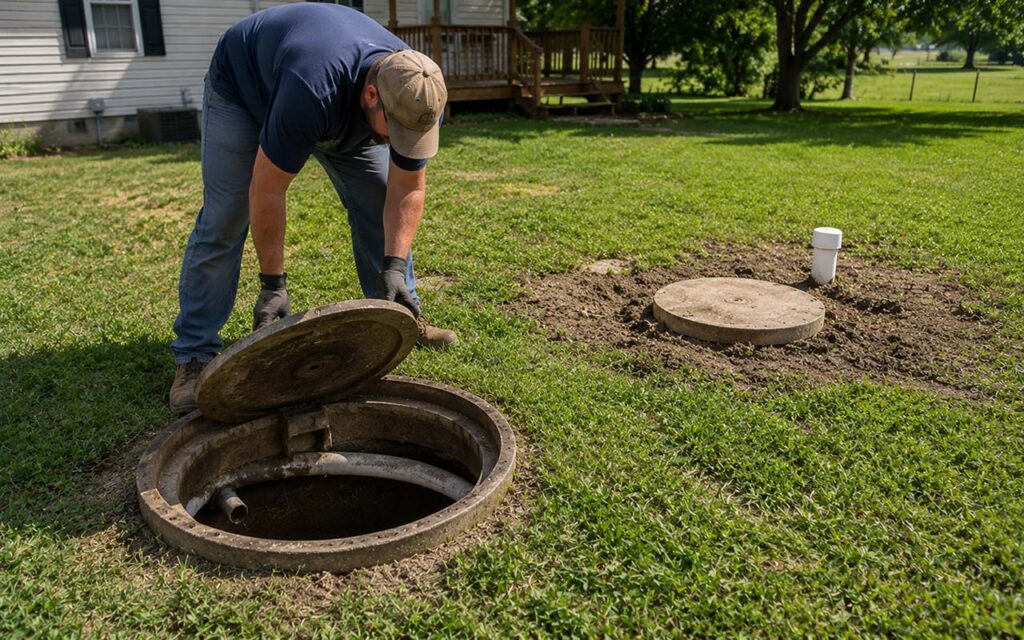
A septic system becomes grandfathered when it was installed legally under the regulations active at the time of installation. Texas counties and environmental agencies generally allow these systems to continue operating if they still function safely and do not create environmental hazards.
This does not mean the system is exempt from all rules forever. A grandfathered unit must still avoid sewage leaks, groundwater contamination, and public health violations. If serious failures occur, owners may need to upgrade portions of the system to current code requirements.
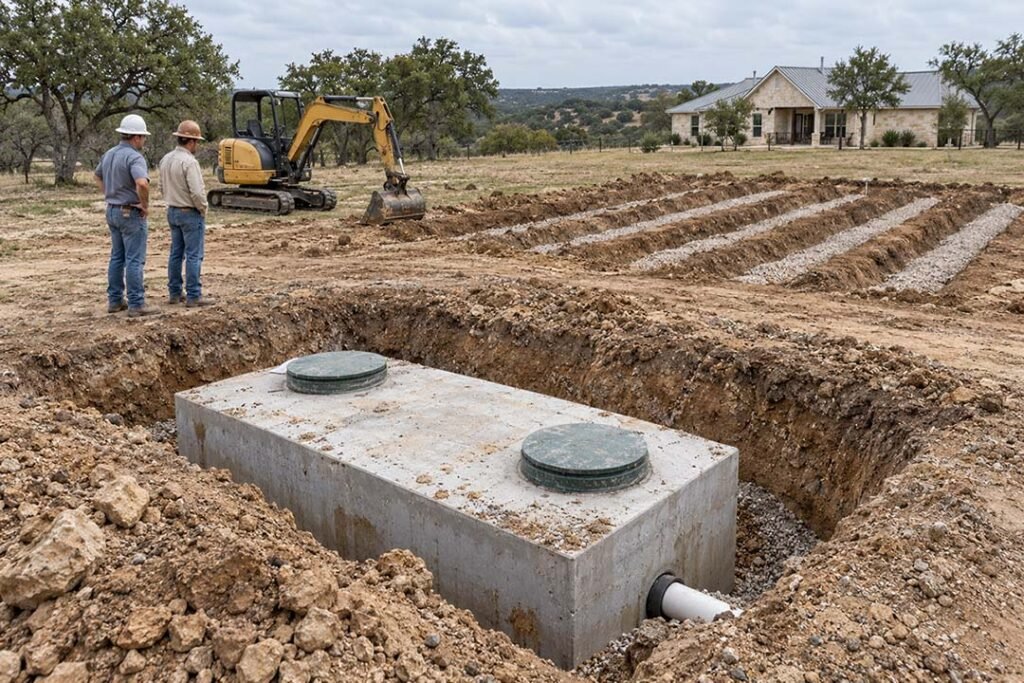
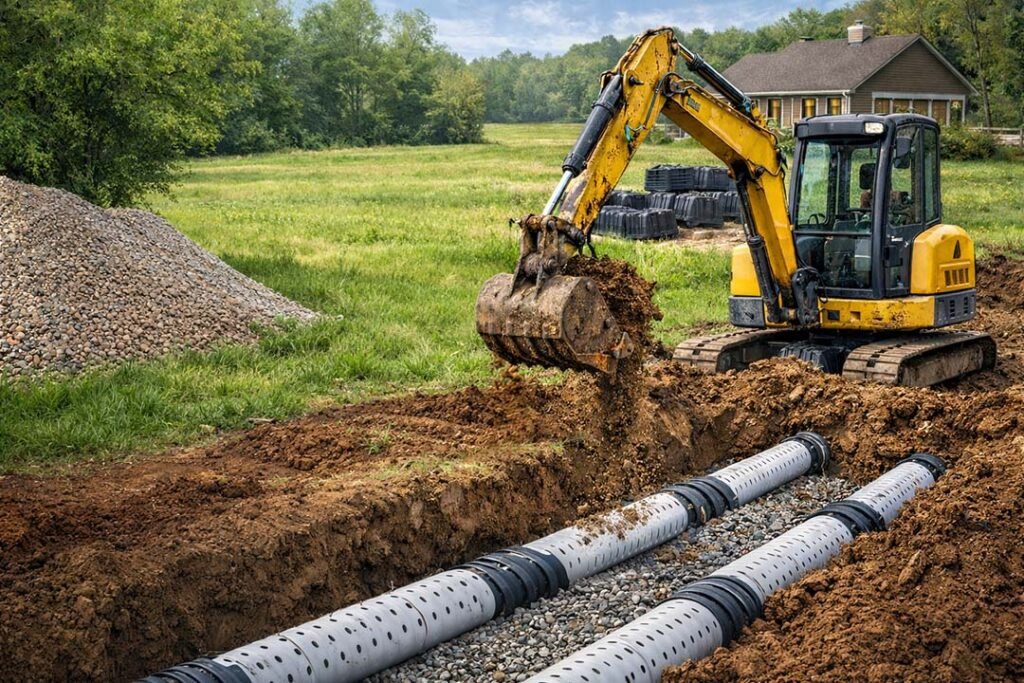
In many rural Texas counties, septic systems installed before modern permitting programs were common. Some properties even have systems built before detailed records existed. During field inspections, we often find aging tanks or drain fields that technically qualify under older standards but still need careful evaluation.
The key issue is functionality. A system that safely processes wastewater may remain in use for years. A failing system usually triggers additional regulatory review.
Why Texas Allows Older Septic Systems to Remain
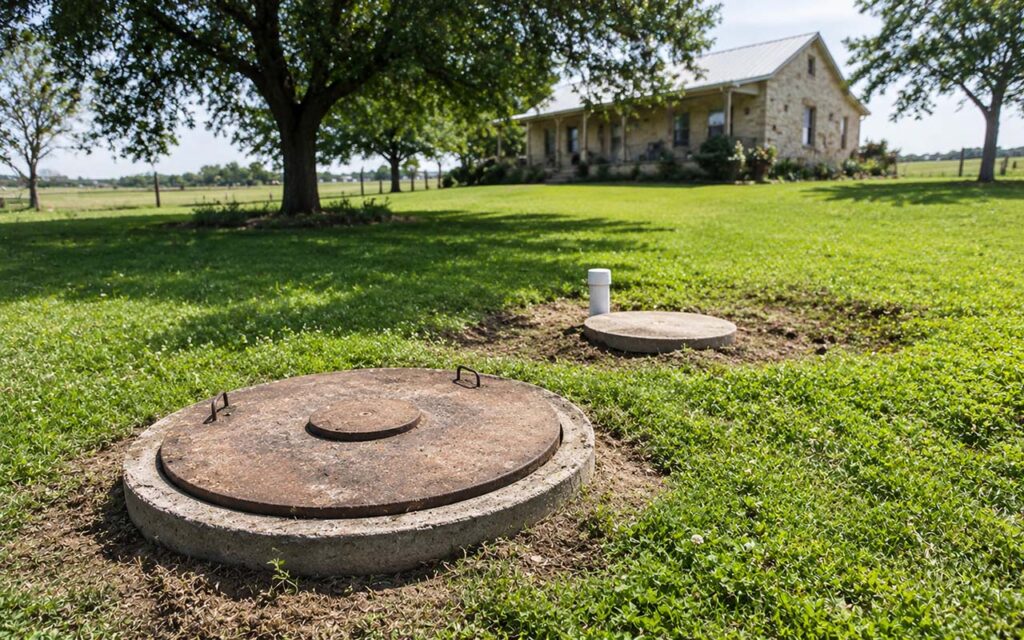
Texas has millions of rural acres where septic systems remain essential infrastructure. Requiring every older system to meet modern standards immediately would create major financial burdens for homeowners and landowners.
The Texas Commission on Environmental Quality, commonly called TCEQ, allows flexibility for older onsite wastewater systems when they are not causing health risks. This approach helps balance environmental protection with realistic property management costs.
Older systems can still perform effectively when maintained properly. We have inspected systems more than 30 years old that continue operating efficiently because owners consistently pumped tanks, protected drain fields, and limited water overload.
However, Texas counties may apply different enforcement standards depending on population density, environmental sensitivity, and local health concerns. Some counties enforce stricter inspection requirements than others.
Property owners should never assume grandfathered status automatically protects them during real estate transactions or renovation projects.
Common Signs an Older Septic System May Need Attention
A grandfathered septic system may continue operating legally for years, but aging components eventually create performance issues. Homeowners should watch for early warning signs before expensive damage develops.
Some common indicators include:
- Slow drains throughout the house
- Standing water near the drain field
- Sewage odors outdoors
- Gurgling plumbing sounds
- Frequent backups during heavy water use
In our field experience, many Texas homeowners wait too long before calling for an inspection. Small issues often become major drain field failures when ignored for months or years.
Soil conditions also matter significantly. Heavy clay soil, common across parts of Central Texas, can increase stress on aging drain fields because wastewater absorbs more slowly. Excessive rainfall can create similar problems.
Routine inspections help identify whether a system still qualifies for continued use or requires partial upgrades under current standards.
How County Regulations Affect Grandfathered Systems
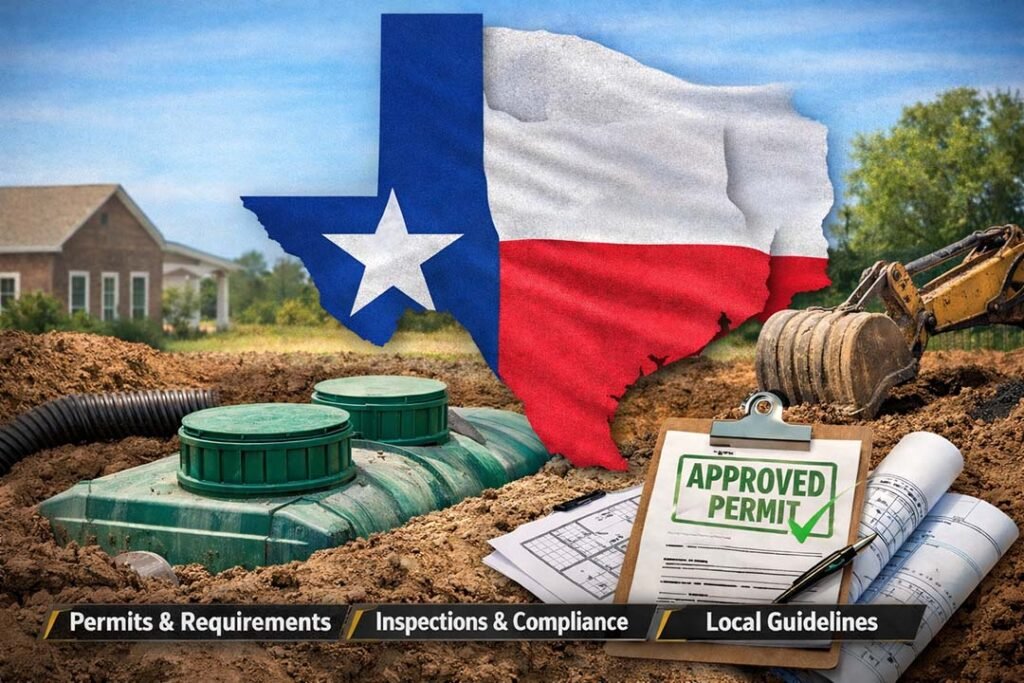
County regulations play a major role in determining how older septic systems are treated. While TCEQ establishes statewide wastewater guidelines, local authorities often manage permits, inspections, and enforcement procedures.
Some counties maintain detailed historical permit records while others have incomplete documentation for older rural properties. This creates challenges during home sales or land development projects.
The table below outlines common county-level septic considerations in Texas.
| Situation | Possible Requirement |
|---|---|
| Existing functional system | Allowed to remain in service |
| Property expansion | System upgrade may be required |
| Major repair work | Current code compliance may apply |
| Home sale inspection | Documentation may be requested |
| Health hazard complaint | Immediate corrective action possible |
We often advise homeowners to contact local permitting offices before making property improvements. Adding bedrooms, guest houses, or commercial activity can increase wastewater demand and trigger regulatory review.
Even when a septic system qualifies as grandfathered, modifications to the property itself can change compliance requirements.
Septic Inspections During Property Sales
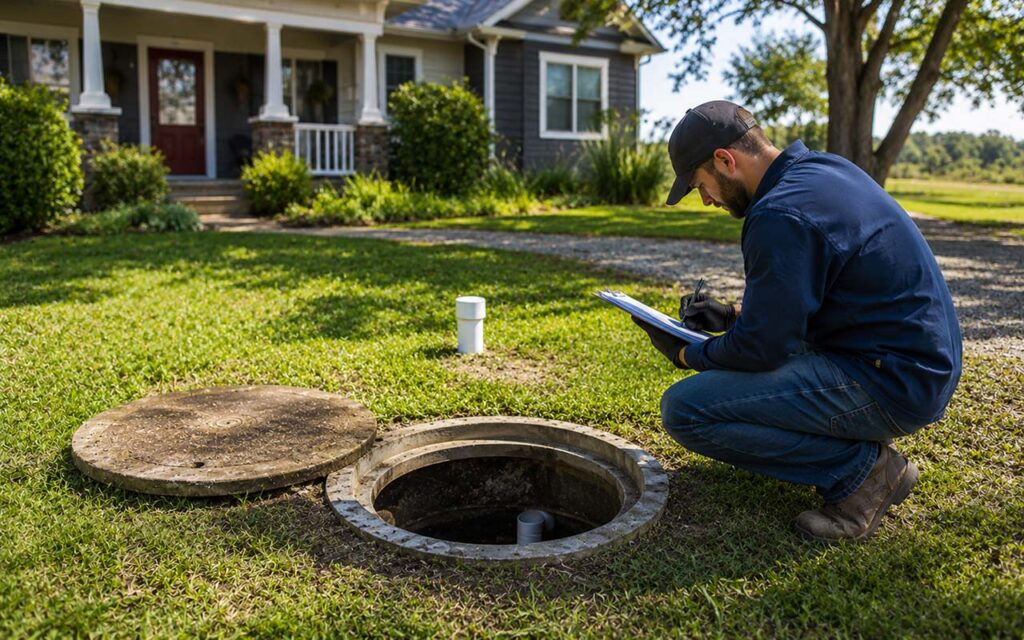
Real estate transactions frequently expose problems with older septic systems. Buyers, lenders, and inspectors often request proof that the system operates properly and complies with local regulations.
In Texas, a grandfathered septic system does not automatically reduce property value, but uncertainty about condition or permitting can create negotiation problems. Buyers usually want reassurance that the system will not require immediate replacement.
At Dillon Septic, we commonly inspect older systems where tanks remain structurally sound but distribution lines or drain fields show signs of stress. These situations may not require full replacement, but they often need maintenance or targeted repairs.
A proper inspection typically evaluates:
- Tank condition
- Sludge levels
- Drain field performance
- Visible leakage
- System location
- Maintenance history
Older systems without clear documentation may require additional evaluation. Some counties request site drawings or operational verification before approving property transfers.
Homeowners who schedule inspections early often avoid delays during closing negotiations.
When Grandfathered Systems Lose Protected Status
A grandfathered septic system can lose protected status under certain conditions. This usually happens when the system fails completely, creates health hazards, or undergoes substantial modification.
Texas regulators may require upgrades if wastewater surfaces on the property, contaminates nearby water sources, or affects neighboring land. Structural failures also commonly trigger replacement requirements.
We have seen cases where homeowners unknowingly void grandfather protections by making unauthorized plumbing additions. Extra bathrooms, RV hookups, or converted garages can overload systems originally designed for smaller wastewater volumes.
Some situations that may require upgrades include:
- Severe drain field failure
- Tank collapse
- Illegal discharge problems
- Significant home expansion
- Environmental contamination findings
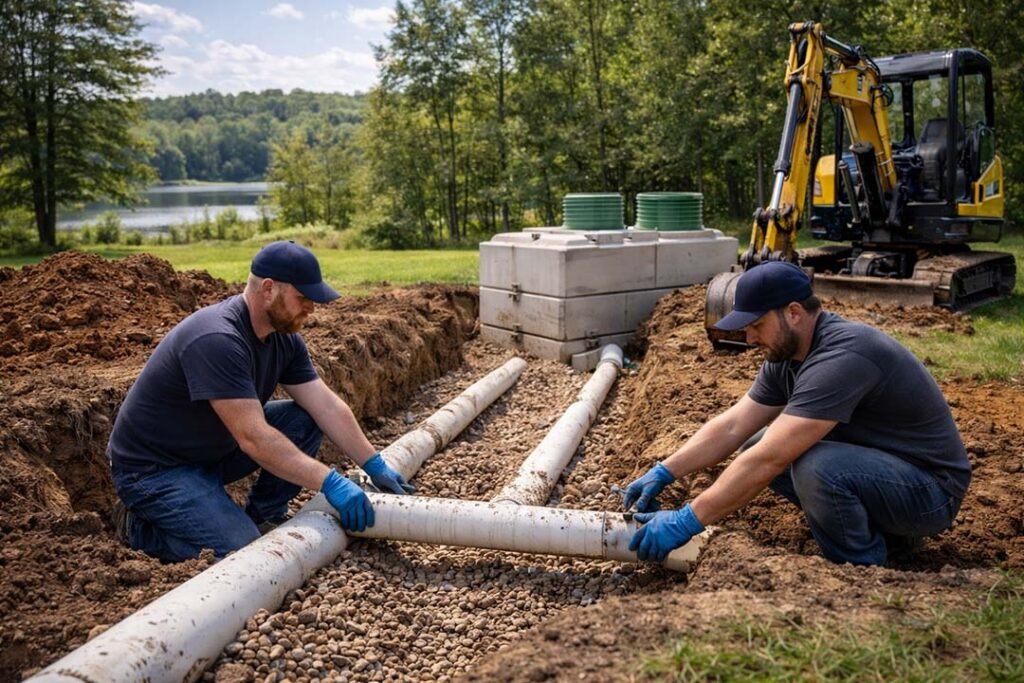
Once major replacement work begins, modern regulations often apply to the new installation. This can include updated setback distances, treatment requirements, and larger drain field sizing.
Understanding these risks before starting renovations can save homeowners thousands of dollars in unexpected compliance costs.
Maintenance Practices That Extend Septic System Life
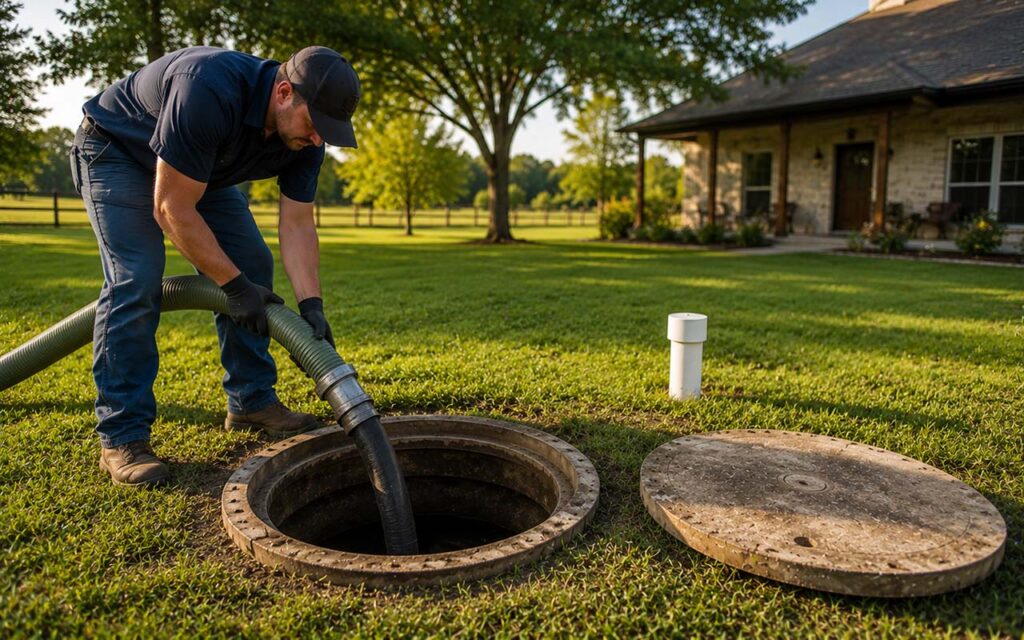
Proper maintenance remains the most important factor in extending the life of older septic systems. Even systems installed decades ago can continue functioning effectively when homeowners follow consistent care practices.
Regular pumping helps prevent sludge buildup that can damage drain fields. Most residential tanks require pumping every three to five years depending on household size and water usage patterns.
Water conservation also matters. Excessive laundry loads, leaking toilets, and high daily water use place unnecessary stress on older systems.
In our experience servicing Texas properties, homeowners who protect their drain fields from vehicle traffic often avoid expensive repairs. Compacted soil reduces the field’s ability to absorb wastewater naturally.
Additional maintenance recommendations include:
- Avoid flushing grease or wipes
- Redirect heavy rainwater away from drain fields
- Schedule periodic inspections
- Repair plumbing leaks quickly
- Limit chemical overuse inside the home
Routine preventive care almost always costs less than emergency system replacement. Dillon Septic provides reliable septic installation and professional septic service in Spring Branch, helping homeowners maintain safe, efficient systems with experienced local support and long-term care solutions.
Environmental Concerns and Modern Standards
Modern septic regulations exist largely to protect groundwater and public health. Older systems were often built before today’s understanding of wastewater treatment risks became widespread.
Texas has experienced rapid population growth over the last two decades. According to the Texas Demographic Center, many rural counties continue seeing increased residential development, placing greater pressure on wastewater infrastructure.
Older septic systems located near lakes, rivers, or shallow groundwater areas receive closer regulatory attention because failing systems can contribute to contamination risks.
The Environmental Protection Agency notes that poorly maintained septic systems can release harmful bacteria, nitrogen, and phosphorus into nearby ecosystems. These pollutants may affect drinking water quality and aquatic environments.
Even when a grandfathered septic system remains legal, upgrading aging components can improve environmental performance and long-term property value.
Many homeowners now choose proactive modernization instead of waiting for full system failure.
The Importance of Professional Septic Evaluations
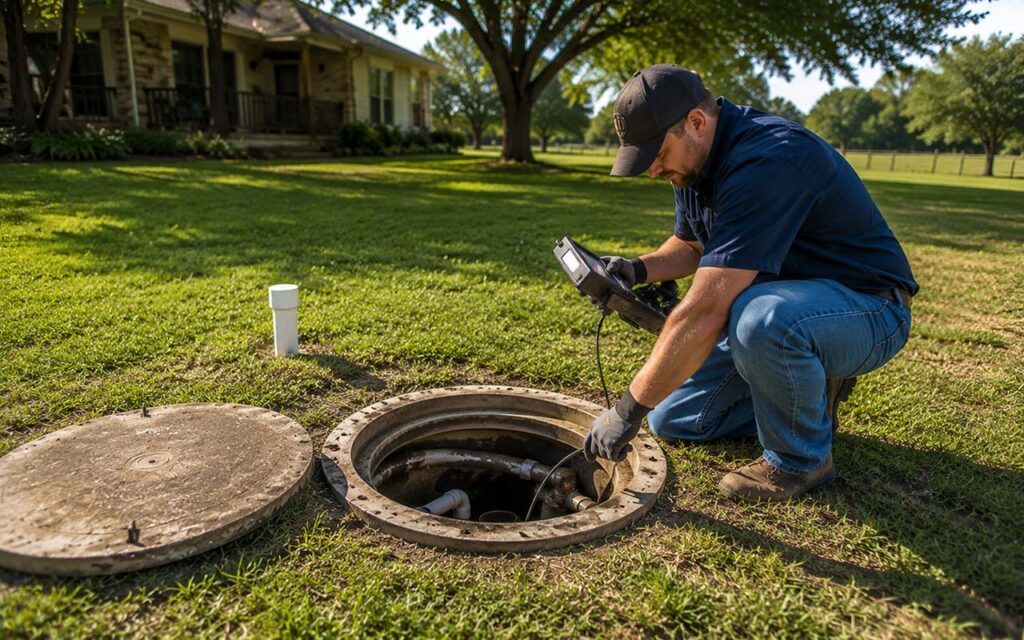
Older septic systems often require experienced evaluation because visible symptoms alone rarely tell the full story. A system may appear functional on the surface while hidden structural damage develops underground.
Professional inspections help determine whether repairs, pumping, or modernization would provide the best long-term outcome. At Dillon Septic, we regularly evaluate older systems throughout Texas and help property owners understand realistic maintenance expectations.
Field inspections often reveal issues homeowners never noticed, including cracked tank lids, root intrusion, or uneven wastewater distribution. Catching these problems early usually lowers repair costs substantially.
A professional evaluation also provides valuable documentation during property sales, refinancing, or county permitting reviews. In many cases, a well-maintained older system can continue operating safely for years with only moderate upgrades.
Texas homeowners should view septic maintenance as long-term property protection rather than a short-term expense.
Frequently Asked Questions
Can grandfathered septic systems in Texas still be used legally?
Yes. Many older septic systems in Texas can continue operating legally if they were properly installed under previous regulations and still function safely. However, systems that create health hazards or environmental problems may require upgrades or replacement.
Do I need to replace my old septic system when buying a home?
Not always. A septic system does not automatically need replacement because of age alone. A professional inspection can determine whether the tank, drain field, and overall system are still functioning properly before the property sale is finalized.
What happens if a septic system fails inspection?
If a system fails inspection, the homeowner may need repairs, pumping, or partial replacement work depending on the severity of the issue. In some cases, local authorities may require upgrades to meet current wastewater regulations.
How long do older septic systems usually last?
A properly maintained septic system can last 25 to 40 years or longer. Lifespan depends on soil conditions, maintenance frequency, household water usage, and the quality of the original installation.
Can remodeling affect grandfathered septic systems in Texas?
Yes. Adding bedrooms, bathrooms, guest houses, or increasing water usage can trigger county review. Some remodeling projects may require the septic system to meet newer code standards before approval.
Conclusion
Understanding grandfathered septic systems in Texas helps homeowners make smarter decisions about maintenance, repairs, and property investments. While older systems may continue operating legally under previous regulations, they still require proper care and responsible management.
A grandfathered system does not guarantee permanent exemption from modern standards. Functional performance, environmental safety, and property modifications all influence future compliance requirements.
At Dillon Septic, we encourage homeowners to stay proactive with inspections and maintenance before small problems become major failures. Whether you own an older rural property or are purchasing a home with an existing septic system, professional guidance can help protect both your investment and your property’s long-term safety.