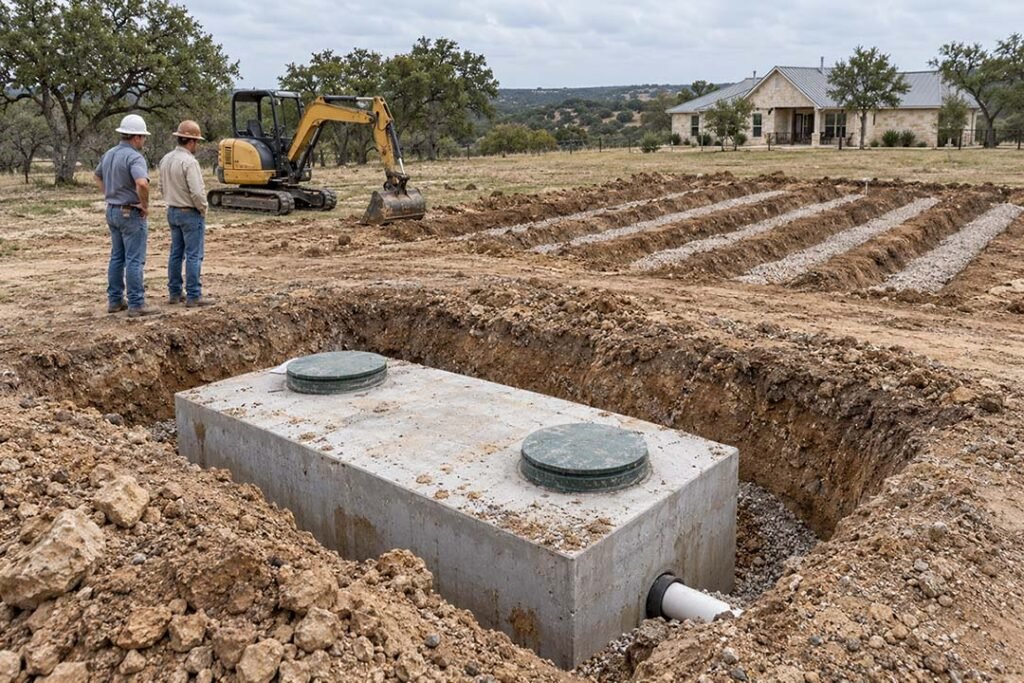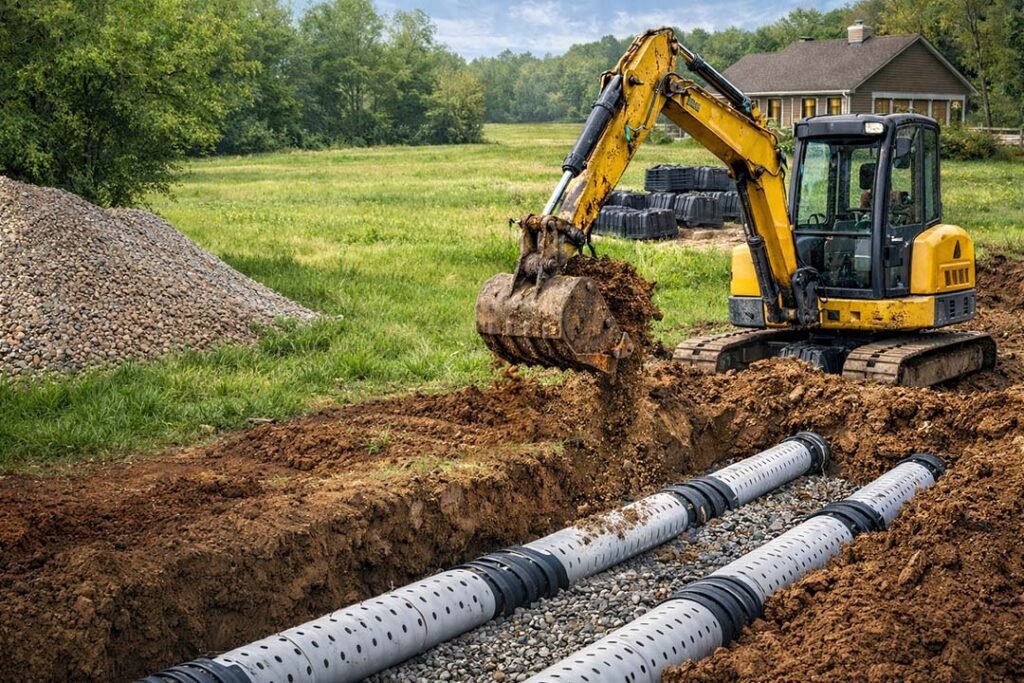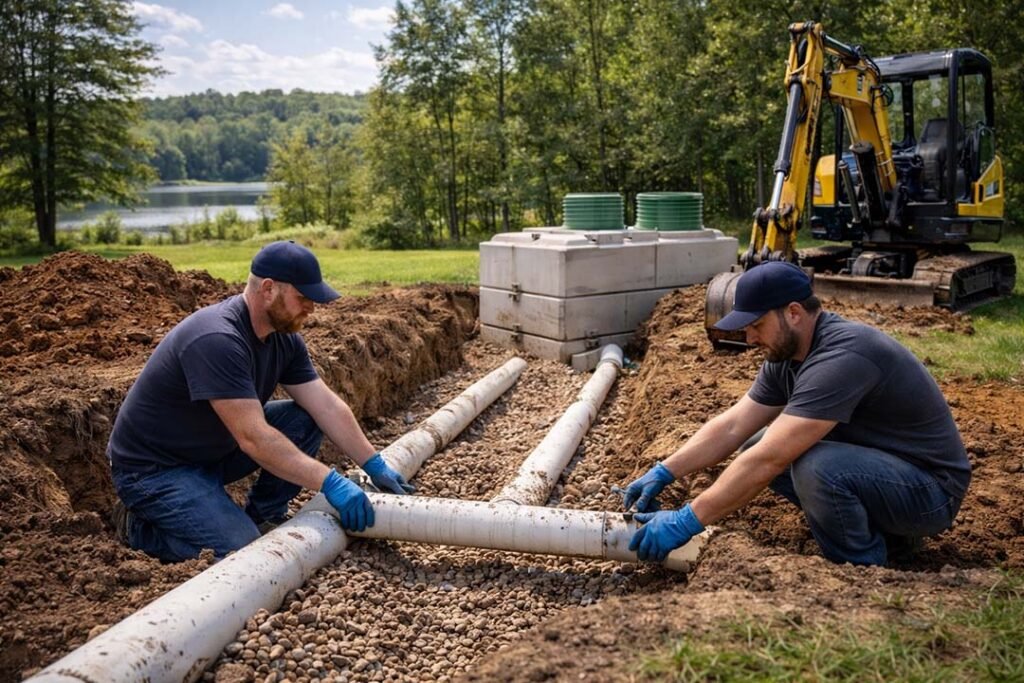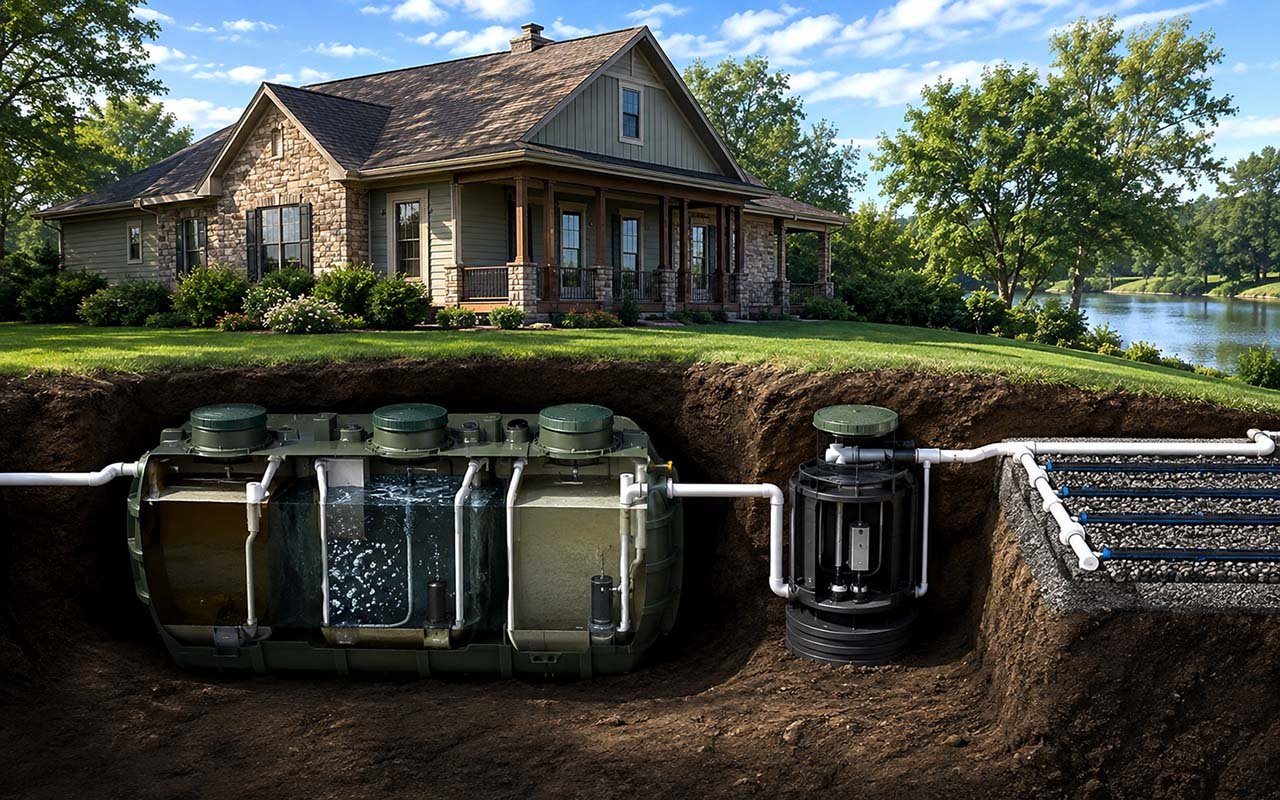
Managing wastewater properly is one of the most important responsibilities of any property owner, especially if your home is not connected to a public sewer system. Choosing the right solution can improve your property’s long-term performance, protect the environment, and help you avoid costly repairs. That is why many homeowners choose aerobic wastewater treatment systems. These advanced systems use oxygen to support beneficial bacteria, allowing wastewater to be treated more efficiently than many conventional septic systems. The result is cleaner treated water and reliable performance for a wide range of properties.
At Dillon Septic, we have worked with aerobic systems across Central Texas for many years. From new installations to routine maintenance and emergency repairs, we have seen how proper design and regular servicing can keep these systems operating efficiently for decades. Every property is different, and understanding how an aerobic treatment system works is the first step toward making the right decision for your home. In this guide, we will explain how these systems operate, their benefits, maintenance requirements, and why they have become a popular choice for many homeowners.
What Are Aerobic Wastewater Treatment Systems?
Aerobic wastewater treatment systems are advanced onsite wastewater solutions designed to treat household wastewater more effectively than many traditional septic systems. Instead of relying only on naturally occurring bacteria that thrive without oxygen, these systems actively introduce air into the treatment process. The added oxygen helps beneficial aerobic bacteria grow and break down waste faster, resulting in cleaner wastewater before it is released into the drain field or another approved disposal area.
One of the biggest advantages of an aerobic system is its ability to produce higher-quality treated water. Because the bacteria work more efficiently in an oxygen-rich environment, they remove a greater amount of organic matter and harmful contaminants. This makes these systems an excellent choice for properties with challenging soil conditions, environmentally sensitive areas, or locations where local regulations require enhanced wastewater treatment.
Most residential aerobic systems include several components that work together to treat wastewater step by step. These typically include:
- A pretreatment or trash tank that separates larger solids
- An aeration chamber where oxygen is added to support beneficial bacteria
- A clarification chamber that allows remaining solids to settle
- A disinfection stage using chlorine or ultraviolet light when required by local regulations
- A pump tank that distributes the treated water to the spray field or another approved disposal area
Each stage plays an important role in the treatment process. By the time the wastewater leaves the system, it has gone through multiple levels of treatment, producing much cleaner effluent than untreated sewage and helping protect both your property and the surrounding environment. Aerobic Septic Systems use oxygen to help break down wastewater more efficiently and provide a higher level of treatment than many conventional septic systems.
Conventional Septic Systems Versus Aerobic Treatment
Many homeowners ask whether an aerobic treatment system is worth the extra investment. The answer depends on several factors, including your property’s soil conditions, available space, local regulations, and long-term wastewater treatment needs. While a conventional septic system works well for many properties, it may not always provide the level of treatment required in areas with challenging soil or stricter environmental standards.
Aerobic systems use oxygen to support beneficial bacteria that break down waste more efficiently. This process produces cleaner treated water, making these systems a practical choice for properties where higher treatment performance is needed. Although they include additional mechanical components and require regular maintenance, many homeowners find that the improved treatment quality and environmental benefits outweigh the added upkeep.
| Feature | Conventional Septic System | Aerobic Wastewater Treatment System |
|---|---|---|
| Oxygen Supply | No | Yes |
| Treatment Efficiency | Moderate | High |
| Effluent Quality | Standard | Significantly Cleaner |
| Suitable for Challenging Soil | Limited | Excellent |
| Maintenance Frequency | Lower | Higher |
| Mechanical Components | Few | Multiple |
| Installation Flexibility | Moderate | Greater for difficult sites |
| Environmental Protection | Good | Excellent |
From our experience at Dillon Septic, the best system is the one that matches your property’s specific conditions. A professional site evaluation considers factors such as soil type, property layout, household size, and local health regulations to determine which option will provide reliable performance for years to come. When properly installed and maintained, both systems can serve homeowners well, but aerobic treatment often delivers the greatest benefits where wastewater treatment standards are more demanding.
Why More Homeowners Are Choosing Aerobic Systems
More homeowners are choosing aerobic treatment systems because they offer dependable performance in situations where conventional septic systems may not be the best fit. In many parts of Texas, factors such as rocky terrain, shallow soil, and properties located near lakes, rivers, or other environmentally sensitive areas can make wastewater treatment more challenging. An aerobic system provides an additional level of treatment that helps address these conditions while meeting local regulations.
One of the biggest advantages is the quality of the treated wastewater. By using oxygen to support beneficial bacteria, aerobic systems produce cleaner effluent before it is released into the disposal area. This helps reduce the impact on surrounding soil and groundwater while supporting a healthier environment.
These systems also provide greater flexibility for properties with limited space or difficult site conditions. In many cases, they can be installed where a conventional septic system may not perform as effectively. Local health authorities often recommend or require aerobic treatment in areas where higher wastewater treatment standards are necessary.
At Dillon Septic, we have helped many homeowners select the right system for their property. One thing we hear repeatedly is the confidence that comes from knowing their wastewater passes through multiple stages of treatment before leaving the system. With proper maintenance, an aerobic system offers reliable performance, environmental protection, and long-term value for homeowners.
Performance and Treatment Efficiency
One of the main reasons homeowners choose an aerobic treatment system is its ability to produce cleaner wastewater before it leaves the system. By supplying oxygen throughout the treatment process, these systems allow beneficial bacteria to break down organic waste more efficiently than many conventional septic systems. The result is higher-quality treated water that helps protect your property and the surrounding environment.
A properly installed and well-maintained aerobic system can significantly reduce organic matter, suspended solids, and other contaminants before the treated water reaches the disposal area. This higher level of treatment helps protect groundwater, nearby wells, ponds, streams, and other natural water sources. It also makes aerobic systems a preferred option in many areas where environmental regulations require enhanced wastewater treatment.
Like any septic system, long-term performance depends on how well it is maintained and how it is used. Several factors can influence efficiency, including:
- Daily household water usage
- Routine professional maintenance
- Proper operation of the air compressor
- Regular disinfection when required
- Scheduled system inspections
- Responsible day-to-day household practices
From our experience at Dillon Septic, homeowners who stay on top of routine maintenance experience fewer problems and enjoy more reliable system performance. A little preventive care goes a long way in extending the life of the system and helping it operate efficiently for many years.
Where Aerobic Wastewater Treatment Systems Work Best
Aerobic wastewater treatment systems are not necessary for every property, but they can be an excellent solution when site conditions make conventional septic systems less effective. The right choice depends on factors such as soil type, available space, environmental regulations, and the property’s overall wastewater treatment needs. A professional site evaluation is the best way to determine which system will deliver reliable, long-term performance.
Properties with shallow or rocky soil often benefit from aerobic treatment because the ground may not provide enough natural filtration for a traditional septic system. Homes located near lakes, rivers, streams, or other environmentally sensitive areas may also require a higher level of wastewater treatment to help protect nearby water sources. In these situations, aerobic systems are often the preferred or required option.
Aerobic systems can also be a smart choice for smaller residential lots where space for a conventional drain field is limited. Some commercial properties with changing wastewater demands also benefit from the consistent treatment performance these systems provide.
At Dillon Septic, we evaluate every property individually before recommending a system. We consider soil conditions, lot size, local permitting requirements, household water usage, and your long-term goals. This approach helps ensure you receive a wastewater treatment solution that performs efficiently, complies with local regulations, and serves your property well for years to come.
Maintenance Requirements Every Homeowner Should Know
Regular maintenance is one of the most important parts of owning an aerobic wastewater treatment system. Unlike conventional septic systems, aerobic units rely on electrical and mechanical components to keep the treatment process running efficiently. Keeping these parts in good working condition helps prevent unexpected breakdowns, extends the life of the system, and ensures it continues to treat wastewater effectively.
A typical maintenance visit includes a thorough inspection of the system to identify any signs of wear or developing issues before they become costly repairs. During a routine service appointment, technicians will usually:
- Inspect the air compressor to ensure it is supplying enough oxygen
- Clean or replace filters when needed
- Check pumps, floats, and electrical components
- Verify that the disinfection system is operating properly
- Measure sludge levels inside the tanks
- Inspect spray heads for proper operation
- Test alarms and the control panel
- Evaluate the overall performance of the treatment system
Many local health authorities require professional inspections several times a year to keep aerobic systems operating safely and in compliance with regulations. Even if inspections are not mandatory in your area, routine maintenance is still one of the best investments you can make.
At Dillon Septic, we have found that homeowners who stay on schedule with maintenance experience fewer emergency repairs and lower long-term ownership costs. Addressing small issues early helps protect your investment and keeps your system operating reliably for years to come.
Common Mistakes That Reduce System Performance
Even a well-designed aerobic wastewater treatment system can develop problems if it is not used properly. In our experience, many service calls are caused by everyday habits that homeowners do not realize can affect the system. A few simple changes in how you use your plumbing can go a long way toward keeping your system running efficiently.
To help protect your system, avoid flushing or pouring the following items down drains or toilets:
- Disposable wipes, even those labeled as flushable
- Grease, fats, and cooking oils
- Paper towels and other thick paper products
- Feminine hygiene products
- Paint, solvents, and household chemicals
- Medications or pharmaceuticals
- Cat litter and other non-biodegradable materials
Managing your household water use is just as important. Using several water-intensive appliances at the same time, such as the washing machine, dishwasher, and shower, can temporarily overload the system. Spreading water use more evenly throughout the day gives the treatment process time to work as intended and helps maintain healthy bacterial activity.
Expert Insight From the Field
After years of installing, servicing, and repairing aerobic wastewater treatment systems across Central Texas, we have learned that regular maintenance is the key to long-term reliability. Homeowners who understand the basics of how their system works and stay consistent with scheduled service rarely experience major problems. A little attention throughout the year can make a significant difference in both performance and operating costs.
Many of the costly repairs we see do not happen overnight. They often start with small issues such as a dirty filter, a weakening air compressor, a faulty float switch, or a disinfection system that has been overlooked. Left unchecked, these minor problems can reduce treatment efficiency, trigger system alarms, or eventually lead to equipment failure.
Routine inspections give technicians the opportunity to spot these warning signs early and make simple repairs before they become expensive emergencies. This proactive approach not only helps protect the system but also extends the life of its mechanical components.
We always encourage homeowners to think of maintenance as an investment rather than an expense. Staying ahead of small issues keeps your system operating efficiently, reduces the likelihood of unexpected breakdowns, and provides peace of mind that your wastewater treatment system will continue to perform reliably for many years.
Frequently Asked Questions
How long do aerobic wastewater treatment systems last?
With proper maintenance, many systems remain in service for 20 to 30 years or longer. Individual components such as compressors or pumps may require replacement during the system’s lifetime.
Are aerobic systems better than conventional septic systems?
Each property is different. Aerobic systems generally provide higher wastewater treatment quality and perform especially well in locations with difficult soil conditions or stricter environmental regulations.
Do aerobic systems require electricity?
Yes. Most systems rely on an electric air compressor, pumps, alarms, and control equipment to maintain proper treatment.
How often should maintenance be performed?
Maintenance schedules vary by local regulations and manufacturer recommendations. Professional inspections several times each year are commonly recommended to ensure reliable operation.
Can homeowners maintain the system themselves?
Basic monitoring is helpful, but professional inspections remain essential. Experienced technicians have the equipment and training to evaluate system performance, inspect mechanical components, and identify developing problems before they become expensive repairs.
Final Thoughts
Choosing the right onsite wastewater solution is an investment in your property’s long-term health, environmental protection, and overall reliability. Aerobic treatment technology offers excellent performance, cleaner effluent, and greater flexibility for properties where conventional septic systems may not provide adequate treatment.
Our experience at Dillon Septic has shown that the combination of proper installation, regular inspections, and responsible day-to-day use delivers the best long-term results. Homeowners who stay proactive with maintenance typically enjoy fewer breakdowns, lower repair costs, and greater confidence that their system is operating efficiently.
If you are considering installing, upgrading, or maintaining an aerobic wastewater treatment system, working with experienced professionals ensures your investment continues performing safely and effectively for many years.