A septic system is one of the most important parts of a property, yet many homeowners do not think about it until something goes wrong. Proper care of septic system practices can help prevent expensive repairs, unpleasant odors, and unexpected system failures. Taking a proactive approach not only protects your investment but also helps your septic system operate efficiently for many years.
Whether you own a new septic system or have been using one for decades, understanding how it works is the first step toward protecting it. Regular maintenance and good household habits can significantly improve system performance and reduce the likelihood of costly issues. In this guide, we will explain everything homeowners need to know about maintaining a healthy septic system.
Why Septic System Maintenance Matters
Your septic system is responsible for treating and disposing of wastewater from your home. Unlike municipal sewer systems, septic systems rely on a combination of natural processes and carefully designed components to function properly.
Neglecting maintenance can lead to clogged pipes, damaged drain fields, sewage backups, and expensive repairs. Routine maintenance is often far less costly than replacing major septic components.
According to industry recommendations, a well-maintained septic system can last 20 to 40 years or more, depending on its design, usage, and maintenance schedule. Proper maintenance also protects groundwater and helps prevent environmental contamination.
When homeowners understand how their system functions, it becomes easier to recognize small problems before they develop into major issues.
Understanding How Your Septic System Works
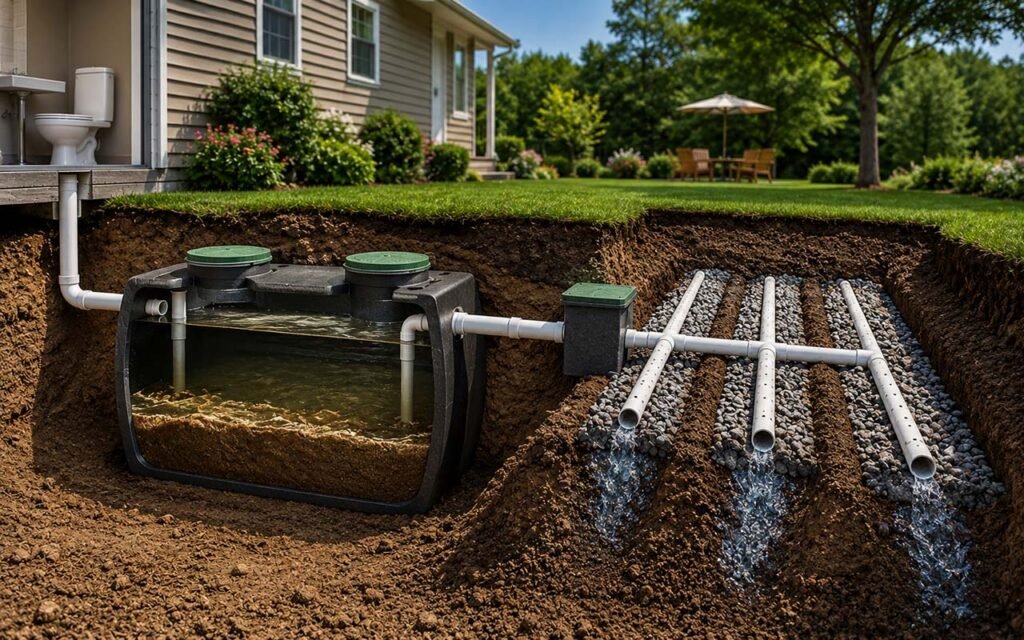
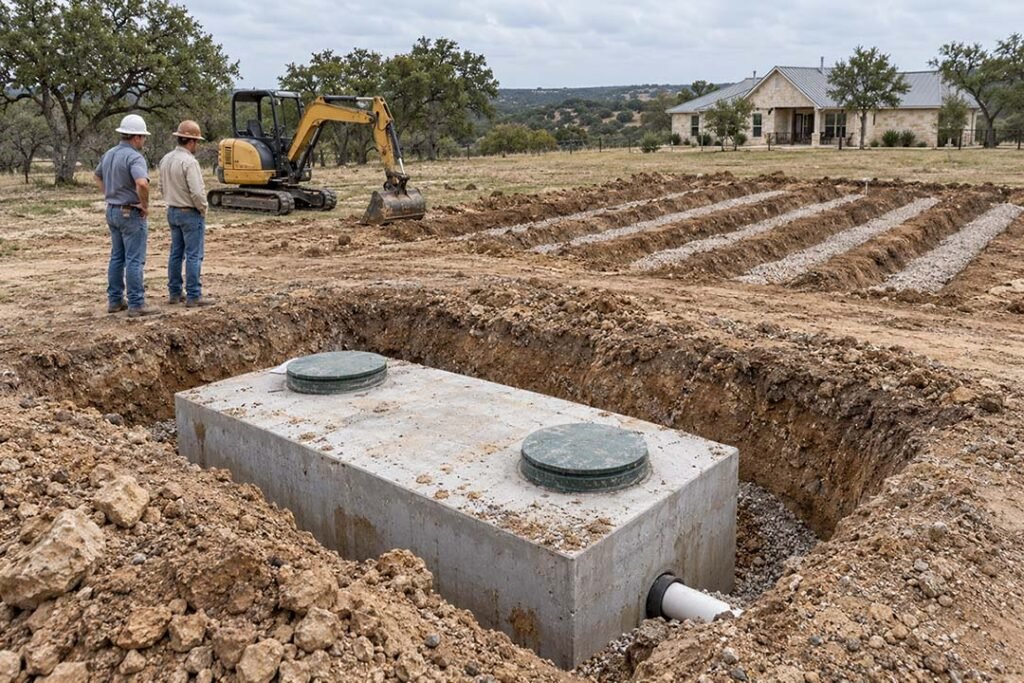
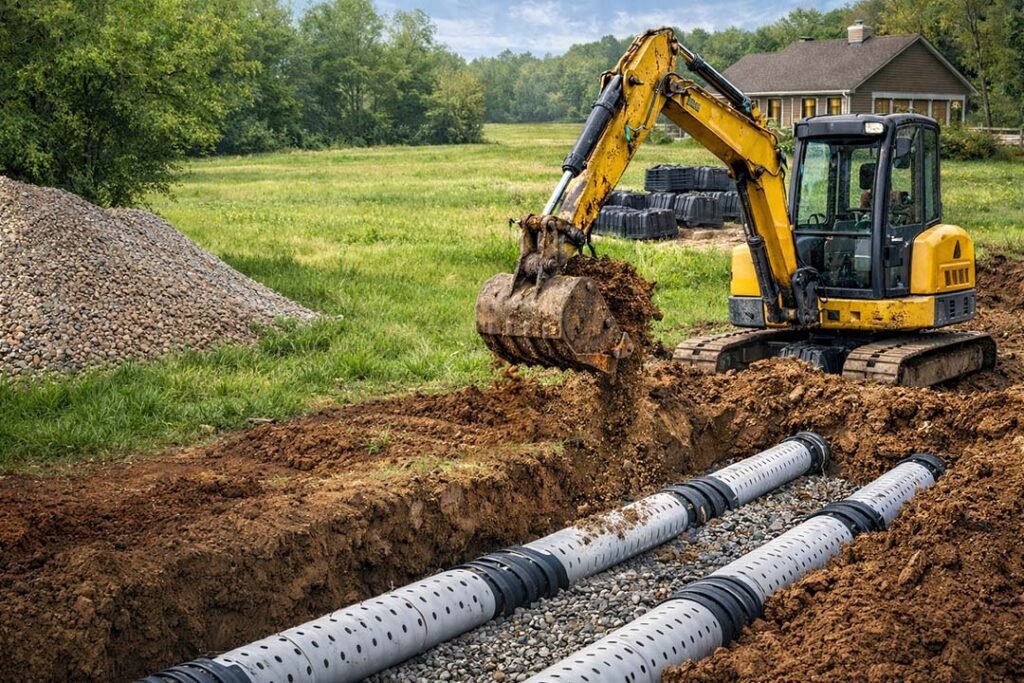
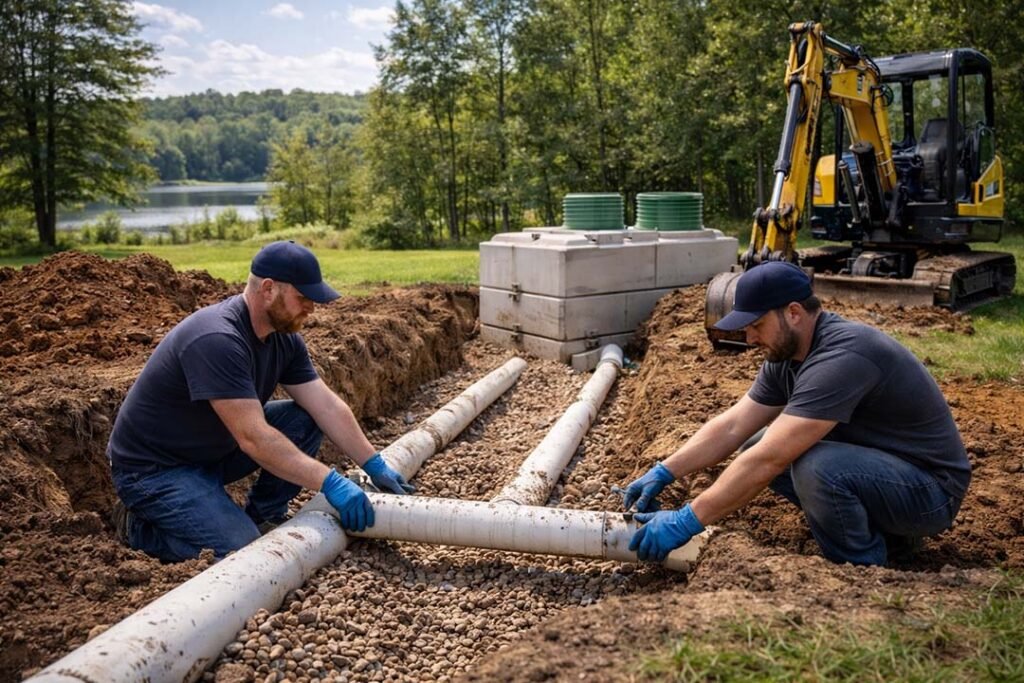
A septic system consists of several key components that work together to manage household wastewater. Wastewater flows from your home into the septic tank, where solids settle at the bottom and oils float to the surface. The partially treated water then moves into the drain field for further treatment by the surrounding soil.
Common septic system components include:
- Septic tank
- Inlet and outlet pipes
- Distribution box
- Drain field
- Soil treatment area
Each component plays an important role in the treatment process. If one part becomes damaged or overloaded, the entire system may suffer.
Many homeowners are surprised to learn that simple daily habits significantly impact septic system performance. Excessive water usage, improper waste disposal, and skipped maintenance appointments are among the most common causes of septic problems.
Understanding how these components work together helps homeowners make better decisions when caring for their systems.
Essential Maintenance Practices Every Homeowner Should Follow
Routine maintenance is one of the most effective ways to extend the life of your septic system. Small preventative measures often save thousands of dollars in future repairs.
Here are some essential maintenance practices:
- Schedule regular septic tank pumping.
- Monitor water usage throughout the home.
- Inspect the system periodically for signs of problems.
- Keep accurate maintenance records.
- Avoid flushing non-biodegradable materials.
- Protect the drain field from heavy equipment and vehicles.
Household water usage also affects septic performance. Running multiple loads of laundry in one day or taking excessively long showers can overwhelm the system.
Maintaining your septic system should become part of your regular home maintenance routine. Consistency is often the key to preventing septic-related emergencies.
Septic Tank Pumping Recommendations
One of the most frequently asked questions homeowners ask is how often they should pump their septic tank. The answer depends on several factors, including tank size, household size, and daily water usage.
The table below provides general septic tank pumping recommendations.
| Household Size | Recommended Pumping Interval |
|---|---|
| 1 to 2 people | Every 3 to 5 years |
| 3 to 4 people | Every 2 to 4 years |
| 5 to 6 people | Every 2 to 3 years |
| Large households | Every 1 to 2 years |
These recommendations may vary depending on your specific septic system design and usage habits.
Scheduling professional inspections during pumping appointments provides an excellent opportunity to identify potential problems early. Septic professionals can inspect baffles, tank condition, sludge levels, and signs of drain field issues.
Ignoring septic tank pumping is one of the leading causes of septic system failures across residential properties.
Common Mistakes That Damage Septic Systems
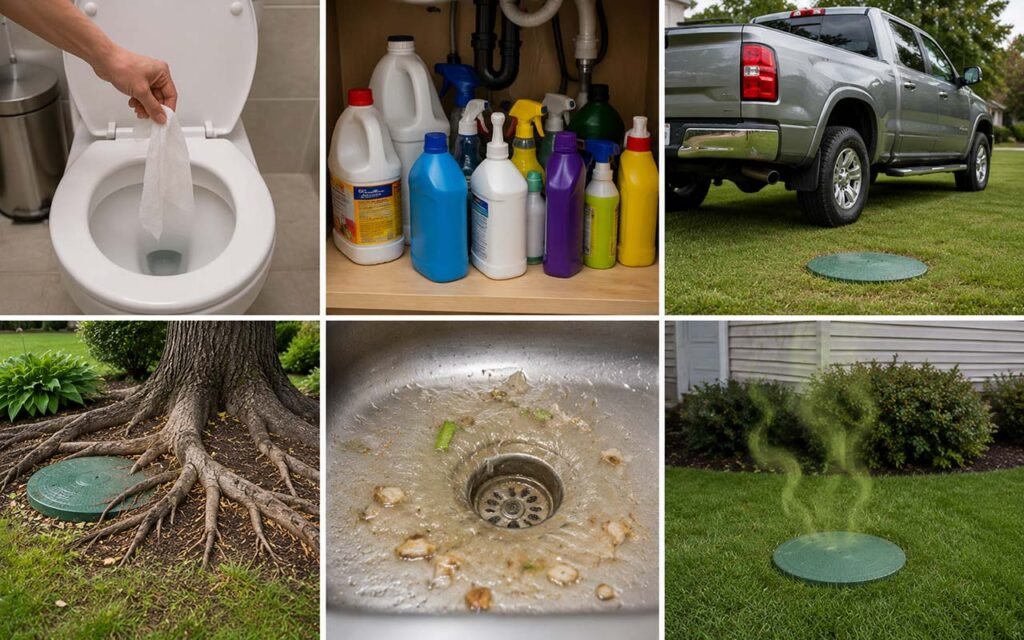
Many septic system failures are preventable. Homeowners often unknowingly damage their systems through everyday activities.
Flushing inappropriate materials is one of the most common mistakes. Items such as paper towels, baby wipes, grease, and feminine hygiene products do not break down properly inside the tank.
Other common mistakes include:
- Using excessive amounts of household chemicals.
- Parking vehicles over the drain field.
- Installing landscaping that interferes with septic components.
- Ignoring warning signs such as slow drains and unpleasant odors.
Even products marketed as “flushable” may cause problems within septic systems. When in doubt, it is best to dispose of household waste properly rather than flushing it.
Protecting your septic system requires understanding which habits contribute to long-term damage. Making small adjustments can significantly improve system performance and longevity.
Water Conservation Plays a Major Role
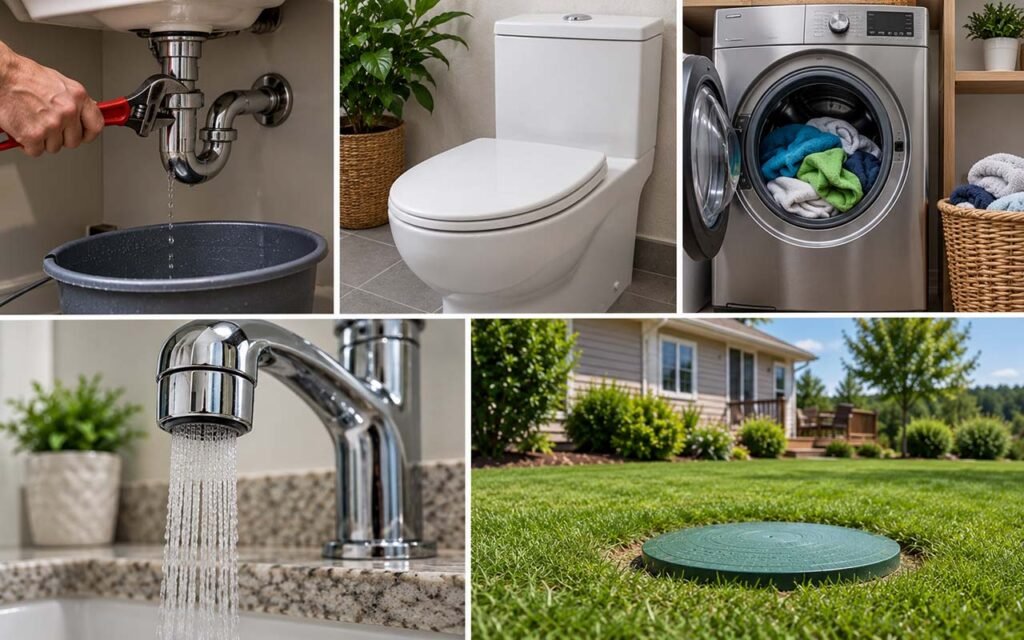
Many homeowners underestimate how much water usage affects septic system performance. Excessive water entering the septic tank reduces the time solids have to separate properly, which may negatively impact treatment efficiency.
Simple water conservation strategies can improve septic system health, including:
- Repair leaking faucets and toilets promptly.
- Use high-efficiency appliances.
- Spread laundry loads throughout the week.
- Install water-saving fixtures.
- Limit unnecessary water usage.
A leaking toilet can waste hundreds of gallons of water every day. Over time, excessive water flow may overload both the septic tank and drain field.
In our experience, homes that practice good water conservation habits often experience fewer septic issues and enjoy longer system lifespans.
Proper water management remains one of the easiest and most effective ways to protect your investment.
Signs Your Septic System Needs Professional Attention
Recognizing early warning signs can help homeowners avoid serious septic problems. Minor issues often become major repairs when left unaddressed.
Watch for the following symptoms:
- Slow-draining sinks and bathtubs.
- Gurgling sounds in plumbing fixtures.
- Sewage odors around the property.
- Standing water near the drain field.
- Unusually green or lush grass over the drain field.
- Sewage backups inside the home.
These warning signs should never be ignored. Septic problems rarely resolve themselves and often worsen over time.
Professional inspections provide valuable information about the overall condition of your system. Experienced septic technicians can diagnose problems before they become emergencies.
Addressing issues early is almost always less expensive than repairing extensive damage to your septic system or drain field.
Seasonal Septic System Care Tips
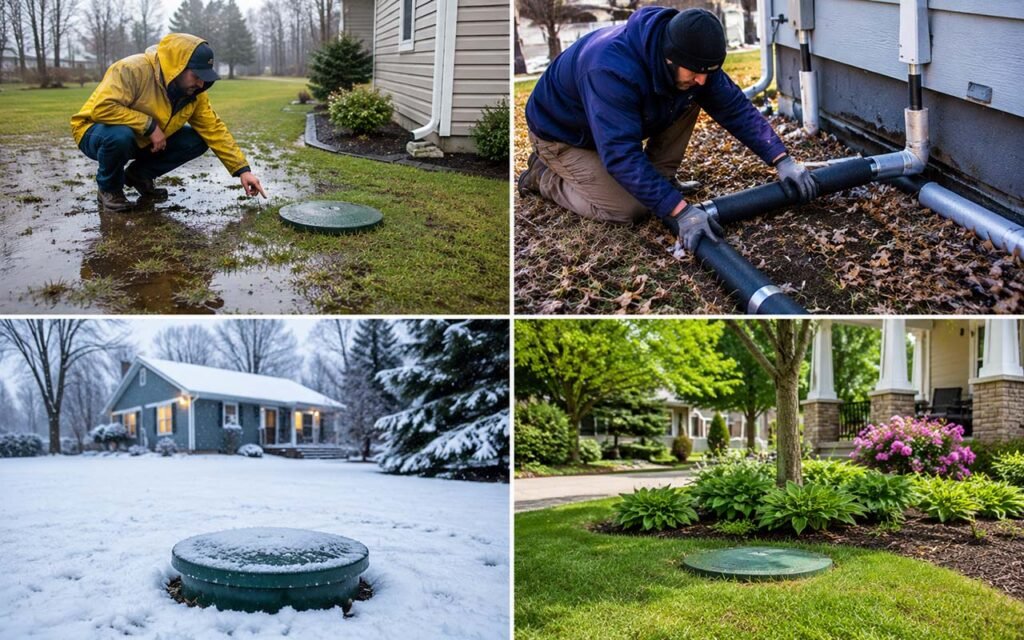
Seasonal maintenance can help homeowners protect their septic systems throughout the year. Different weather conditions place unique demands on septic components.
During heavy rainfall periods, excessive groundwater may affect drain field performance. Avoid directing roof runoff toward septic system areas whenever possible.
In colder climates, insulating exposed pipes and limiting vehicle traffic over frozen ground can help prevent damage. During warmer months, monitor landscaping near septic components to ensure roots do not interfere with underground pipes.
Regular visual inspections around your property can help identify drainage problems before they affect system performance.
Homeowners who pay attention to seasonal maintenance often experience fewer unexpected septic issues and lower repair costs over the life of their systems.
Expert Insights on Long-Term Septic System Care
As septic professionals, we often find that most septic emergencies could have been prevented with routine maintenance and early intervention.
Many homeowners wait until they notice unpleasant odors or sewage backups before calling a professional. Unfortunately, by that point, repairs are often more extensive and expensive.
Keeping detailed service records is another overlooked maintenance practice. Knowing when your tank was last pumped or inspected makes it easier to develop an appropriate maintenance schedule.
Routine inspections are particularly valuable when purchasing older homes. A septic system inspection provides important information about tank condition, drain field performance, and potential maintenance requirements.
Investing in preventative care today can save homeowners significant time, money, and stress in the future.
Dillon Septic provides professional septic maintenance and septic service to keep your system running efficiently, helping protect your property through reliable and expert septic care.
Frequently Asked Questions
How often should a septic system be inspected?
Most septic professionals recommend inspections every one to three years, depending on system usage and household size.
What should never be flushed into a septic system?
Avoid flushing wipes, grease, paper towels, medications, feminine hygiene products, and household chemicals that may disrupt the bacterial balance within the tank.
Can excessive water usage damage my septic system?
Yes. Excessive water usage may overload the septic tank and drain field, reducing treatment efficiency and increasing the risk of failure.
How long do septic systems usually last?
With proper maintenance, many septic systems can last 20 to 40 years or longer. Lifespan depends on design, installation quality, soil conditions, and homeowner maintenance practices.
Does regular pumping improve septic system performance?
Yes. Routine septic tank pumping helps prevent solids from accumulating and reduces the risk of costly septic system failures.
Final Thoughts
Proper septic system maintenance is one of the best investments homeowners can make. Regular inspections, responsible water usage, routine pumping, and preventative care help ensure reliable performance for many years.
By following good maintenance practices and addressing small problems early, homeowners can protect both their property and their septic investment. A healthy septic system provides peace of mind, improves efficiency, and helps avoid unexpected repair costs.