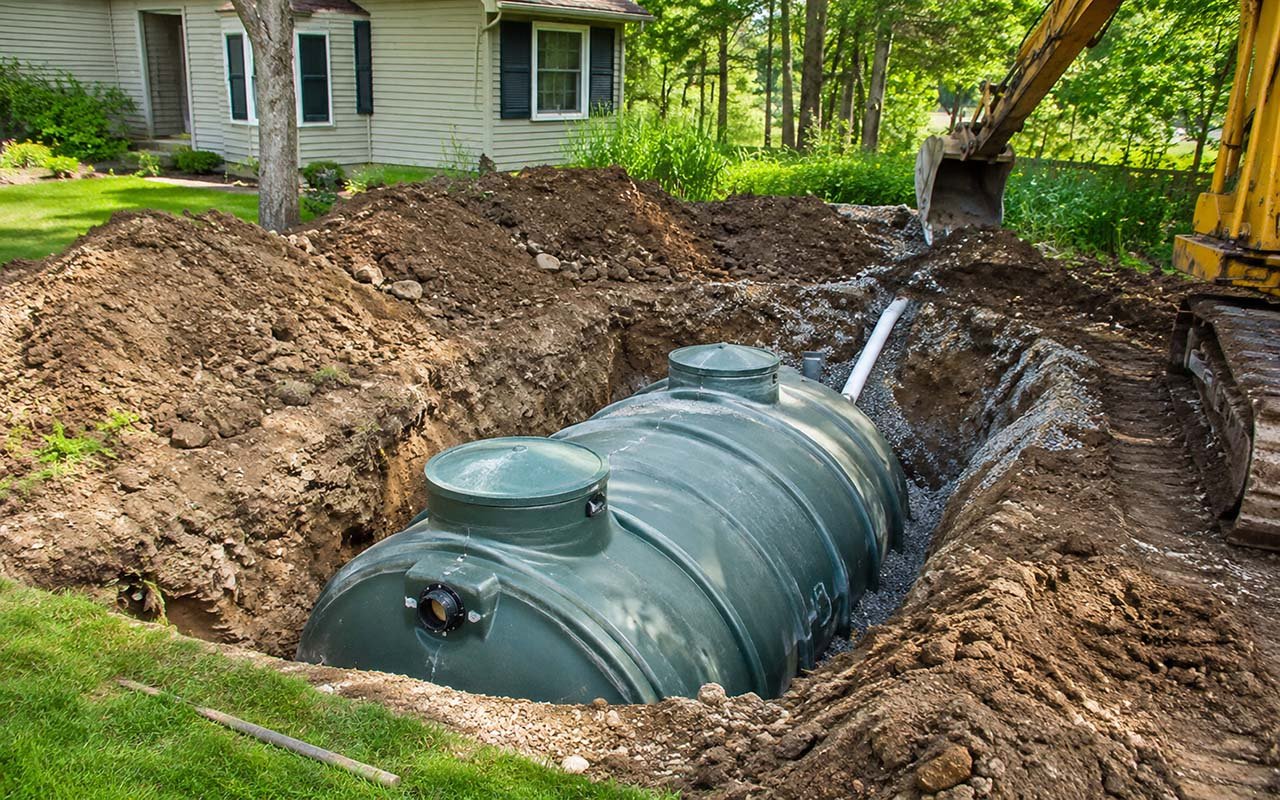
Installing a new septic system is one of the biggest investments many property owners make. Understanding septic tank installation cost before starting your project helps you plan your budget, compare options, and avoid unexpected expenses. Every property is different, so installation pricing depends on several factors, including soil conditions, tank size, local regulations, and the type of septic system required. Taking the time to understand these variables can save both money and frustration during the installation process.
At Dillon Septic, we have helped homeowners and businesses install reliable septic systems throughout Texas. From evaluating the property to completing the final installation, we know that every project presents unique challenges. Our experience has shown that choosing the right system and working with qualified professionals results in a septic system that performs efficiently for decades.
Why Septic System Installation Costs Can Vary
Many homeowners are surprised to learn that there is no fixed price for installing a septic system. While two neighboring properties may appear similar, underground conditions often tell a different story. Soil composition, drainage characteristics, property layout, and local permitting requirements all influence the overall project cost.
Several key factors determine installation pricing.
- Size of the property
- Household wastewater demand
- Soil quality and percolation results
- Type of septic system selected
- Excavation requirements
- Permit and inspection fees
- Accessibility for heavy equipment
- Local environmental regulations
Each of these elements contributes to the total investment, making every installation unique.
Average Septic Tank Installation Cost
Although prices vary by location and project complexity, understanding common price ranges helps homeowners establish realistic expectations. The figures below represent general industry estimates for residential septic installations.
| Installation Type | Typical Cost Range | Best Suited For |
|---|---|---|
| Conventional Septic System | $4,500 to $8,500 | Properties with suitable soil and adequate space |
| Aerobic Treatment System | $10,000 to $20,000 | Smaller lots or properties with challenging soil |
| Mound System | $10,000 to $18,000 | Areas with poor drainage or shallow soil |
| Engineered Septic System | $15,000 to $30,000+ | Difficult sites requiring custom design |
These estimates may vary depending on your location, labor costs, permit requirements, and site preparation. A professional site evaluation provides the most accurate estimate for your specific property.
Factors That Affect Septic Tank Installation Cost
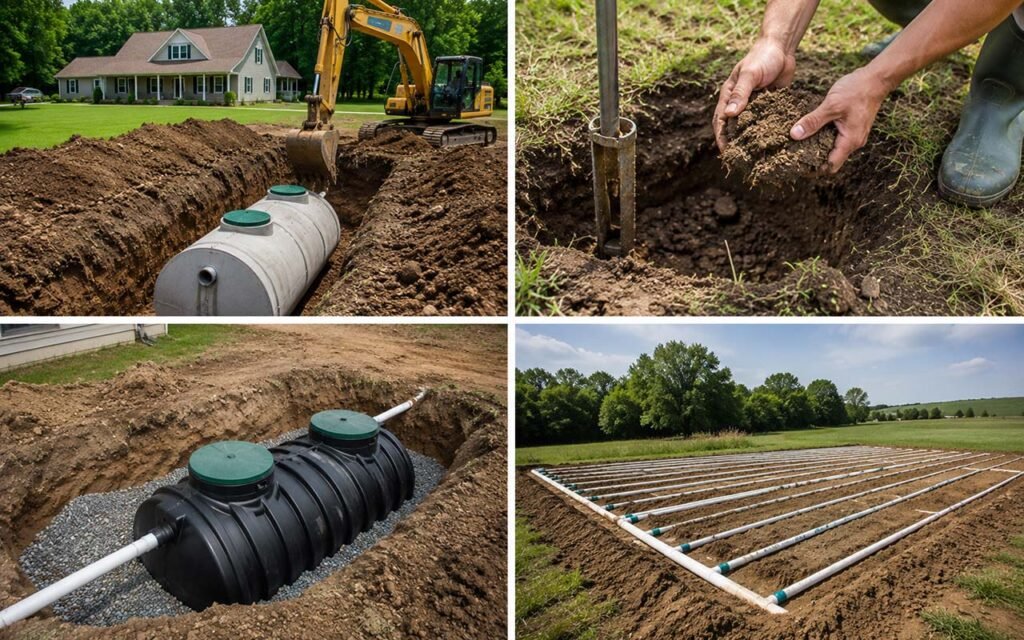
Several important variables influence how much you will pay for a new septic system. Understanding each one helps explain why estimates can differ from one property to another.
Property Size and Layout
The size and shape of your property play a significant role in determining installation costs. Larger properties may require longer pipe runs, while steep slopes or heavily wooded areas often increase excavation time.
Properties with easy equipment access generally require less labor, which can help reduce overall installation expenses.
From our experience, projects on open, level lots typically move faster than installations on rocky or heavily landscaped properties.
Soil Conditions
One of the first steps in planning a septic installation is conducting a soil evaluation. Soil must be able to absorb and naturally filter wastewater. Sandy soils usually drain well, while dense clay soils often require alternative septic designs.
If the soil does not meet local requirements, an engineered or aerobic system may be necessary. Although these systems generally cost more initially, they provide reliable wastewater treatment where conventional systems cannot be installed.
Proper soil testing before construction prevents expensive surprises later in the project.
Septic Tank Size
Choosing the correct tank size is essential for long-term system performance. Septic tanks are selected based on the expected daily wastewater flow, which depends primarily on the number of bedrooms and household occupancy.
Installing a tank that is too small can lead to frequent maintenance, while installing one that is larger than necessary increases material costs without providing significant benefits.
A professional installer can recommend the appropriate capacity based on state guidelines and your property’s specific needs.
Type of Septic System
The type of system selected has one of the greatest impacts on installation costs.
Conventional septic systems are generally the most affordable option when soil conditions are favorable. Aerobic treatment systems include additional components such as air pumps, electrical controls, and spray irrigation, making them more expensive to install.
Engineered systems require custom designs prepared by licensed professionals. These systems are commonly used where environmental regulations or difficult site conditions prevent traditional installations.
Selecting the appropriate system ensures compliance while minimizing future repair costs.
Permits and Local Regulations
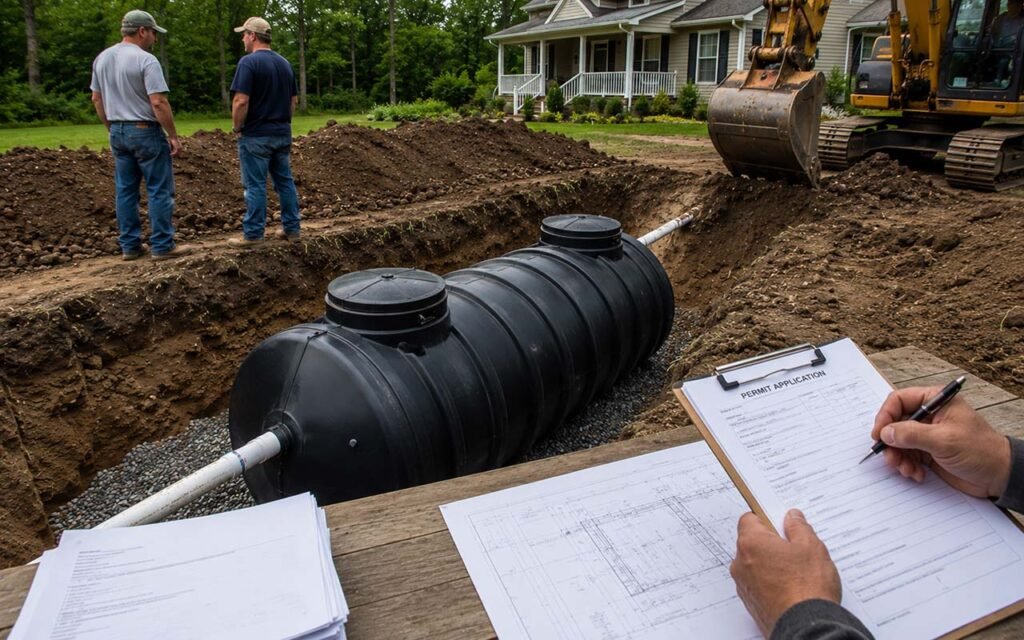
Every septic installation must comply with local and state regulations. Permit fees vary by county, and inspections are typically required throughout the installation process.
Texas has specific requirements governing septic system design, installation, and maintenance. These regulations help protect groundwater, nearby water sources, and public health.
Working with an experienced septic contractor helps ensure all permits are obtained correctly and every stage of the installation meets current standards.
Skipping permits or hiring unqualified installers may lead to costly corrections, project delays, or future property issues.
Excavation and Site Preparation
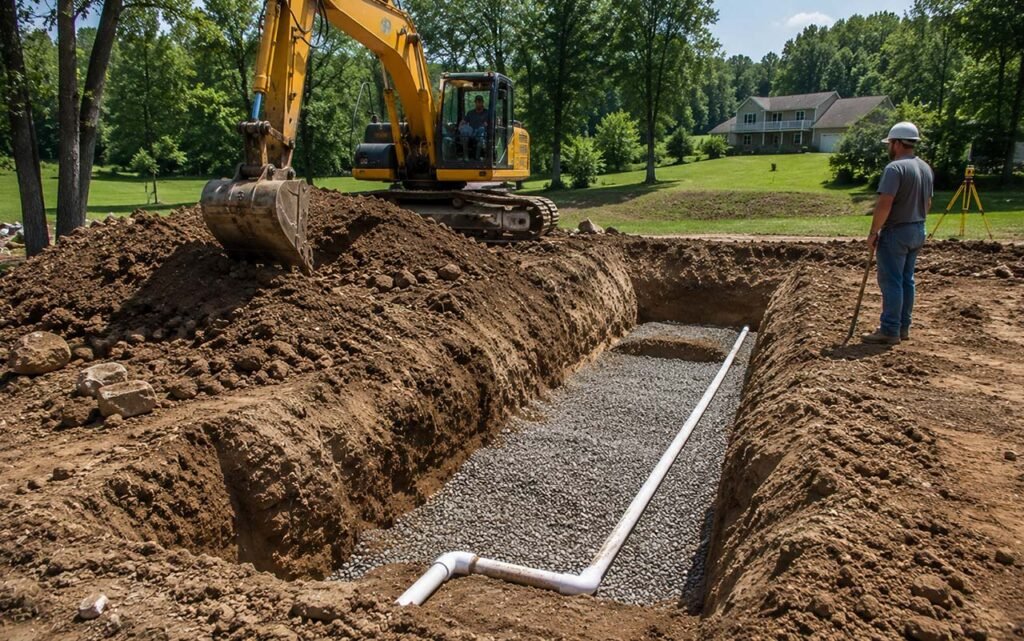
Before installation begins, the property must be properly prepared. Excavation costs depend on several site conditions, including terrain, soil type, vegetation, and underground obstacles.
Projects requiring tree removal, rock excavation, or extensive grading generally involve additional labor and equipment.
Proper site preparation also helps prevent future drainage problems that could reduce the lifespan of the septic system.
From our field experience, investing in careful preparation often reduces maintenance costs over the life of the system.
Additional Costs Homeowners Should Consider
Many homeowners focus only on the installation estimate without considering related expenses that may arise during the project.
Additional costs may include:
- Soil testing and percolation testing
- Engineering or design services
- Electrical connections for aerobic systems
- Drain field installation
- Land grading after installation
- Landscaping restoration
- Future maintenance planning
Including these items in your budget creates a more accurate estimate of the total investment and reduces the likelihood of unexpected expenses during construction.
Conventional vs Aerobic Systems
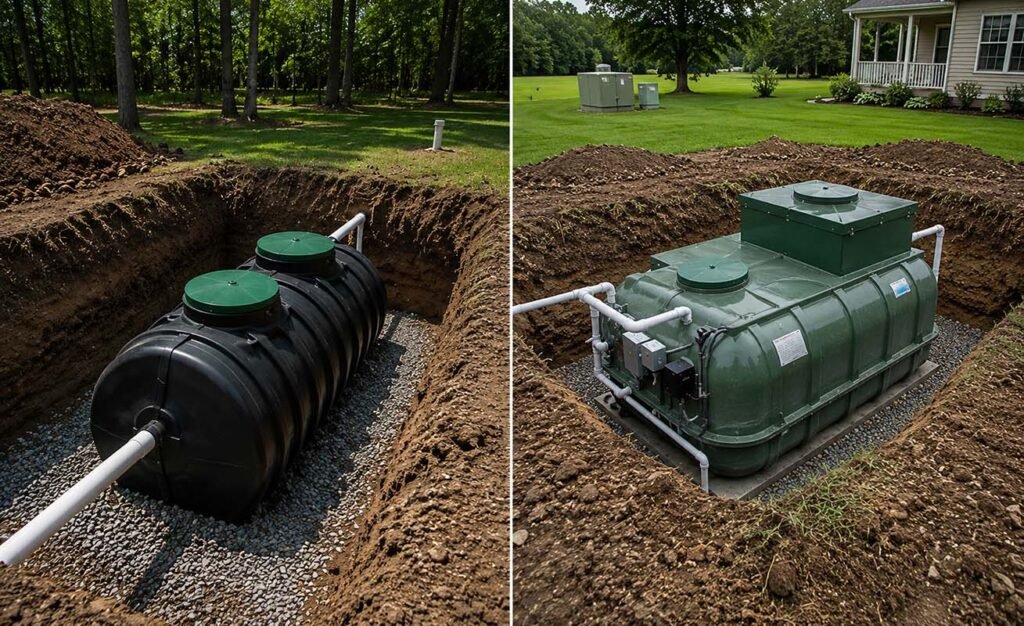
Choosing between a conventional and aerobic septic system depends on your property, budget, and local regulations.
Conventional systems remain the preferred choice for properties with suitable soil because they have fewer mechanical components and lower maintenance requirements. They also generally offer lower installation costs.
Aerobic systems provide advanced wastewater treatment and are commonly recommended for properties with limited space or poor soil conditions. While the initial investment is higher, they offer greater flexibility for challenging sites and can meet stricter environmental standards.
Understanding the strengths of each system helps homeowners choose the option that delivers the best long-term value rather than simply selecting the lowest upfront price.
How to Reduce Septic Tank Installation Cost
While installing a septic system is a significant investment, there are several ways homeowners can control expenses without sacrificing quality. Careful planning and working with an experienced contractor can help you avoid unnecessary costs while ensuring the system performs reliably for many years.
Here are a few practical ways to manage your budget.
- Schedule a site evaluation before purchasing a septic system.
- Compare system options based on your property’s soil and layout.
- Complete the installation before starting major landscaping projects.
- Keep heavy structures, driveways, and pools away from the planned drain field.
- Work with a licensed septic contractor who understands local regulations.
- Budget for long-term maintenance rather than focusing only on the initial installation price.
In our experience, homeowners who plan ahead often spend less over the lifetime of their septic system because they avoid costly repairs and design changes later.
Common Mistakes That Can Increase Installation Costs
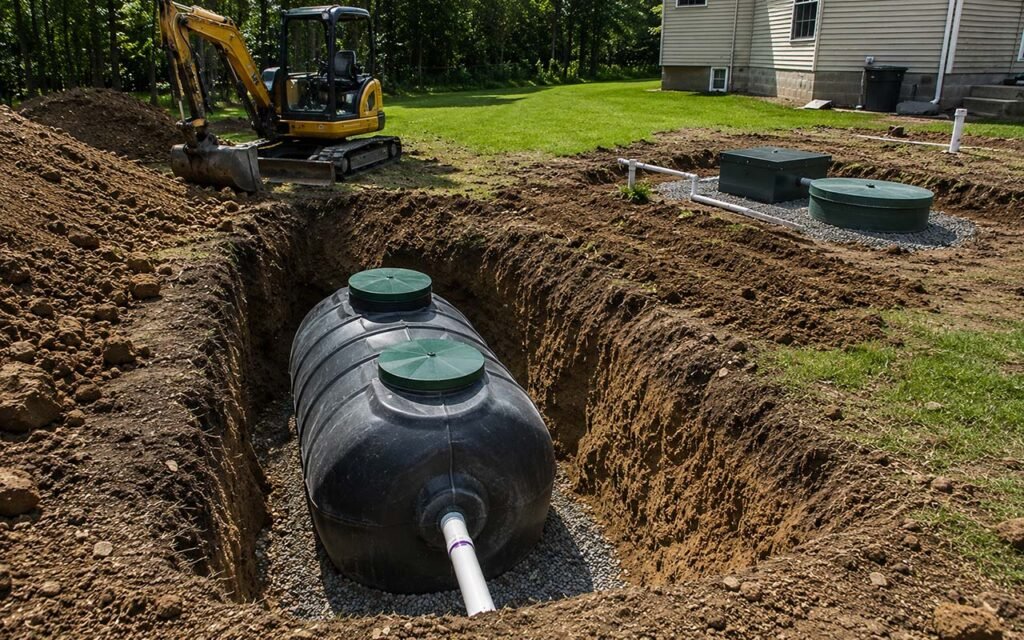
Many septic installation projects become more expensive because of avoidable mistakes made during the planning stage. Understanding these common issues can help you protect your investment.
One of the biggest mistakes is selecting a contractor based solely on the lowest price. A lower estimate may not include permits, inspections, site preparation, or quality materials. This can lead to unexpected costs once construction begins.
Another common mistake is skipping soil testing. Every property has unique drainage characteristics, and installing the wrong type of septic system can result in poor performance, expensive repairs, or even complete system replacement.
Property owners should also avoid underestimating future wastewater needs. If you plan to expand your home or add bedrooms in the future, discussing those plans with your contractor during the design phase can prevent costly upgrades later.
The average cost to install a septic system can vary depending on the system type, property size, soil conditions, local regulations, and installation requirements.
Finally, delaying routine maintenance after installation may shorten the lifespan of your septic system. Preventive care is far less expensive than emergency repairs.
How Long Does Septic Tank Installation Take?
Many homeowners ask how long the installation process will take. While every project is different, most residential septic installations are completed within several days after permits are approved and materials are available.
The overall timeline depends on factors such as:
| Project Stage | Typical Time |
|---|---|
| Site evaluation and soil testing | 1 to 7 days |
| System design and permitting | 1 to 4 weeks |
| Excavation and tank installation | 1 to 3 days |
| Drain field installation | 1 to 2 days |
| Final inspection and approval | 1 to 5 days |
Weather conditions, county inspection schedules, and unexpected site conditions can affect these timeframes.
Working with an experienced septic contractor helps keep the project organized and reduces unnecessary delays.
Expert Tips Before Installing a New Septic System
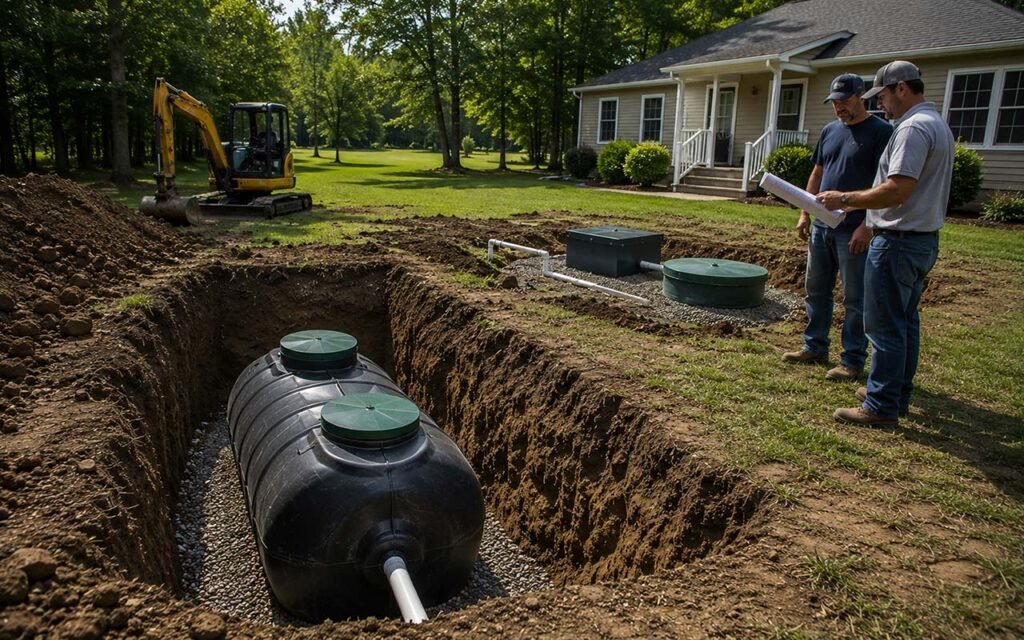
Installing a septic system is a long-term investment, so making informed decisions from the beginning is important. Based on our years of field experience, these recommendations can help homeowners achieve the best results.
Always request a complete written estimate that clearly outlines labor, materials, permits, inspections, and any additional services. Understanding exactly what is included helps avoid misunderstandings later.
Ask questions about future maintenance requirements before choosing a system. Some advanced treatment systems require more frequent servicing than conventional systems.
Protect the planned drain field by keeping heavy vehicles and construction equipment away from the area during and after installation.
Choose a contractor with proven experience installing septic systems in your local area. Familiarity with county regulations and soil conditions often results in a smoother installation process.
Most importantly, think beyond the initial price. A properly designed and professionally installed system typically provides decades of dependable service with routine maintenance.
Why Homeowners Choose Dillon Septic
At Dillon Septic, we understand that installing a septic system is a major investment for any property owner. Our goal is to make the process straightforward, transparent, and stress free from the initial site evaluation through final inspection.
Our experienced team works closely with every customer to recommend the right septic solution based on property conditions, household needs, and local regulations. We believe every installation should be built for long-term reliability rather than simply meeting minimum requirements.
When you work with Dillon Septic, you can expect:
- Experienced septic professionals
- Honest recommendations based on your property
- High-quality materials and workmanship
- Compliance with Texas regulations
- Clear communication throughout the project
- Reliable support after installation
Whether you need a conventional septic system or a more advanced aerobic treatment system, our team is committed to delivering dependable solutions that protect your property for years to come.
Frequently Asked Questions
What is the average cost to install a septic tank?
The average installation cost typically ranges from $4,500 to $20,000 or more, depending on the system type, property conditions, local regulations, and excavation requirements. Engineered systems designed for challenging sites may cost more.
What factors have the biggest impact on installation pricing?
Several factors influence the final cost, including soil conditions, septic tank size, system design, excavation complexity, permit fees, drain field requirements, and property accessibility.
How long does a new septic system last?
A professionally installed septic system can often last 25 to 40 years, while concrete septic tanks may last even longer with proper maintenance and regular pumping.
Is an aerobic septic system more expensive than a conventional system?
Yes. Aerobic treatment systems generally have higher installation and maintenance costs because they include mechanical components such as air pumps and electrical controls. However, they are often the best solution for properties with difficult soil conditions.
Can regular maintenance help reduce future septic expenses?
Absolutely. Routine inspections, timely septic pumping, and responsible water usage help extend the life of your septic system and reduce the likelihood of expensive repairs or premature replacement.
Conclusion
Understanding the factors that influence septic tank installation cost allows homeowners to make informed decisions before beginning a project. While pricing varies depending on soil conditions, system type, property size, permits, and excavation requirements, investing in a properly designed septic system provides long-term value and dependable wastewater treatment.
Choosing the right contractor is just as important as selecting the right system. A professional installation reduces the risk of future repairs, improves system efficiency, and helps ensure compliance with local regulations.
If you are planning a new septic installation in Texas, Dillon Septic is here to guide you through every step of the process. From site evaluations to complete system installation, our experienced team is dedicated to delivering reliable septic solutions tailored to your property’s unique needs.